
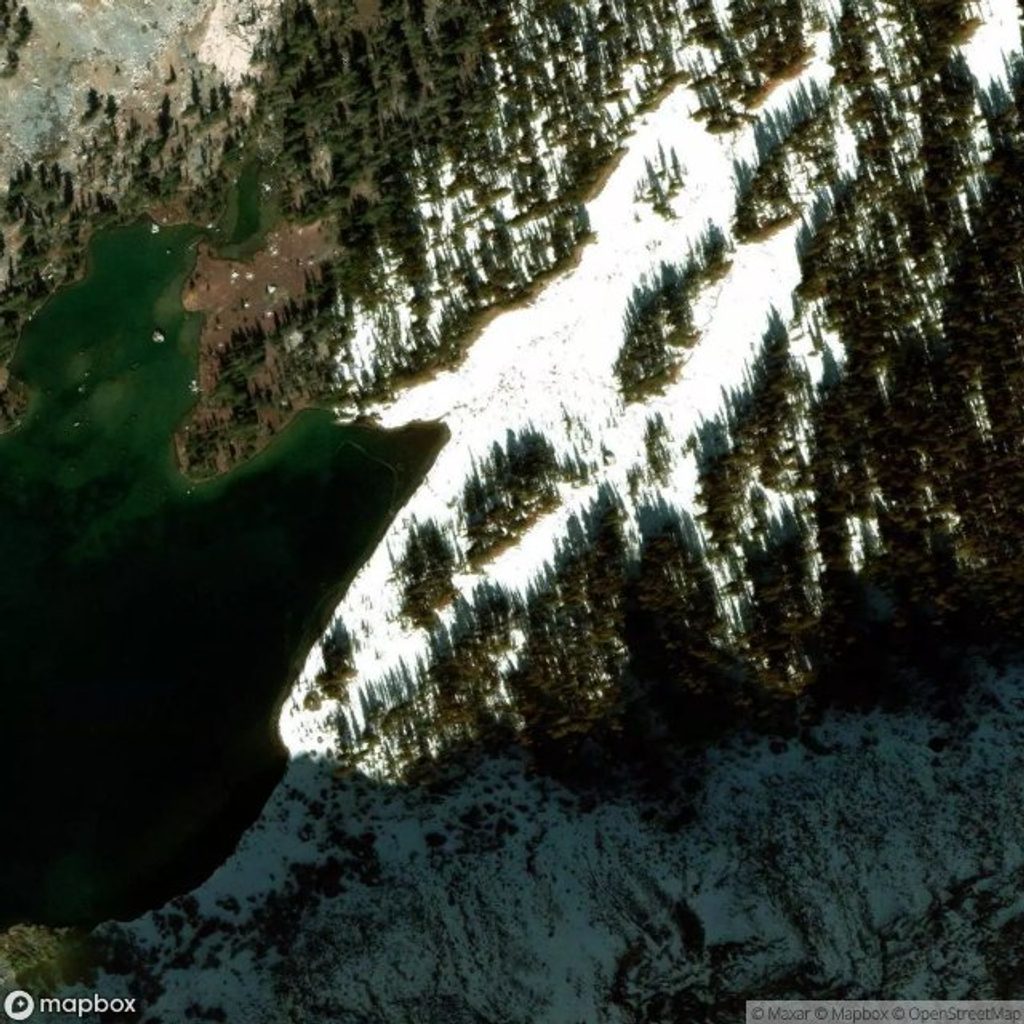
Place · 1.1 mi away
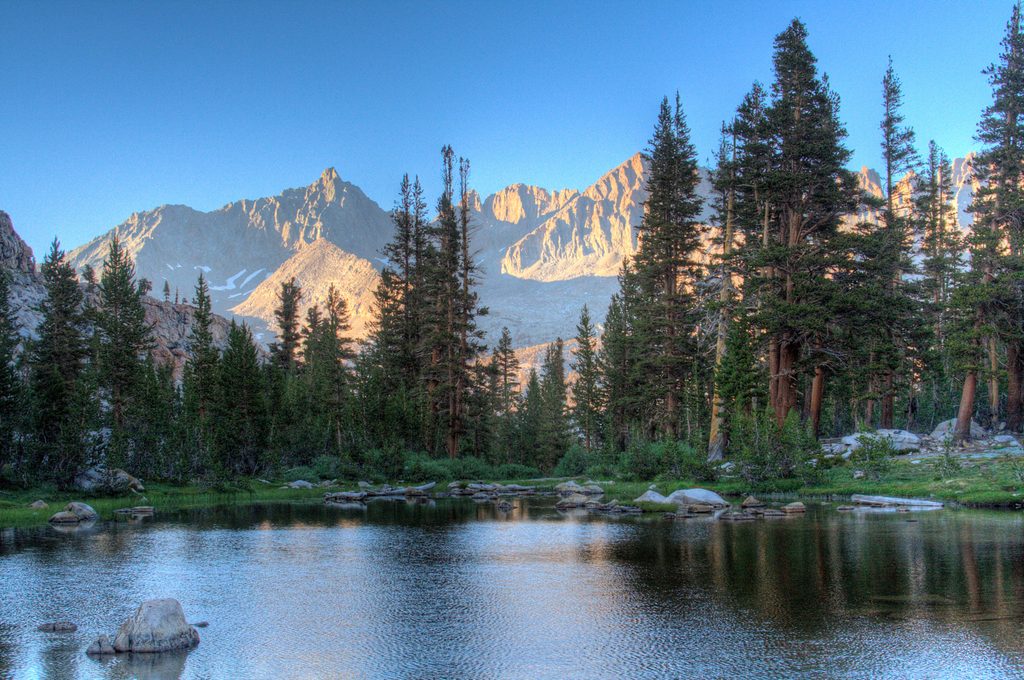
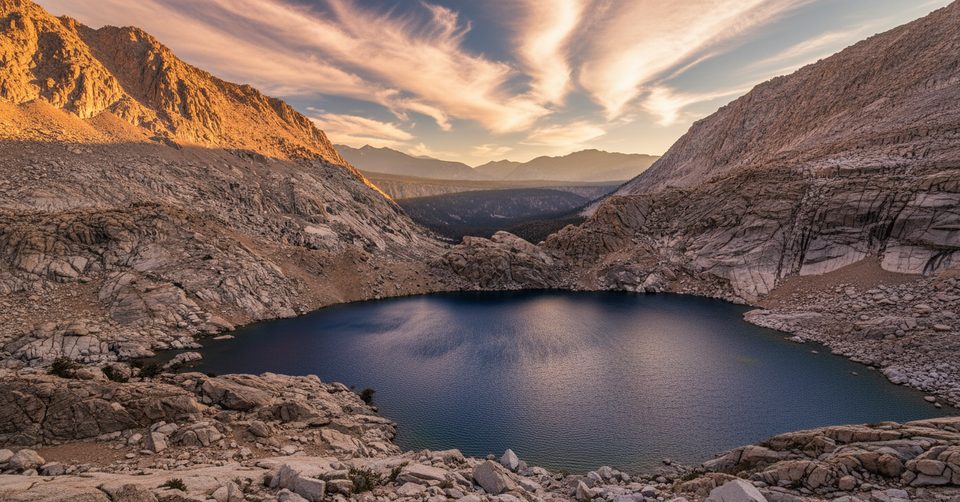
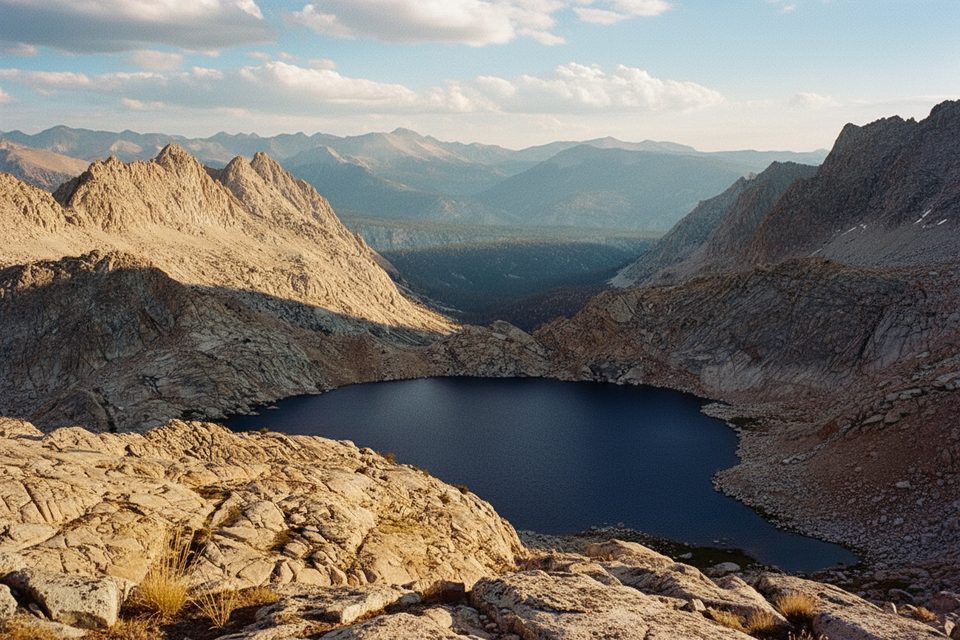
Little Five Lakes is a string of shimmering alpine lakes tucked deep in the Mineral King backcountry, typically visited on the classic loop that also tags Big Five Lakes. Expect austere granite, turquoise water, and big‑sky High Sierra scenery once you crest Black Rock Pass and drop into the basin.
Most backpackers reach Little Five Lakes from the Timber Gap/Sawtooth Pass trailheads near Mineral King, climbing past Pinto Lake and over Black Rock Pass before descending to the basin. Typical itineraries roll this into a 3–5 day loop that also explores Big Five Lakes, Lost Canyon, and the Sawtooth/Glacier Pass side of the circuit. Elevation gain is significant, and the approach often takes longer than you expect.
There’s a spacious camping area at the largest of the Little Five Lakes. A bear box is reported here, and there’s a reliable underground spring near the ranger yurt for water. There are no toilets—practice Leave No Trace (pack out all TP). Campfires are prohibited at these elevations, so plan to cook on a stove where permitted. If you want to extend your stay, many hikers also explore or camp in the nearby Big Five Lakes basins (the lower-elevation Big Five Lake is the only one in that area where fires are allowed).
Little Five is a superb base for wandering granite slabs and quiet shorelines, with easy cross‑country exploration and quick linkups to the Big Five basins over the low divide. From the nearby Black Rock Pass, the panorama into the heart of the Kaweah region is a highlight of the entire Mineral King area.
You’re in prime High Sierra habitat: expect marmots around passes and parking areas, pika in the rocks, trout in pools, and occasional black bear activity. Mosquitoes can be intense around meadows and lakes in mid‑summer—come prepared. Weather turns quickly at 10–12k feet; storms, hail, and cold wind are all possible even in peak season.
Overnight trips require a wilderness permit with trailhead quotas in the main season; permits are picked up in the Mineral King area. Bear canisters are required for proper food storage. The climb from Pinto Lake toward Black Rock Pass has little to no water—fill up beforehand. Early season travel over Sawtooth Pass is loose and can be hazardous; many hikers opt for Glacier Pass to reach the Monarch Lakes side.
The Mineral King high country typically comes into shape from roughly late June through October, depending on snow. Mid‑summer brings the most mosquitoes; late season often offers crisper weather. Expect road delays and intermittent closures on Mineral King Road due to long‑running construction through fall 2027—build extra time into your plans, and check conditions before you go.
Place · 1.1 mi away
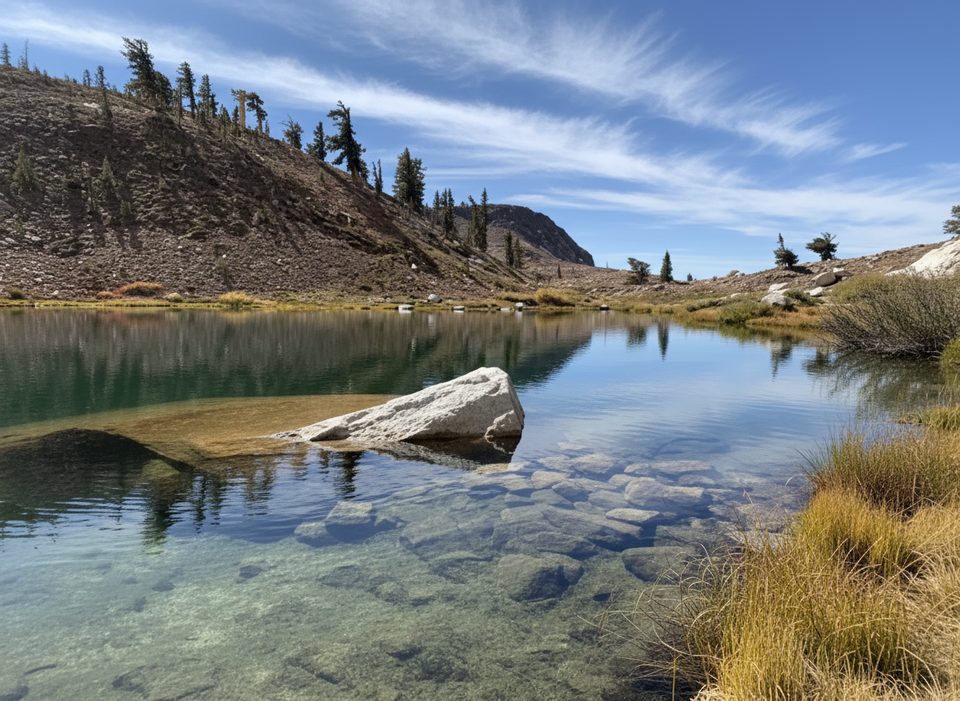
Place · 2 mi away
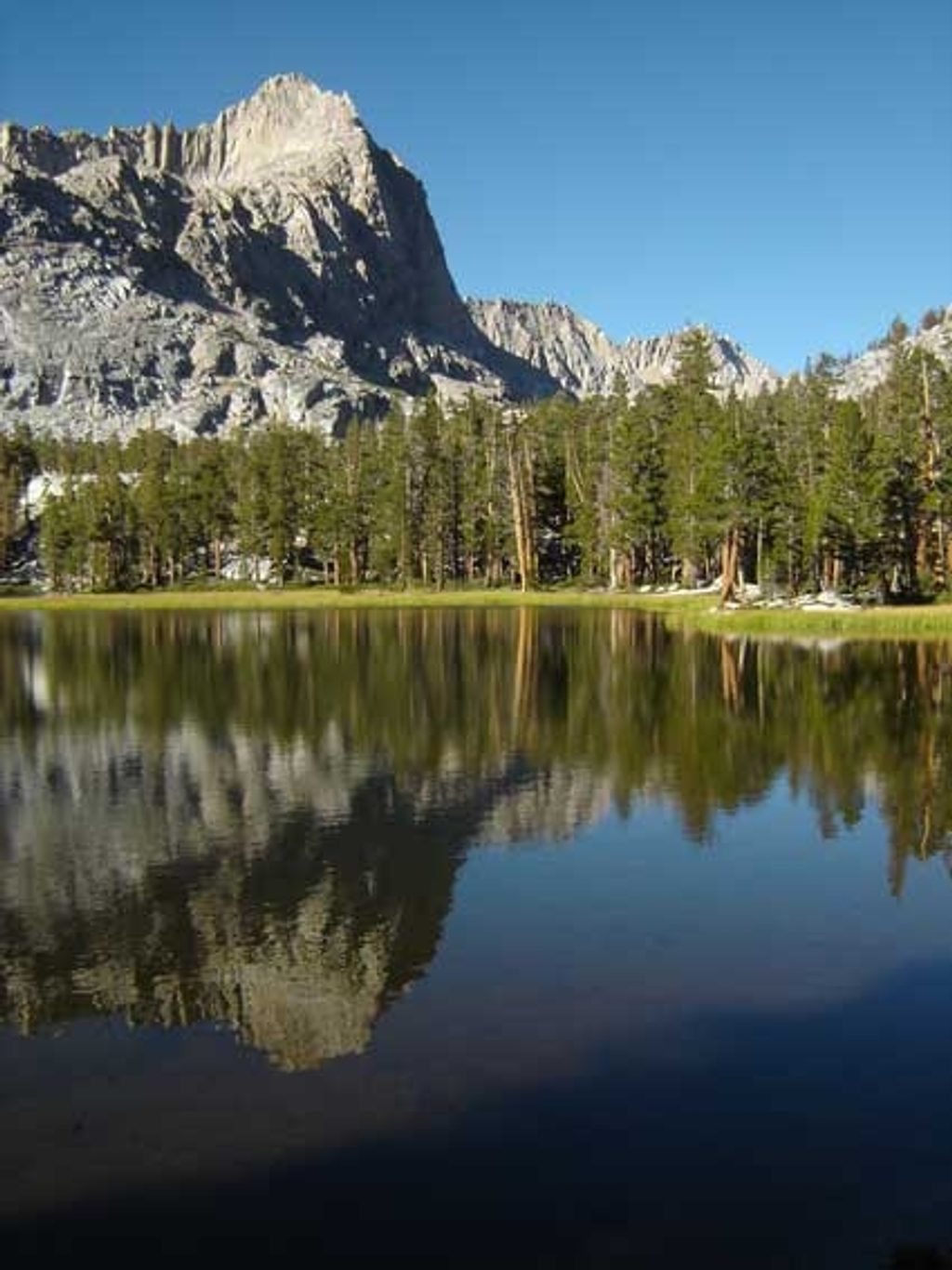
Place · 2 mi away
Place · 2.7 mi away
Challenging · 4.3 mi away
Challenging · 4.3 mi away
Challenging · 4.3 mi away
Challenging · 4.3 mi away

Parkwolf Tour Guide
