
Place · 0.7 mi away
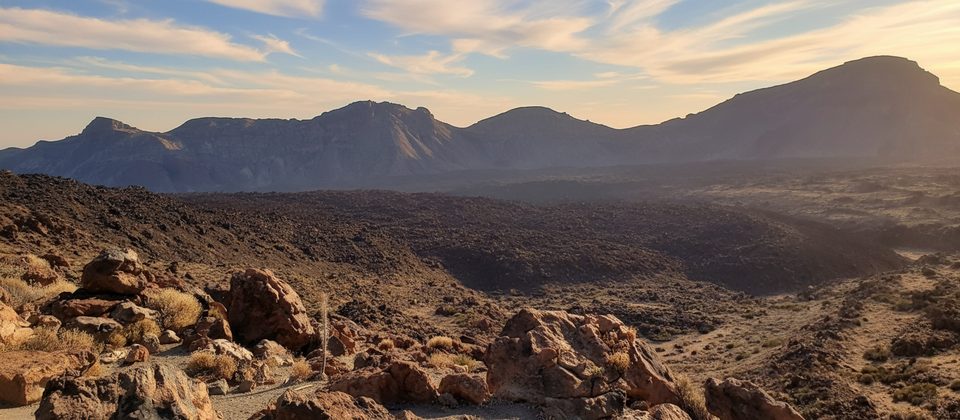
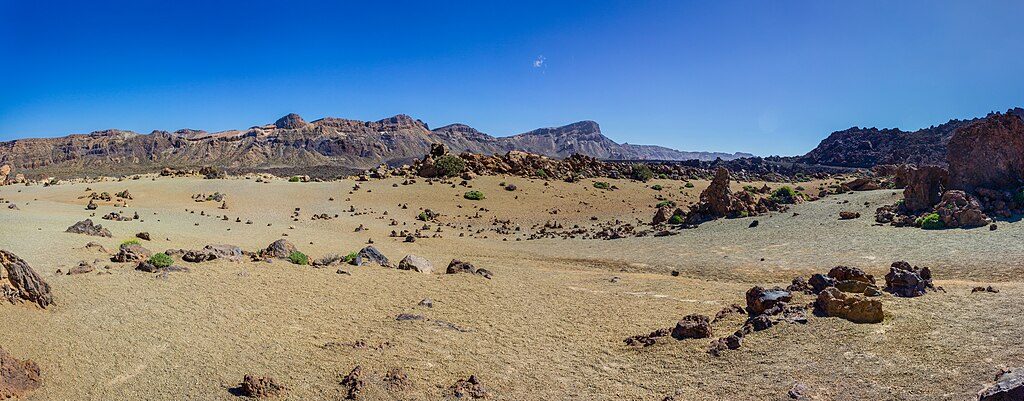
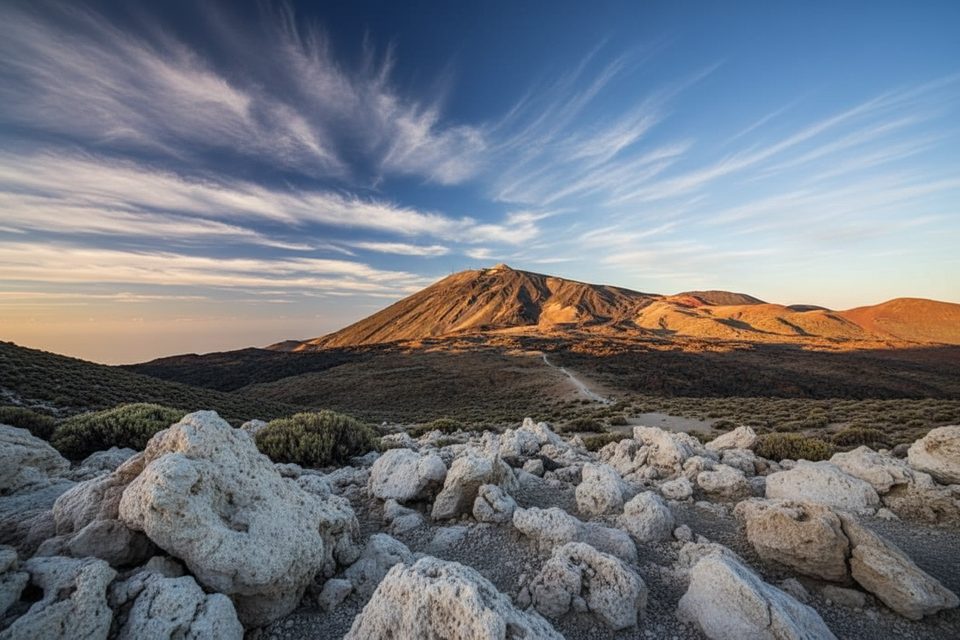
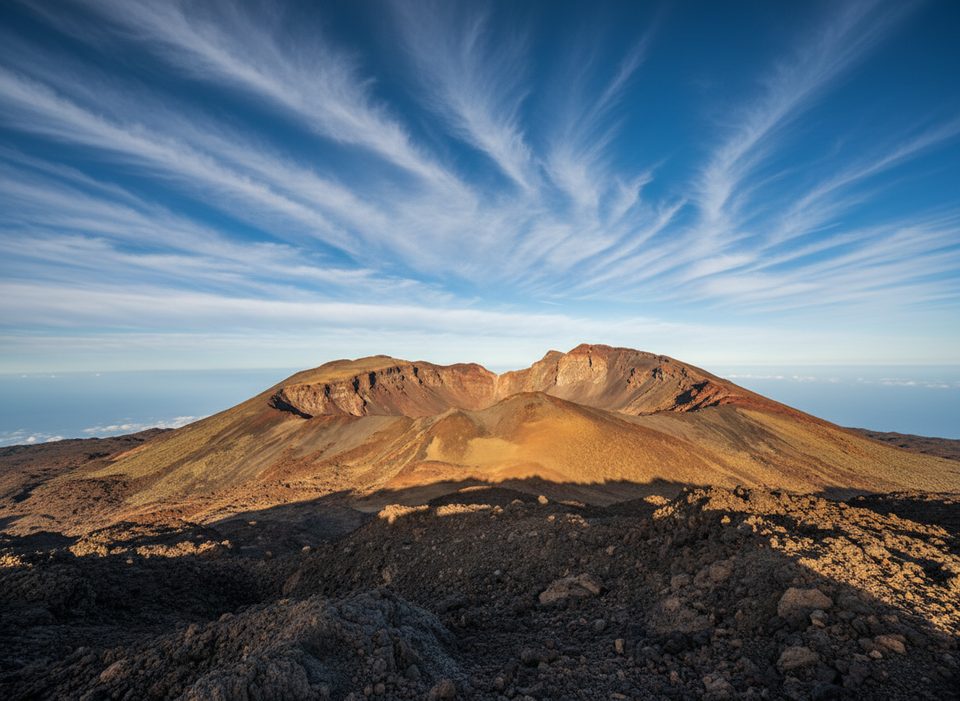
A classic roadside viewpoint on TF‑21, Mirador del Tabonal Negro serves up big‑screen vistas with zero hiking. You’re looking across the Siete Cañadas, up to Mount Teide and Pico Viejo, and over broad, dark basaltic flows—the raw ingredients of this caldera‑wide landscape. The park was declared in 1954 and became a UNESCO World Heritage Site in 2007, but this stop is all about what the volcano has written in stone.
The name nods to the island’s past: “tabona” is a sharp, dark stone once used by the Guanches for cutting tools. Here you can pick out stacked lava layers from different eruptions and wide tabonal (dark) flows that give the area its inky tone. It’s a geology lesson you can read from the guardrail.
Keep an eye out for Tenerife lizards sunning on rocks, kestrels riding the thermals, and high‑elevation specialists like the Teide blue finch. Early or late in the day is when you’re most likely to notice movement.
It’s a signed pull‑off directly on TF‑21 and close to the Teide cable car base area. Expect a small roadside turnout; arrive early on weekends and holidays. There are no services at the mirador itself—plan your stops at the Cable Car base, El Portillo Visitor Center, or the Parador area for facilities.
Work the angles: step along the pull‑off to line up Teide with the foreground flows, and use a moderate zoom to compress the caldera walls. Wind is common—bring layers and a lens cloth.
Stay within the marked areas; don’t trample vegetation, pick flowers, or pocket rocks. The sun hits harder at altitude and it’s often cool or windy—pack water, sun protection, and an extra layer. Leave no trace so the blooms and the views stay spectacular.
Place · 0.7 mi away
Place · 0.9 mi away
Place · 1.1 mi away
Place · 1.4 mi away
Moderate · 0.5 mi away
Challenging · 0.5 mi away
Challenging · 1.5 mi away
Easy · 1.9 mi away

Parkwolf Tour Guide
