Overview
Montaña Blanca is the go-to trailhead for the classic on-foot ascent of Teide. You start on pale pumice slopes, then grind up a long set of switchbacks toward the high station at La Rambleta. It’s big-mountain hiking from the very first step—high, exposed, and unforgettable.
Route at a Glance
- Start: Roadside lot on TF‑21 at km 40.2.
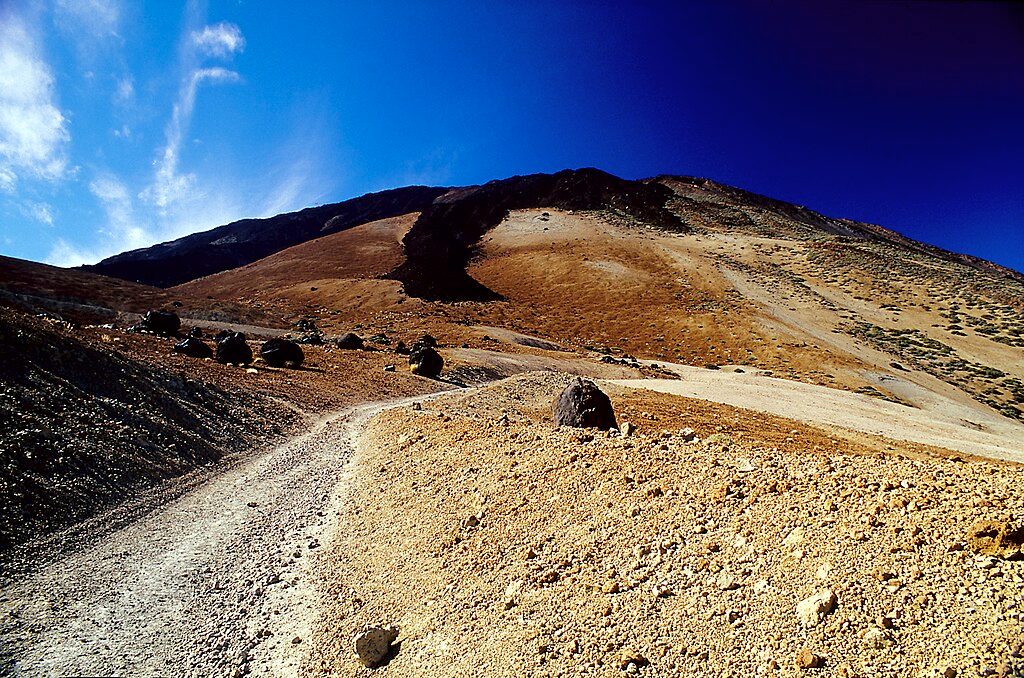
- Terrain: A wide, gently rising pumice/gravel track gives way to steep zigzags.
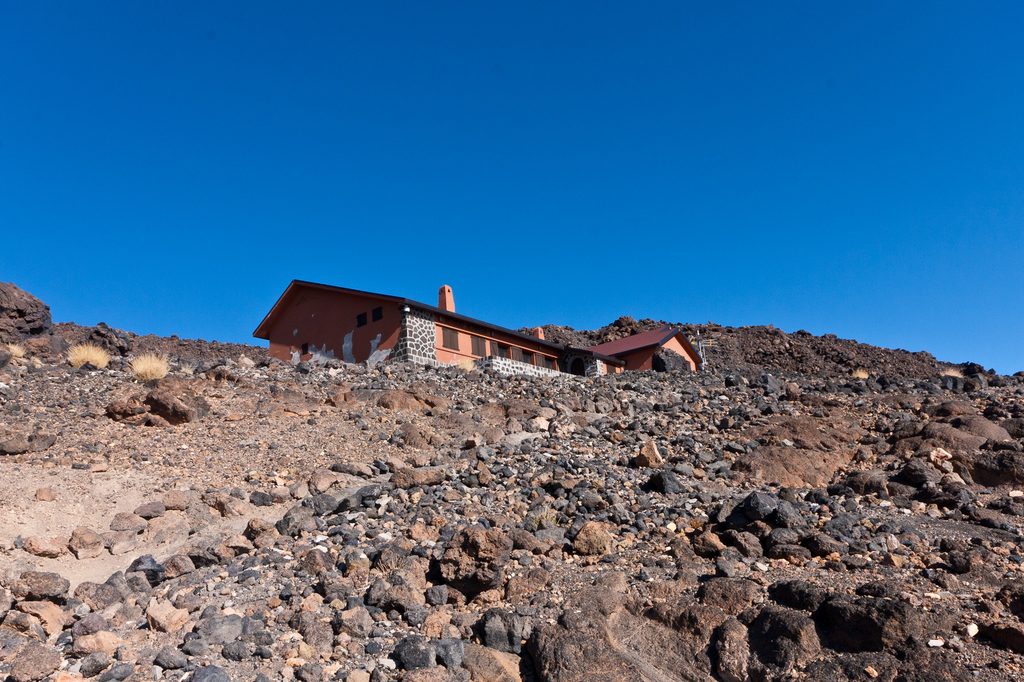
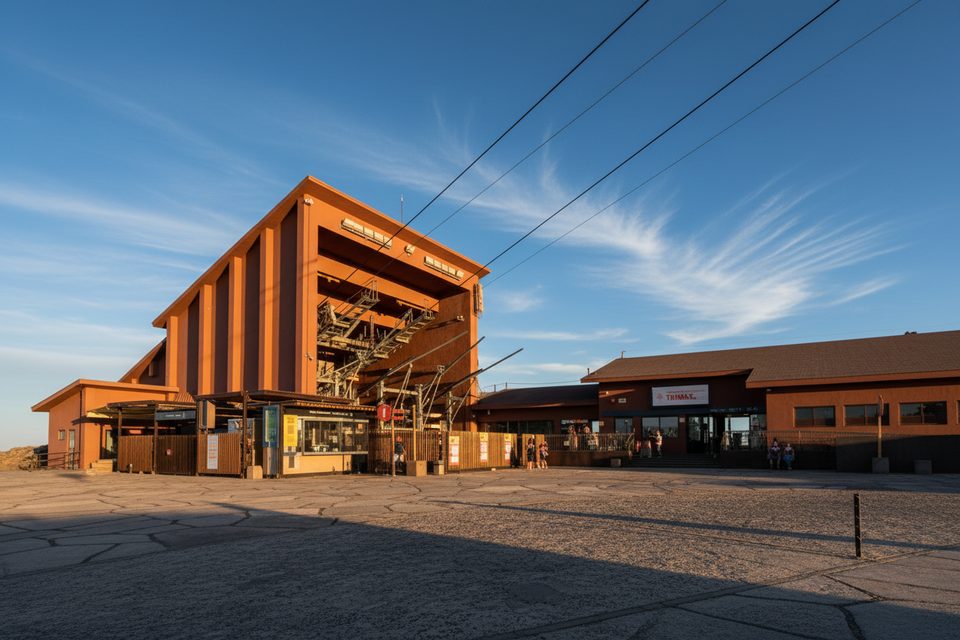
- Landmarks: The closed Altavista Refuge area sits high on the route; above it, you reach La Rambleta (upper cable car station). With a separate summit permit, Trail 10 continues to the very top.
- Time/effort: Expect a strenuous day thanks to altitude and the sustained climb; most hikers budget many hours up and several down if not using the cable car.
Permits and Rules (Know These Before You Go)
- Since November 29, 2024, an authorization is required for the Montaña Blanca–La Rambleta route combination that includes Trail 11. This is separate from the summit permit.
- Summit access from La Rambleta to the top is strictly controlled by a limited, free permit checked at the start of Trail 10.
- If you plan to ride the cable car up but descend on foot, you must already hold the required descent authorization for regulated trails or you can be refused ascent-only service.
- You can only buy a one-way descent ticket at the upper station and only if the cable car is operating; wind closures are common, so always be ready to walk down.
- Camping is not allowed in the park. Bivouacking is allowed only in designated high-altitude zones—including Montaña Blanca—by prior permit.
What You’ll See
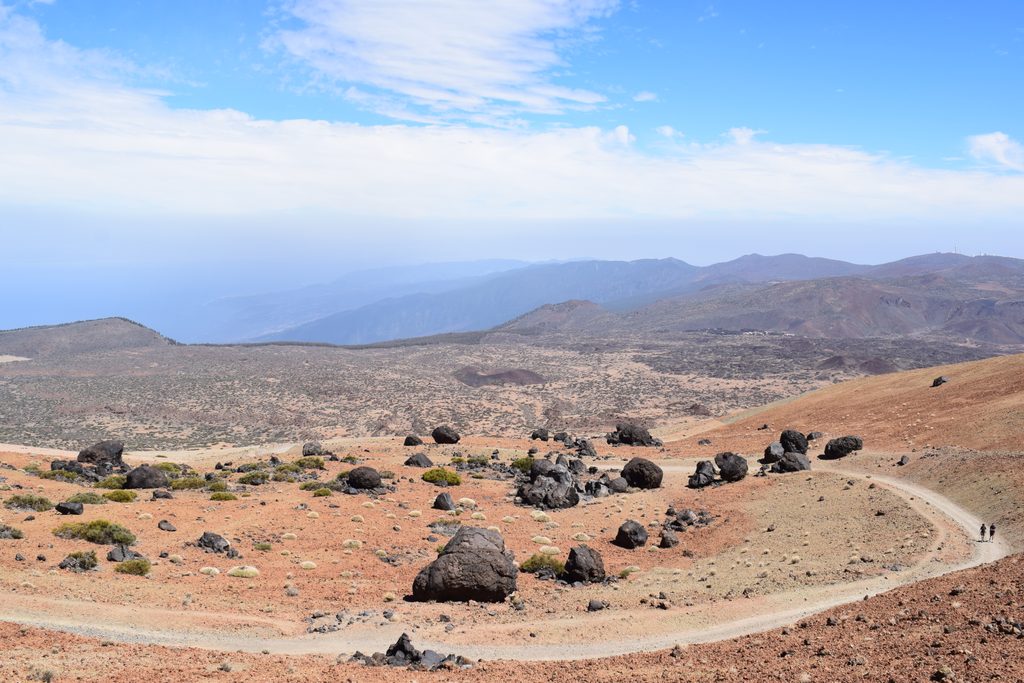
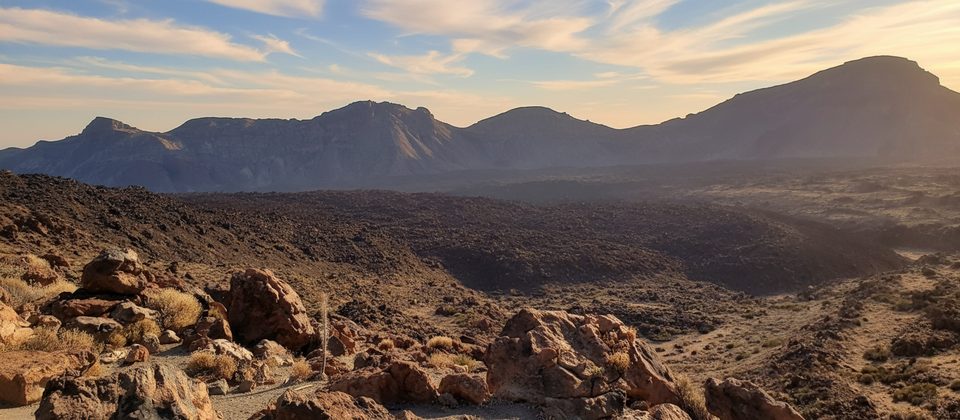
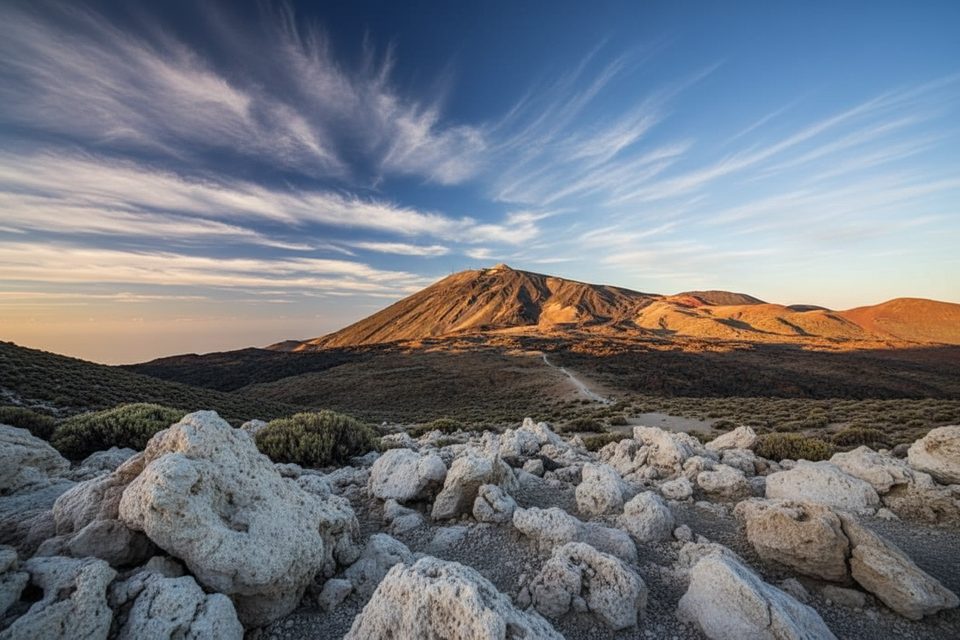
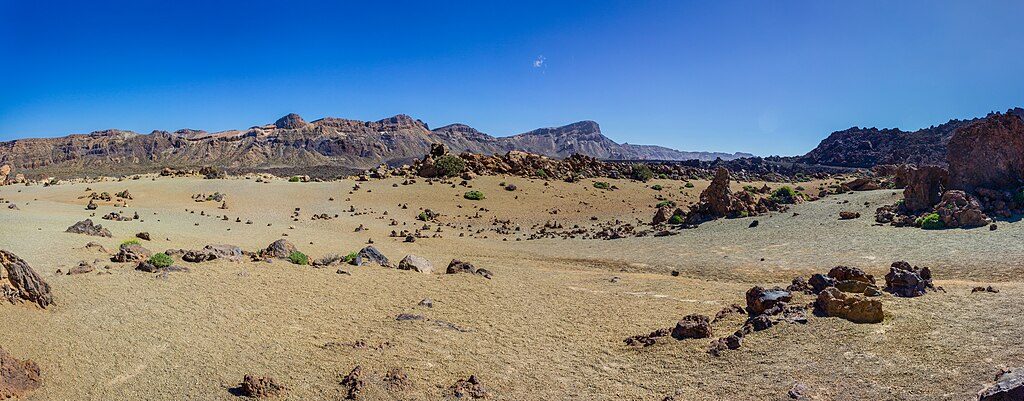
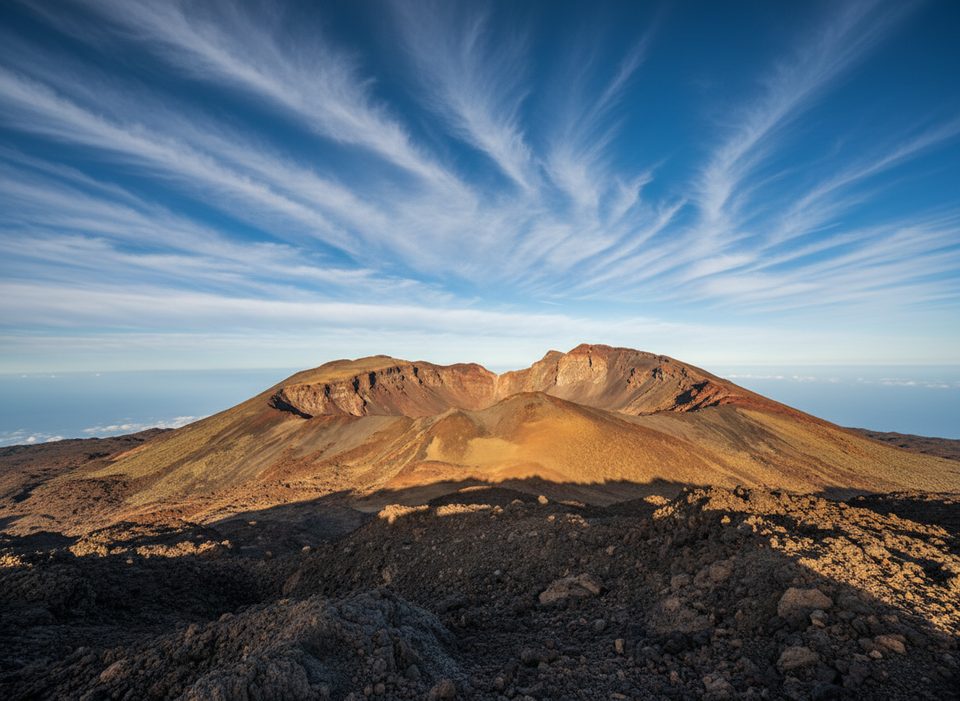
- Striking contrasts between pale pumice slopes and dark red/black volcanic rock higher up.
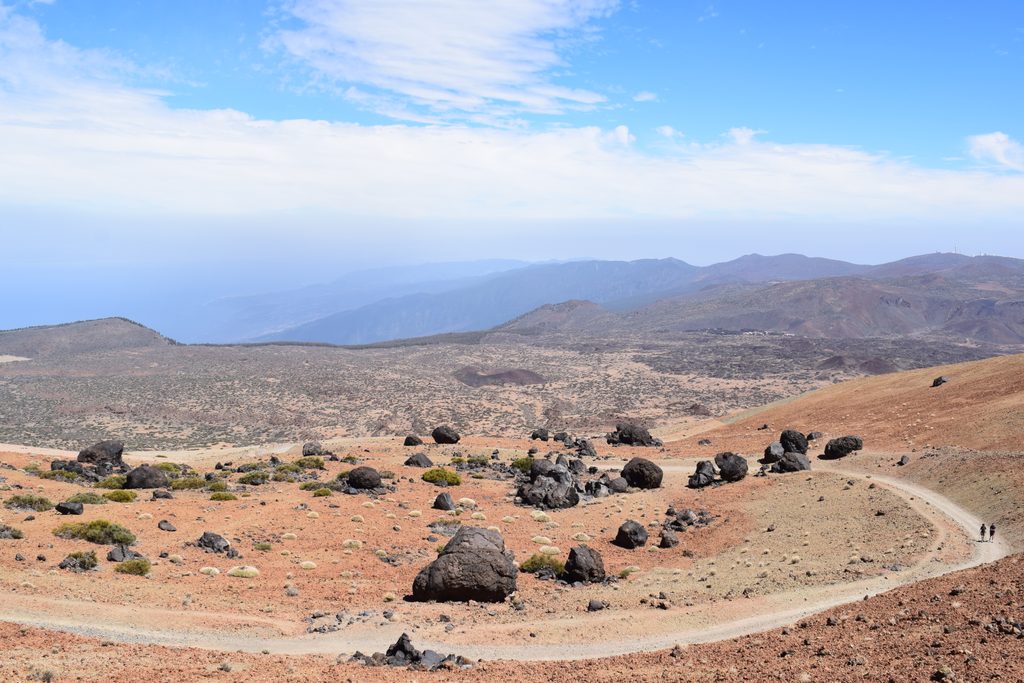
- Scattered “Teide eggs” (accretionary lava balls) near the track.
- Fumaroles and sulfur smells near the upper station and high trails—proof you’re on an active (but dormant) volcano.
Nature Notes
High-altitude flora here is fragile; stay on marked paths. In spring, watch for the rare Teide violet’s brief bloom window.
Facilities and Logistics
- Parking: A small lot at km 40.2 is the standard start and fills quickly.
- Services: No toilets or water at Montaña Blanca; the refuge is closed until further notice. Carry everything you need.
- Food/restrooms nearby: Find them at developed hubs like the cable car base or the Parador area, not at this trailhead.
- Bus access: TITSA lines 342 and 348 stop at “Montaña Blanca,” handy when parking is full.
Weather and Seasonality
Weather above 3,000 m changes fast. Expect strong wind, intense UV, and temperatures far colder than the coast. The cable car often halts in wind or icing. Spring through autumn generally offer more stable footing; winter can bring snow and ice.
Best Time to Visit
Start before dawn for cooler temps, easier parking, and headroom for permits and weather surprises. Morning light is kinder on the pumice slopes, and earlier starts help avoid the worst heat and wind later in the day.
Difficulty and Safety
This is a high-altitude, strenuous climb. Altitude effects are common—pace yourself, hydrate, and turn around if symptoms worsen. The upper section is steep, and sulfur fumes can be noticeable near the summit route.
Gear Checklist
Grippy boots, trekking poles, layers with a windproof shell, hat/gloves; high‑SPF sunscreen, sunglasses, lip balm; 2–3 liters of water per person and salty snacks; headlamp for pre‑dawn starts; offline map/GPS; permits and ID.