Place · 0.4 mi away

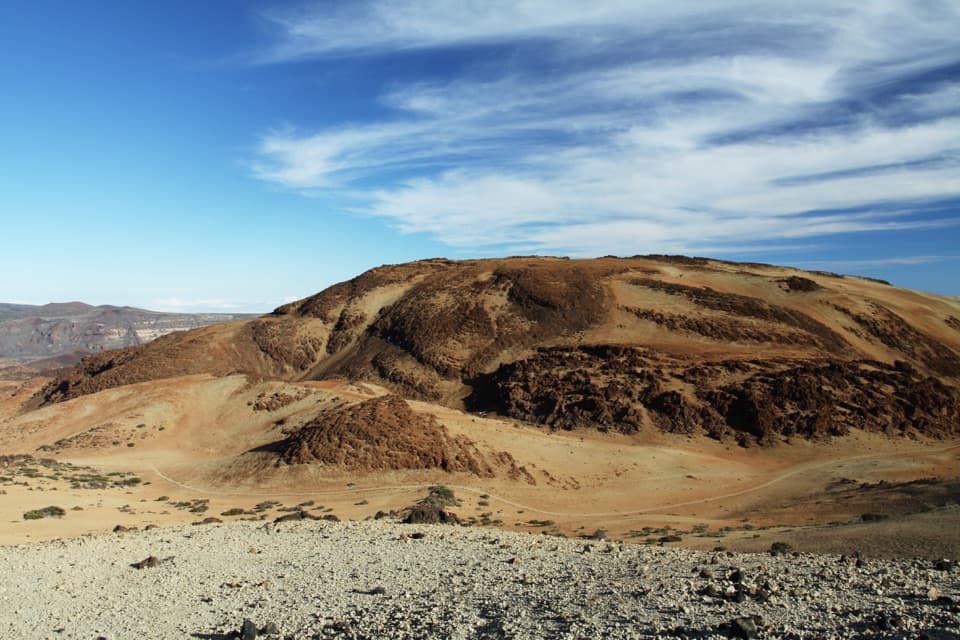
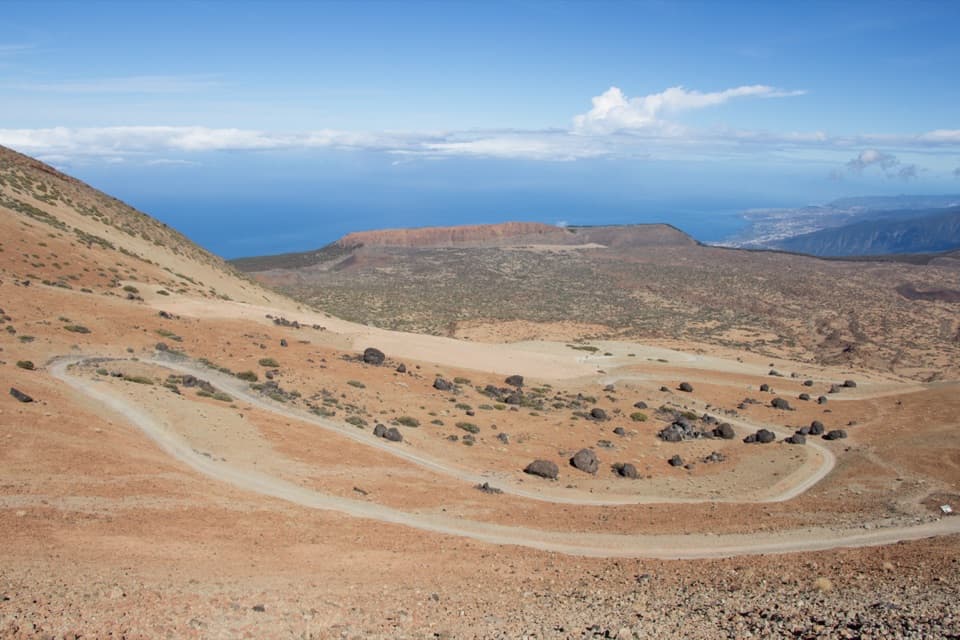
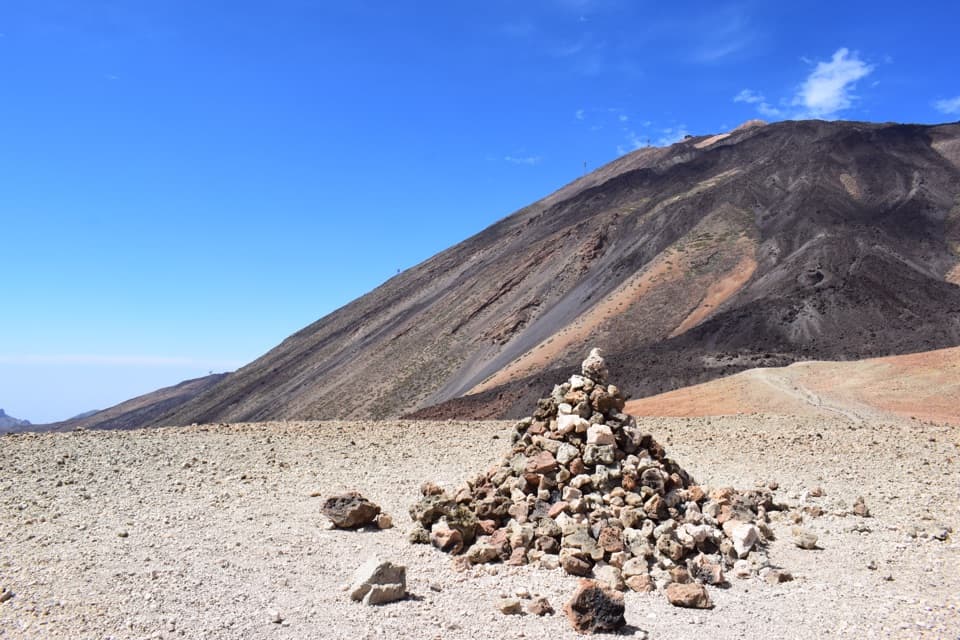
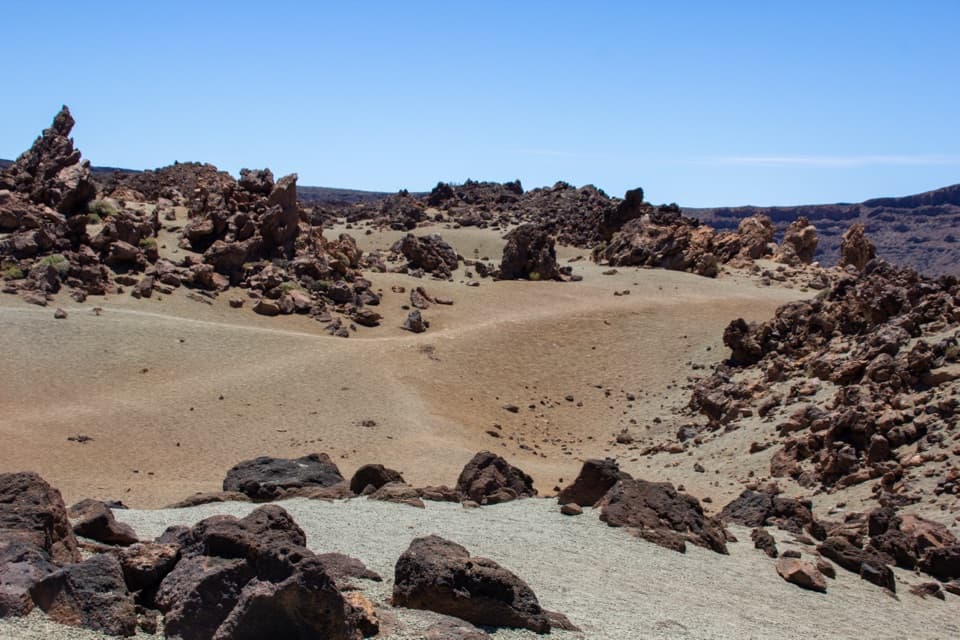
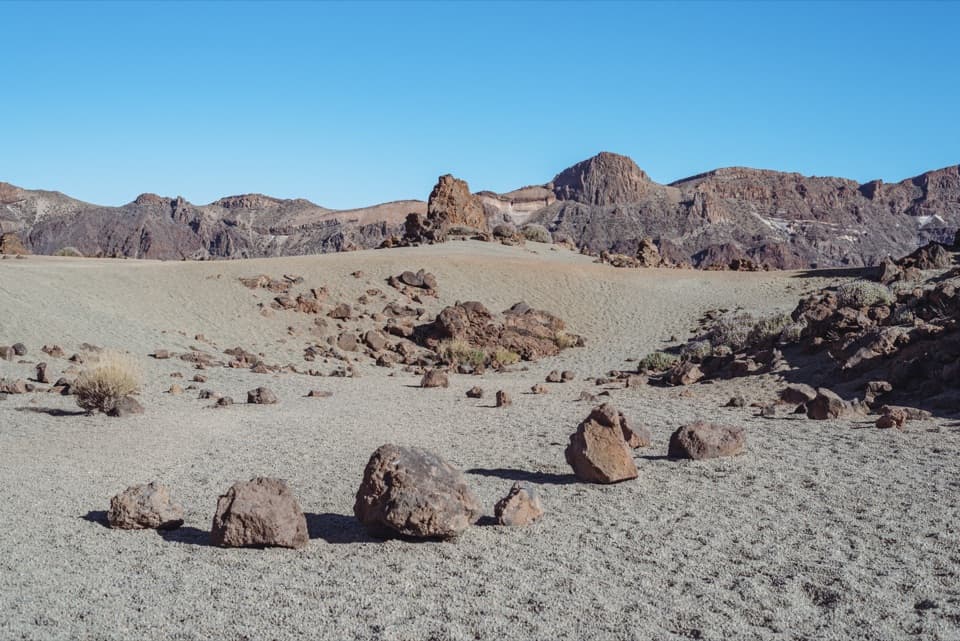
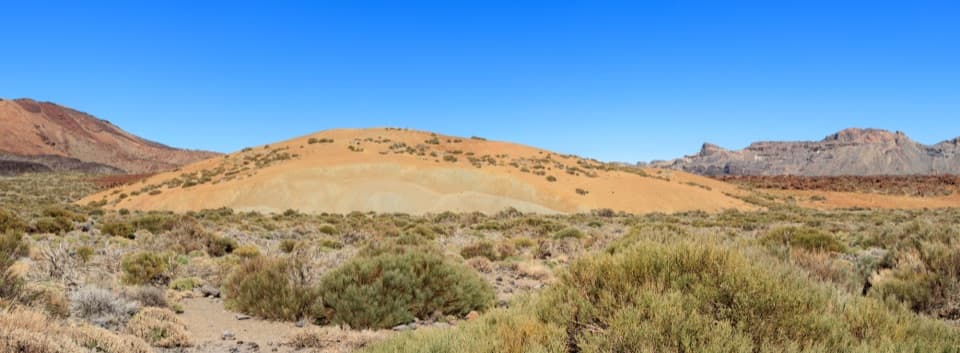
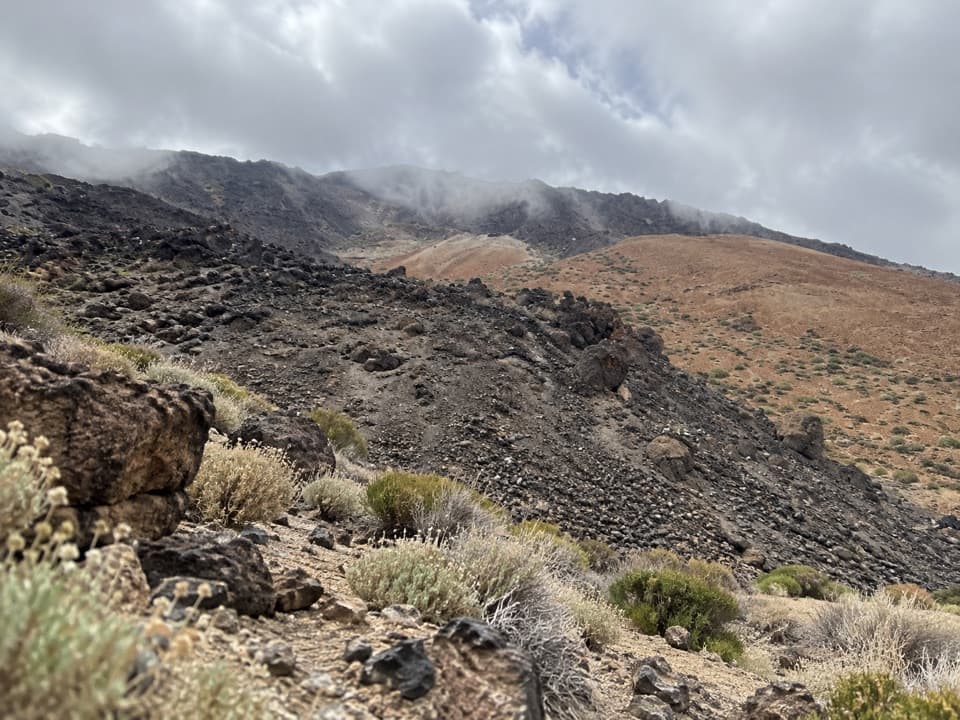
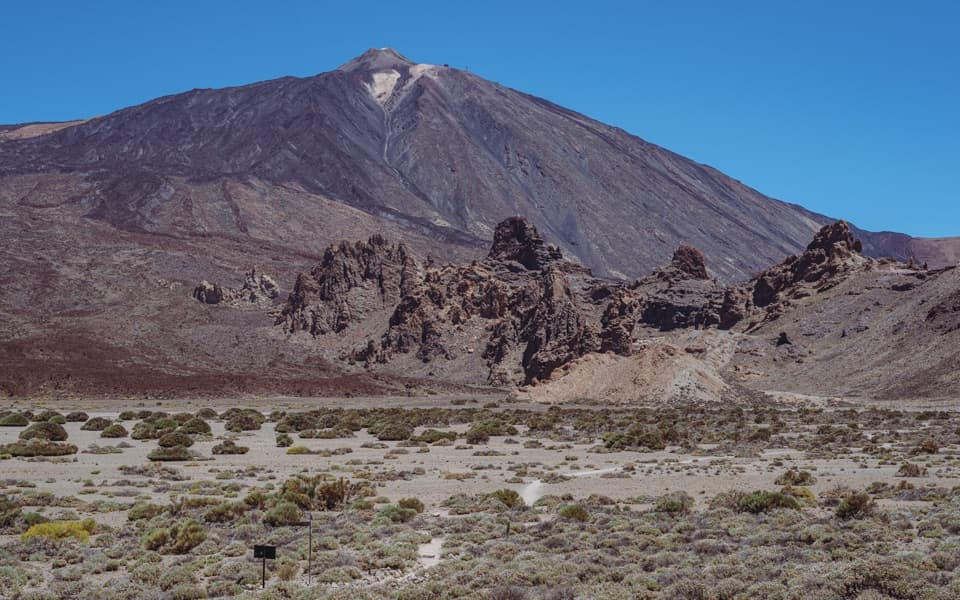
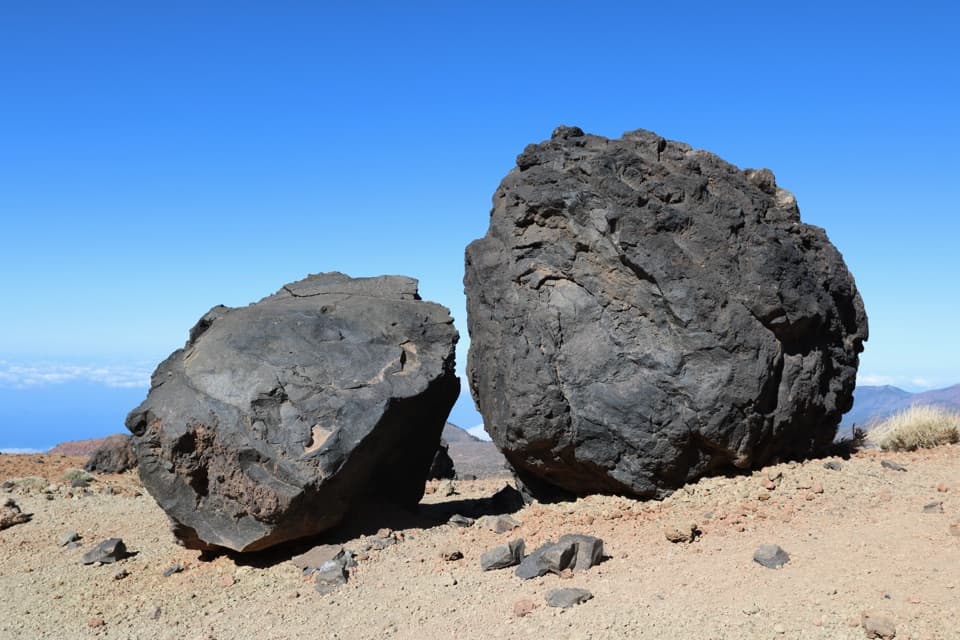
Huevos del Teide are near‑spherical volcanic boulders—classic accretionary lava balls—strewn across the pale pumice slopes of Montaña Blanca. They formed as semi‑solid chunks tumbled downhill during past eruptions, picking up layers and rounding into “eggs.” It’s a quirky, science‑class‑come‑to‑life stop inside a UNESCO‑listed volcanic landscape.
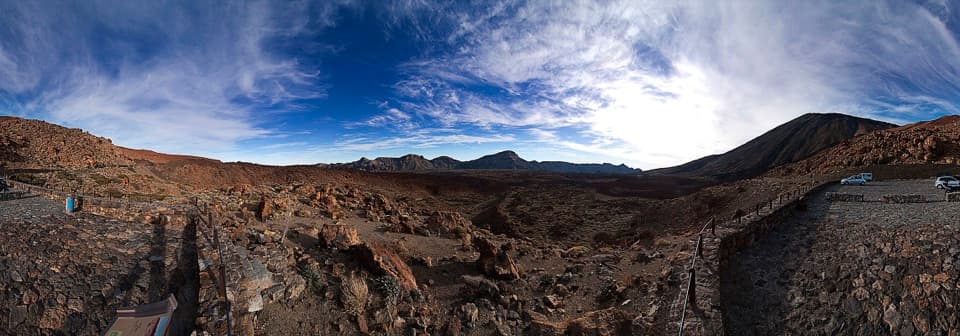
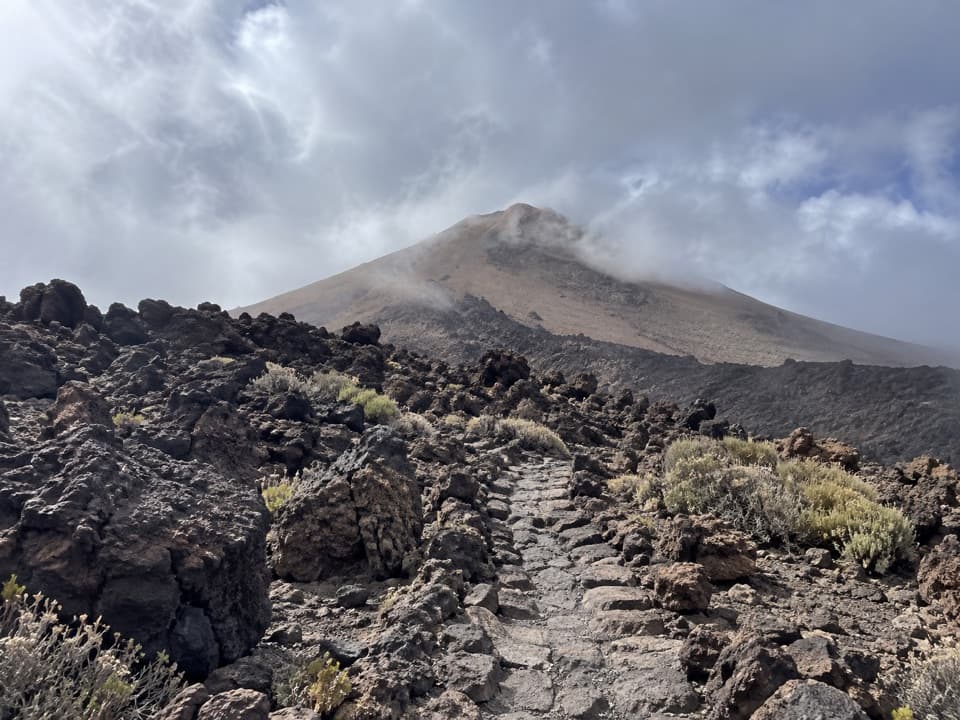
The best-known cluster lies along the Montaña Blanca trail (Sendero 7) that climbs from TF‑21 toward Teide. You encounter the Huevos area before the steep zigzags to Altavista/La Rambleta, roughly an hour or so after starting. You can also spot some from pull‑offs on TF‑21 across the Minas de San José pumice fields, but the trail gets you up close.
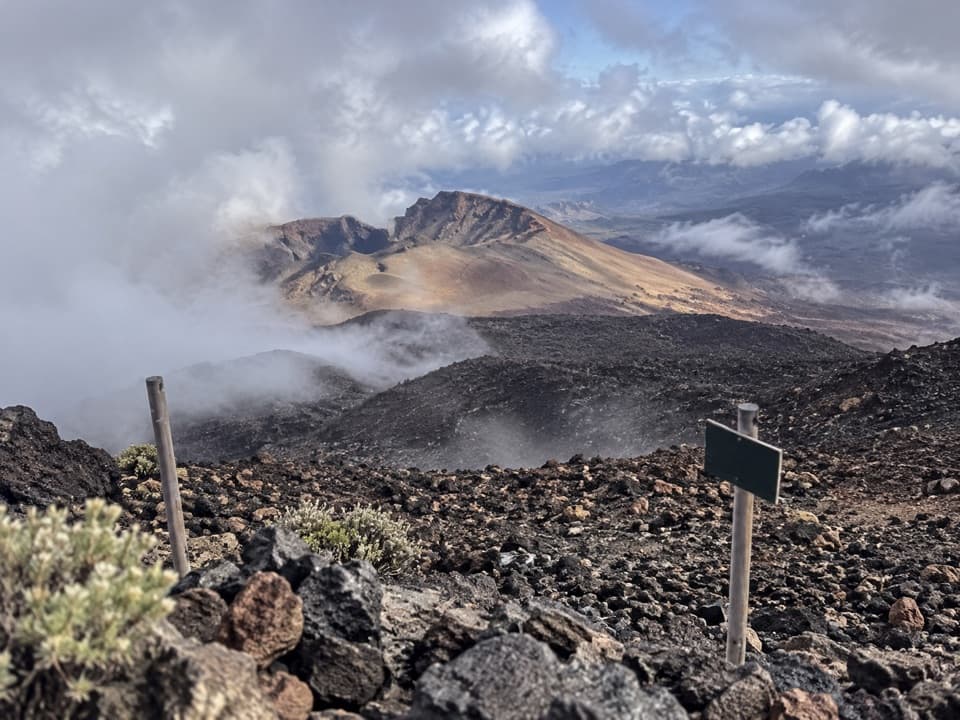
Expect high elevation and exposure (roughly 2,300–3,000 m): very strong sun, low humidity, and wind. In winter, snow or ice can linger on the track. Bring 2–3 liters of water per person, sun protection, and layers. Stay on marked paths, don’t climb the boulders, and leave rocks and plants where they are. As with the rest of the park, don’t leave valuables in your car.
No permit is required to hike to the Huevos. A free permit is only needed for the final summit footpath (Telesforo Bravo), which is far above this area.
Go early or late: low sun makes the charcoal‑black boulders pop against the blonde pumice. A wide‑angle lens with a person for scale works great; a short telephoto can compress the field of boulders against darker lava flows. Windy days often mean crystal‑clear views above the cloud inversion.
Aim for early morning or late afternoon to nab a parking spot at Montaña Blanca and to catch the most flattering light. Midday brings harsher light and the biggest parking crunch. Before setting out, check the official park information for weather, closures, and cable car status.
If you love geology or unusual landscapes, absolutely. It’s a short, low‑commitment add‑on that feels surprisingly otherworldly, and it’s easy to fold into a longer Montaña Blanca/Teide day.