Overview
About Kata Tjuṯa
Why stop
- The accessible dune lookout gives the full formation view without a hike.
- Two very different walks range from an hour to a half-day outing.
Heads up
- No toilets are listed at the dune viewpoint or either walk.
- Valley of the Winds is rocky and can be cut short by high heat.
Map
Where it is

The highest, rockiest slopes around here are a summer buffet for grizzly bears.
Uluru-Kata Tjuta Tour Guide
Your drive to Kata Tjuṯa, narrated.
Parkwolf is a GPS audio tour guide for Uluru-Kata Tjuta National Park. As you drive, it chimes in with what’s ahead: hidden gems, upcoming stops, history, geology, and wildlife, right through your car’s speakers.
See the Uluru-Kata Tjuta audio tourRecorded for this place
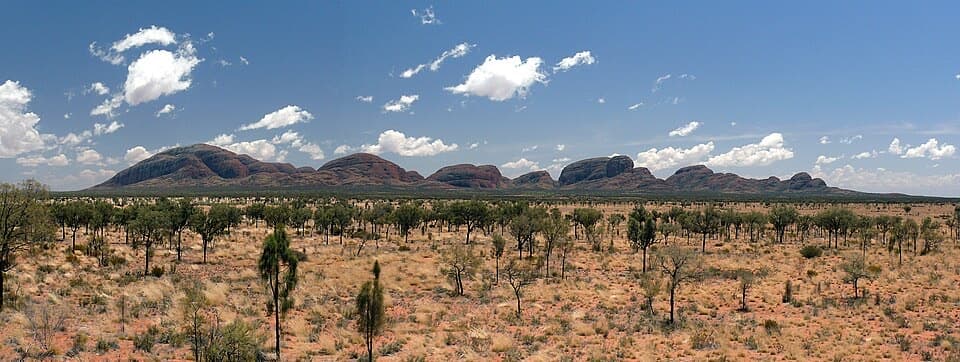
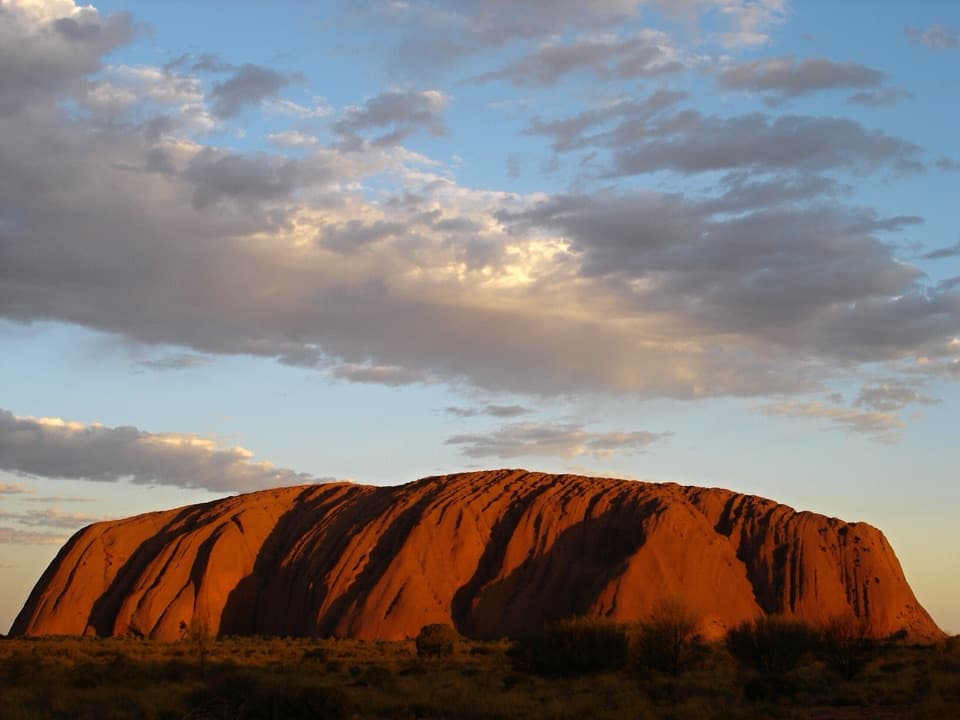
Kata Tjuṯa Dune Viewing Area: The Panorama“The Kata Tjuṯa Dune Viewing Area is coming up. Stop here for the whole sweep of the domes, with Uluṟu on the distant horizon.”
Plays as you drive up to Kata Tjuṯa in the Parkwolf Uluru-Kata Tjuta Tour Guide.
More stories near here in the app
- Glue from Grass
- Shrimp Waiting for Rain
- Uluṟu's Layers Turned Upright
- Mulga Makes the Rain Count
- 40 audio storiesacross Uluru-Kata Tjuta’s roads, triggered by GPS as you drive
- Wildlife heatmapsfor Dromedary Camel, Black-breasted Kite, Brown Falcon, and 13 more
- Works offlinemaps, 15 trails, 28 places, and audio download before you lose signal
- CarPlay readysimple controls built for the drive
“Fantastic app with many points of information… It’s great to just turn on while you’re driving and it gives you an audio tour of the national Park. We love it!!!!”


Guide
More about Kata Tjuṯa
A landscape rather than a peakKata Tjuṯa is a group of 36 rounded conglomerate domes covering more than 20 square kilometres…
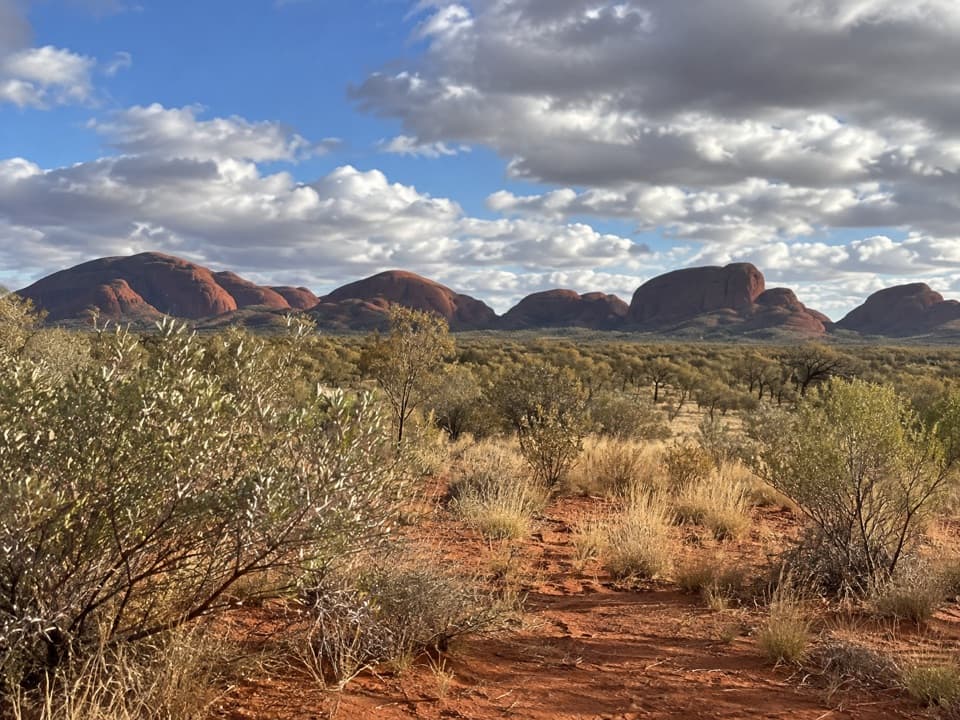
Kata Tjuṯa is a group of 36 rounded conglomerate domes covering more than 20 square kilometres and rising as high as 546 metres above the plain. This is a broad landscape, not one summit to climb: start with the easy panorama, then choose a walk if you want to get among the domes.
Take in the panoramaThe Dune Viewing Area is a short, accessible stroll to a wide view across the domes and grassy…
The Dune Viewing Area is a short, accessible stroll to a wide view across the domes and grassy valleys, with Uluṟu visible on the horizon. It is about a 35-minute drive from Yulara. Sunrise can be busy; sunset is usually quieter. For a photo, include at least five domes. Their faces can fall into shadow around sunrise and sunset, which gives the long line of peaks its shape.
Walk Waḻpa GorgeWaḻpa Gorge is a 2.
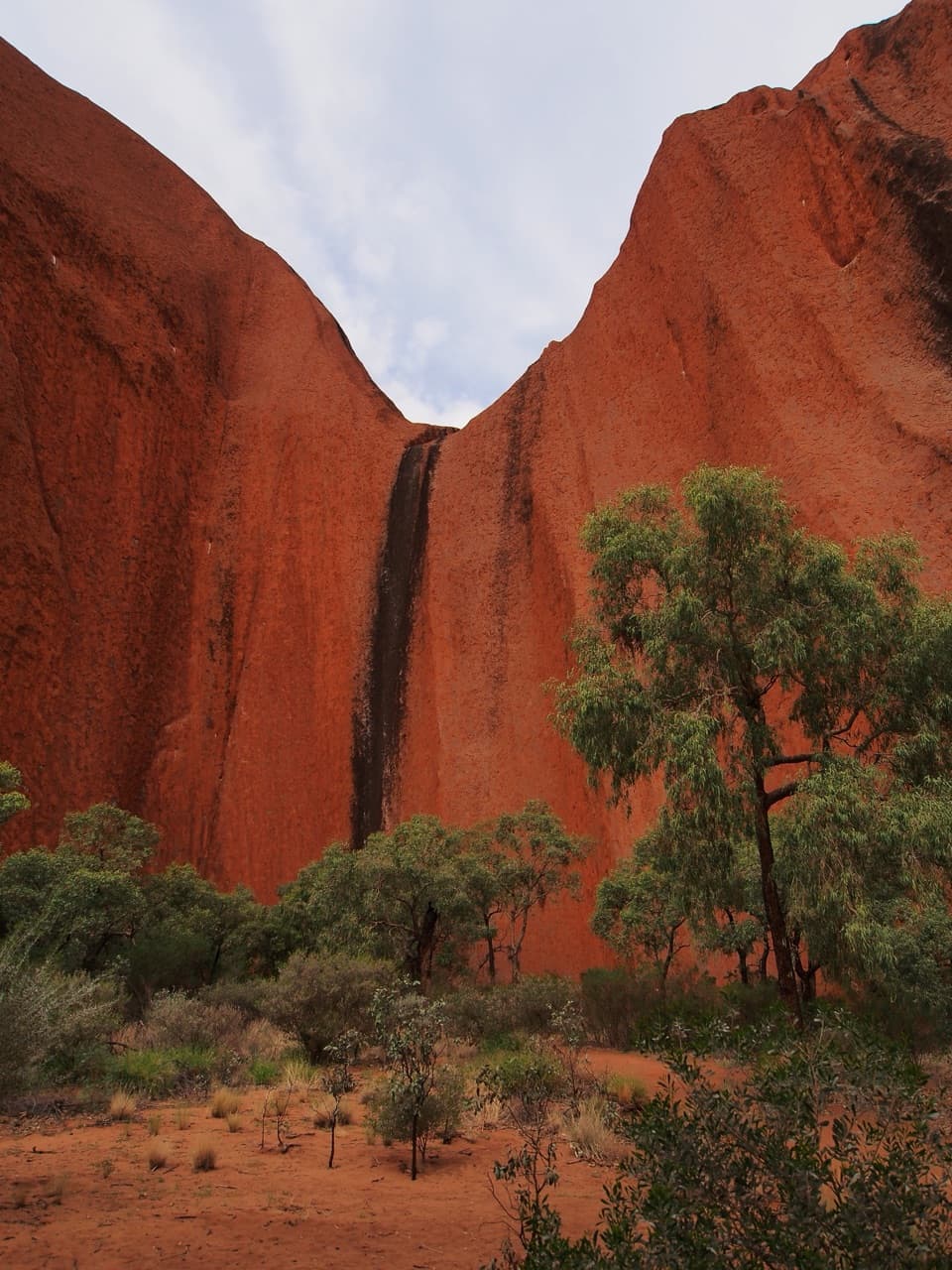
Waḻpa Gorge is a 2.6-kilometre return walk, about an hour on a gently rising, rocky track between two of the largest domes. It follows a seasonal stream to a grove of spearwood. The walk is Grade 3 and not wheelchair accessible; water is listed, but there are no toilets. Wallaroos sometimes shelter in the gorge, and pink daisies may flower near the entrance in late winter. If you photograph the gorge, Aṉangu ask that both sides remain in the frame.
Take on Valley of the WindsThe full Valley of the Winds circuit is a 7.
The full Valley of the Winds circuit is a 7.4-kilometre, Grade 4 loop with two lookouts; allow three to four hours. Expect steep, rough and rocky sections. For a shorter out-and-back, Karu Lookout is 2.2 kilometres return, while Karingaṉa Lookout is 5.4 kilometres return. Water is listed at the track start and halfway, but there are no toilets.
Plan around the heatOn days when the forecast or actual temperature reaches 36°C, the route beyond Karu Lookout…
On days when the forecast or actual temperature reaches 36°C, the route beyond Karu Lookout closes from 11 a.m. Start early, wear sturdy shoes, and carry sun and fly protection. The park is open year-round, with the coolest months from May through September; a park pass is required. No food service is identified at the viewpoints or trailheads, so bring snacks for the walks.
How the domes formedAbout 550 million years ago, erosion from the Petermann Ranges spread a huge fan of rock and…
About 550 million years ago, erosion from the Petermann Ranges spread a huge fan of rock and boulders. Later burial under sea-floor sand and mud cemented it into conglomerate. Tectonic movement tilted the formation, and erosion over the last 300 million years exposed the domes. Their pebbles and boulders include granite and basalt.
A name with two historiesKata Tjuṯa means “many heads” in Pitjantjatjara.
Kata Tjuṯa means “many heads” in Pitjantjatjara. Aṉangu have lived in this country for at least 30,000 years and jointly manage the park with Parks Australia. The cultural knowledge connected to the domes is not shared with visitors; walk quietly and stay on the tracks. In 1872, Ernest Giles named the largest dome Mount Olga after Queen Olga of Württemberg. The land title was returned to Aṉangu in 1985.
Respect the photography requestsAṉangu ask visitors not to photograph the domes along the Valley of the Winds walk; close views…
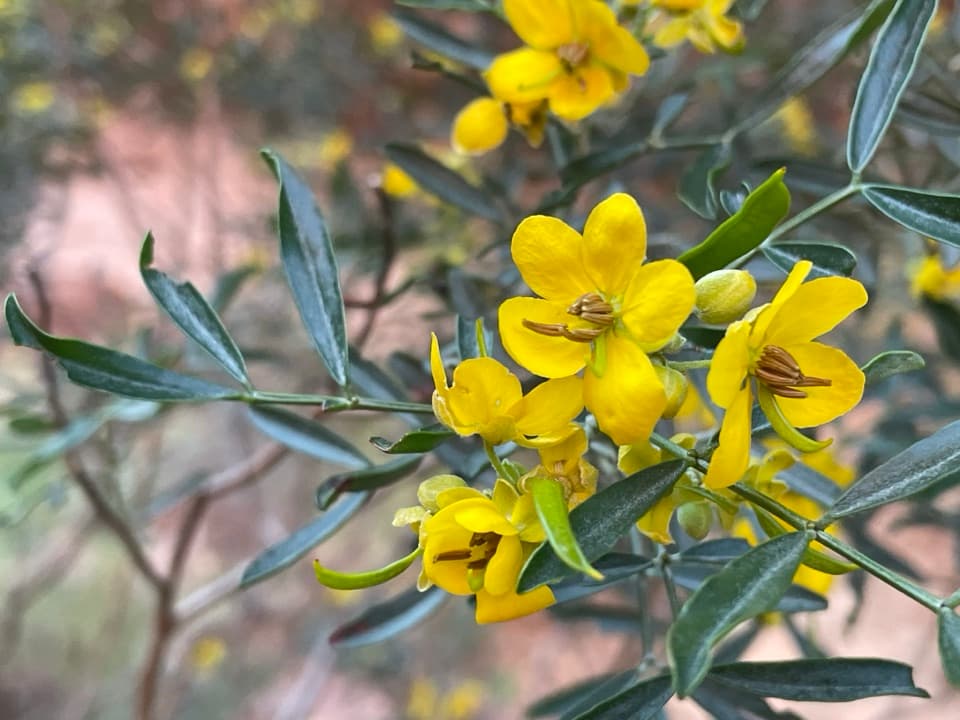
Aṉangu ask visitors not to photograph the domes along the Valley of the Winds walk; close views of plants and wildlife are allowed. At Waḻpa Gorge, keep both sides in the frame. Use the designated viewing areas for the broad formation photos, and leave out signposted sensitive places.
Wildlife
Wildlife in Uluru-Kata Tjuta
 32 sightingsDromedary CamelMost seen around 6 PMSighting map
 14 sightingsBlack-breasted KiteMost seen around 10 AMSighting map
 27 sightingsBrown FalconMost seen around 7 AMSighting map
 11 sightingsWestern Brown SnakeMost seen around 9 AMSighting map
 32 sightingsMain's FrogMost seen around 7 PMSighting map
 17 sightingsRed-backed KingfisherMost seen around 7 AMSighting map
Sighting maps show where each species has been reported across Uluru-Kata Tjuta. Wildlife moves, so no sighting is guaranteed.