Walpa Gorge

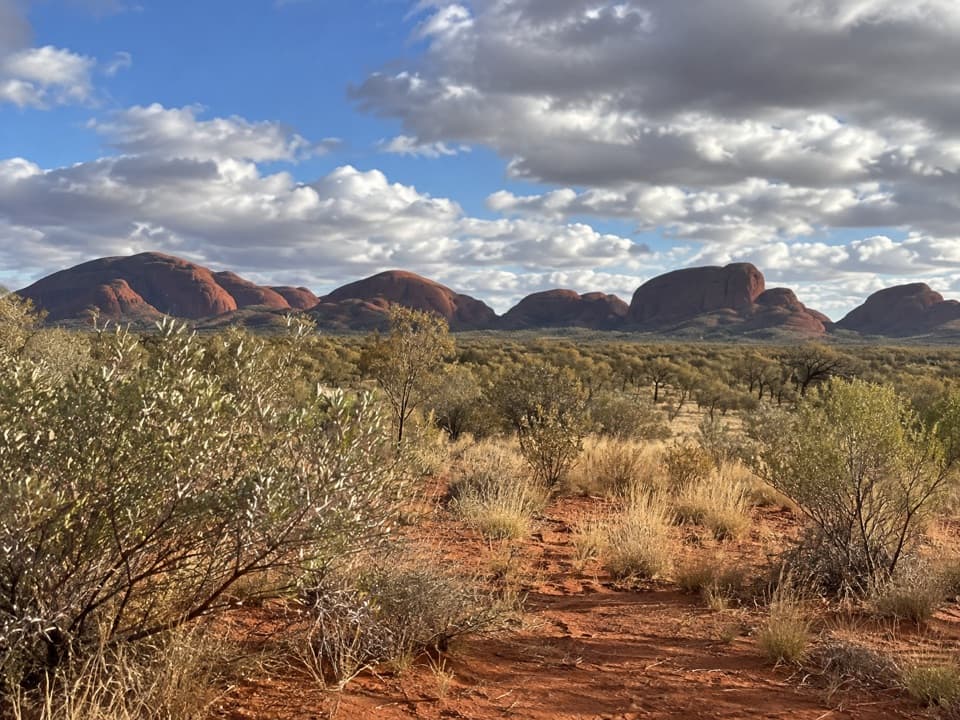
Wind-cooled stroll between Kata Tjuta’s towering red domes
Walpa Gorge, Uluru-Kata Tjuta National Park
InsideUluru-Kata Tjuta National Park

Overview

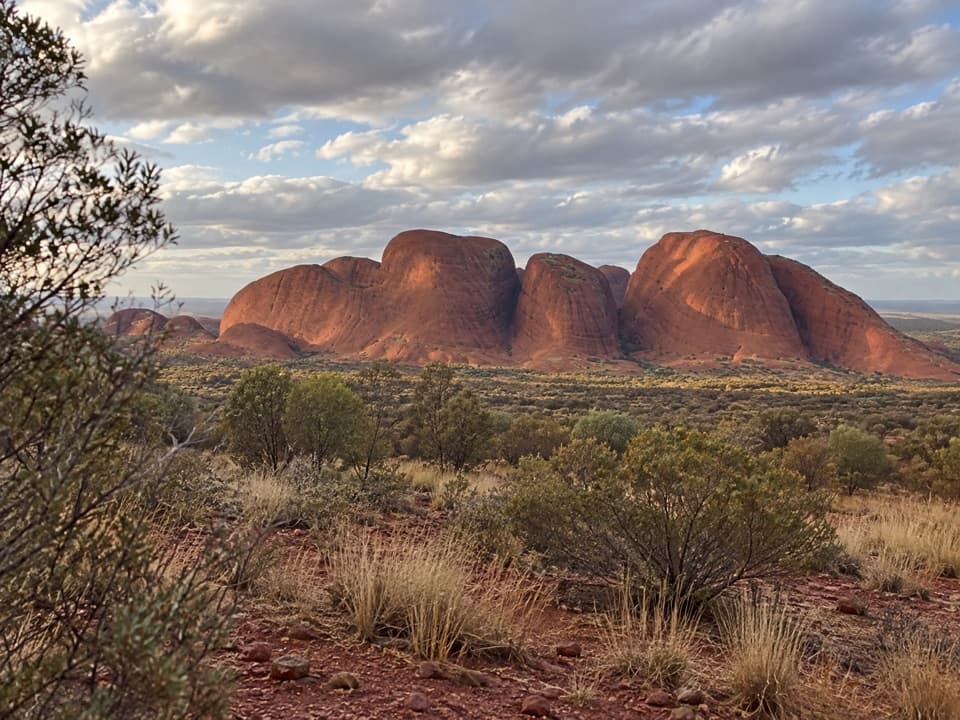
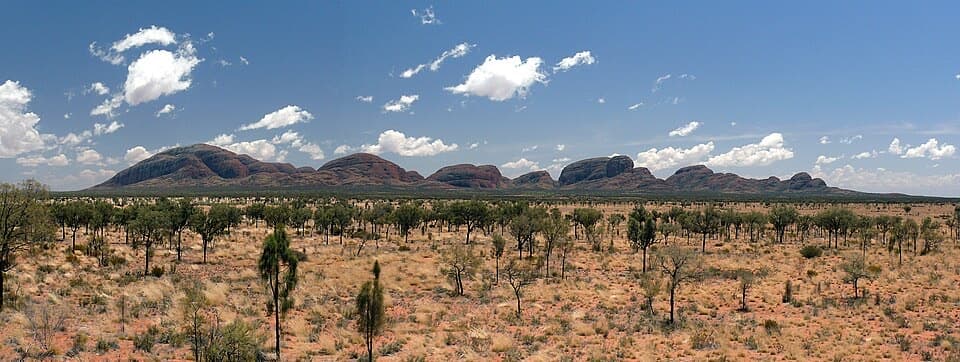
Walpa means “wind,” and you’ll feel it the moment the gorge funnels a cool breeze between Kata Tjuta’s tallest domes. This is a quick out‑and‑back (about 2.6 km, allow 1–1.5 hours) that trades big elevation for big atmosphere—towering walls, shifting light, and a surprising sense of refuge in the desert.

What You’ll See

  • A rocky path that gently rises to a seasonal stream and a grove of spearwood at the turnaround.
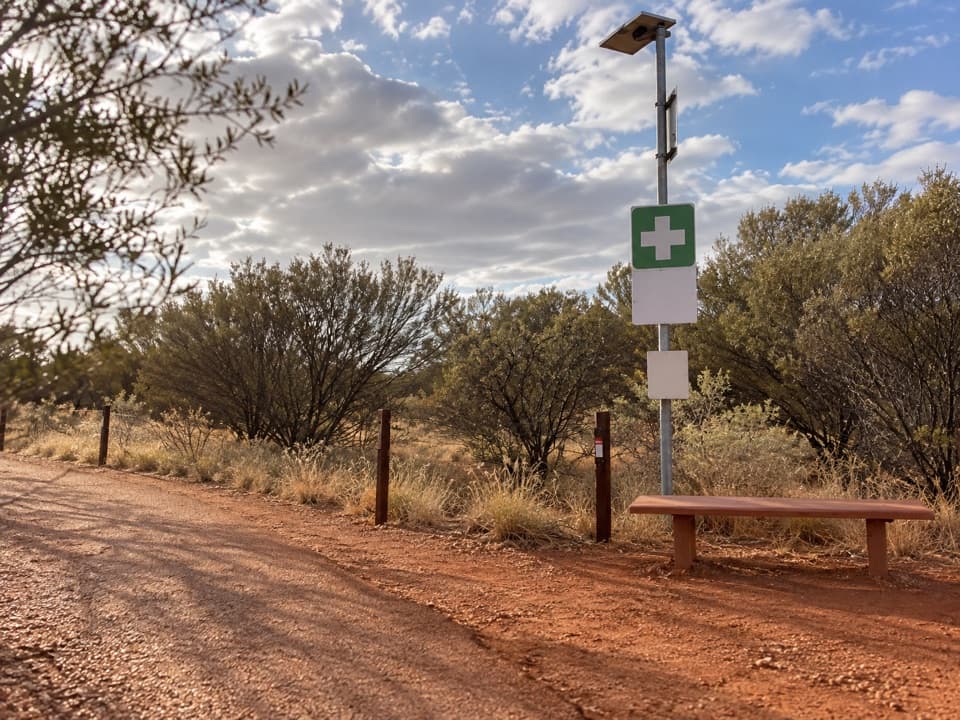
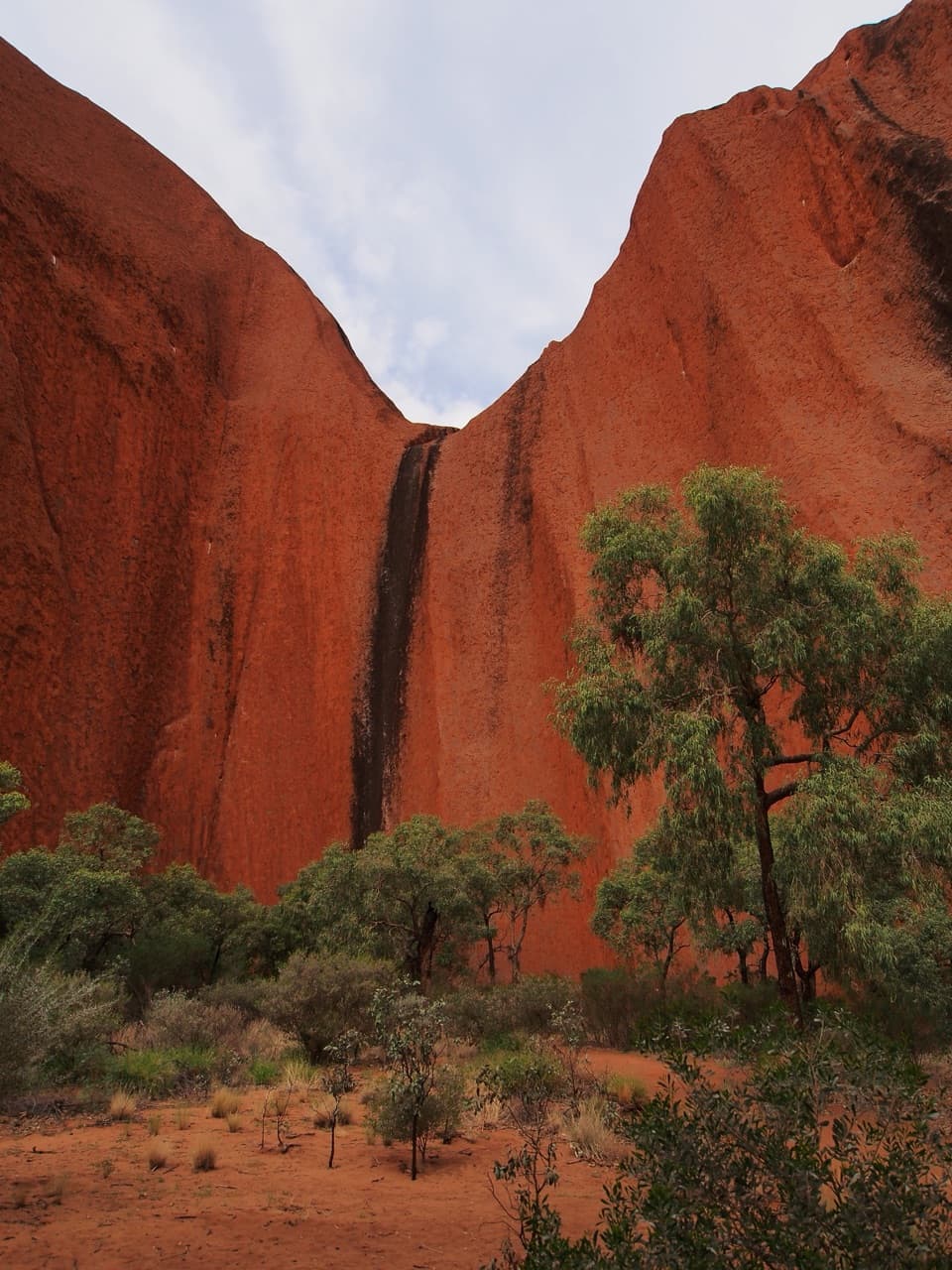
  • Massive red conglomerate cliffs closing in as you go; benches near the end invite you to sit quietly and watch the colors deepen.
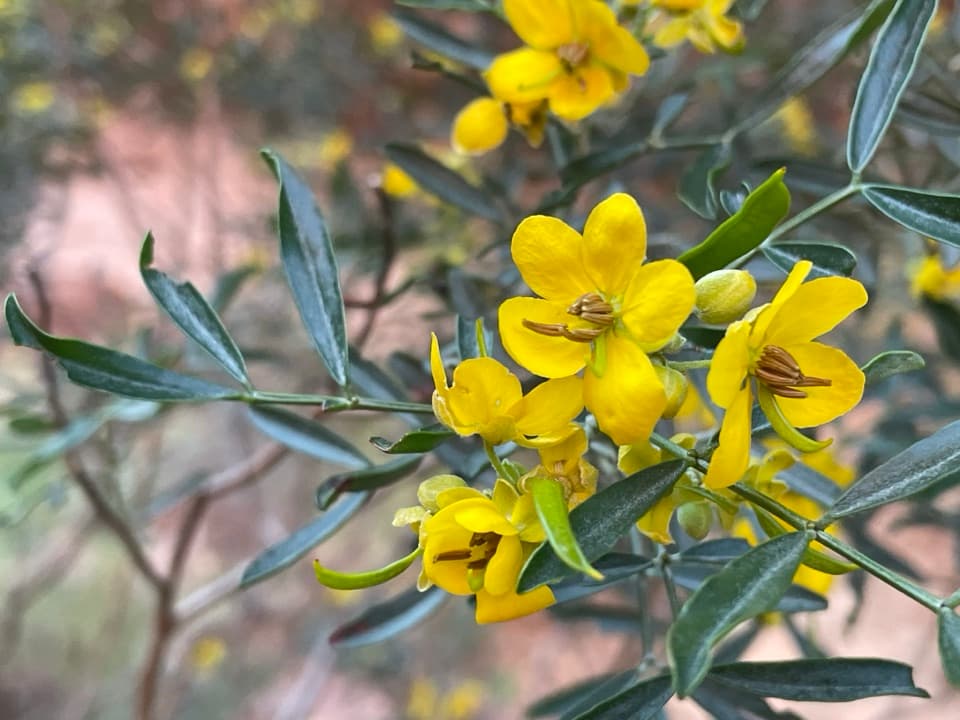
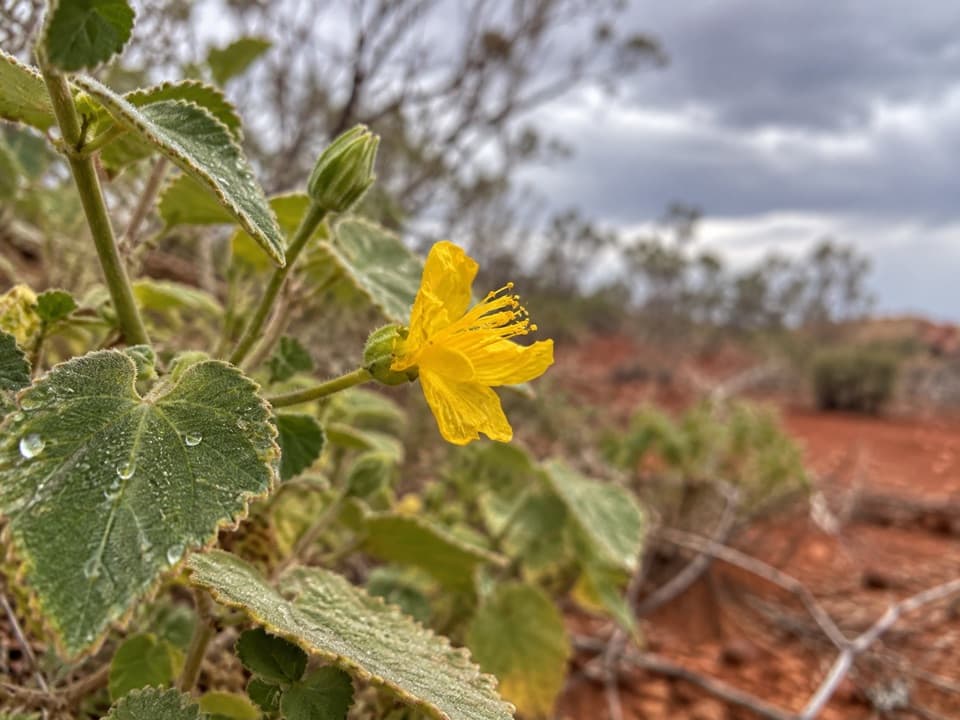
  • In late winter, look for pink daisies near the entrance; inside the gorge you’ll find hardy desert plants taking advantage of shade and moisture.

Wildlife

Keep an eye out for kanyaḻa (common wallaroo) moving among the domes. Perentie lizards and western bowerbirds are possible sightings too, especially during warmer months when activity picks up around water and shade.

Culture and Respect

Kata Tjuta is sacred to Aṉangu men. Walk quietly, stay on the marked track, and don’t climb boulders or enter gullies. Don’t swim in waterholes. For photos or sketches, keep both sides of the gorge in frame to avoid revealing sensitive places. Commercial or public filming/photography requires a permit.

Best Time to Visit

  • Early morning: coolest temps and soft side‑light on the walls.
  • Late afternoon: often quieter while most visitors peel off to the official sunset area; the gorge glows as the sun drops.

Midday brings harsher light and heat; the gorge has shade pockets but also exposed stretches.

Geology, in a Nutshell

You’re walking through a giant wedge of ancient conglomerate—pebbles and boulders cemented by sand and mud—carved into domes over hundreds of millions of years. The classic “plum‑pudding” texture pops where erosion exposes rounded stone clasts in the cliffs.

Practicalities

There’s a carpark at the trailhead and simple shelters near the start, plus benches inside the gorge. No toilets at the carpark—plan a bathroom stop elsewhere in the park. The path is uneven underfoot with a brief stream crossing after rain; sturdy shoes, plenty of water, sun protection, and (in warm months) a fly net will make this far more pleasant. A valid park pass is required.

Pros

  • Short, straightforward 2.6 km return walk
  • Dramatic red domes with cooling breezes and pockets of shade

Cons

  • Rocky, uneven track with a small seasonal stream crossing
  • No toilets at the carpark; facilities are a few km away

Tips

  • Aim for late afternoon when many visitors head to the sunset area and the gorge lights up.
  • Mornings are cooler—bring a warm layer; winds can funnel through the gorge.
  • Wear sturdy shoes and expect uneven rocks plus a short stream crossing after rain.
  • Carry plenty of water, sun protection, and a fly net in warmer months.
  • Keep both walls in frame when photographing and stay on the marked track.
The Parkwolf tour guide sitting on a phone mounted in a car

Parkwolf Tour Guide

Like a tour guide in your car.

Save the places you found around Uluru-Kata Tjuta, then let Parkwolf guide the drive between them.Download Parkwolf on the App Store