Talinguru Nyakunytjaku

Top sunrise dune with views of Uluru and Kata Tjuta
Talinguru Nyakunytjaku, Uluru-Kata Tjuta National Park
InsideUluru-Kata Tjuta National Park

Overview

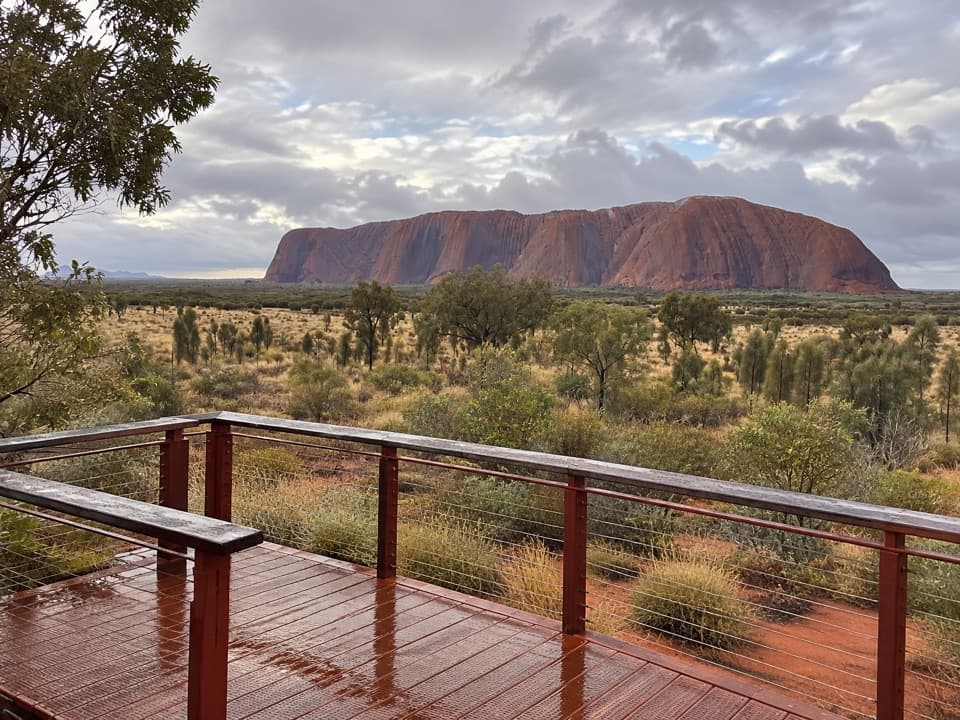
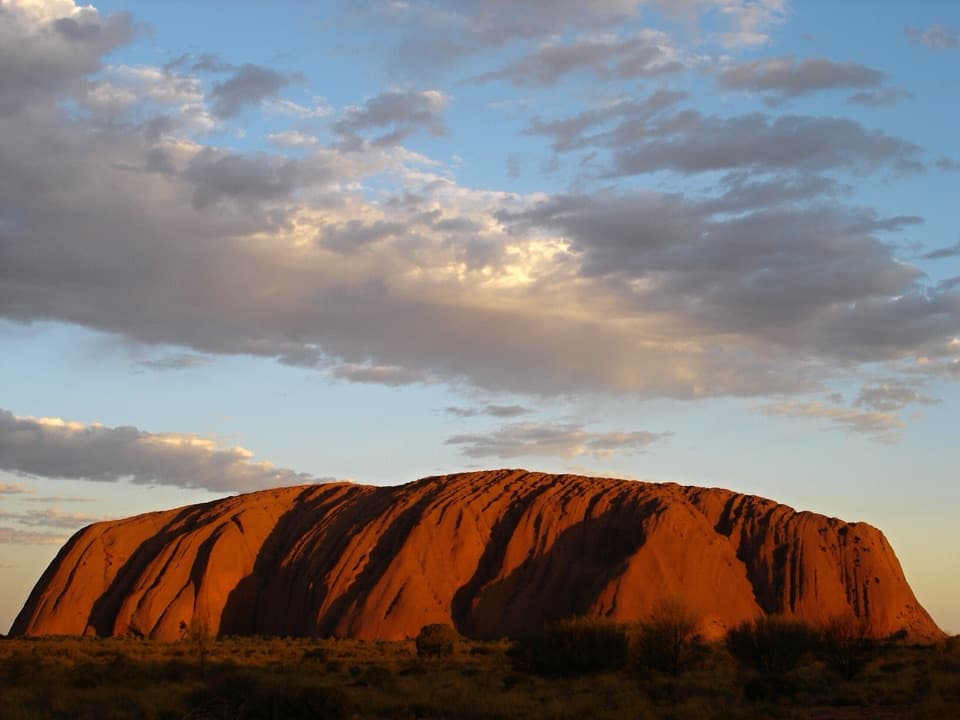
“Talinguru Nyakunytjaku” translates to “place to look from sand dune,” and that’s exactly the vibe: wide, red-dune panoramas with Uluru glowing dead ahead and Kata Tjuta on the horizon. It’s the park’s signature sunrise lookout, but it also delivers all‑day views and a calmer feel at sunset if you want to dodge the big evening crowds elsewhere.

What You’ll See

From two elevated viewing platforms and surrounding dune tracks you get a true 360° sweep of country. At dawn the first light lifts over the dunes behind you and washes Uluru in colour; at dusk the sun sets beside the rock. On a clear day you can compose both Uluru and Kata Tjuta in a single frame.

Short Walks (easy loops)

  • Minymaku (Women’s) Walk – 1 km loop (~30 min): focuses on women’s work like processing bush foods and children’s games.
  • Watiku (Men’s) Walk – 1.5 km loop (~45 min): highlights men’s practices such as tool‑making and the use of fire for hunting.

Both loops are designed to be easy, with smooth surfaces right off the viewing area.

Facilities

Expect practical comforts for an early start: car and coach parking, public toilets, shelters and two viewing platforms, plus a picnic spot and on‑site drinking water taps/fountains. Several kilometres of walking track let you spread out from the main platforms once the first light show is over.

Photography Tips

  • Dawn lights the face of Uluru; at dusk the sun sets alongside it.
  • For a clean view of both Uluru and Kata Tjuta, follow the lower track to the second shelter—popular with photographers.
  • Respect cultural guidance: elsewhere in the park some places have photography restrictions; always follow on‑site signs.

Best Time to Visit

Sunrise is the headline act. Arrive 45–60 minutes before first light to park, walk out, and settle on a composition. Peak crowding is around 6–8 am; late morning and midday are typically quiet, and sunset here is often much less busy than sunrise. The area keeps regular opening hours (roughly 6 am–7:30 pm), and most visitors spend up to an hour.

Culture & Respect

This is Anangu country. Tjukurpa (law and story) guides behaviour here—stay on marked tracks, follow any photography restrictions elsewhere in the park, and note that climbing Uluru is prohibited.

Safety & Essentials

Desert conditions are no joke: wear a hat and sunscreen, carry at least 1 litre of water per person per hour, and consider a fly net. In hot months, aim to start and finish any walks before 11 am; tracks can close during extreme heat. A park pass is required (3‑day adult pass listed at $38) and is easiest to purchase online in advance.

Pros

  • Sweeping 360° views where you can frame Uluru and Kata Tjuta together
  • Sheltered platforms, car park, toilets, and short cultural loop walks

Cons

  • Sunrise draws big crowds—prime spots go early
  • Exposed desert conditions; heat and flies can be intense

Tips

  • Arrive 45–60 minutes before sunrise to secure a spot and settle in.
  • For both Uluru and Kata Tjuta in one shot, follow the lower track to the second shelter.
  • After the first light show, wander the walking tracks to escape the platform crowds.
  • Bring a fly net and plenty of water—conditions are hot, dry, and buggy.
  • Pre‑purchase your park pass online; it’s required for entry.
The Parkwolf tour guide sitting on a phone mounted in a car

Parkwolf Tour Guide

Like a tour guide in your car.

Save the places you found around Uluru-Kata Tjuta, then let Parkwolf guide the drive between them.Download Parkwolf on the App Store