Overview
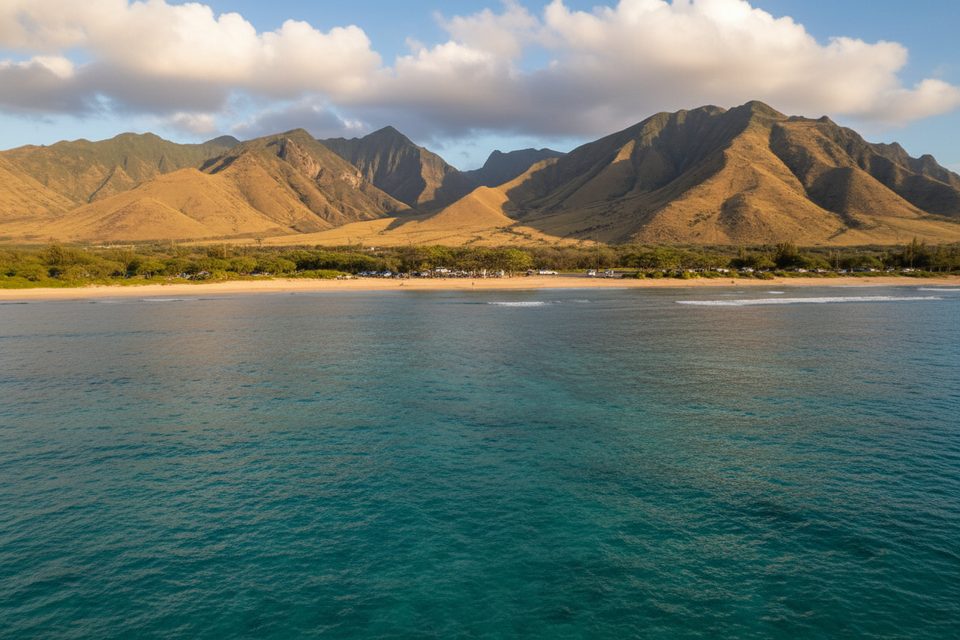
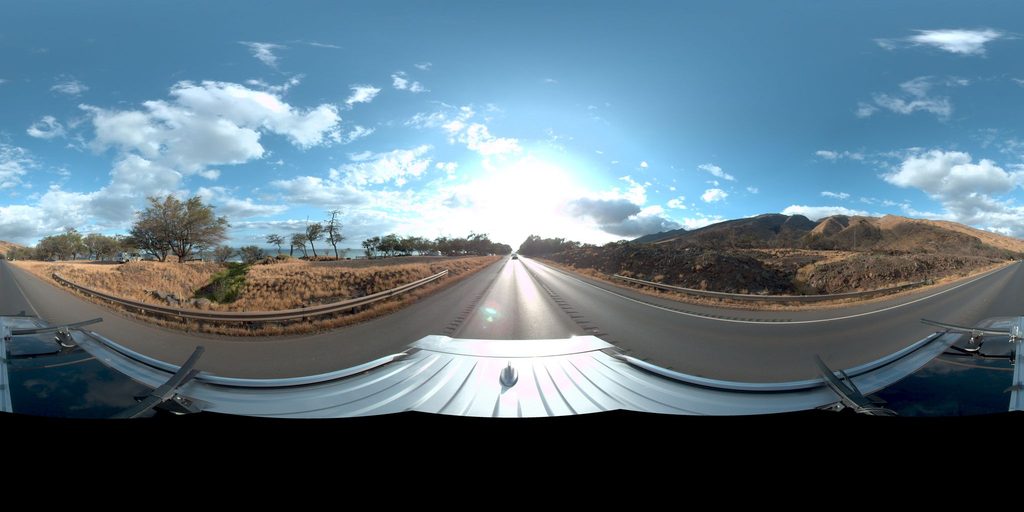
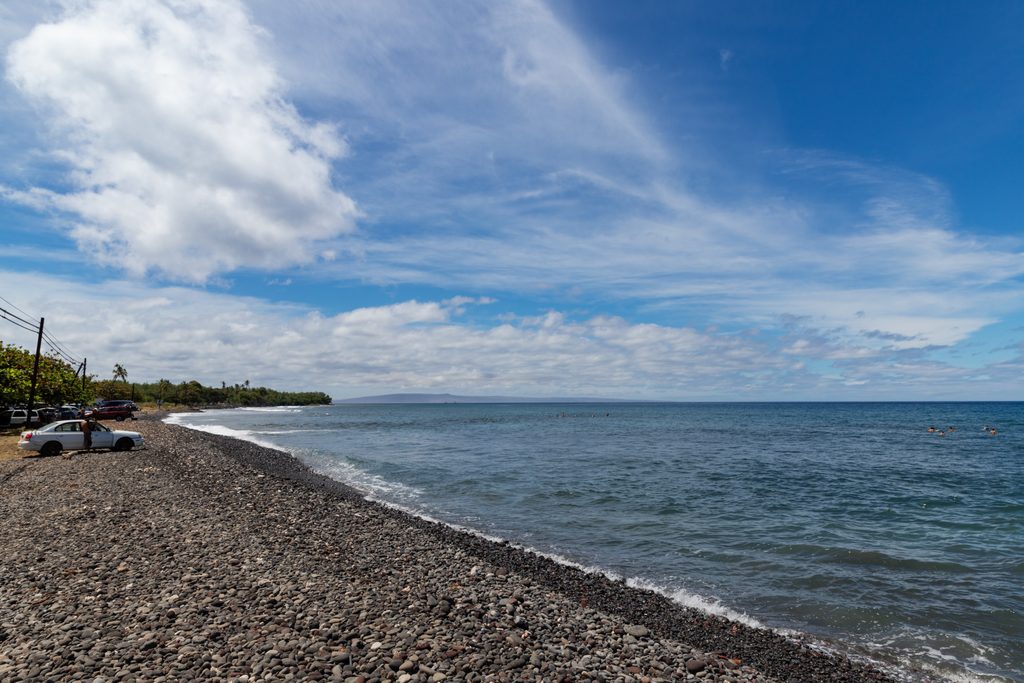
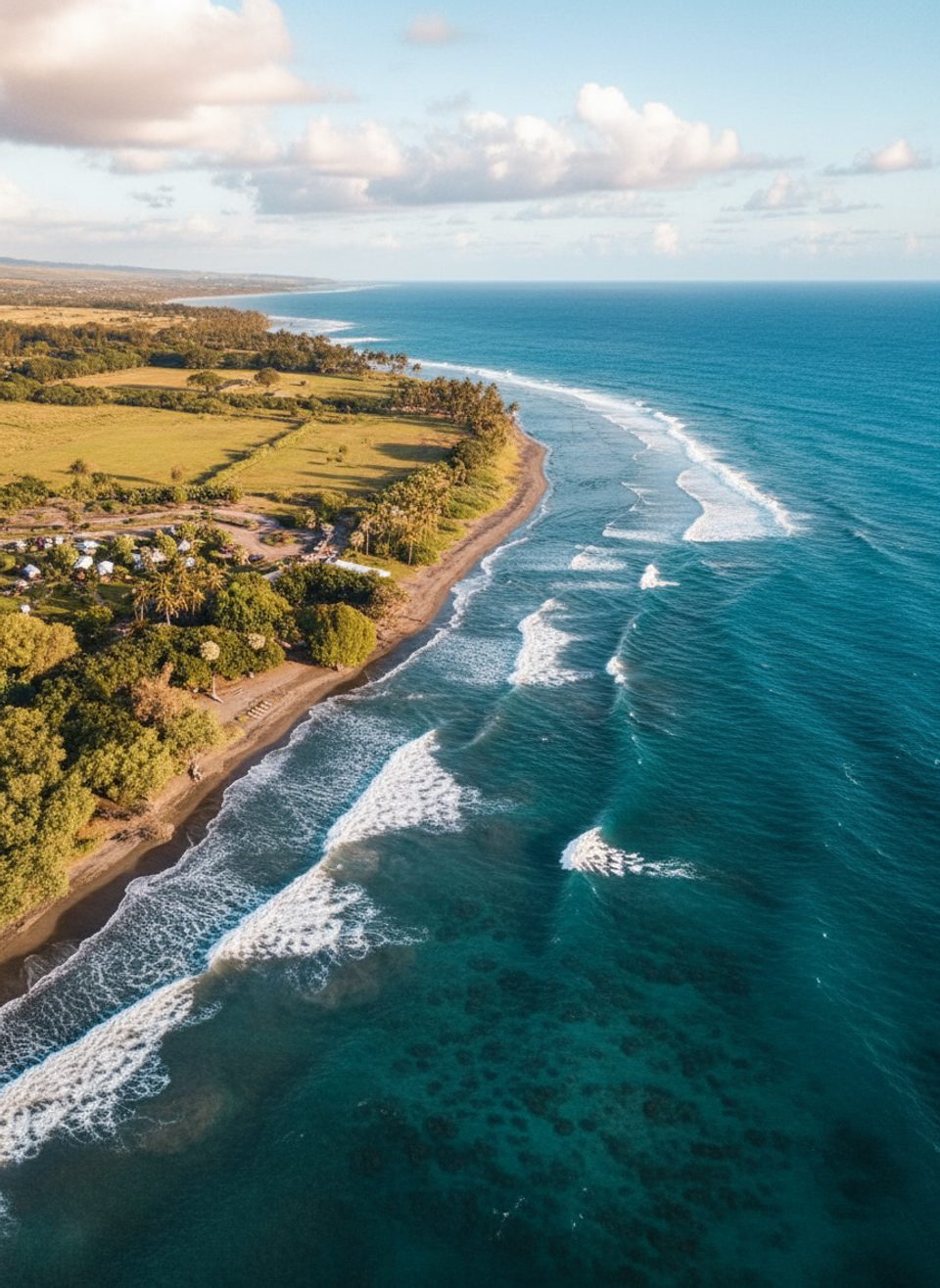
If you want true beachfront camping without the frills, this roadside wayside delivers. Sites sit steps from the water under thorny kiawe trees, with the Honoapiilani Highway just behind you. It’s convenient and budget‑minded in vibe, but rustic: think porta‑potties, no running water, and the hum of traffic.
What You’ll Find
- Linear strip of beach campsites along the highway—easy pull‑ins, sand or packed dirt that can get muddy after rain.
- Basic amenities: portable toilets, trash bins, and two picnic tables. No electricity, no showers, and no drinking water.
- Cell coverage is generally solid for AT&T and T‑Mobile, spottier for Verizon.
- Expect a mixed crowd and keep an eye on your gear—some reviews mention theft.
Camping Basics
- Overnight camping is allowed but typically closed for maintenance on Tuesdays and Wednesdays.
- Stays are generally capped at four consecutive nights.
- Permits are usually required and policies/fees change—verify with Maui County Parks before you go. Some sources note fees vary by residency and may be higher on weekends for non‑residents.
Activities and Wildlife
- Easy launch point for snorkeling, surfing, and kayaking when conditions cooperate.
- Snorkelers sometimes spot tropical fish and sea turtles just offshore.
Best Time to Visit
- For camping, aim for Sunday–Monday or Thursday nights to dodge the Tuesday/Wednesday closures and reduce weekend crowds.
- For snorkeling and paddling, mornings offer calmer water and clearer visibility more often than afternoons.
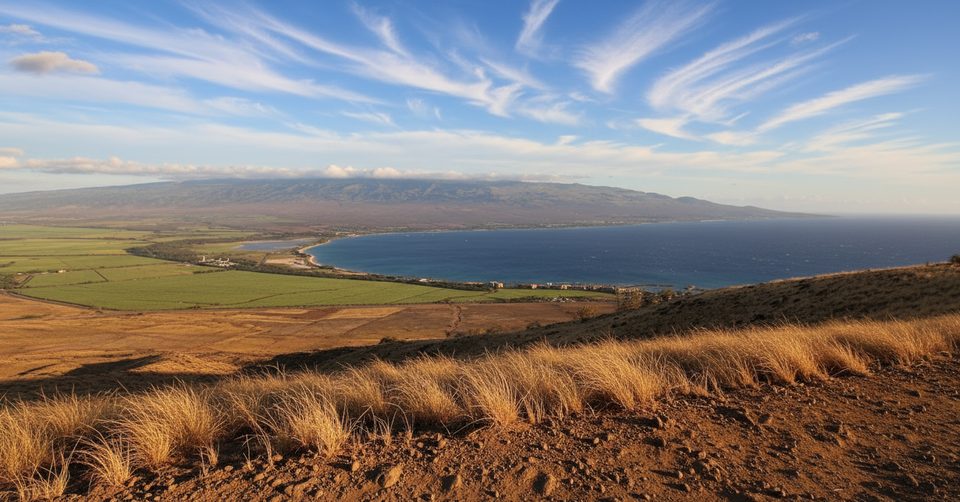
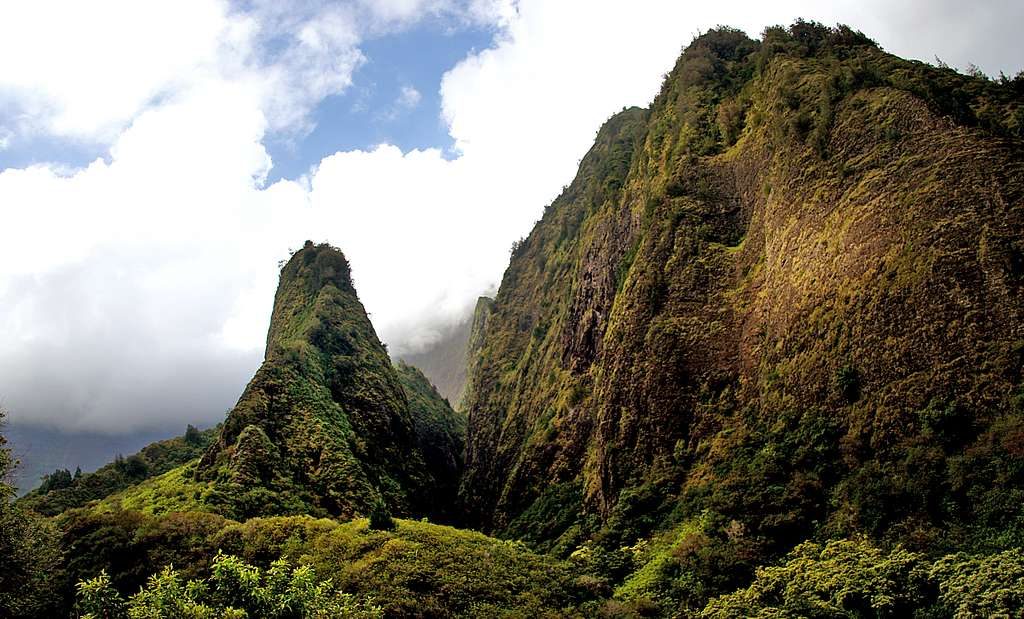
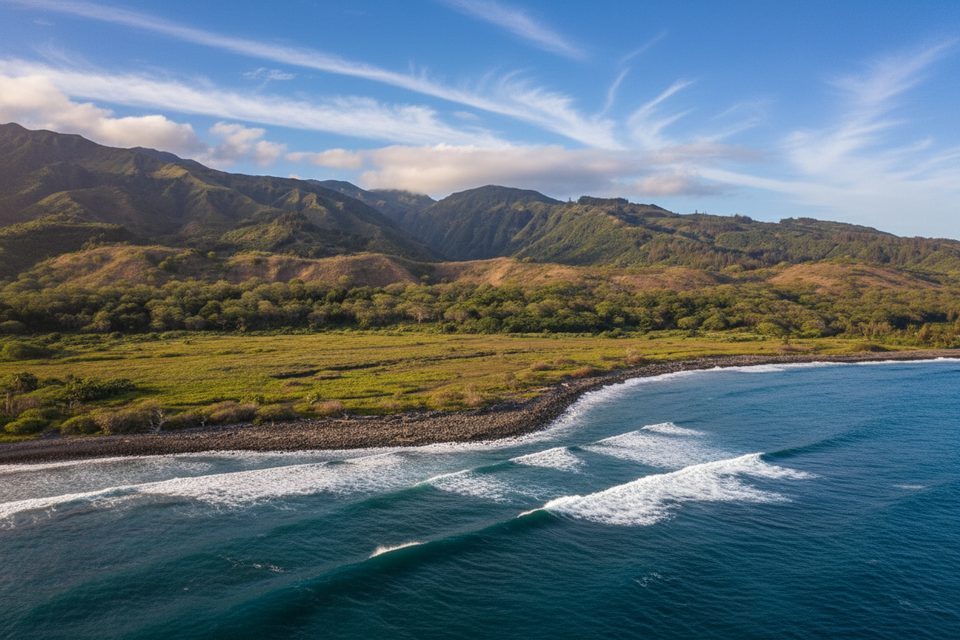
- Photographers should plan for sunrise or sunset—the light is flattering and the mountains make a dramatic backdrop.
Practical Tips
- Bring all the water you’ll need; there’s none on site.
- Wear sturdy shoes and use a groundsheet—kiawe thorns are no joke.
- Park and pitch farther from dumpsters and porta‑potties to avoid early‑morning noise.
- Secure valuables and don’t leave gear unattended.
- After rain, the access areas can be muddy—drive and set up accordingly.