Olowalu Beach

Roadside beach with calm, shallow reef and easy snorkel entry
Olowalu Beach, West Maui Scenic Drive
InsideWest Maui Scenic Drive

Overview

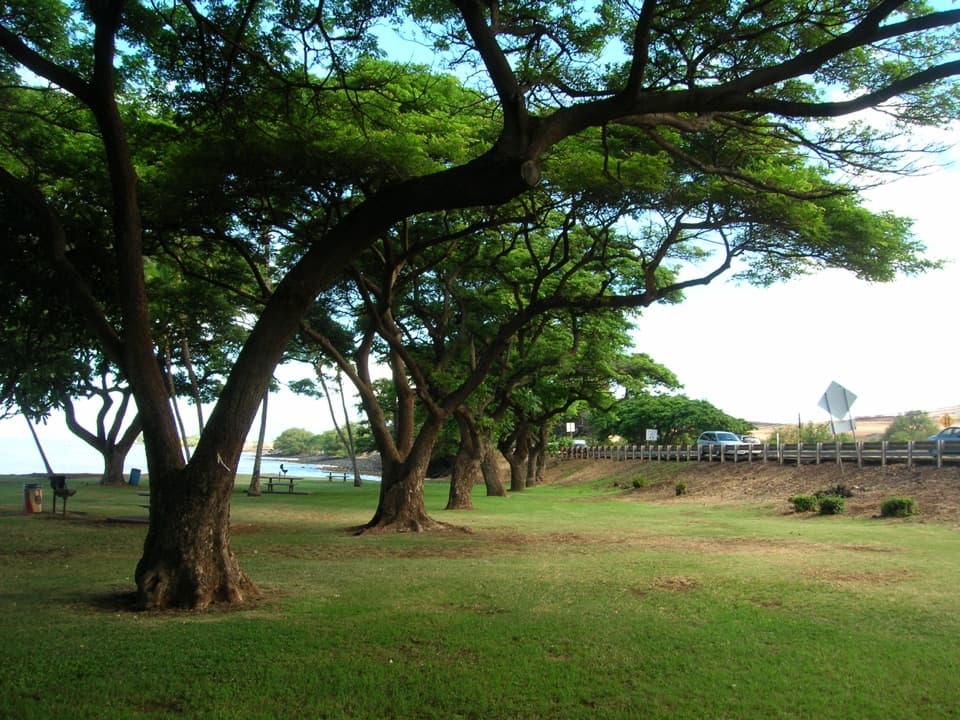
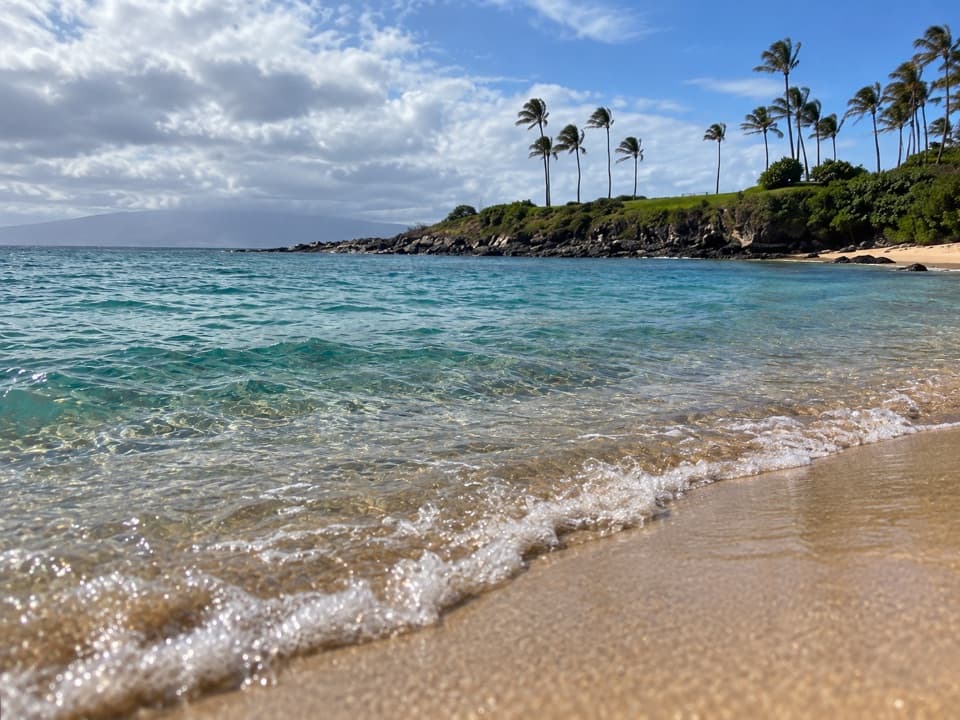
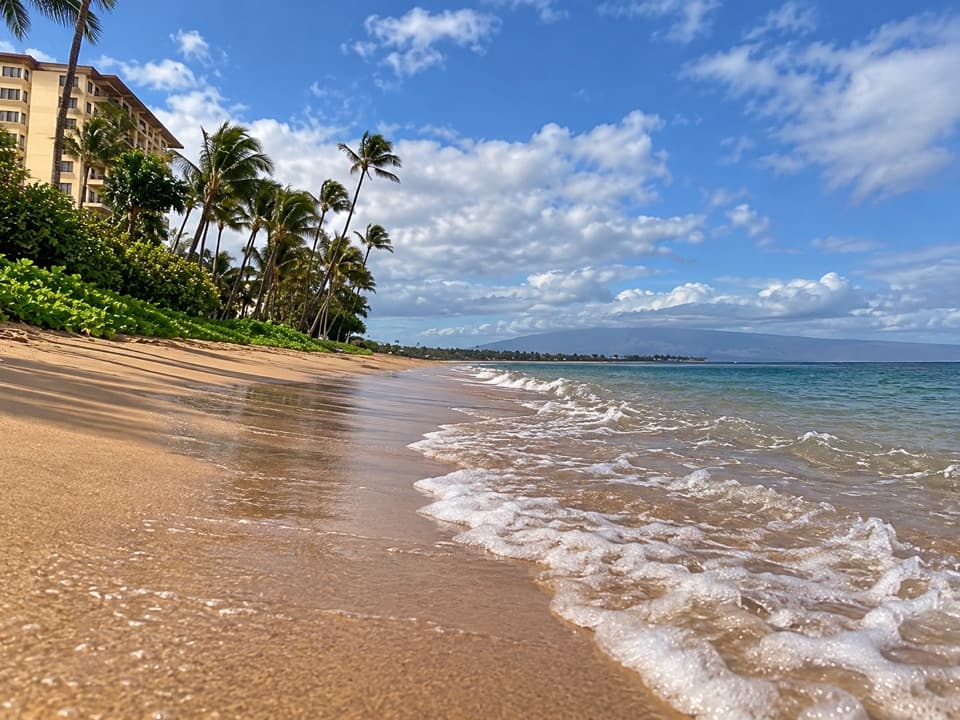
Hugging the shoulder of Honoapiʻilani Highway near mile marker 14, Olowalu Beach is the easiest reef stop on the West Maui Scenic Drive. The beach itself is a narrow, shady strip, but just offshore sits Maui’s “Mother Reef,” a large, shallow fringing reef that’s special both for snorkeling and for its ecological importance.

Why It’s Special

This reef is a regional seed source for coral larvae and a noted wildlife hangout. Expect calm, clear mornings with broad flats that make it a confidence-building spot for first-time snorkelers. On good days you may see honu (green sea turtles) cruising the coral gardens and, at times, manta rays using cleaning stations. In winter (December–April), you might even hear humpback whales underwater or spot blows from shore.

Snorkeling: How to Do It Right

Enter through obvious sandy channels between coral heads—never stand on coral. The reef is shallow with plenty of sea urchins, so move slowly and consider booties or water shoes for the walk-in. Stick to mornings when winds are light; afternoons often get choppy. Keep an eye out for surf-school and small-boat traffic in certain coves, and heed any posted hazard signs, including occasional shark advisories.

What You’ll See

Ancient coral structures host schools of reef fish, eels, and invertebrates; turtle sightings are common. Even when fish counts feel modest inshore, snorkeling a bit farther along the sandy lanes often improves the scenery without needing to go deep.

Parking & Facilities

This is a true roadside beach: pull into dirt turnouts on the ocean side only, and avoid soft sand so you don’t get stuck. There are no permanent restrooms or showers; travelers sometimes report temporary porta-potties at certain pullouts, but don’t count on them. Expect traffic noise alongside the shade trees.

History & Stewardship

Olowalu was a traditional ahupuaʻa with deep cultural roots and also the site of the 1790 Olowalu Massacre. The reef suffered during past bleaching events, and local partners continue restoration and sediment-reduction work to help it recover. Treat the place with care—your choices here matter downstream for reefs across Maui Nui.

Best Time to Visit

  • Mornings on weekdays are best for calm water, easy parking, and softer light.
  • Midday brings glare and more wind; late afternoon can be windy but pretty for golden-hour photos.
  • Winter (December–April) adds whale activity offshore; go early for clearer visibility.

Etiquette & Safety

Give turtles and manta rays plenty of space, use mineral reef‑safe sunscreen, avoid kicking up sand and silt over living coral, and pack out everything you bring.

Pros

  • Beginner-friendly snorkeling over a broad, shallow fringing reef
  • Easy roadside access with free pull-off parking

Cons

  • No restrooms, showers, or other built facilities
  • Shallow coral and sea urchins make careful entry a must
  • Limited roadside parking and constant highway traffic noise

Tips

  • Arrive before the trade winds—mornings are calmer and clearer.
  • Enter via sandy channels and never stand on coral; move slowly over urchin zones.
  • Pack in/out and plan bathroom stops elsewhere—there are no reliable facilities.
  • Park only in ocean-side pullouts and avoid soft sand near the shoulder.
  • In winter, listen underwater for whale song and keep a very respectful distance from wildlife.
The Parkwolf tour guide sitting on a phone mounted in a car

Parkwolf Tour Guide

Like a tour guide in your car.

Save the places you found around West Maui Scenic Drive, then let Parkwolf guide the drive between them.Download Parkwolf on the App Store