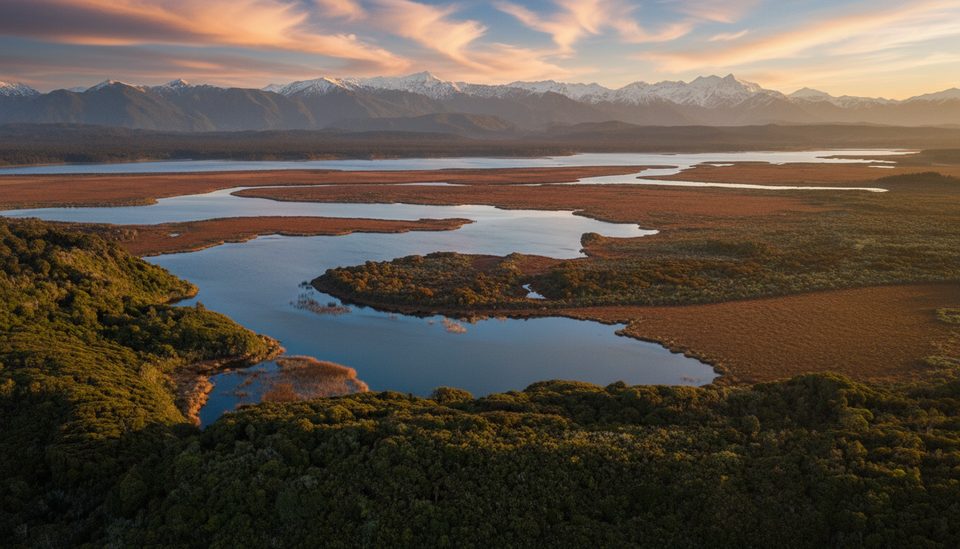
Ōkārito Lagoon

New Zealand’s largest wild wetland with birds and mountain reflections
Ōkārito Lagoon, Westland Tai Poutini National Park
InsideWestland Tai Poutini National Park

Overview

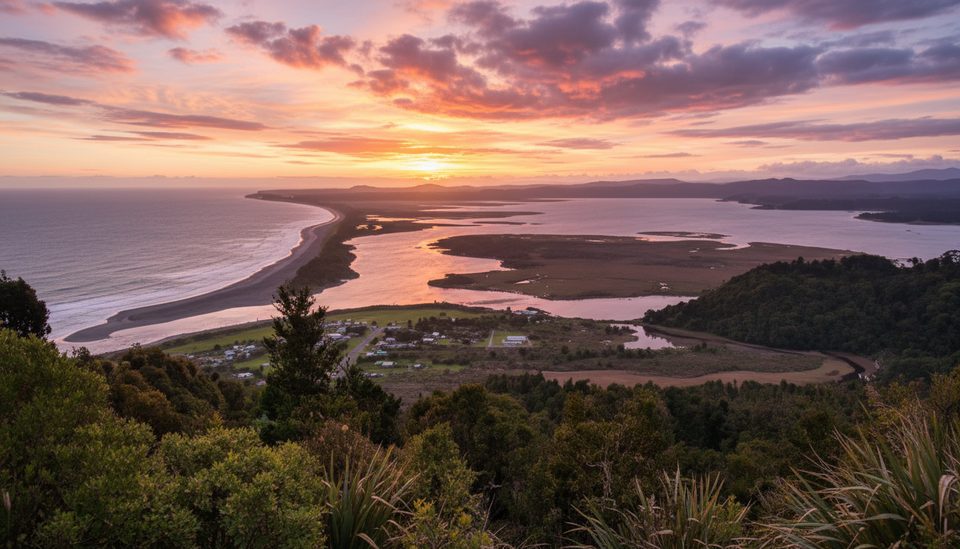
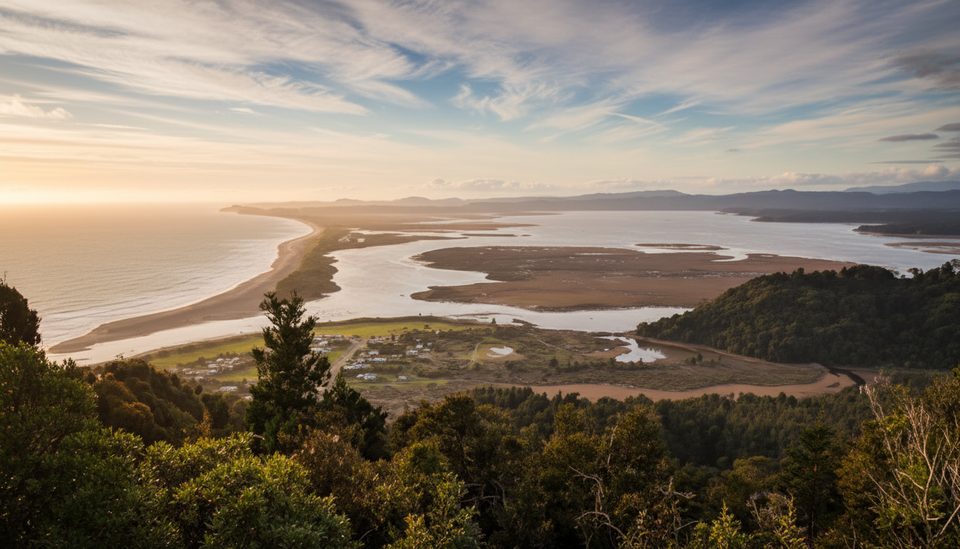
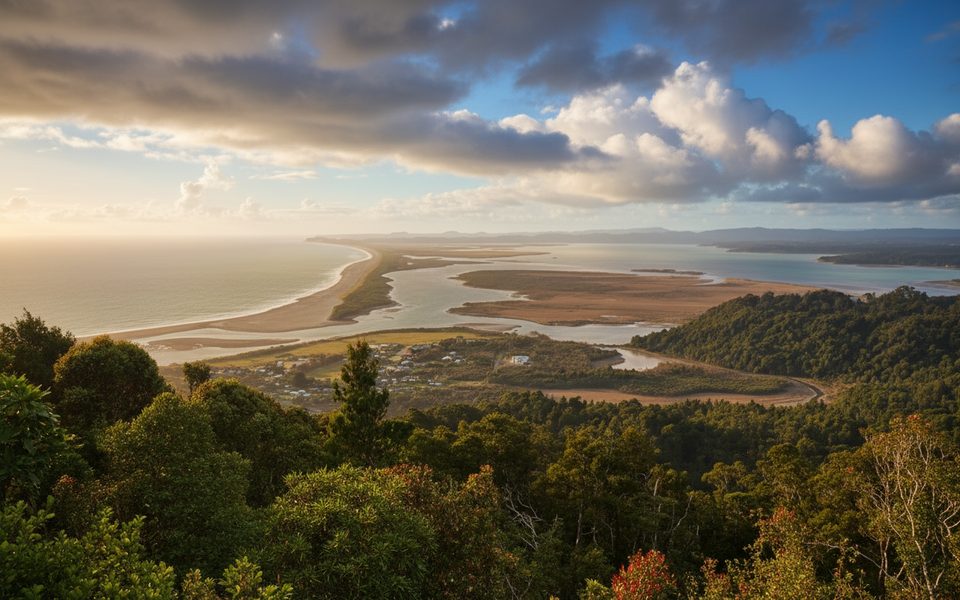
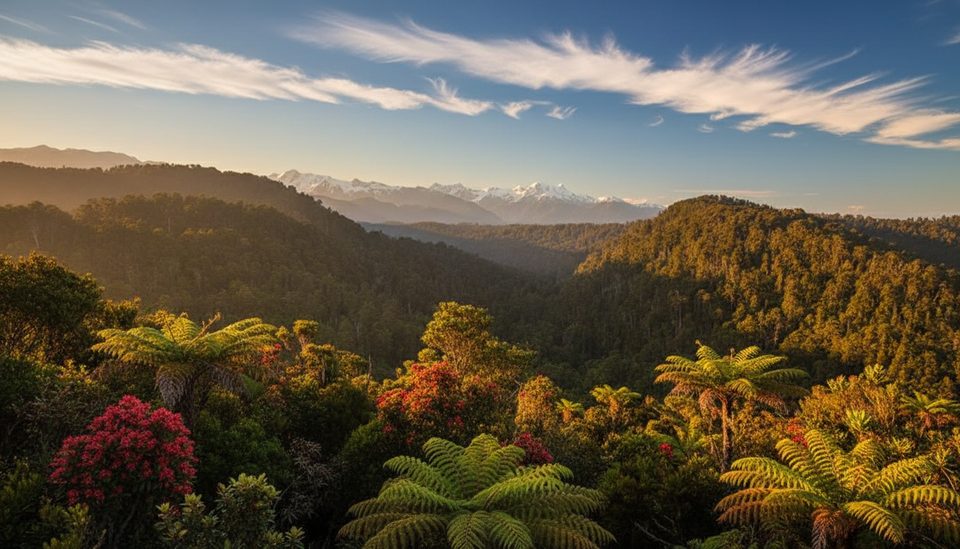
Ōkārito Lagoon is the South Island’s big, quiet showstopper—over 3,000 hectares of untouched wetland backed by rimu–rātā–silver pine forest and, on clear days, skyline views to Aoraki/Mt Cook, Mt Tasman, and even Franz Josef Glacier. It’s peaceful, lightly serviced, and wildly scenic—more nature sanctuary than tourist circus.

Why it’s special

This is New Zealand’s largest unmodified wetland and a bona fide bird magnet. More than 70 species have been recorded here, from dabbling ducks and black swans to waders and shags. The surrounding forests shelter the rare Ōkārito brown kiwi/rowi, and you may hear/see forest birds on nearby tracks.

Wildlife highlights

  • Kōtuku/white heron regularly feed on the lagoon and nest at the Waitangiroto Nature Reserve in the breeding season (October–February).
  • Royal spoonbills are frequent.
  • In spring, bar‑tailed godwits arrive after their marathon Alaska–NZ flight to refuel on the mudflats.

Best ways to experience it

  • On the water: Join small‑group nature cruises or slip into the still channels by kayak (guided or freedom rentals available). Calm mornings can deliver glassy reflections and close, quiet wildlife encounters.
  • On foot: Stroll the Ōkārito Wetland Walk (1 km/20 min) for estuary views, hike the Ōkārito Trig Track (4.2 km/~1.5 hr return) for coast‑to‑alps panoramas—sunset is superb—or make a day of the Three Mile Pack Track (~9.8 km). The beach section of that loop is safest around low tide.
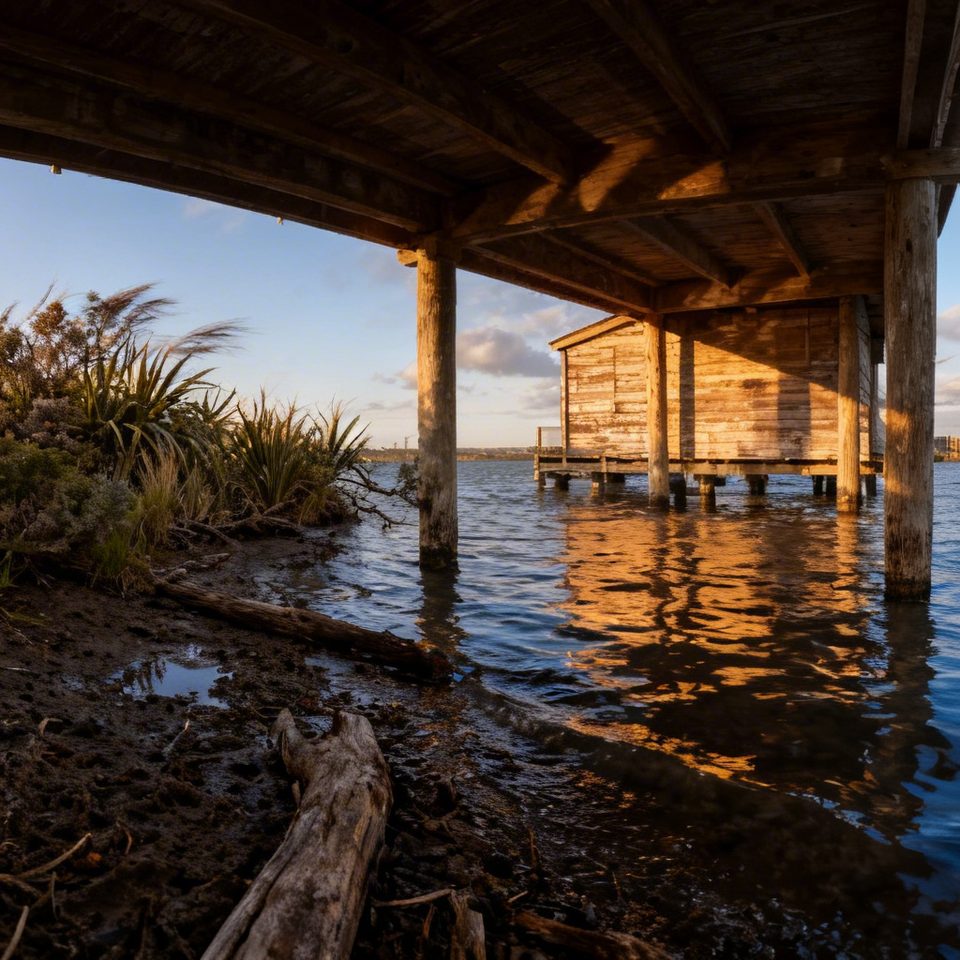
  • Around the wharf/boatshed: Excellent interpretive panels add context on local ecology and history.

When to go

  • For kōtuku activity: October–February aligns with nesting nearby, and birds often feed here then.
  • For waders and photography: Early morning with light winds is prime; outgoing/low tide exposes feeding flats.
  • For views: Sunrise brings calm water and soft light; the Trig is a fine sunset perch when weather cooperates.

Practicalities

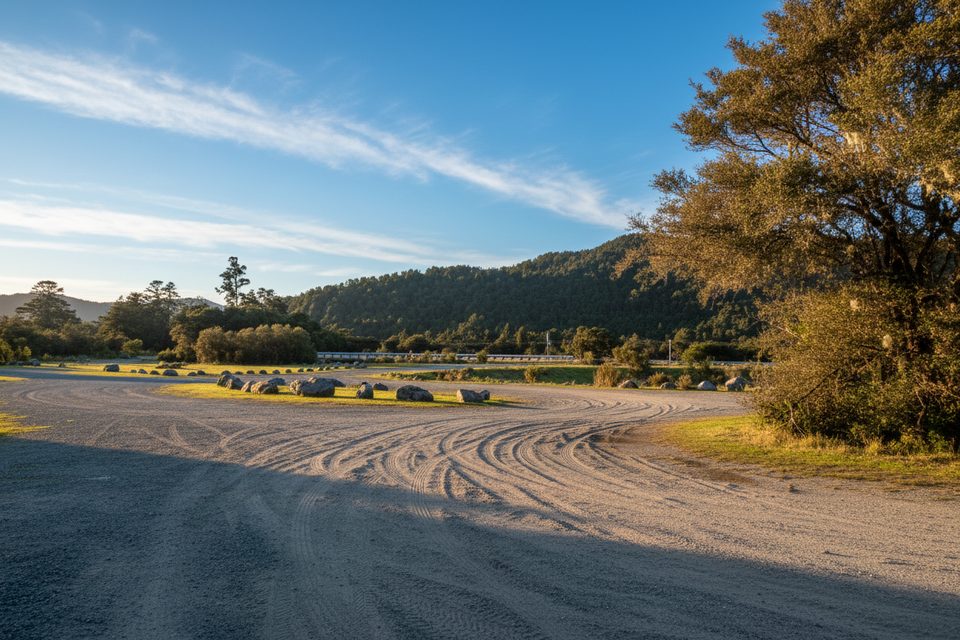
Ōkārito sits about 25–30 minutes north of Franz Josef/Waiau, 10 km off the main highway, and roughly 130–140 km south of Hokitika. It’s a tiny, quiet village with minimal services—no shops or service stations—so arrive stocked with food, water, and fuel. Parking is limited in the settlement. Campground and simple lodge‑style stays exist in the village; kayak operators and boat tours run locally; licensed white‑heron nesting tours depart from nearby Whataroa.

Conservation snapshot

You’re visiting an area with serious on‑the‑ground conservation: a predator‑free initiative across South Westland, a local plant restoration program, volunteer “GorseBusters” weed‑control days, and kiwi recovery work (Operation Nest Egg) have all boosted native wildlife.

Is it worth it?

If you love birds, paddling, or quiet, moody landscapes, this is an essential West Coast stop. If you’re chasing quick roadside thrills, it can feel understated—but give it a calm morning and a pair of binoculars and it wins hearts.

Pros

  • New Zealand’s largest unmodified wetland with 70+ bird species
  • Mirror‑calm morning reflections of the Southern Alps
  • Easy access to guided boat and kayak experiences

Cons

  • No shops or fuel in the village—bring your own supplies
  • Wildlife viewing depends on tides, wind and time of day

Tips

  • Book boat or kayak tours in peak bird season—spots go fast.
  • For waders and reflections, aim for early morning and light winds.
  • Time the Three Mile Pack Track beach section for around low tide.
  • Bring all food, water, and fuel—there are no shops or service stations.
  • White‑heron nesting is accessed only via licensed tours from Whataroa.
The Parkwolf tour guide sitting on a phone mounted in a car

Parkwolf Tour Guide

Like a tour guide in your car.

Save the places you found around Westland Tai Poutini, then let Parkwolf guide the drive between them.Download Parkwolf on the App Store