Beehive Geyser

Towering geyser with a handy indicator and a short, fierce show
Beehive Geyser, Yellowstone National Park
InsideYellowstone National Park

Overview

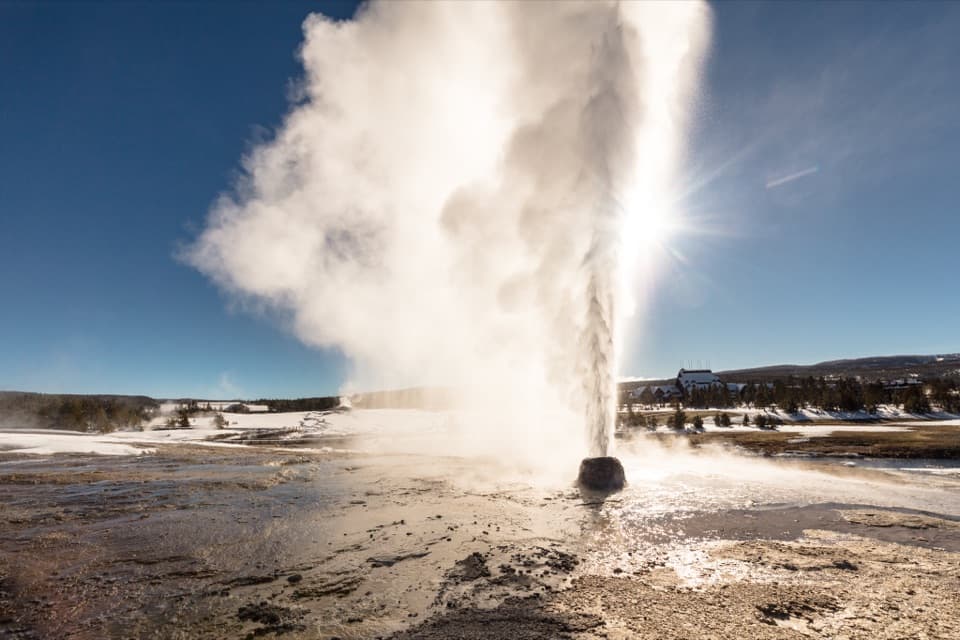
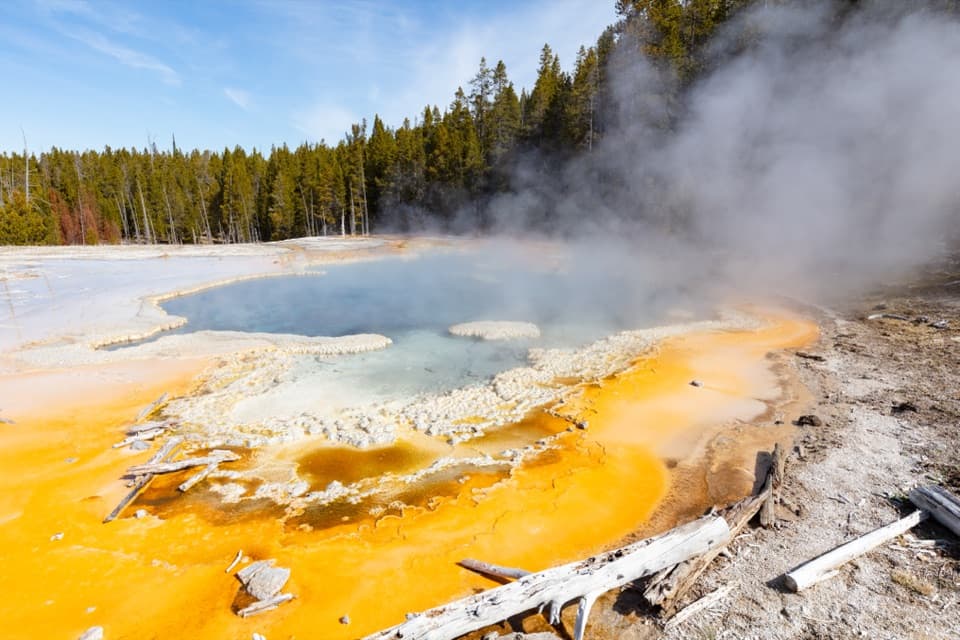
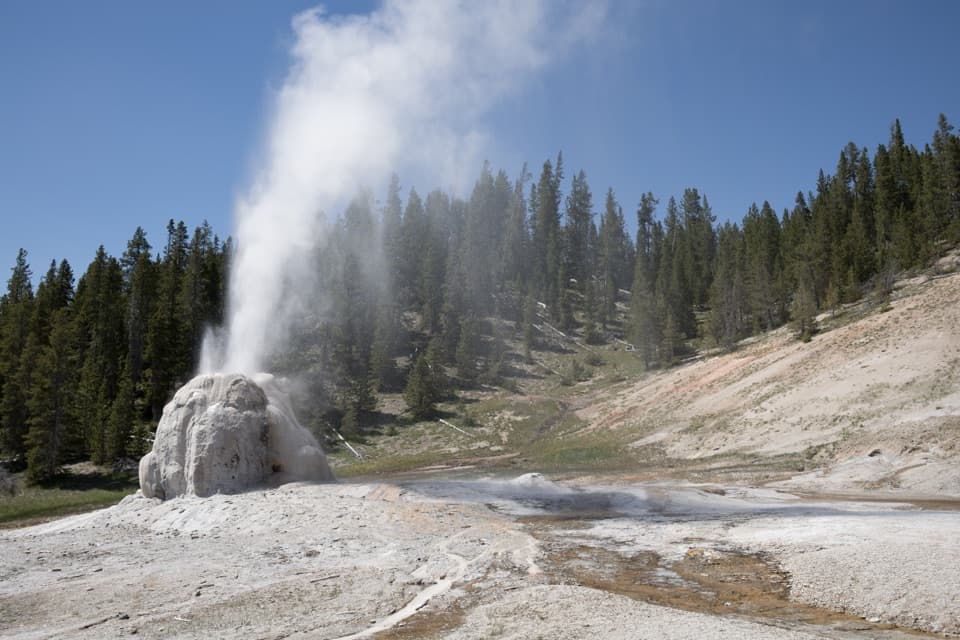
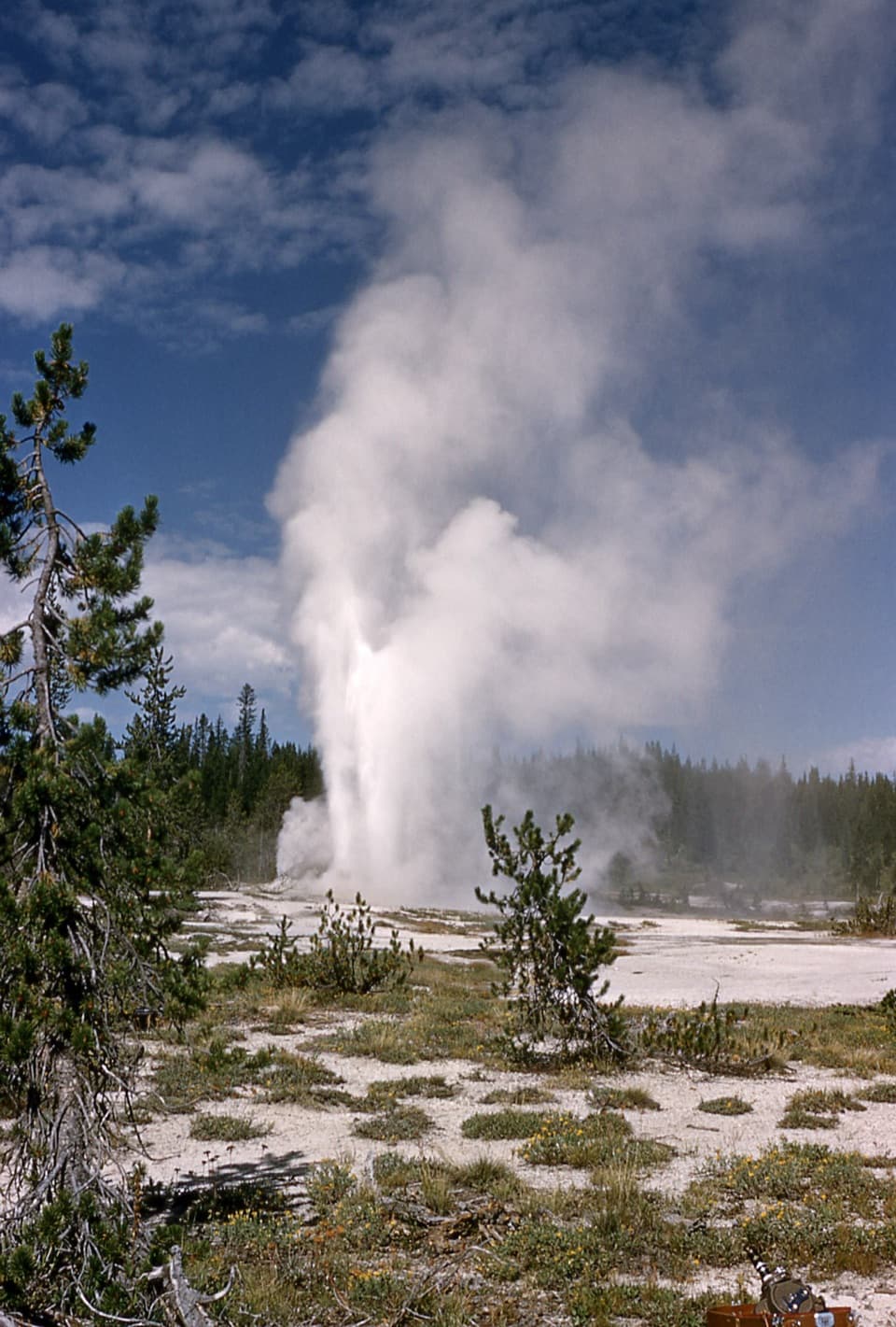
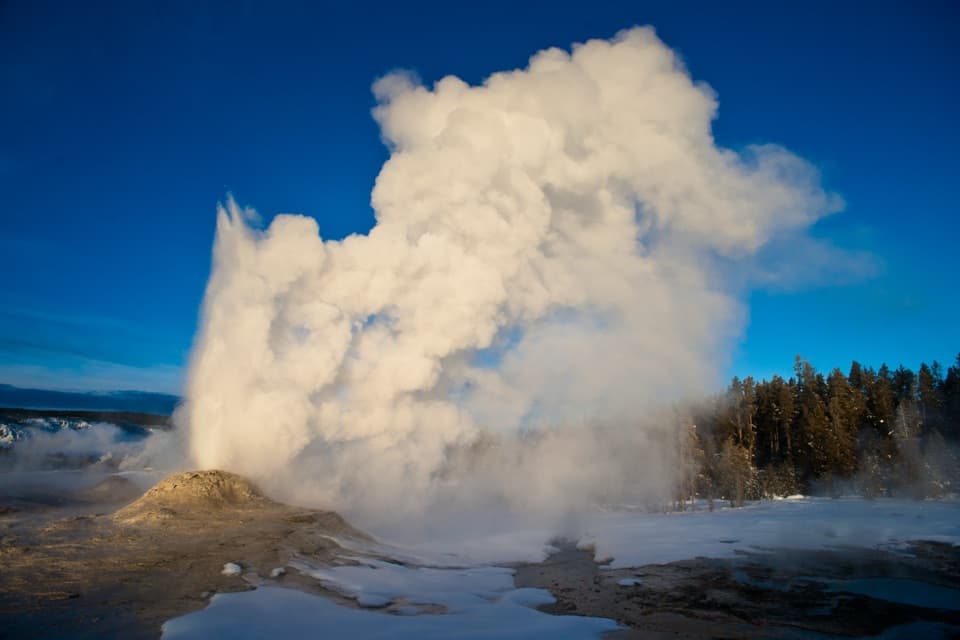
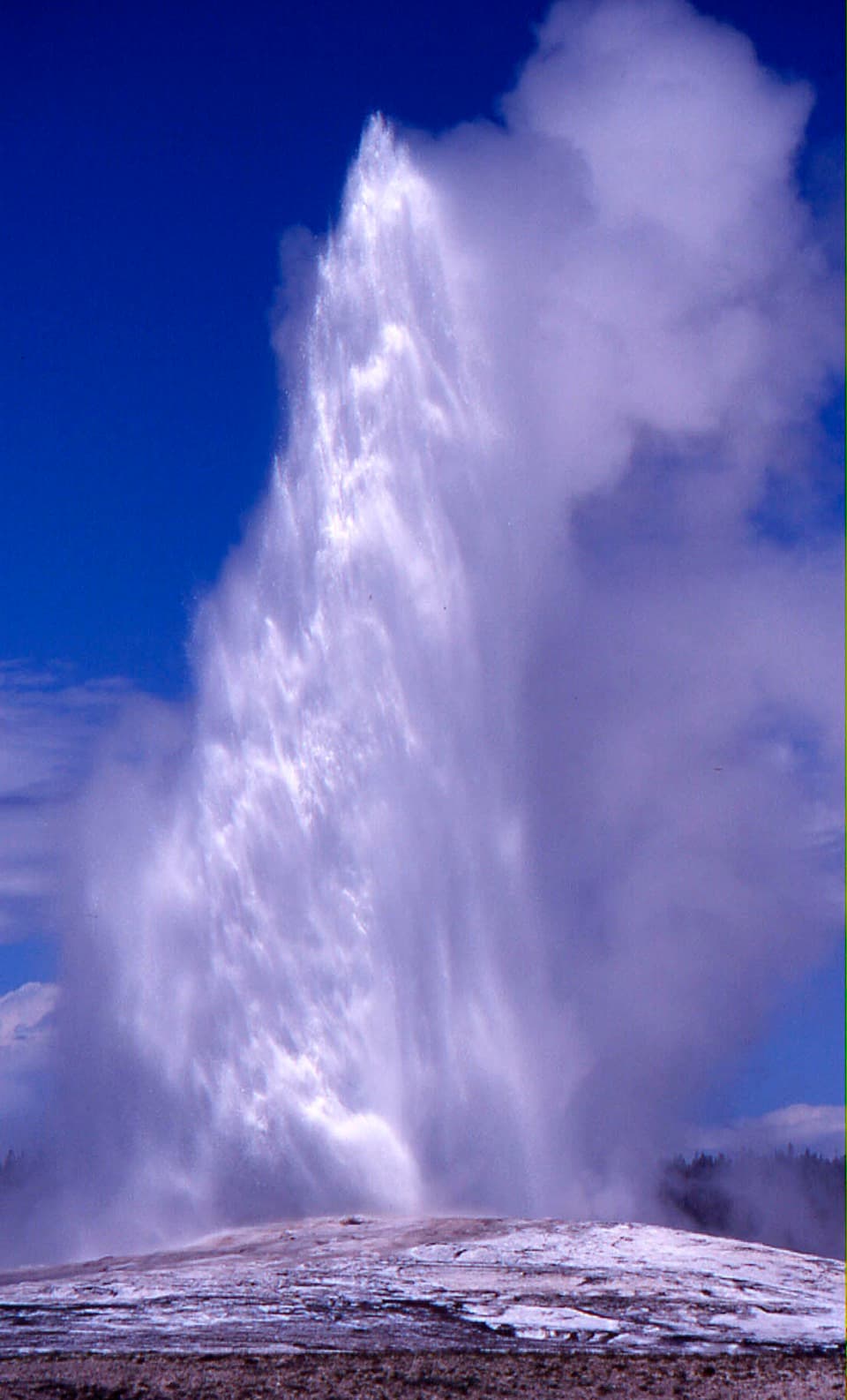
Beehive Geyser is a classic on Geyser Hill’s lower boardwalk, a short walk from Old Faithful. When it fires, the column is tall, narrow, and fierce—often even taller than Old Faithful—and the show wraps in roughly five minutes with a loud steam phase. If your timing is good, it’s one of the most memorable moments in the basin.

How Eruptions Work

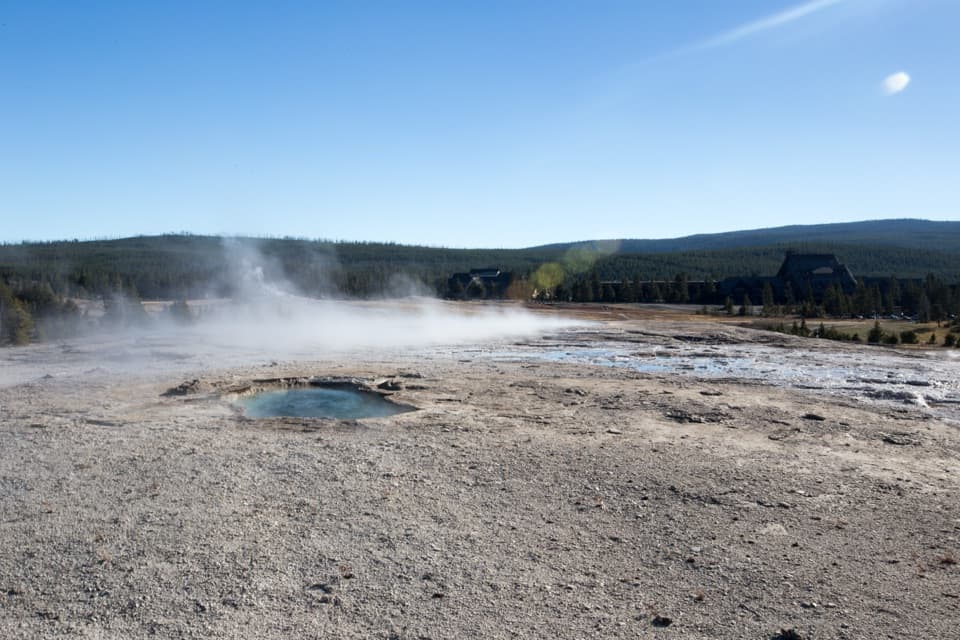
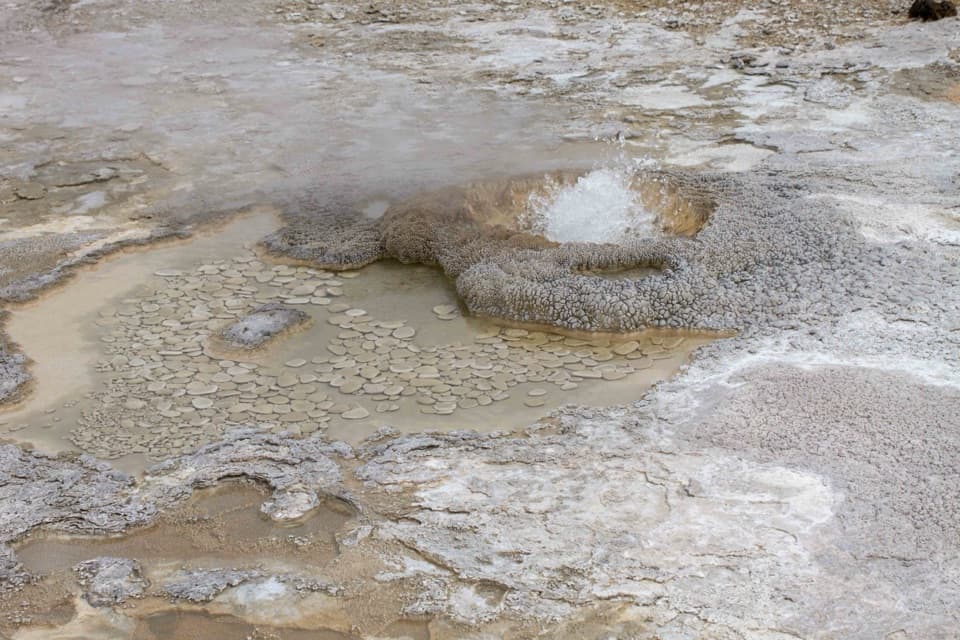
Active periods bring 4–5 minute eruptions that commonly reach 150–200 feet. A nearby vent called Beehive’s Indicator often starts first with a modest fountain, usually signaling Beehive is coming in about 10–20 minutes (it can be seconds to 30 minutes, and occasionally Beehive goes without an Indicator). After the water column subsides, expect a roaring steam phase.

Frequency and Planning

Intervals are variable—often roughly a day apart—and many days you’ll only get one eruption in daylight. Your best odds: stay in the Old Faithful area overnight, check recent times and community reports, and hustle when the Indicator is called out. Rangers at the Old Faithful Visitor Education Center sometimes get short warning and may share updates.

Where to Watch and Photograph

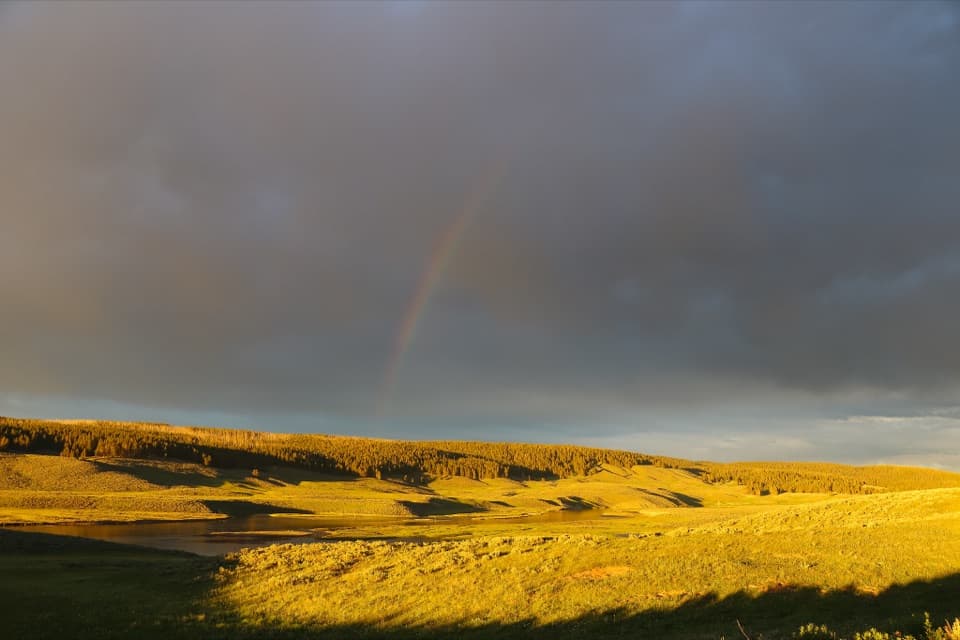
You’ll get prime, close-up views from the lower boardwalk on Geyser Hill. If you’re farther away, you can sometimes catch it from the Old Faithful area if you move quickly once it starts. In bright sun, the tall jet can throw rainbows—great for photos.

Safety and Conditions

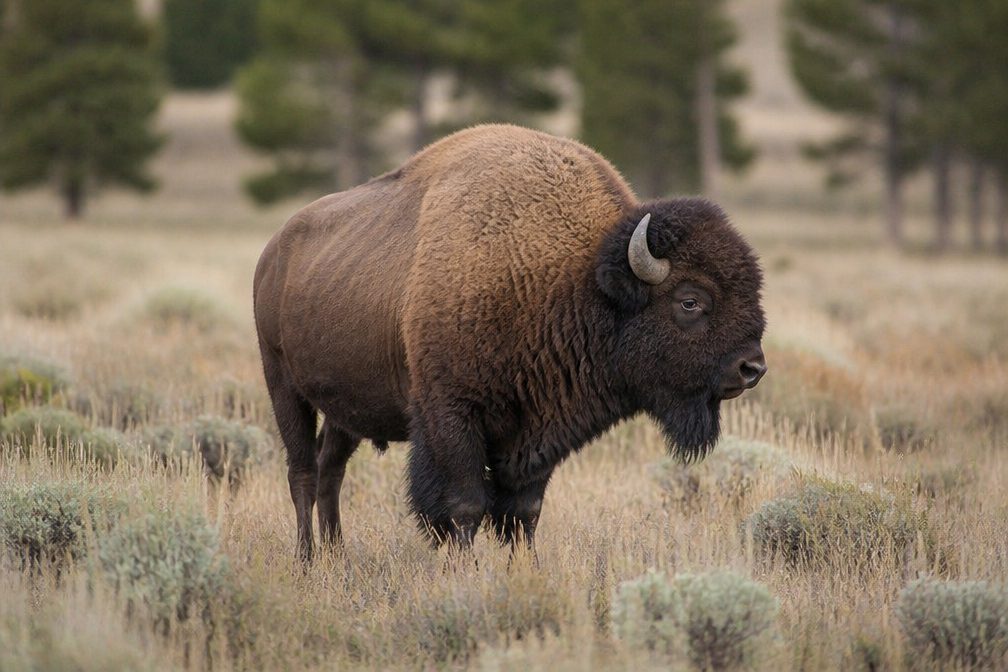
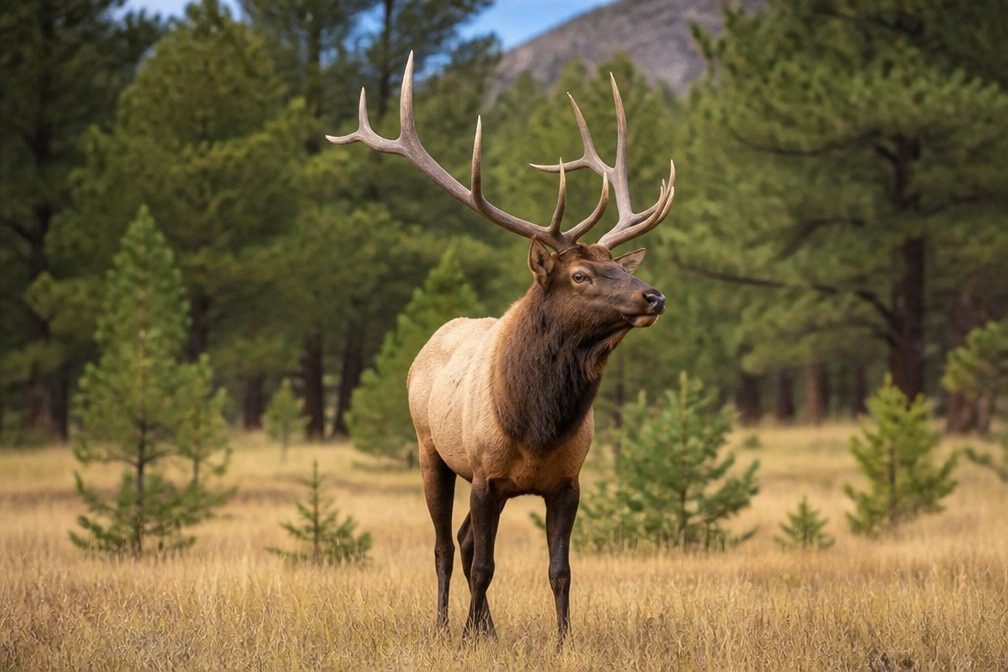
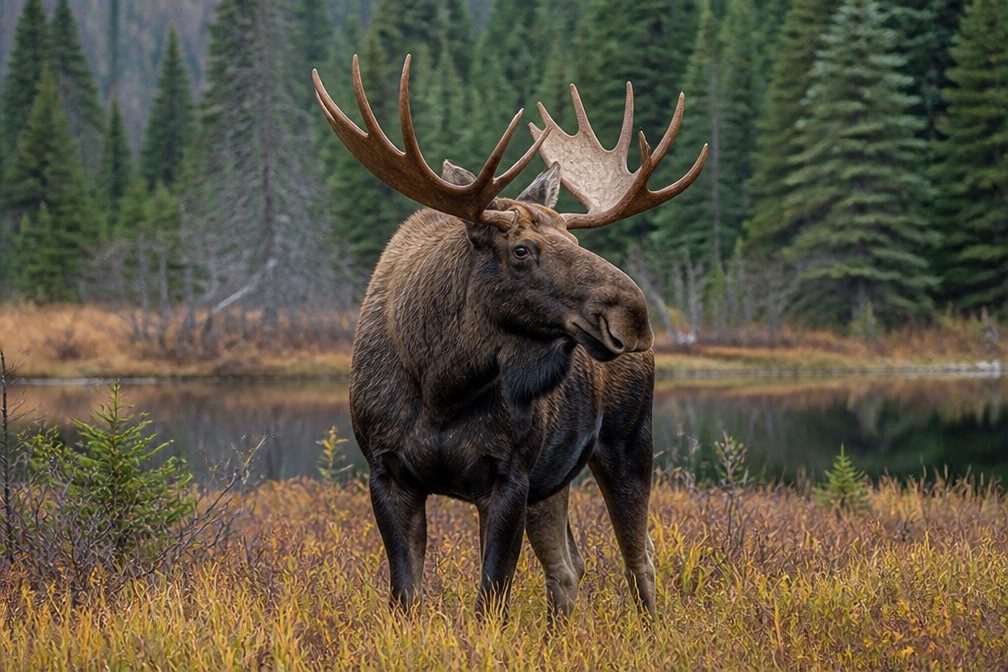
Hydrothermal ground changes quickly here; follow closures and stay on the boardwalk. Stand upwind if possible—spray and mineral mist can travel with the breeze. Bison and elk frequent the basin; give wildlife ample space and never step off the walkway.

Nearby Logistics

There are no restrooms or water right at Beehive on the boardwalk. Use facilities in the Old Faithful developed area before you head over.

Best Time to Visit

Because eruptions are irregular and often about a day apart, being nearby throughout the day—or better, overnight—dramatically improves your chances. For photography, midday sun can create rainbows in the plume; mornings and late afternoons offer softer light but opportunities depend entirely on Beehive’s mood.

Pros

  • Spectacular 150–200 ft eruptions that run about 4–5 minutes
  • A small “Indicator” vent often gives a 10–20 minute heads-up

Cons

  • Irregular schedule; can erupt only once during daylight, easy to miss
  • No facilities on the boardwalk right at the geyser

Tips

  • Watch Beehive’s Indicator; Beehive often follows in about 10–20 minutes.
  • Check recent times and set alerts via community reporting tools before you visit.
  • Staying near Old Faithful overnight greatly improves your odds of catching it.
  • Stand upwind during the show to avoid hot spray and mineral mist.
  • Use restrooms in the Old Faithful area before heading to the boardwalk.
The Parkwolf tour guide sitting on a phone mounted in a car

Parkwolf Tour Guide

Like a tour guide in your car.

Save the places you found around Yellowstone, then let Parkwolf guide the drive between them.Download Parkwolf on the App Store