Overview
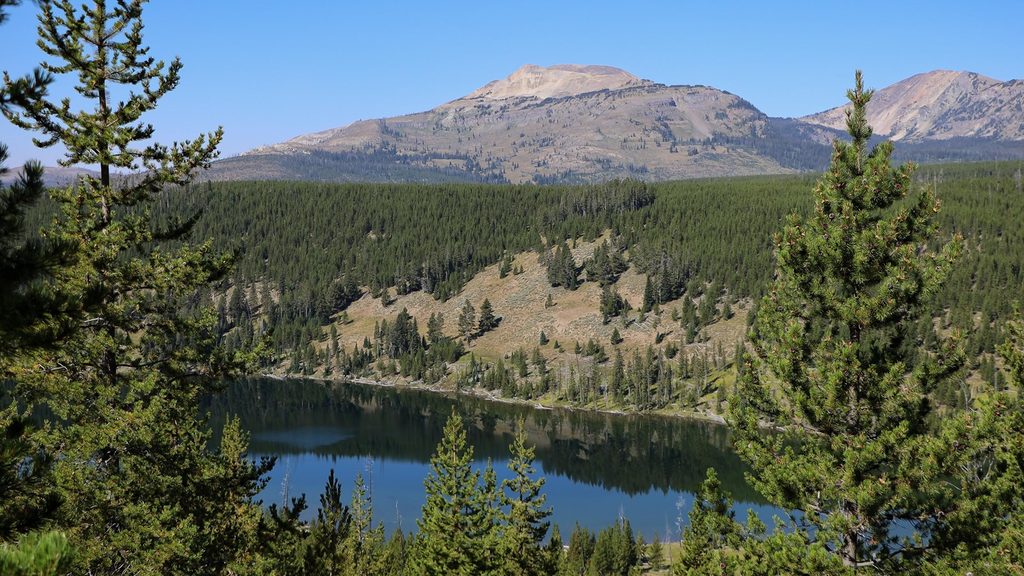
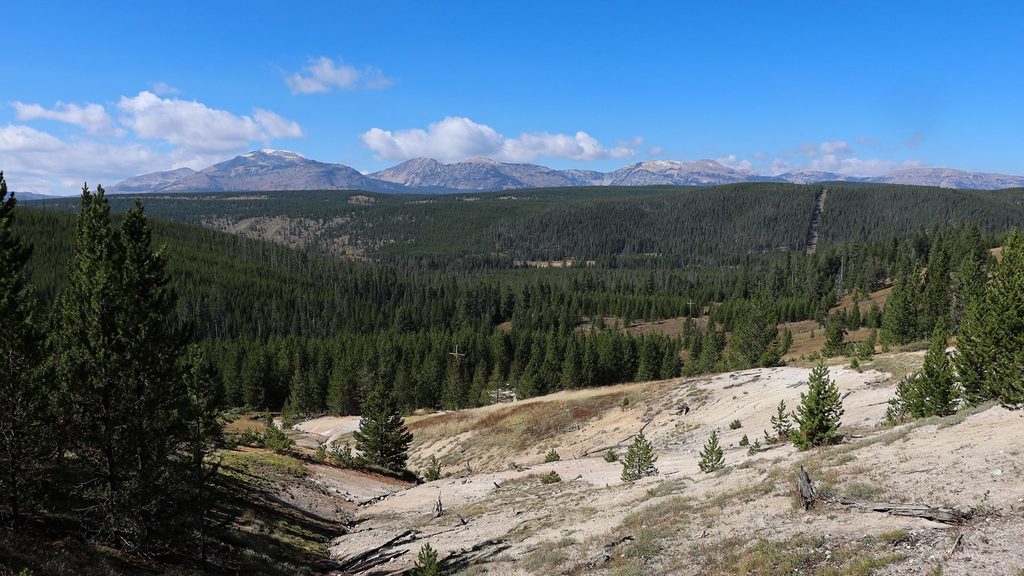
Grizzly Lake is a mellow, under-the-radar payoff off the Mammoth–Norris stretch of Grand Loop Road. The trail crosses open meadow, climbs a short ridge, then mellows out through sage and mixed forest to a broad basin holding the lake. It feels wild but approachable—think wildflowers, birdlife, and big skies without the boardwalk crowds.
The Hike
- Main route: roughly 3.6–4.3 miles round-trip depending on where you turn around. Many hikers stop at the overlook about 1.6 miles in for an easier ~3.2-mile outing. Continuing drops steeply to the shore and to the outlet before you re-climb back to the rim.
- Longer option: a quieter ~9+ mile round-trip approach from the Mt. Holmes Trailhead if you want more solitude.
- Expect a brief but noticeable climb early, a mostly flat middle section, then a short steep descent/ascent near the lake.
What You’ll See
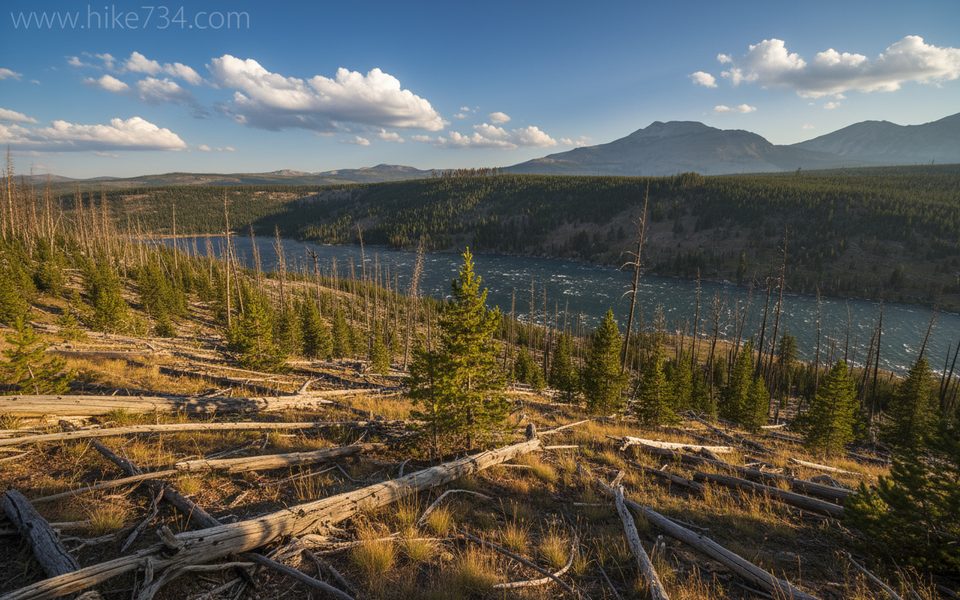
- Open meadows and burn-scarred forest recovering from late-1980s fires.
- Seasonal wildflowers and a serene lake set in a broad, bowl-like basin.
- Wildlife is common: bison, elk, marmots, birds, and—occasionally—wolves and grizzly bears.
Wildlife & Safety
This is genuine bear country. Carry bear spray where you can reach it, hike in a group when possible, make noise in brushy sections, and turn back if wildlife blocks the trail. Give all animals space (100 yards for bears and wolves; 25 yards for others) and never feed or approach. Pets aren’t allowed on this trail.
Conditions by Season
- Best season is generally June–October. Spring melt can leave sections marshy with possible shallow water crossings; expect mud in spots.
- Mosquitoes can be fierce—repellent is your friend. An early start helps with temperatures and bugs on hot summer days.
- Some hikers wade or take a quick dip on warm days; practice Leave No Trace at the shoreline.
Logistics
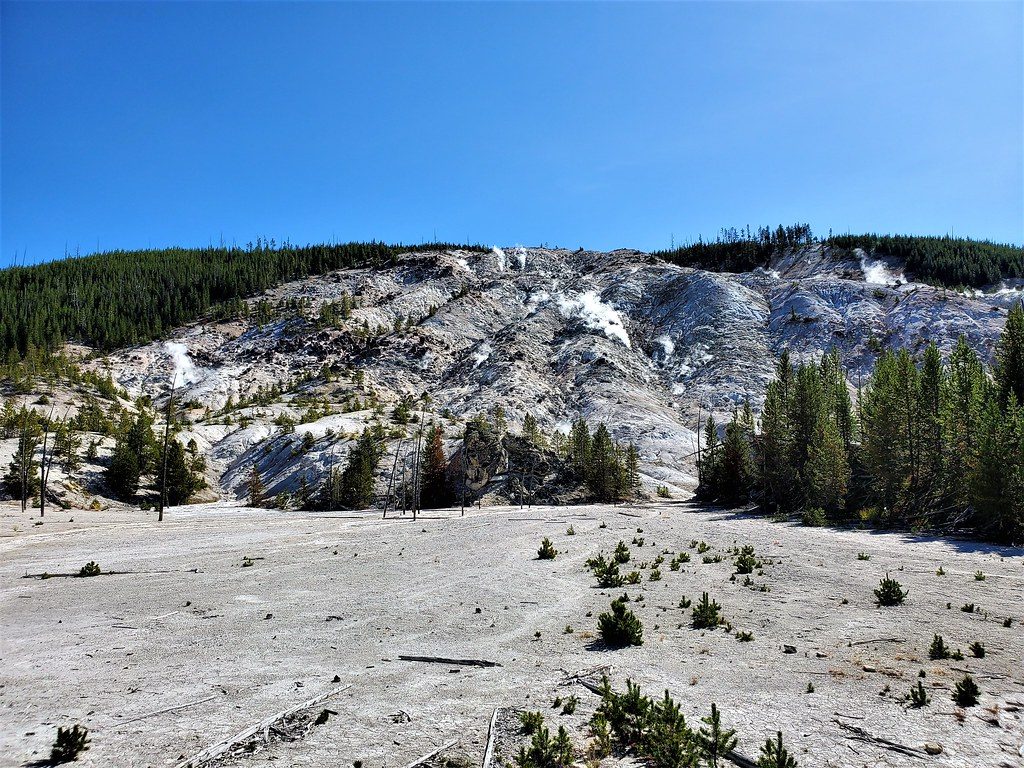
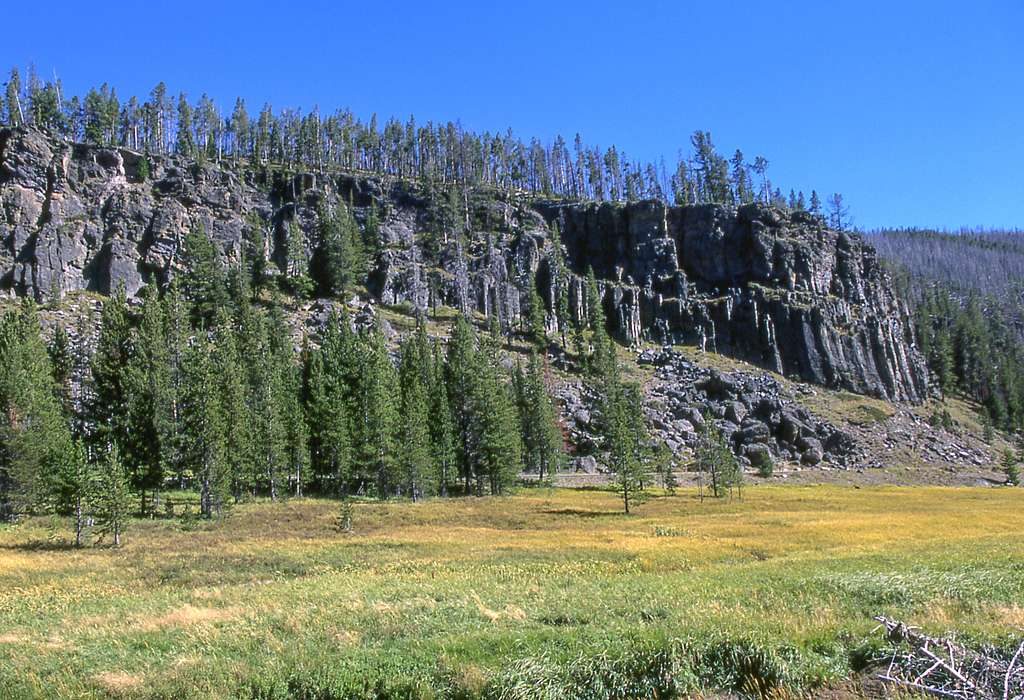
- Trailhead parking is a small roadside pullout between Roaring Mountain and Obsidian Cliff; it can fill during busy periods.
- No restrooms, water, or trash service here. Pack in/out and use facilities in developed areas before or after.
- Cell service is spotty to none; carry a map and know your route.
Fishing
Anglers note potential around the lake and from the longer approach. Check current park fishing regulations and permits before you go.
Best Time to Visit
- Early morning or late afternoon: better light, cooler temps, easier parking, and improved chances for wildlife.
- Weekdays are typically quieter than weekends; this trail is still calmer than the park’s marquee boardwalks even in peak season.