Roaring Mountain

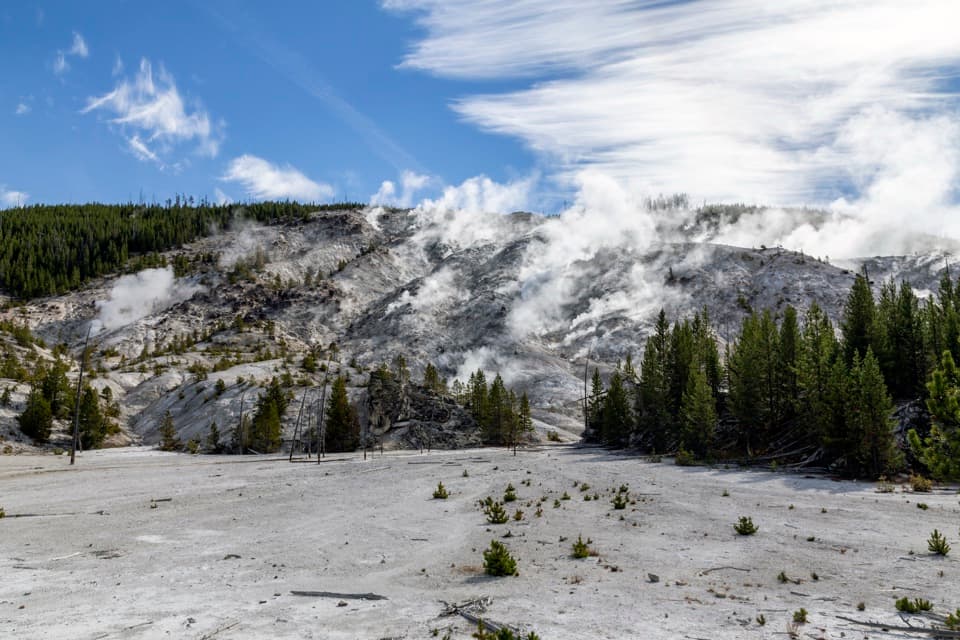
A hissing, steaming hillside of fumaroles right off the road
Roaring Mountain, Yellowstone National Park
InsideYellowstone National Park

Overview

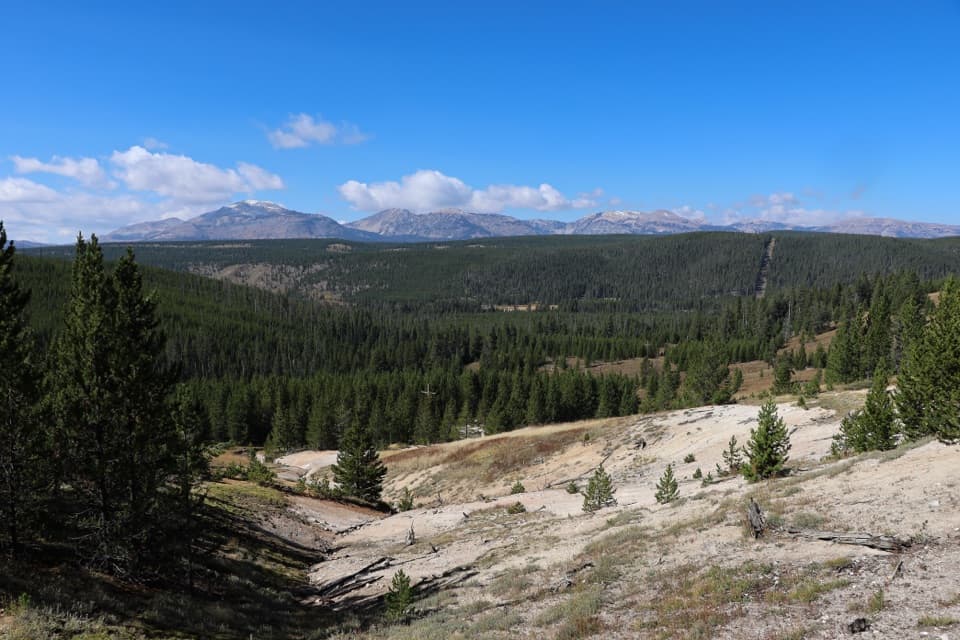
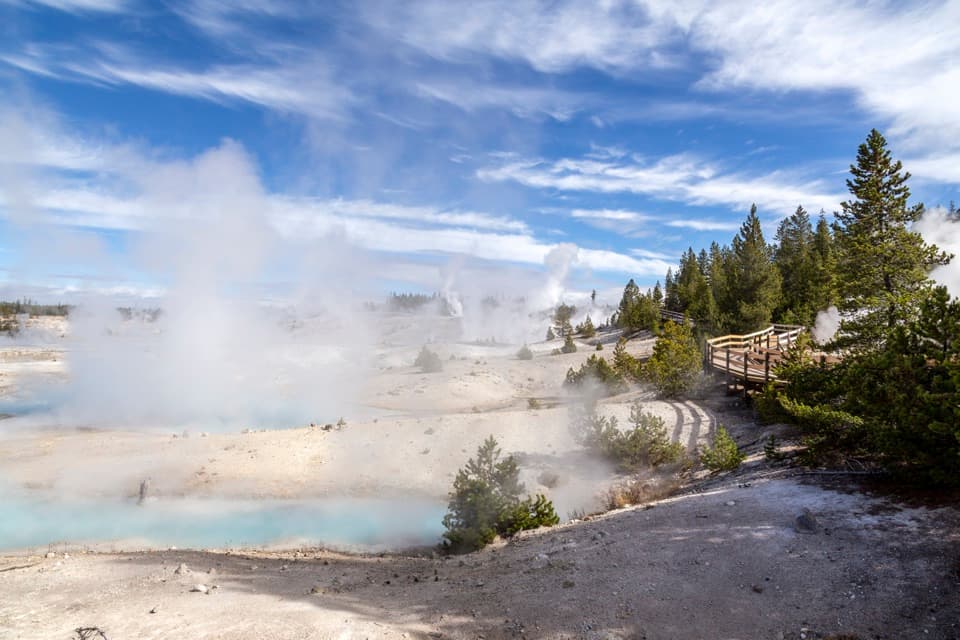
Roaring Mountain is a steep, pale slope studded with steaming fumaroles—an easy, dramatic stop right along the Grand Loop Road between Norris and Mammoth. It’s typically a 5–10 minute pull-over to watch the hillside breathe and snap a few photos.

Geology & history

This is a large, acidic thermal area (a solfatara) with many steam vents. In the late 1800s and early 1900s, the fumaroles here were larger and louder—accounts say the mountain genuinely "roared." Activity has waned since then, so you’ll usually hear a faint hiss rather than a roar today.

What you’ll see

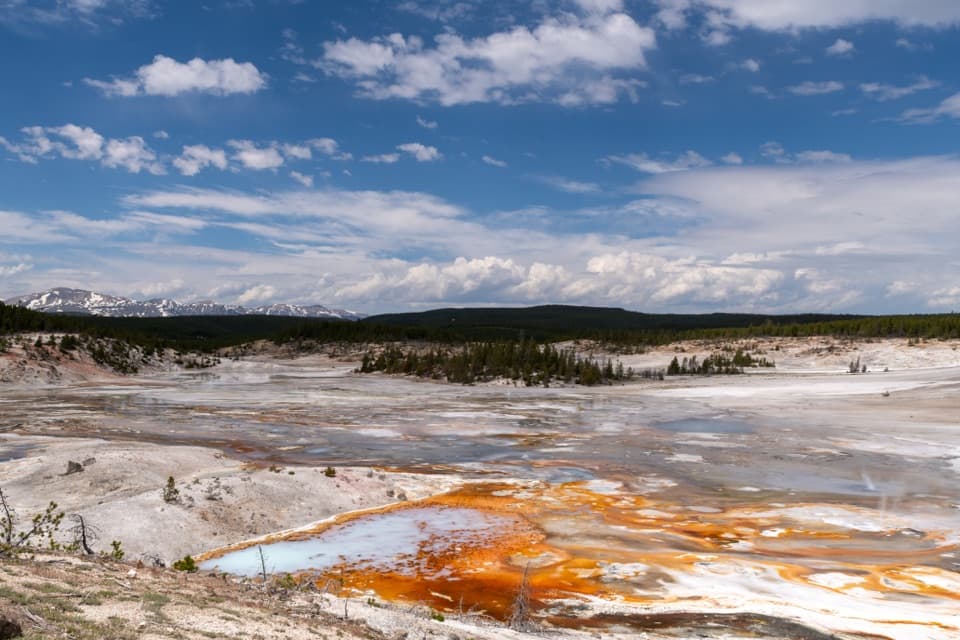
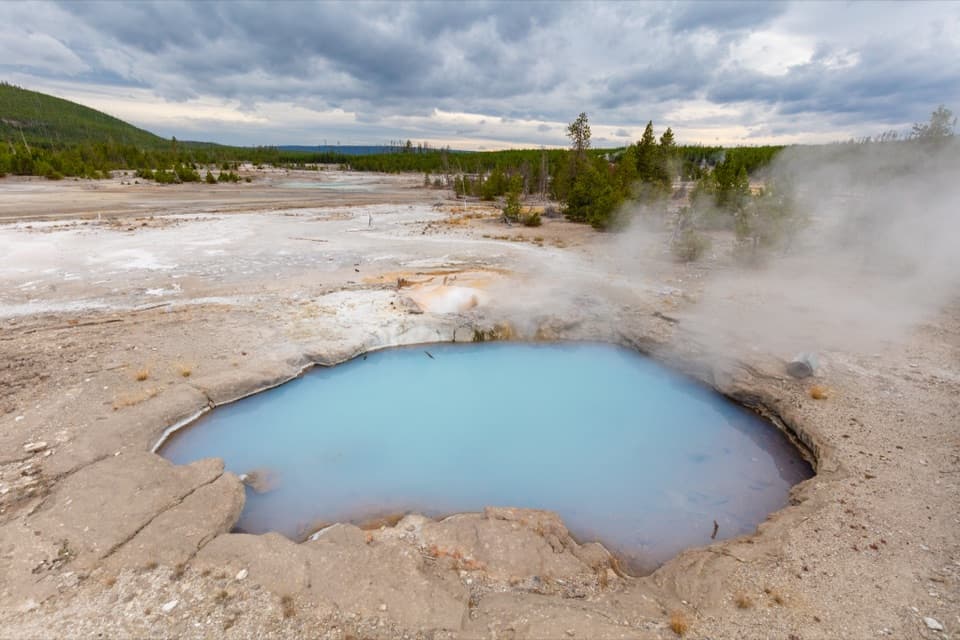
From the small roadside viewpoint, you’ll look across an entire hillside laced with steam vents. The altered, light-colored clays can be blindingly bright in strong sun, while the steam pops against darker skies. On calm days you may hear the hissing; wind and traffic can mask it.

Best time to visit

  • Early morning or cool, calm periods: steam is most visible and sound carries better.
  • Midday heat: expect less visible steam and flatter photos.
  • Winter: the Norris–Mammoth road closes to regular wheeled traffic; only oversnow travel operates then.

Logistics

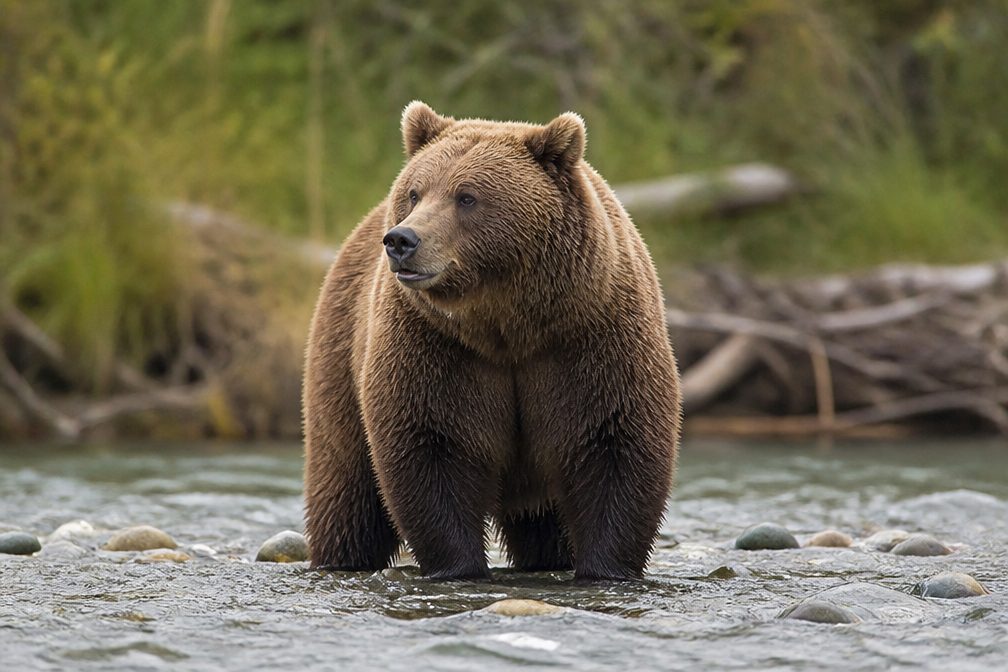
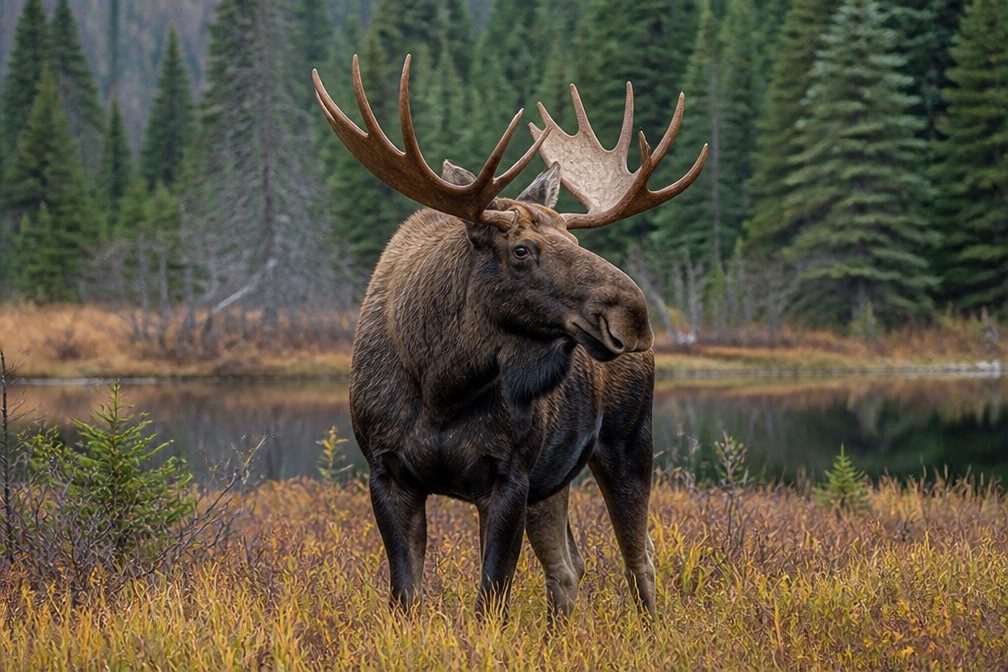
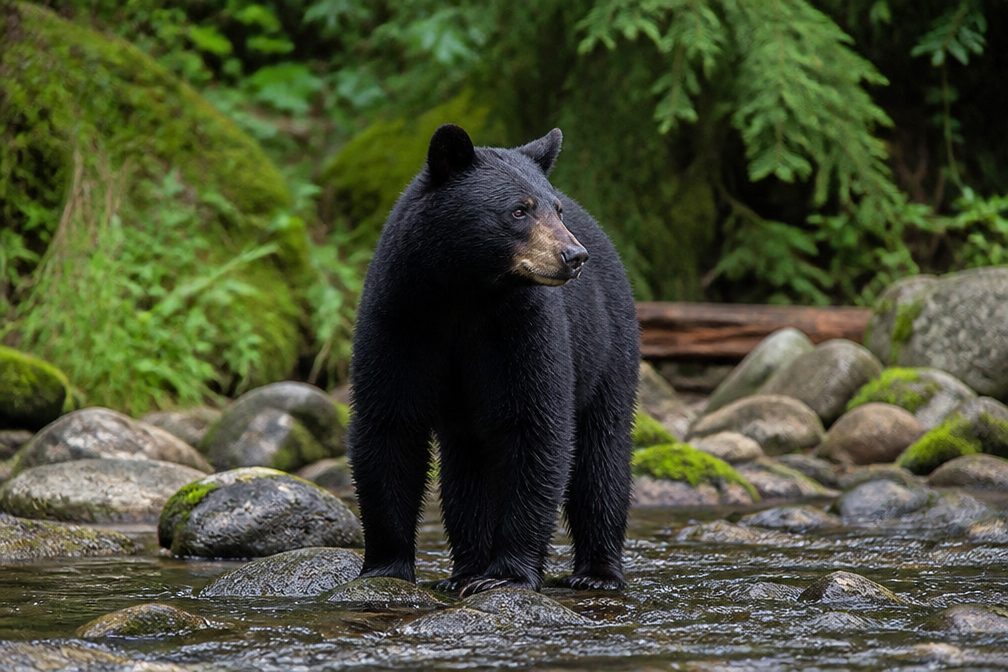
This is a short-stop pullout with limited parking and no services—no restrooms or water. Expect a brief visit. There’s no trail from the stop, but just down the road is the Grizzly Lake Trailhead if you want to stretch your legs. Bears frequent this corridor; give wildlife plenty of space and never approach.

Is it worth it?

Yes, as a quick, high-impact snapshot of Yellowstone’s acid-sulfate system. It’s not the park’s most dramatic stop, but it’s right on the road and delivers otherworldly scenery with minimal effort.

Pros

  • Quick roadside stop with parking
  • Steaming fumaroles most visible on cool, calm mornings

Cons

  • No restrooms or water at the pullout
  • Often quiet now—more hiss than roar

Tips

  • Come early or on cool, calm days for the most visible steam and better sound.
  • There are no restrooms or water here—plan stops at major hubs.
  • Parking is limited; treat it as a quick pullout, not a long visit.
  • If you’re hiking nearby (e.g., Grizzly Lake), carry bear spray and give wildlife space.
  • Sunglasses help with glare off the bright, clay-altered slope.
The Parkwolf tour guide sitting on a phone mounted in a car

Parkwolf Tour Guide

Like a tour guide in your car.

Save the places you found around Yellowstone, then let Parkwolf guide the drive between them.Download Parkwolf on the App Store