Parking
Use the Grizzly Lake Trailhead (1K8) pullout on Grand Loop Road between Roaring Mountain and Obsidian Cliff. Parking is limited.
Yellowstone National Park, WY · MT · ID
A creek bridge, steep fire-scarred climb, and lake between ridges.
Overview
Map & elevation
Plan your hike

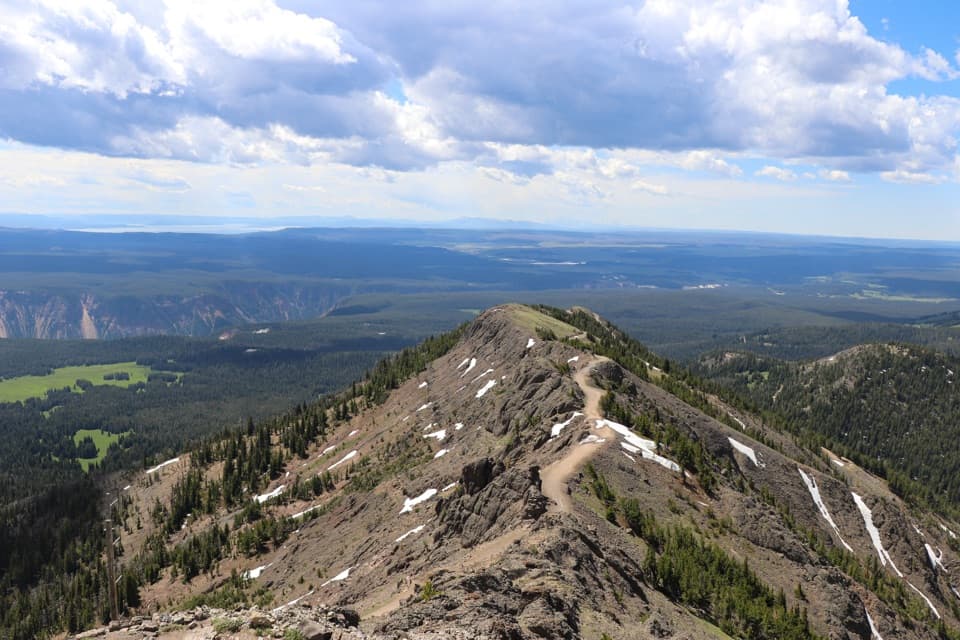
The highest, rockiest slopes around here are a summer buffet for grizzly bears.
Yellowstone Tour Guide
Parkwolf is a GPS audio tour guide for Yellowstone National Park. As you drive, it chimes in with what’s ahead: hidden gems, upcoming stops, history, geology, and wildlife, right through your car’s speakers.
See the Yellowstone audio tourRecorded for this trailhead
Grizzly Lake Trailhead“You're approaching Grizzly Lake Trailhead, for a hike to a narrow lake between two ridges. Allow about three hours for the four-point-two-mile round trip, with steep climbing on both the outward and return legs.”
Plays as you drive up to this trailhead in the Parkwolf Yellowstone Tour Guide.
More stories near here in the app
“First time driving through a national park. We used the Yellowstone tour on grand loop Road and it’s just like having a tour guide in your car with you.”


Trail guide
This is a 4.2-mile out-and-back from Grizzly Lake Trailhead (1K8) on Grand Loop Road. You cross Obsidian Creek, work through a wet meadow, climb steeply over a ridge, then descend to Grizzly Lake, tucked between two ridges. Allow about three hours for the mapped route and return. Published mileage ranges from 3.6 to 4.2 miles; the mapped path reaches the shore at about 2.1 miles one way, so 4.2 is the safer planning figure. No pets are allowed.
The trail starts beside the road and crosses a small wooden bridge into a marshy meadow with grasses and wildflowers. Around four-tenths of a mile in, steep switchbacks climb the hillside in two bursts, gaining roughly 500 feet to a ridge. The climb is followed by a steep descent to the lake, so the return means climbing back over that ridge.
Many of the dead snags and open slopes come from the 1988 fires. The hillside had burned before; when it burned again, stark photographs of the slope helped create the false impression that the whole park had been devastated.
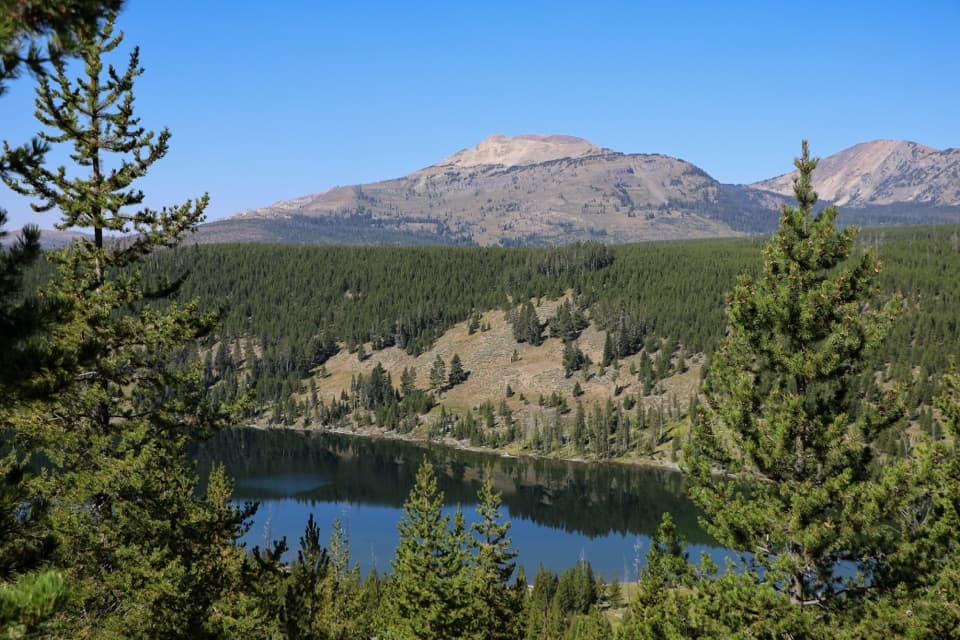
The lake sits in a narrow basin between ridges, with grassy edges, fallen logs and pines. It covers about 135 acres and reaches 36 feet at its deepest; brook trout live here. From the established shore, pine branches frame the dark water and pale rocky ridge beyond, a distinctive view worth pausing for.
The mapped day hike turns back at the lake. The path continues around its north end, crosses the outlet and follows Straight Creek toward the Mount Holmes–Winter Creek junction, with backcountry campsites along the way. That longer itinerary is outside this route; overnight camping requires a backcountry permit.
Wildlife
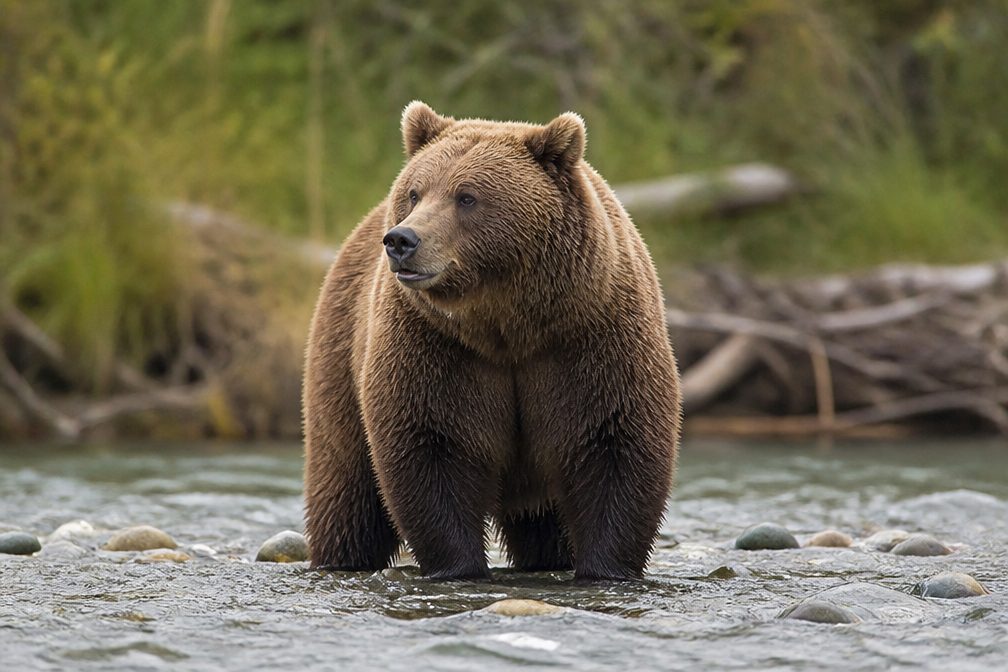 713 sightingsGrizzly BearMost seen around 6 AMSighting map
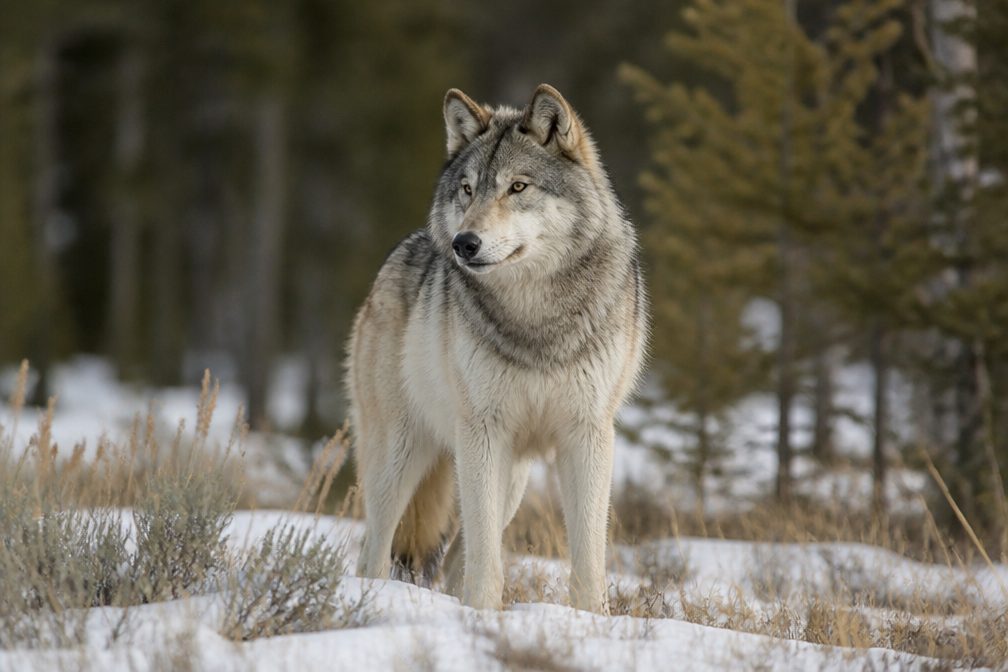 743 sightingsWolfMost seen around 6 AMSighting map
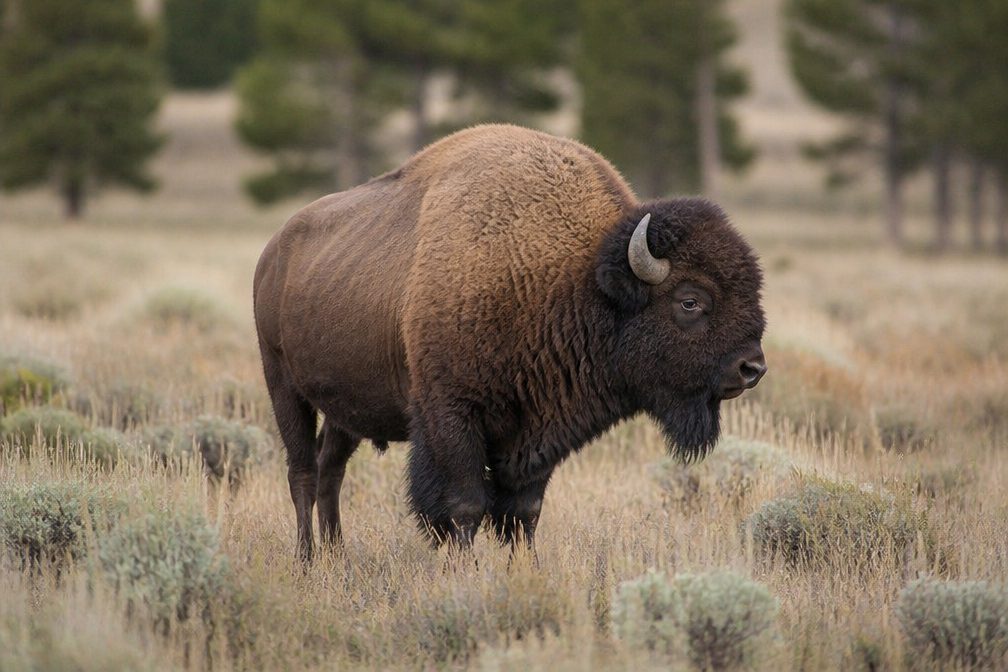 5,273 sightingsBisonMost seen around 7 AMSighting map
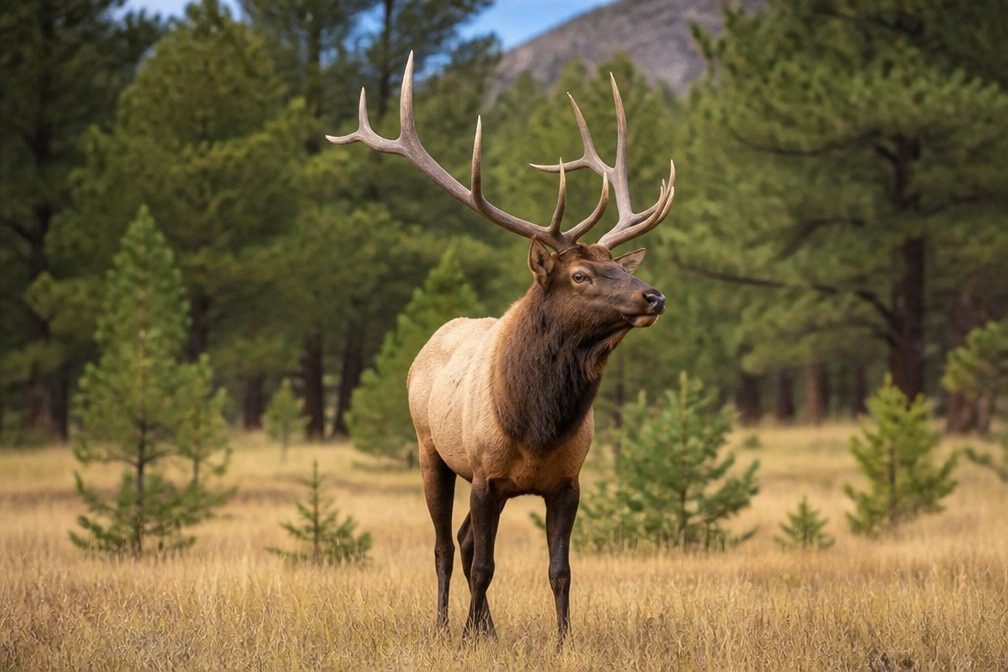 3,258 sightingsElkMost seen around 7 PMSighting map
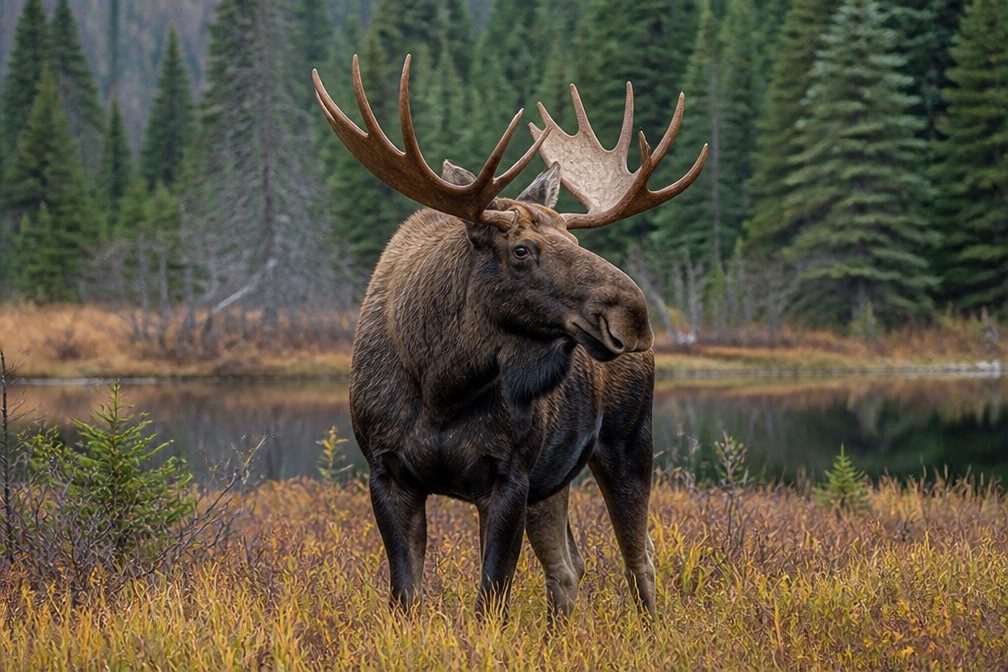 397 sightingsMooseMost seen around 7 PMSighting map
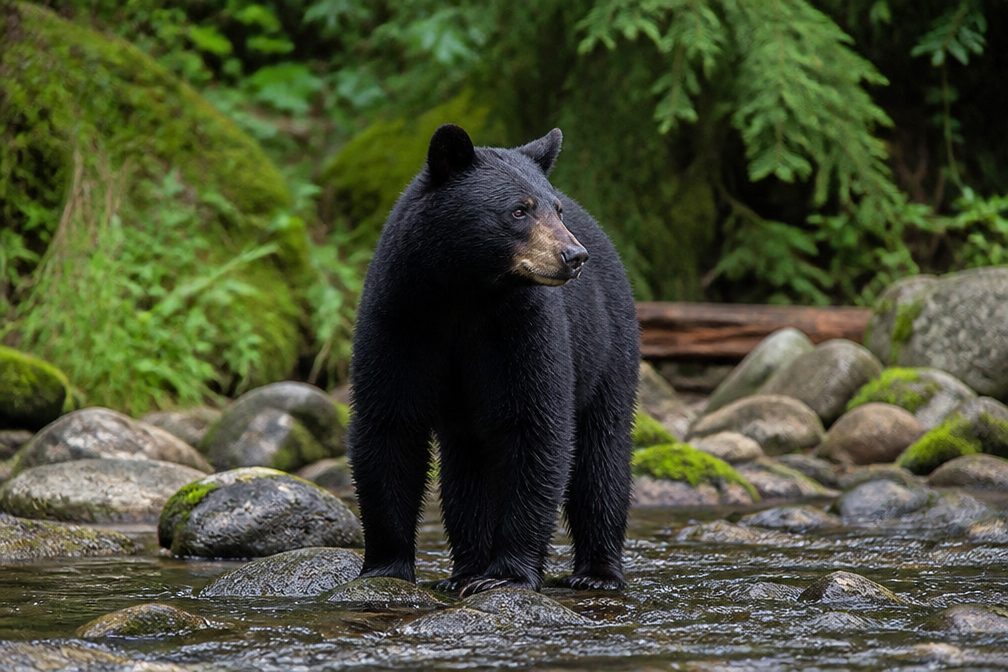 1,494 sightingsBlack BearMost seen around 7 PMSighting map
Sighting maps show where each species has been reported across Yellowstone. Wildlife moves, so no sighting is guaranteed.
Keep exploring
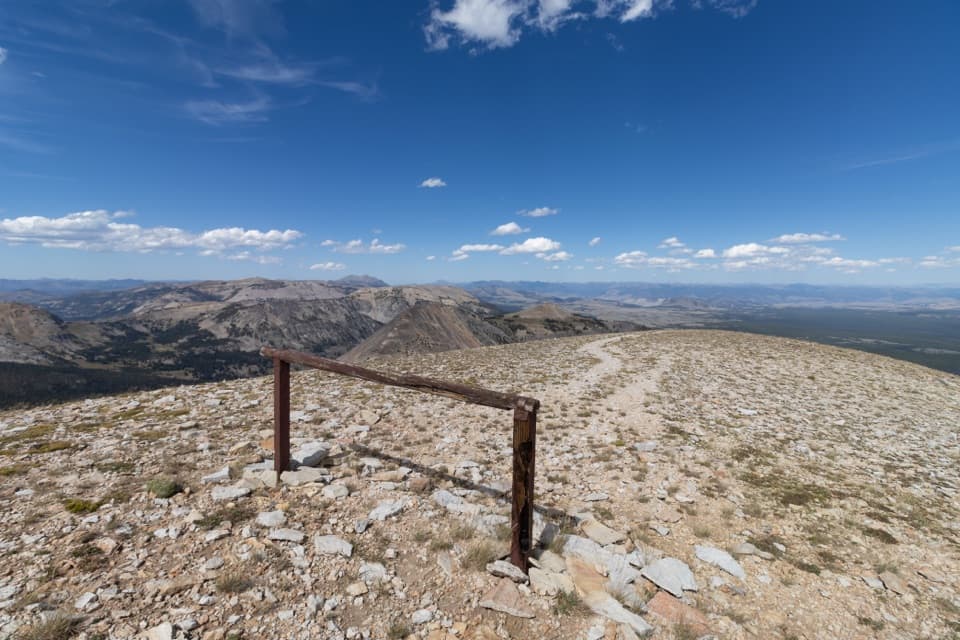 ChallengingMount Holmes Trail21.6 mi · 11.5 hr · 2.8 mi awayA full-day climb from Winter Creek meadows to a 10,336-foot summit.
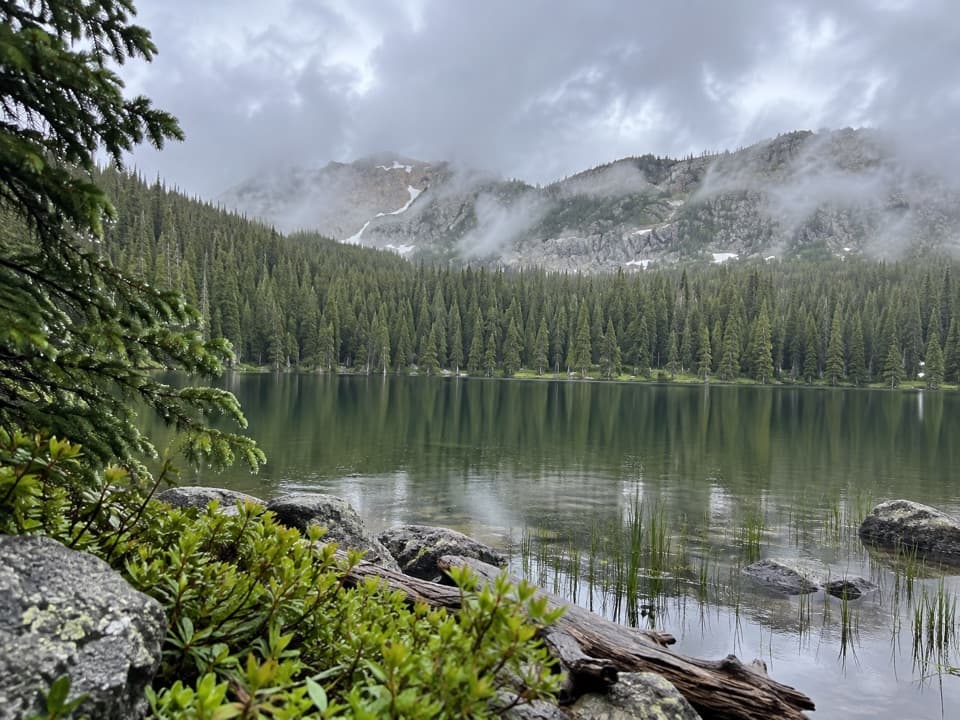 ChallengingTrilobite Lake Trail15.6 mi · 8.5 hr · 2.8 mi awayA long climb to a quiet lake beneath Mount Holmes.
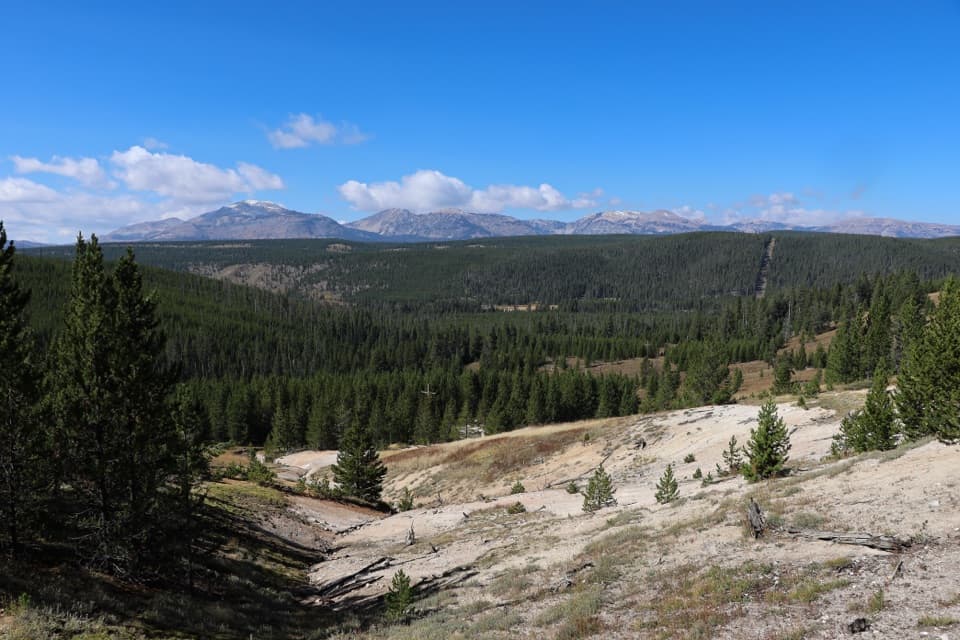 ModerateSolfatara Creek Trail6.3 mi · 3.5 hr · 4.9 mi awayA long thermal creek walk through forest, meadows, and hot springs
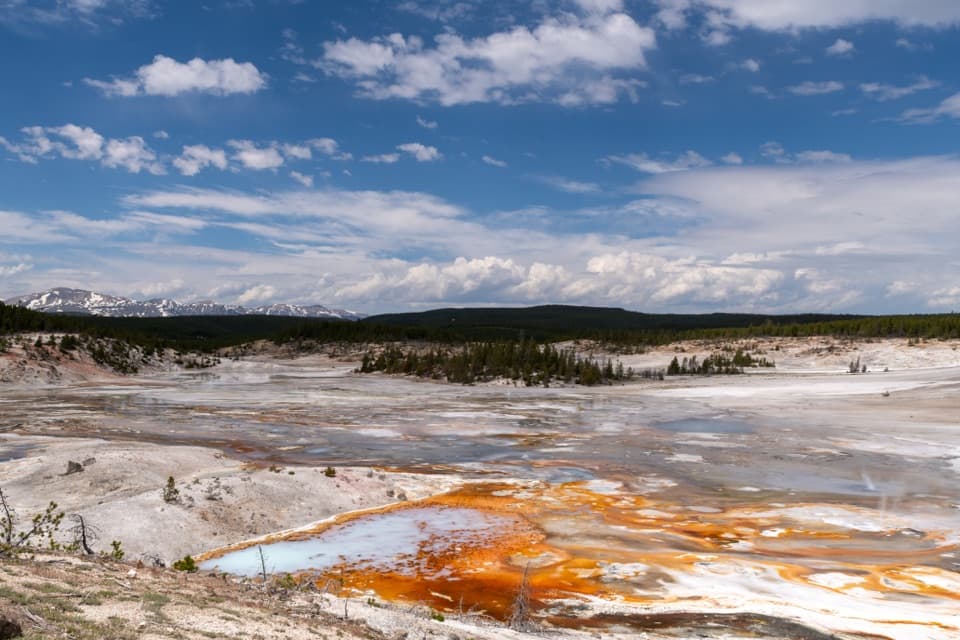 EasyPorcelain Basin Trail1 mi · 45 min · 5.4 mi awayLoop past steaming geysers and vivid runoff in a pale basin.
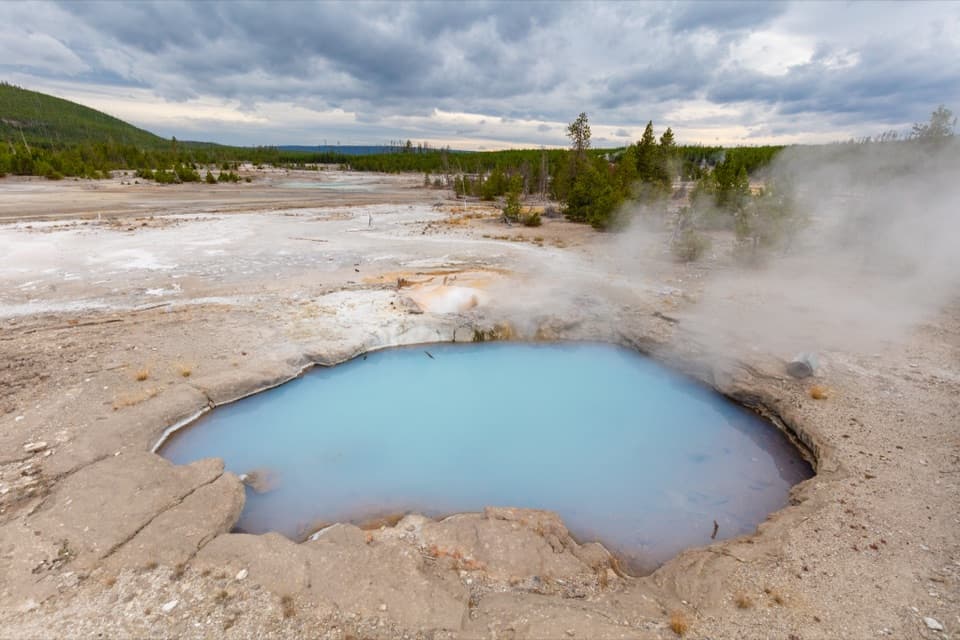 EasyBack Basin Trail1.5 mi · 1.3 hr · 5.4 mi awayA wooded thermal loop with geysers scattered through the pines.
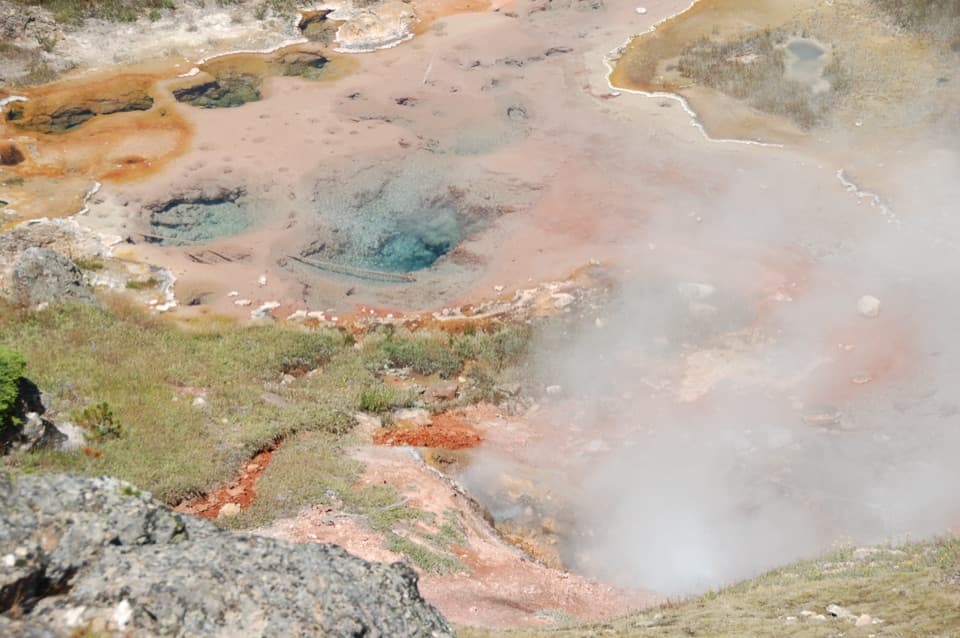 EasyArtists Paintpots Trail1 mi · 45 min · 7.1 mi awayA short loop past bubbling mud and a steep climb.
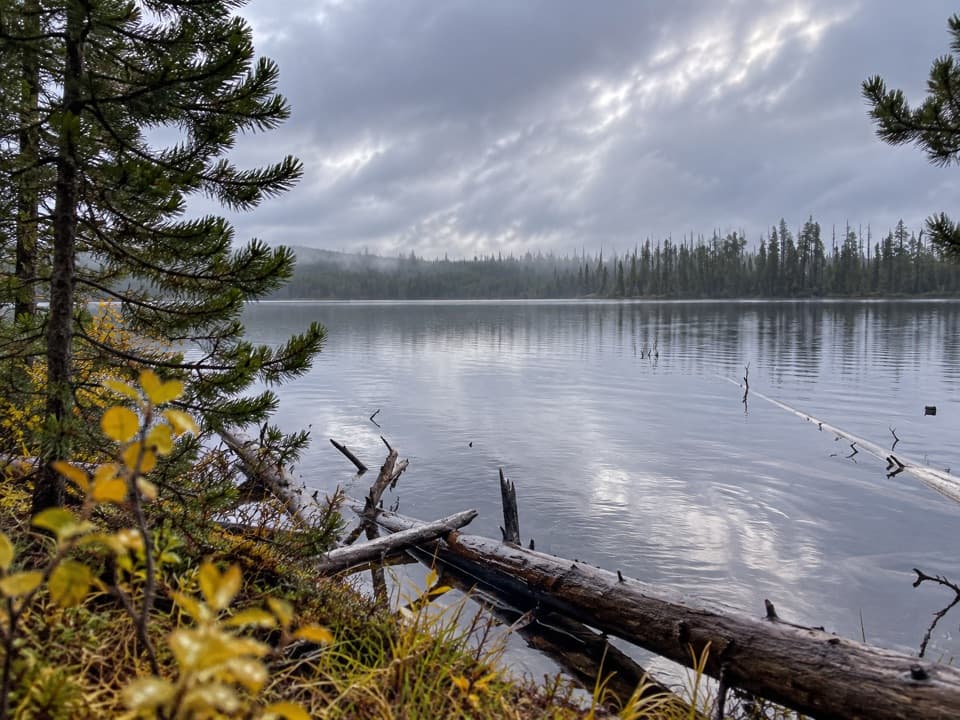 EasyIce Lake Trail1 mi · 45 min · 7.9 mi awayA short forest walk to the western edge of Ice Lake.
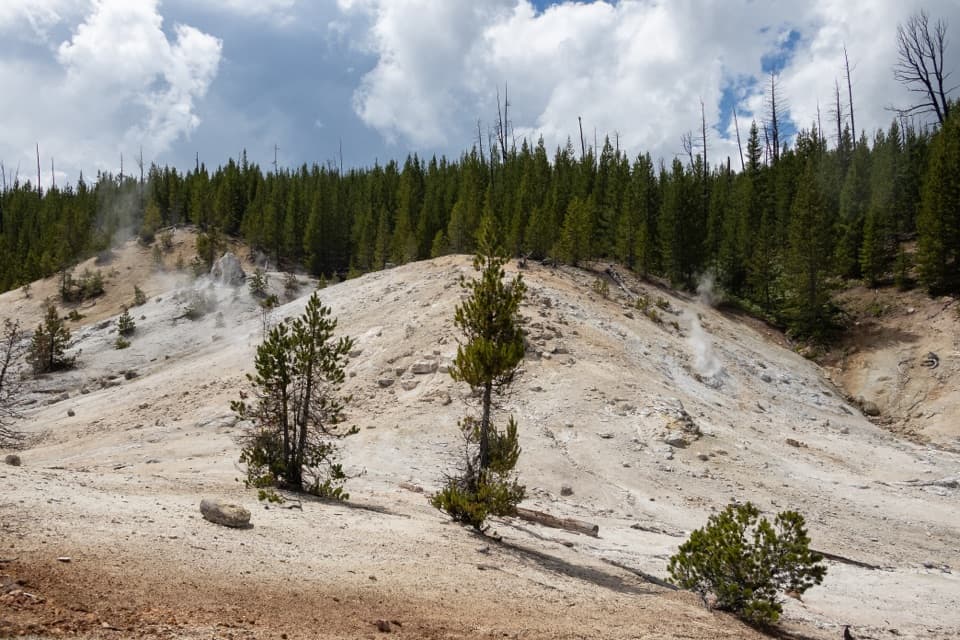 ModerateMonument Geyser Basin Trail2.4 mi · 2 hr · 8 mi awayA steep climb from the Gibbon River to a pale thermal basin.
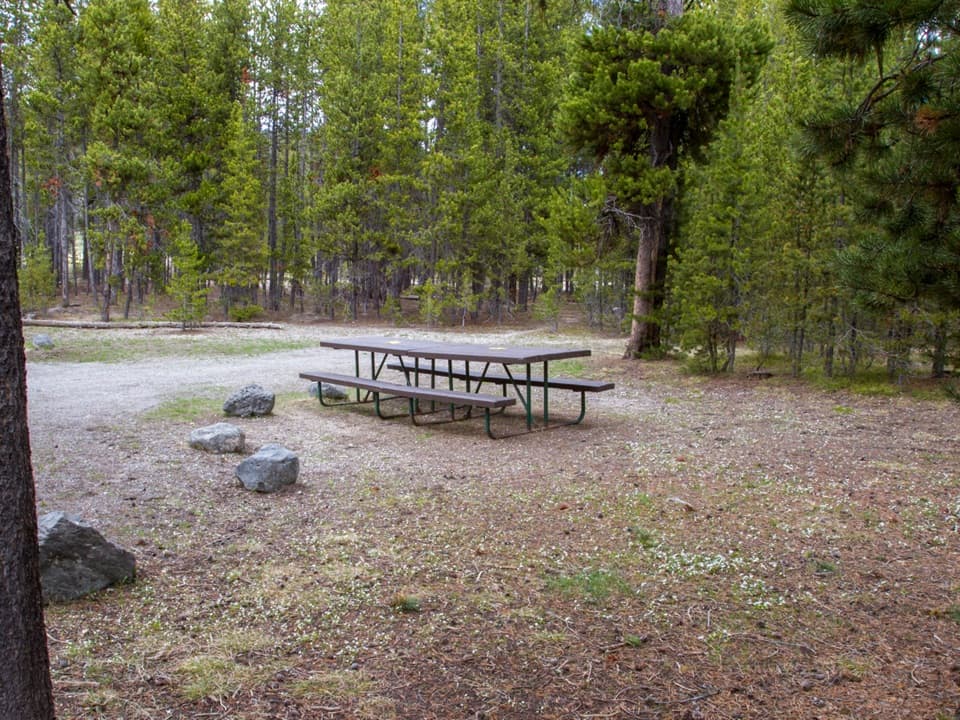 Picnic area · 1.1 mi awayBeaver Lake Picnic AreaNine tables make this a useful break between Norris and Mammoth.
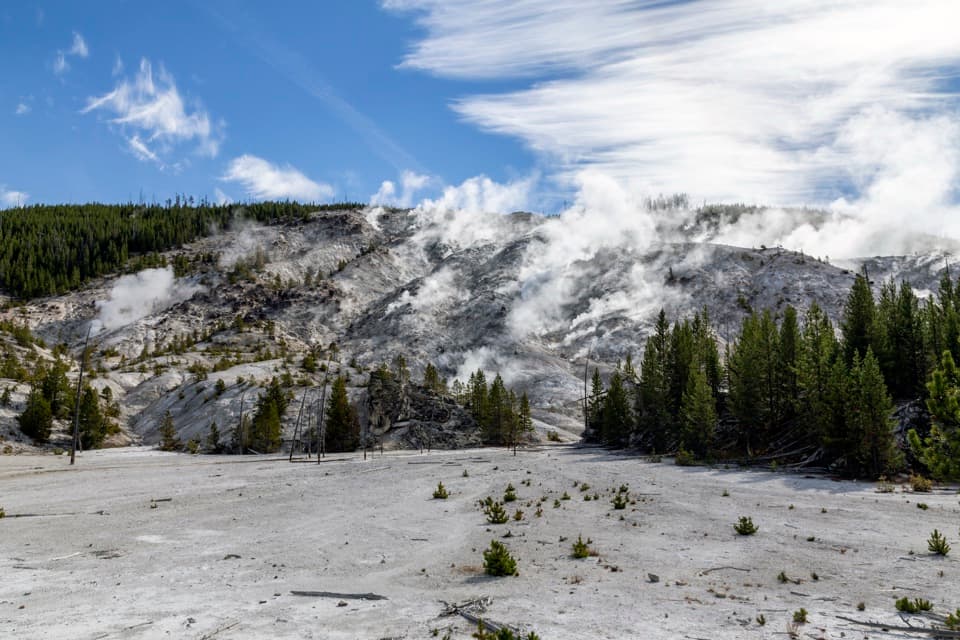 Sight · 1.3 mi awayRoaring MountainA quick pullout for Yellowstone's steam-vented chalky hillside.
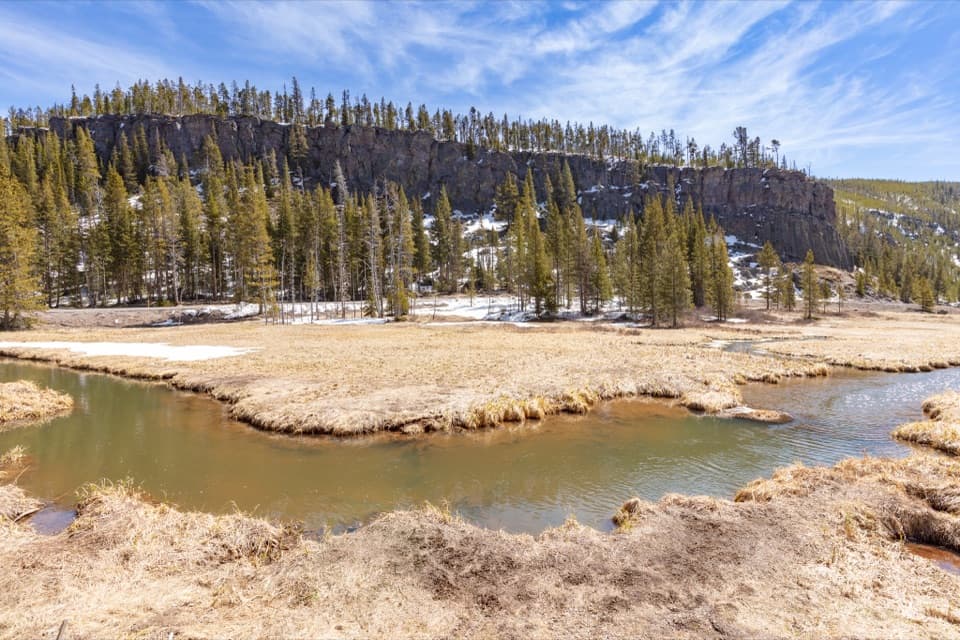 Sight · 1.9 mi awayObsidian CliffA brief roadside stop for 11,000 years of toolmaking history.
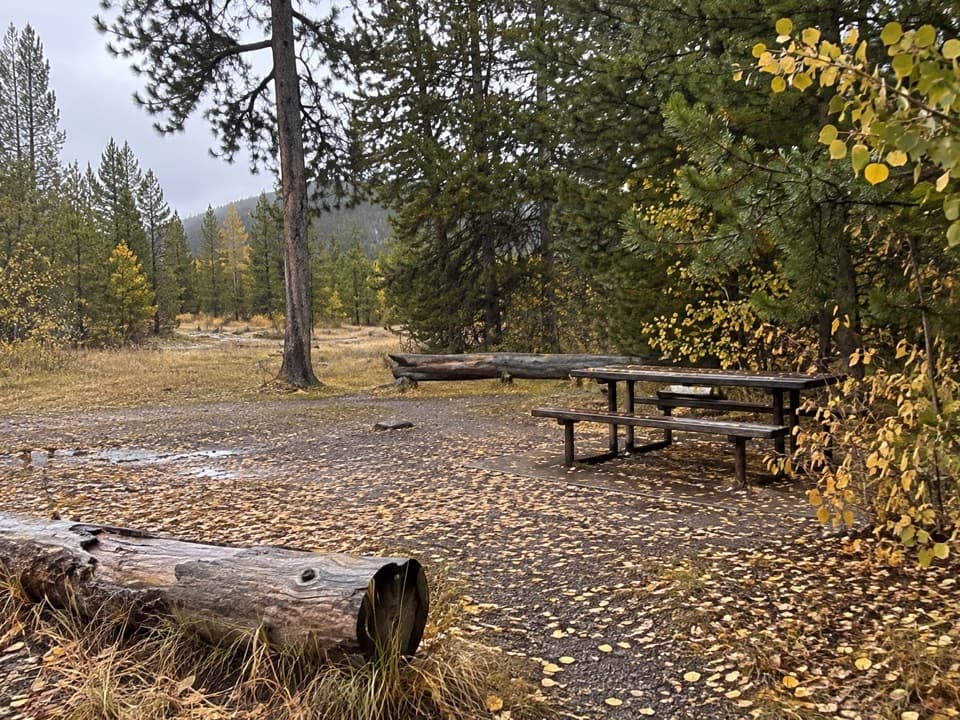 Picnic area · 3.1 mi awayApollinaris Spring Picnic AreaSix picnic tables make an easy lunch stop between Mammoth and Norris.
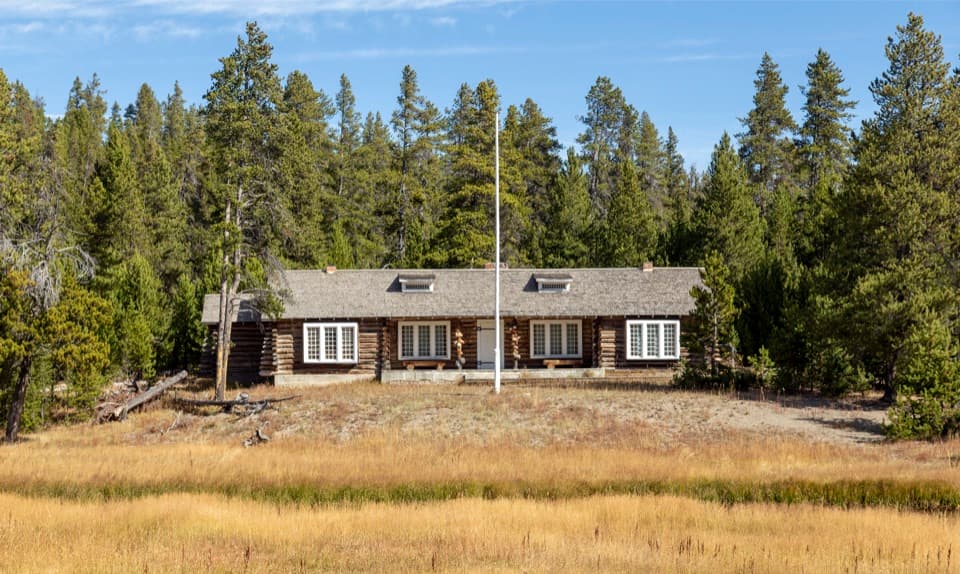 Sight · 4.8 mi awayMuseum of the National Park RangerA small log museum traces Yellowstone's ranger profession.
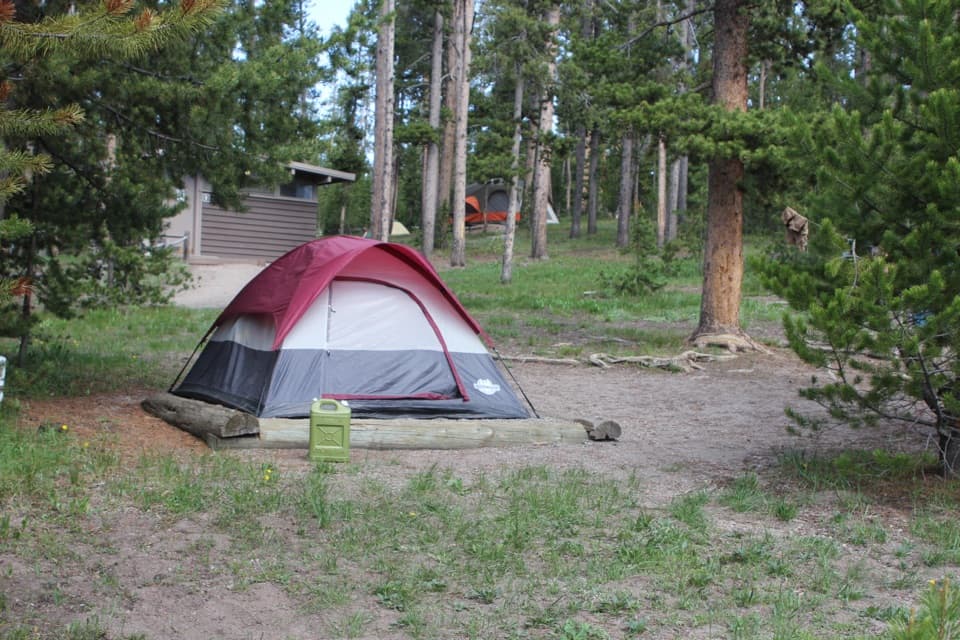 Campground · 4.9 mi awayNorris CampgroundA central campground beside Yellowstone’s Gibbon River meadow.
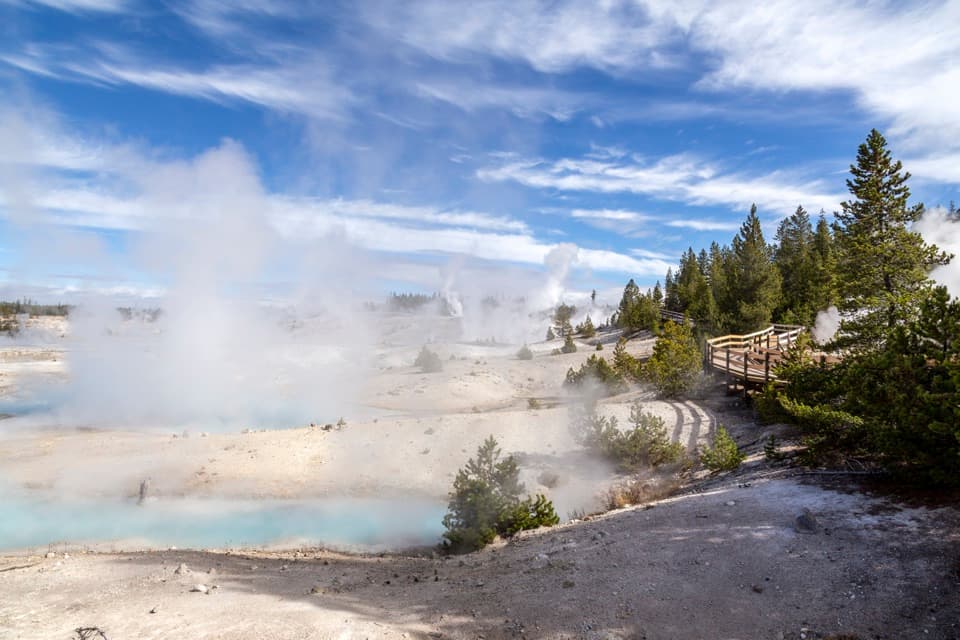 Sight · 5.4 mi awayPorcelain Basin OverlookA short boardwalk reveals changing colors across a thermal basin.
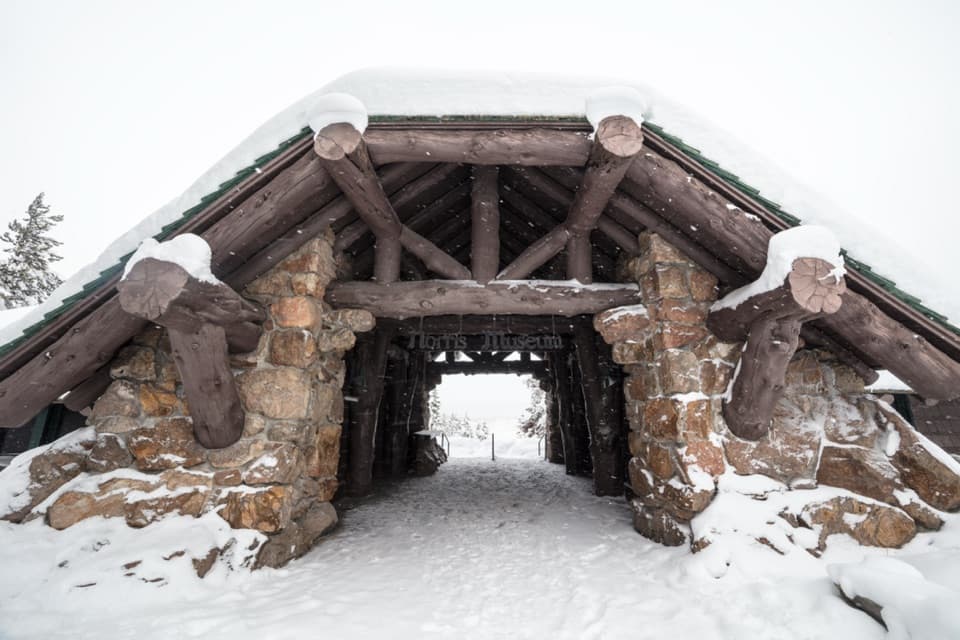 Sight · 5.4 mi awayNorris Geyser Basin Museum and Information StationA 1930 stone and log museum opens onto Norris’s geothermal story.
Parkwolf’s Yellowstone ranking

The audio tour guide for the drive, plus offline maps, trails, and wildlife heatmaps for when the signal drops.