Madison Campground

Central base with flush restrooms and wildlife on your doorstep
Madison Campground, Yellowstone National Park
InsideYellowstone National Park

Overview

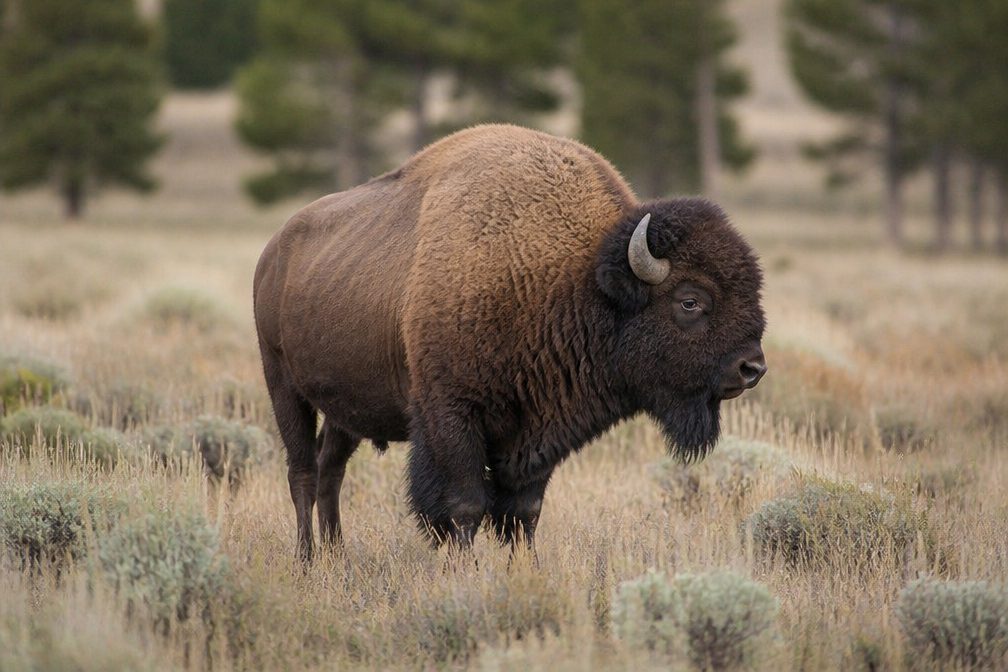
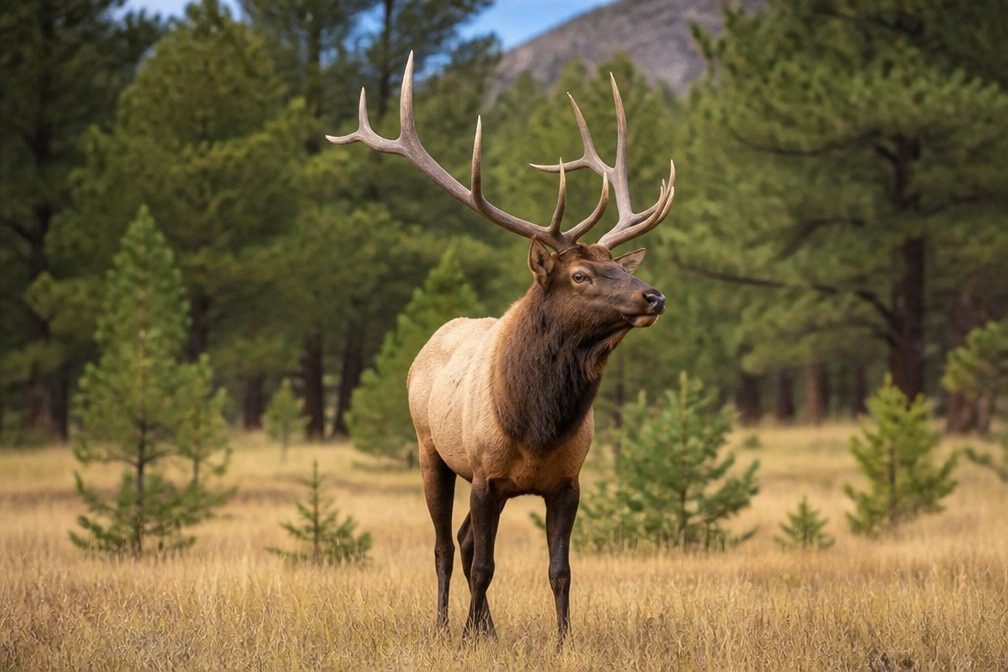
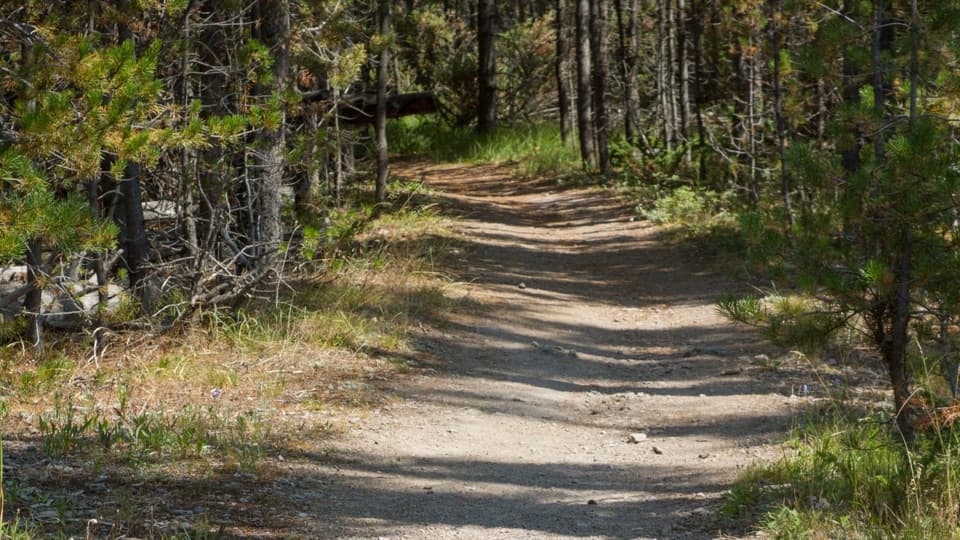
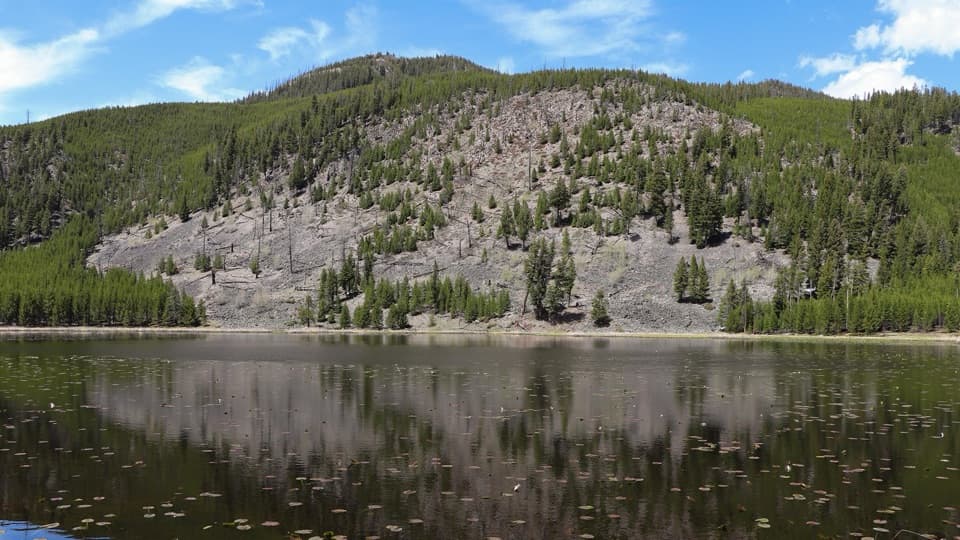
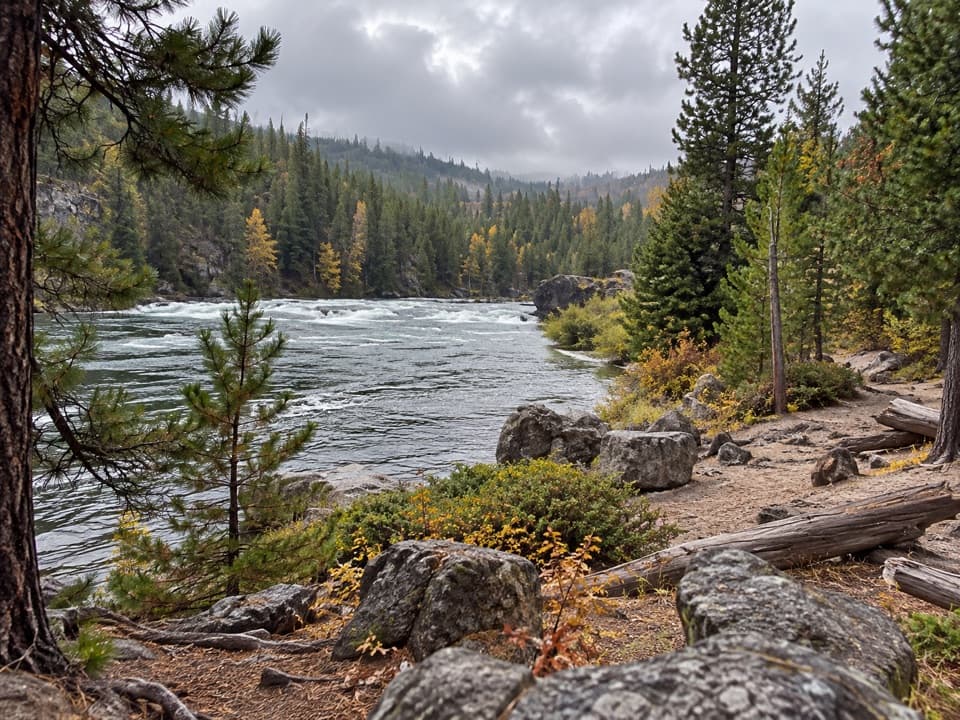
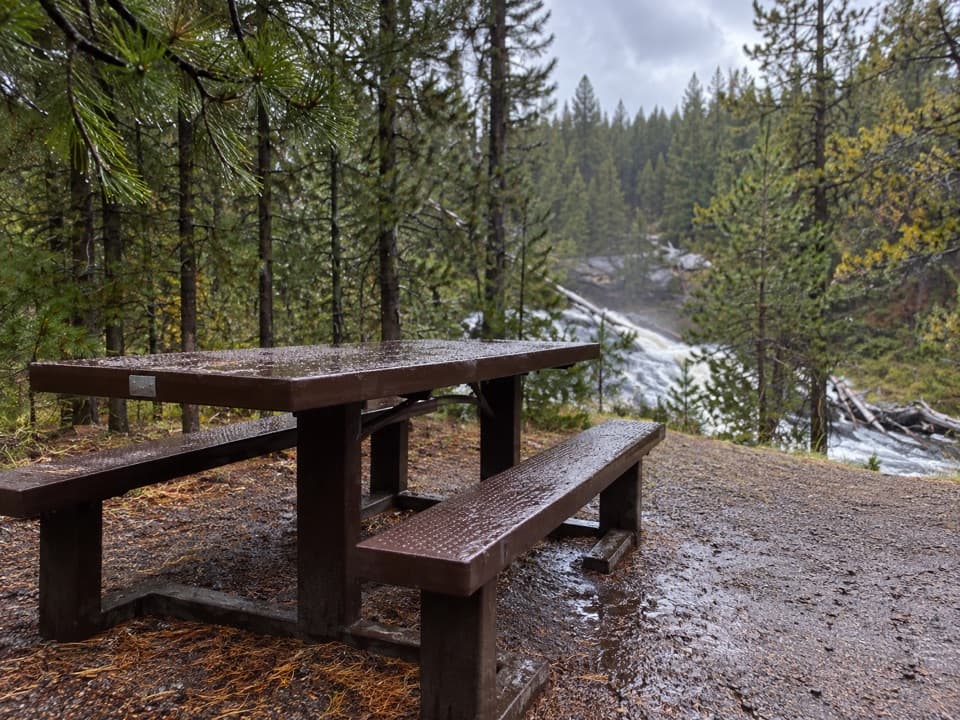
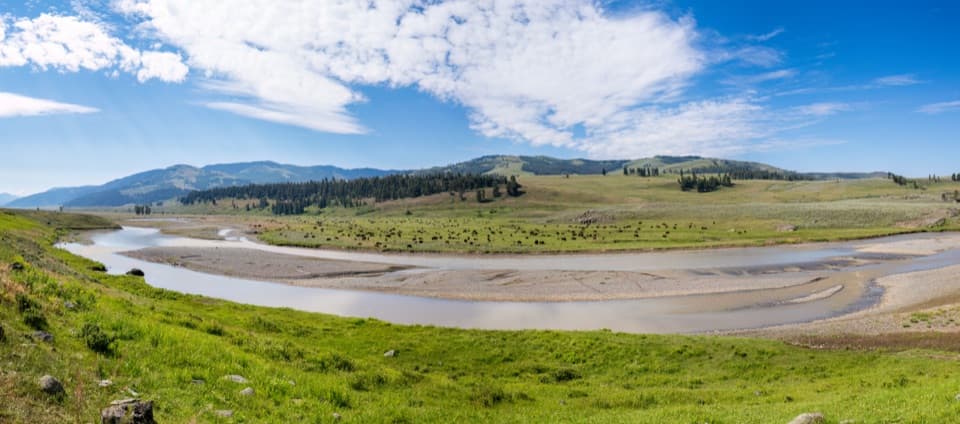
Set at about 6,800 feet where the Gibbon and Firehole rivers join to form the Madison, this is one of the park’s biggest campgrounds and a smart, central base. It sits 14 miles from West Yellowstone and about 16 miles from Old Faithful, so day-tripping to the geyser basins is easy. Expect lodgepole pines, riverside strolls, and frequent wildlife—bison wander through and elk bugle in fall.

Campsites & Facilities

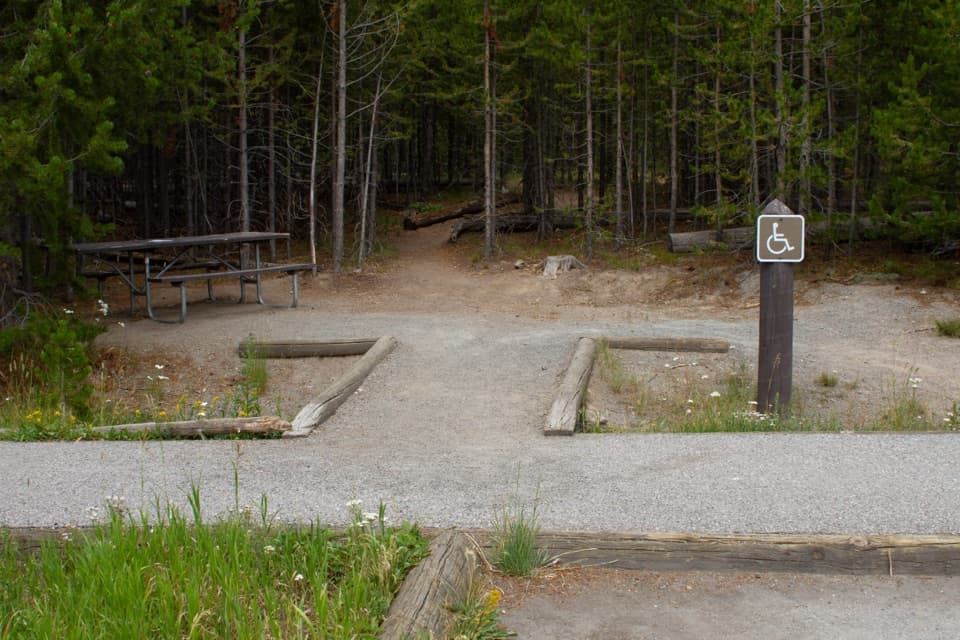
  • Size: 276 individual sites plus a few group and hiker/biker sites.
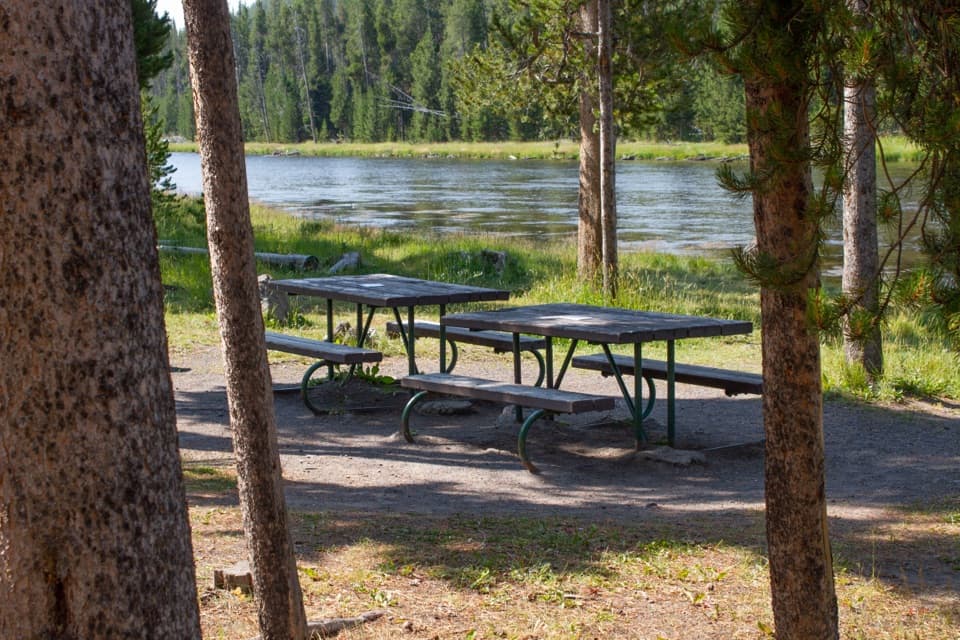
  • At-site essentials: picnic table and fire ring/grate; bear boxes and bear-safe dumpsters are provided.
  • Restrooms: 14 buildings with flush toilets and cold running water; many have dishwashing sinks.
  • Water and power: no hookups; potable water via spigots (typically unthreaded) and no hot water.
  • Showers/laundry: none on-site; nearest options are in the Old Faithful/Canyon areas.
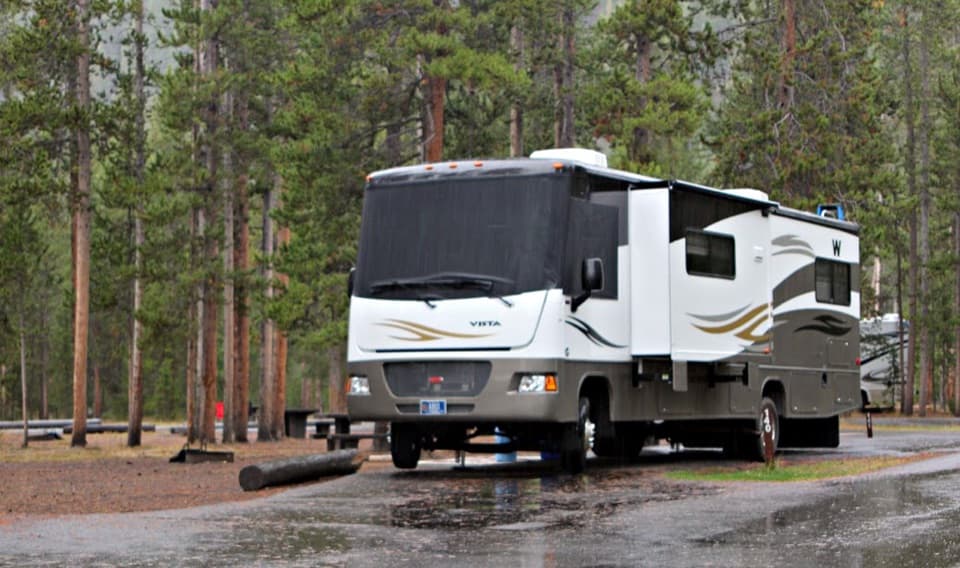
  • RVs: sites vary and some aren’t perfectly level; on-site dump station (can close early/late season due to freezing). Generator hours are 8 a.m.–8 p.m. (≤60 dB).
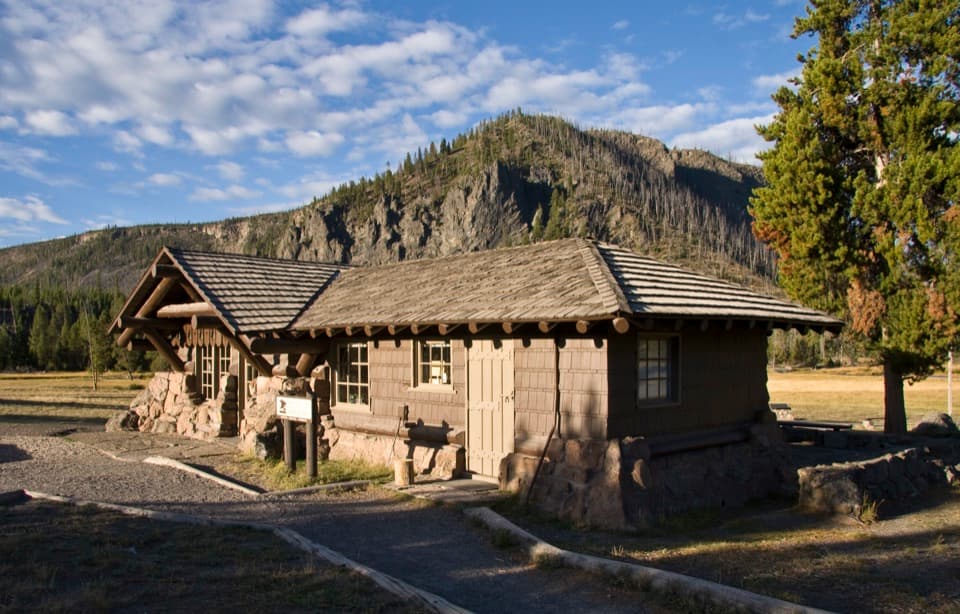
  • Services: firewood for sale, coin-op ice/soft drink machines, recycling and refuse, and fishing licenses available. Evening ranger programs are often held at the amphitheater.

Wildlife & Setting

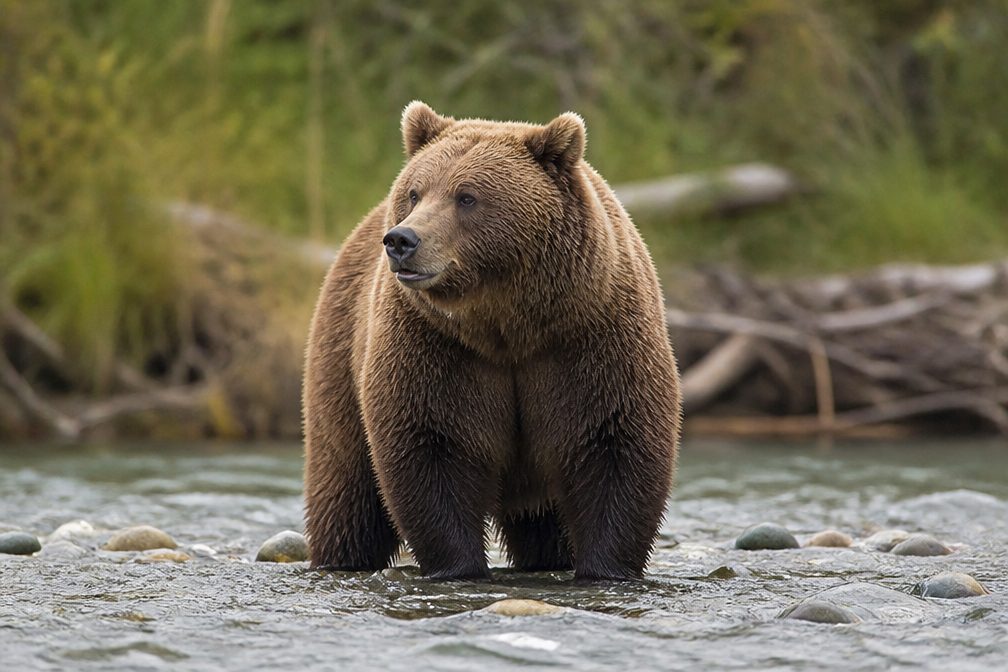
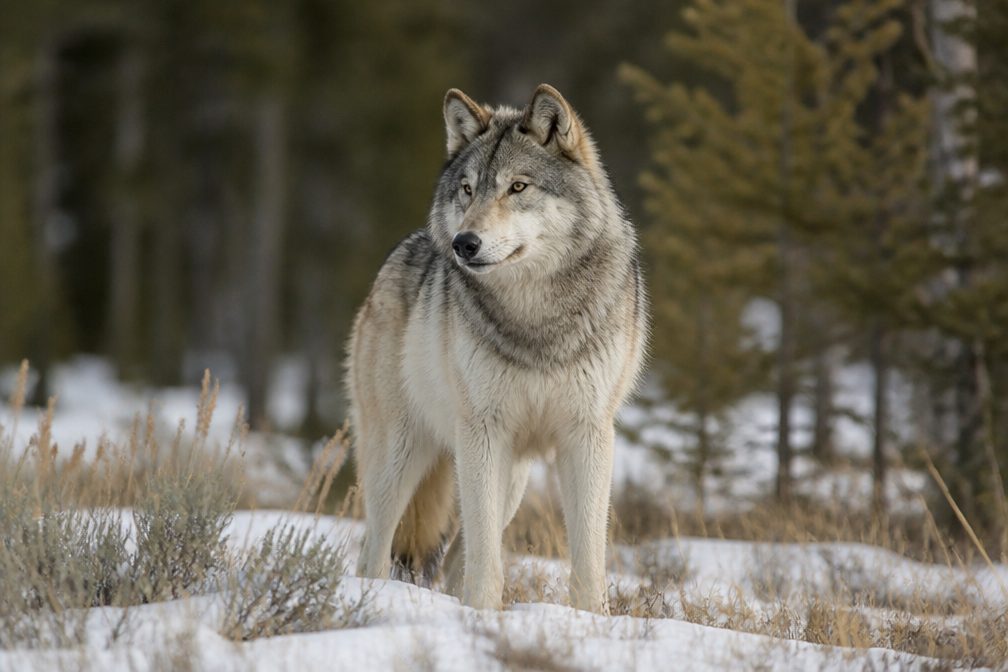
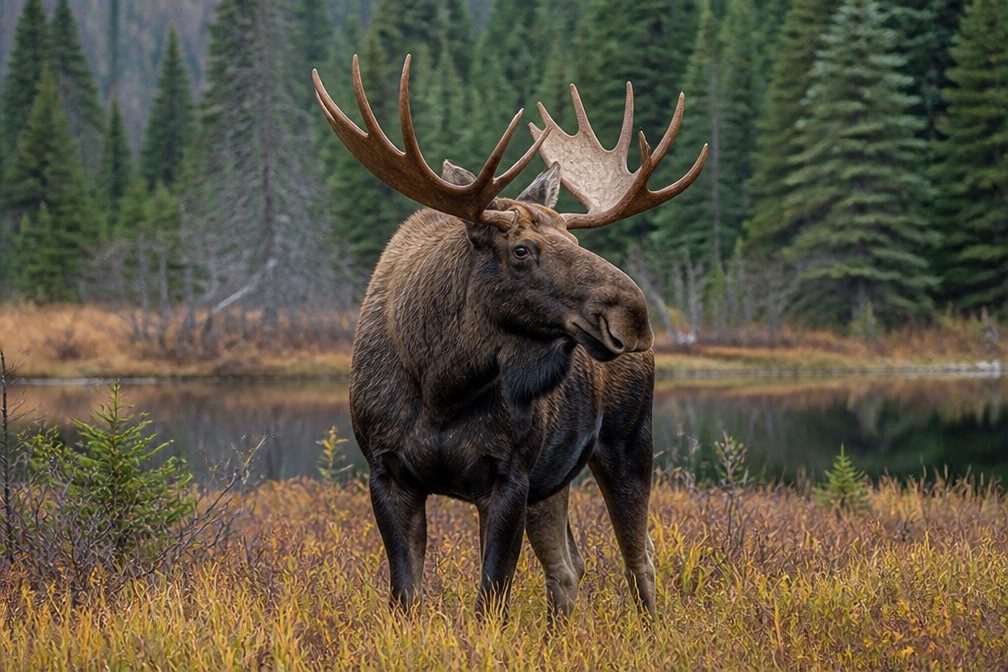
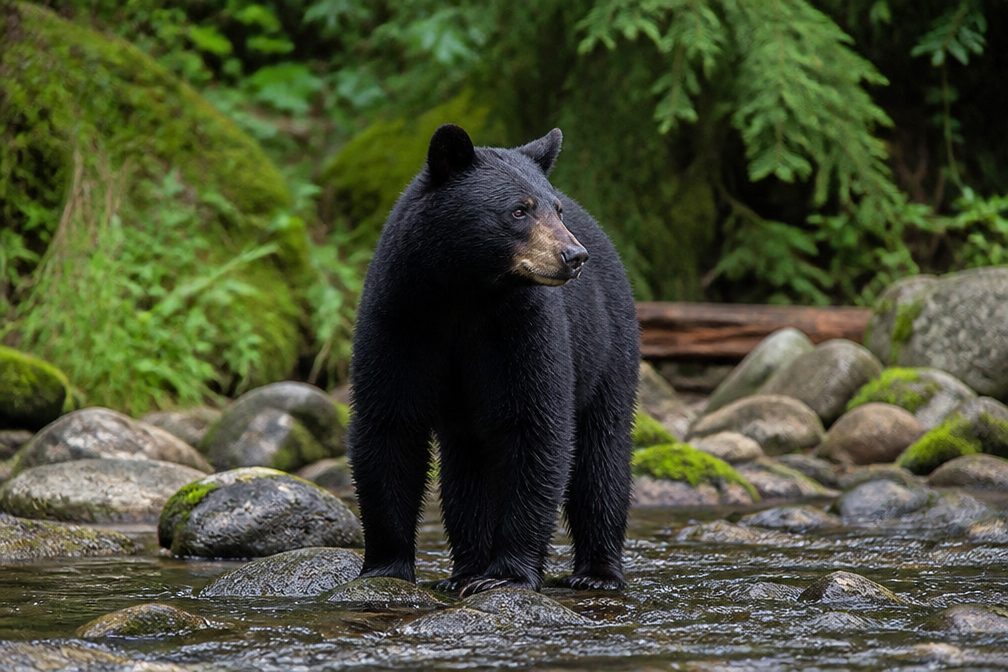
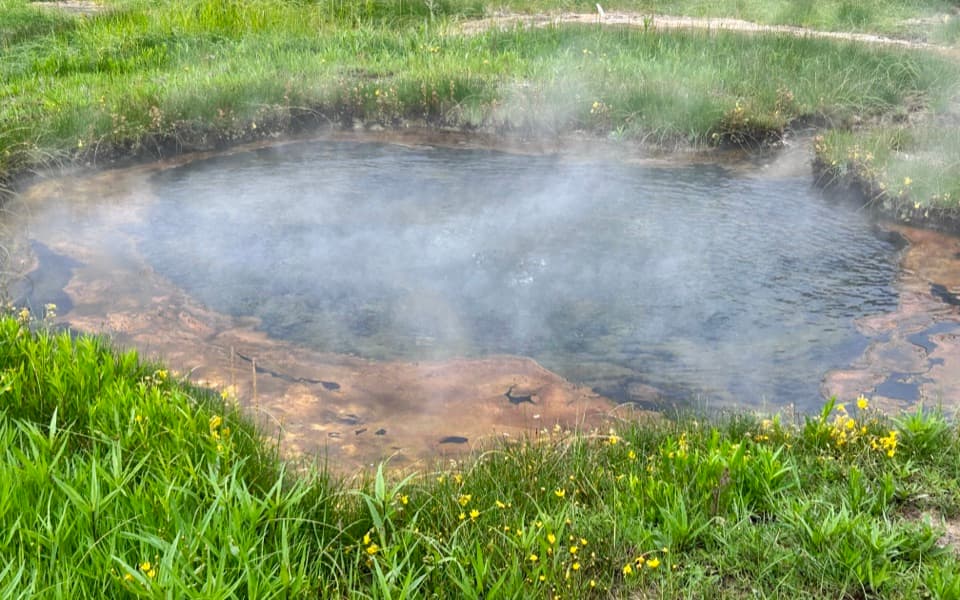
This corridor is prime for wildlife. In early summer, meadows pop with wildflowers and bison; in September–October, listen for elk bugling at dusk. Keep food and scented items secured per bear rules and give all wildlife plenty of space. Bear spray is commonly recommended.

Nearby Don’t-Miss Spots

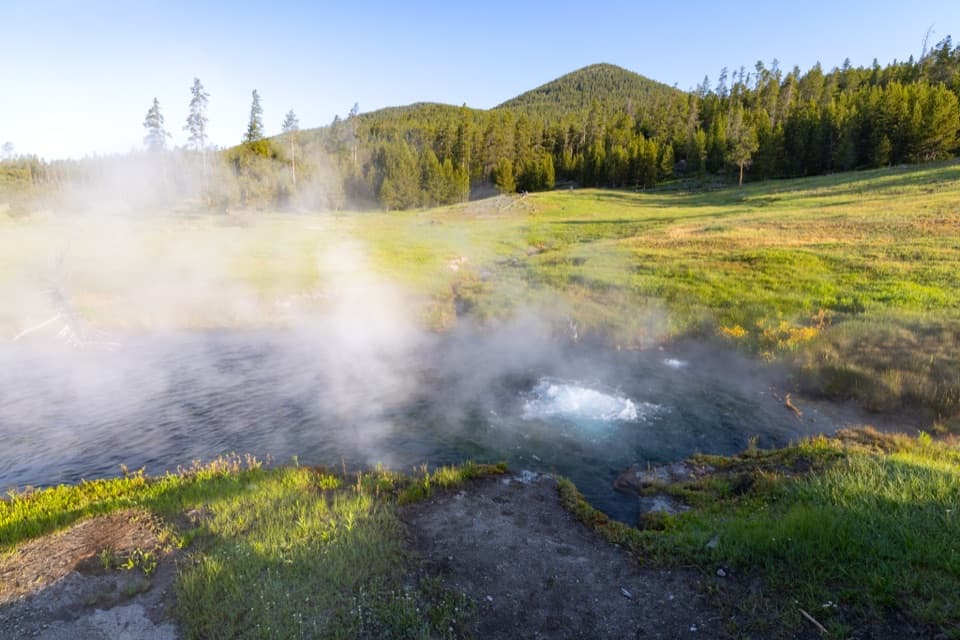
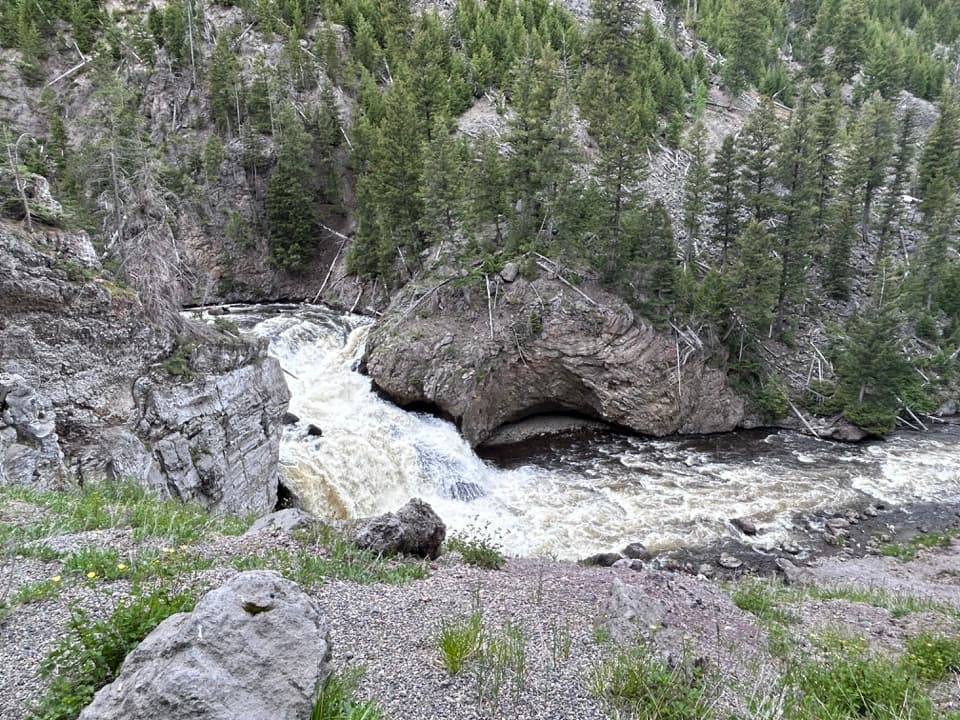
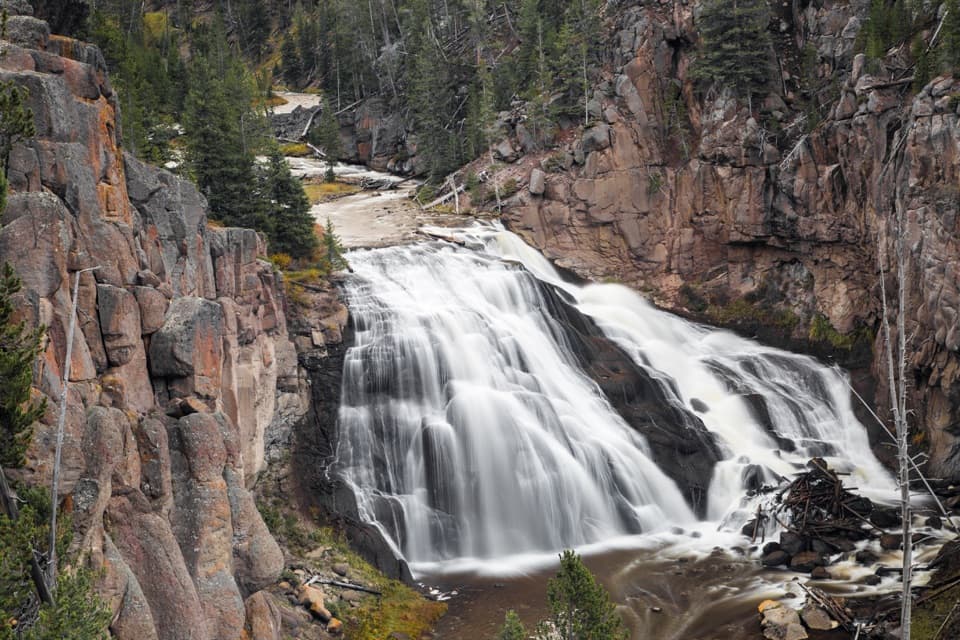
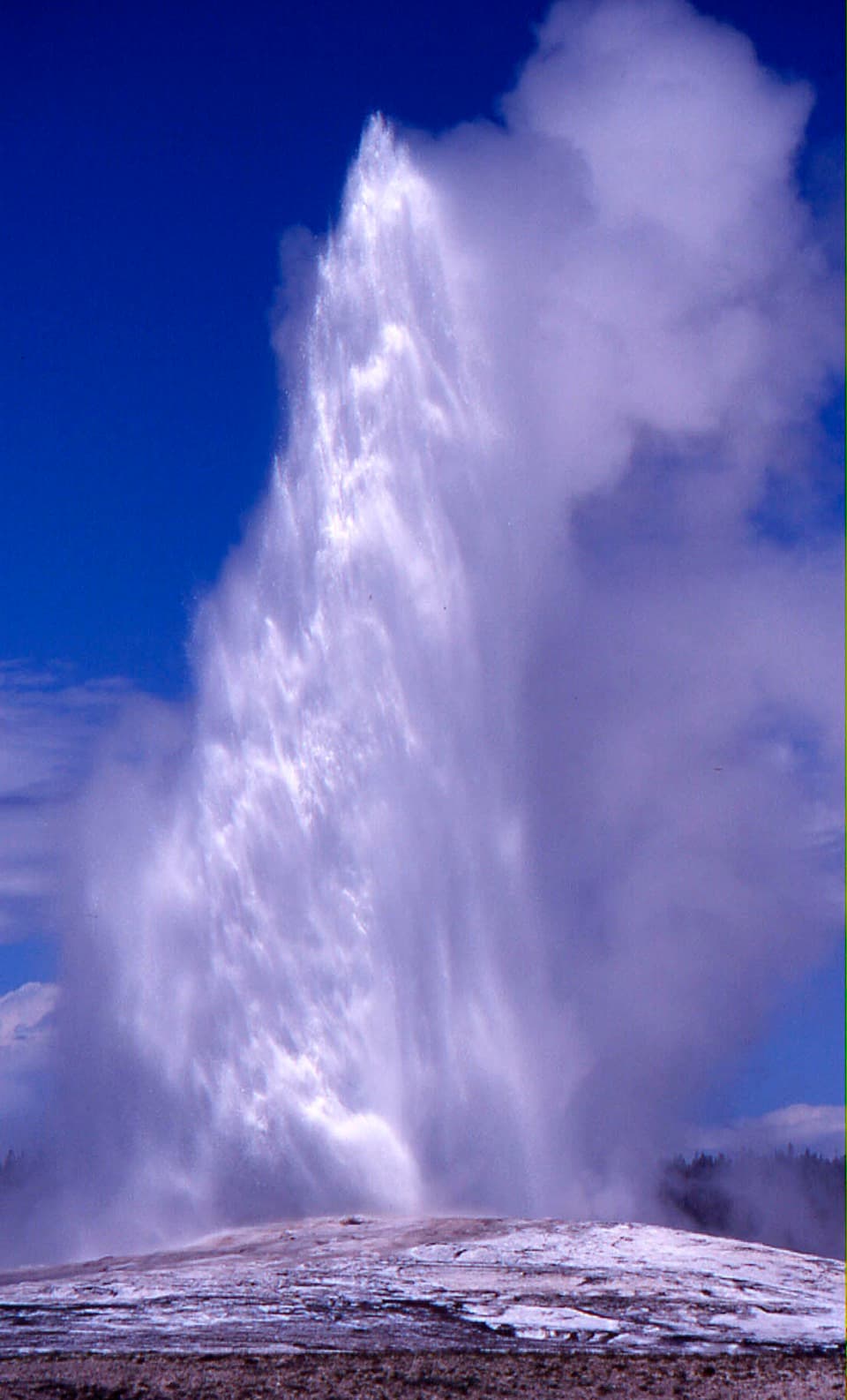
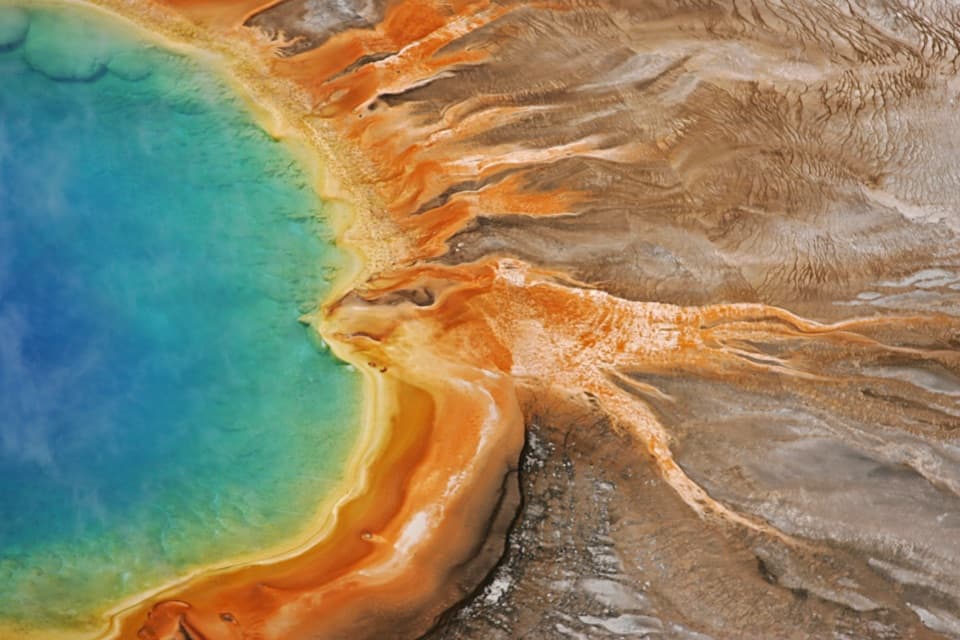
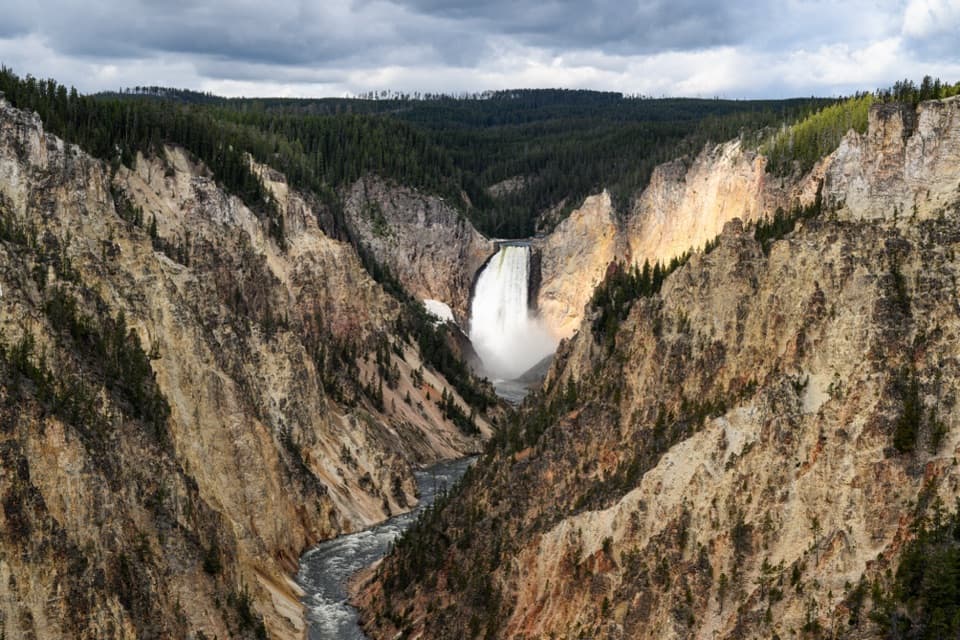
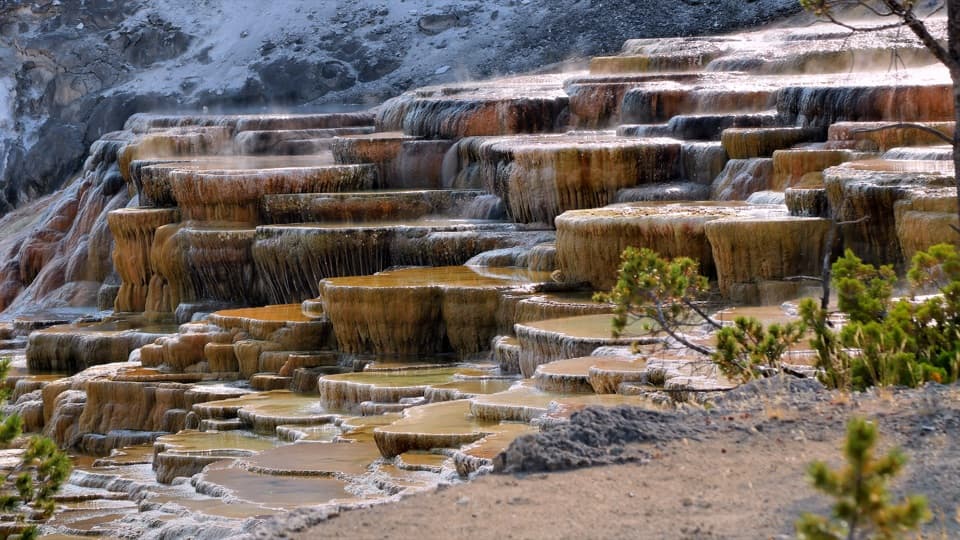
From camp you’re minutes from the Madison River, Firehole Canyon Drive, and Gibbon Falls. The Upper, Midway, and Lower Geyser Basins—including marquee sights like Old Faithful and Grand Prismatic—are an easy drive. Great Fountain Geyser (on Firehole Lake Drive) is another rewarding stop.

Best Time to Visit

  • Spring–early summer: cooler temps, wildflowers, active wildlife.
  • Late summer: long days for touring; rivers may see fishing restrictions during heat.
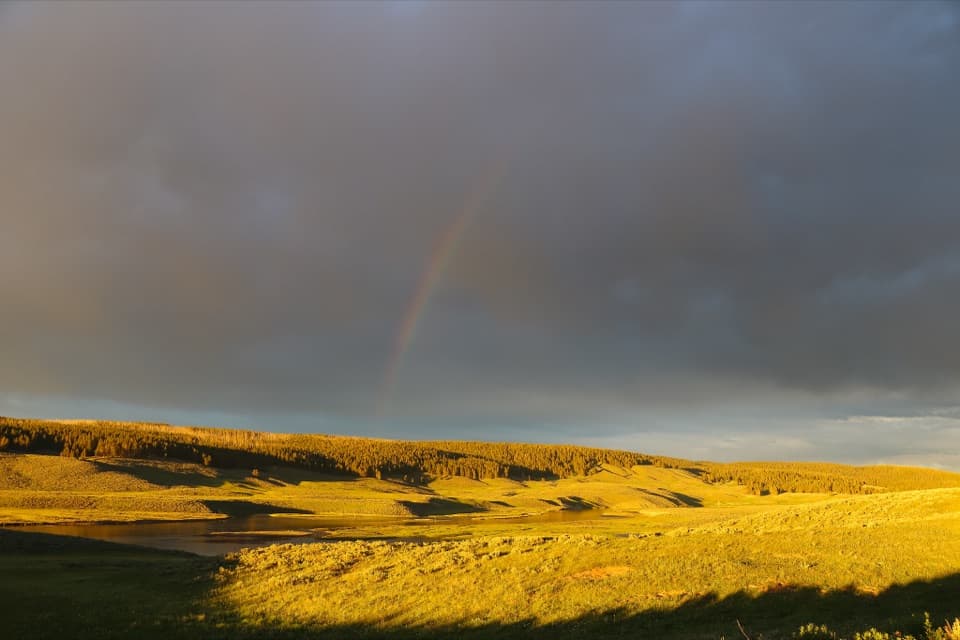
  • Sep–Oct: fewer crowds and dramatic elk rut at dusk. Sunset light near the amphitheater can be lovely.

For sightseeing, beat traffic by heading out early or late and use camp as a midday break.

Practical Notes

Reservations are handled by the park concessioner. Enter accurate tent dimensions or your full combined rig length when booking—site fit matters here. Quiet hours start at 10 p.m., and strict food-storage rules are enforced throughout the campground.

Pros

  • Central base for geyser basins and the West Entrance
  • Flush restrooms with dishwashing sinks

Cons

  • No showers and only cold water at sinks
  • Limited to no cell service

Tips

  • Enter your precise combined rig length when reserving; some sites are tight or uneven.
  • Bring a wash bin and dish soap—sinks are cold water with unthreaded spigots.
  • Expect little to no cell service; download maps and set meeting plans ahead of time.
  • Buy your fishing license at the campground and verify any seasonal river closures.
  • Listen for elk bugling at dusk in Sep–Oct and give wildlife plenty of space.
The Parkwolf tour guide sitting on a phone mounted in a car

Parkwolf Tour Guide

Like a tour guide in your car.

Save the places you found around Yellowstone, then let Parkwolf guide the drive between them.Download Parkwolf on the App Store