Firehole Falls

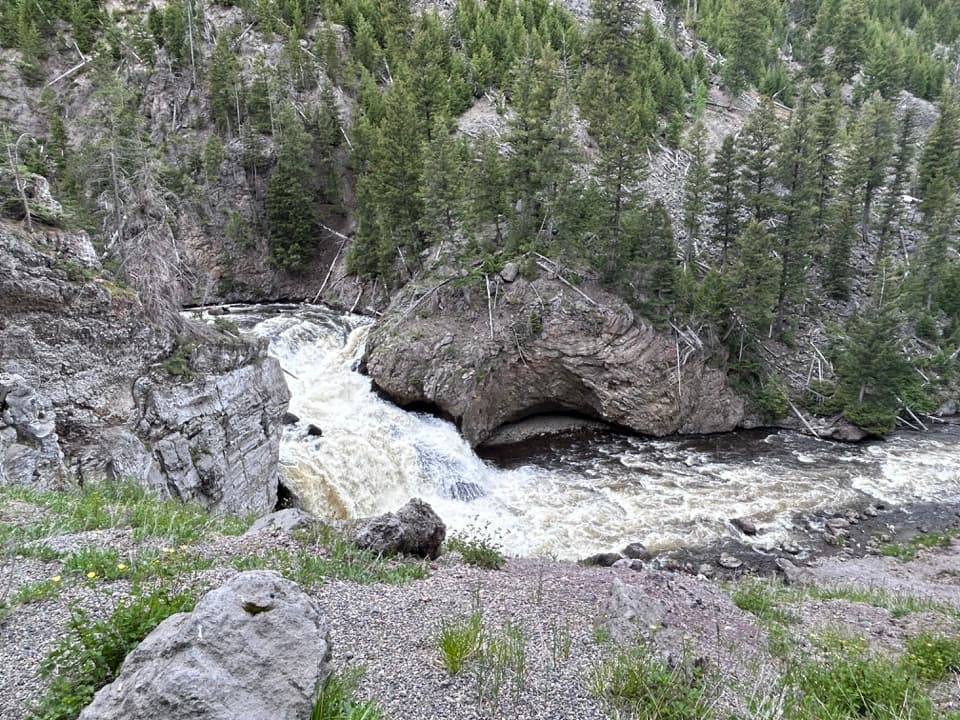
Quick roadside waterfall in a lava‑walled canyon
Firehole Falls, Yellowstone National Park
InsideYellowstone National Park

Overview

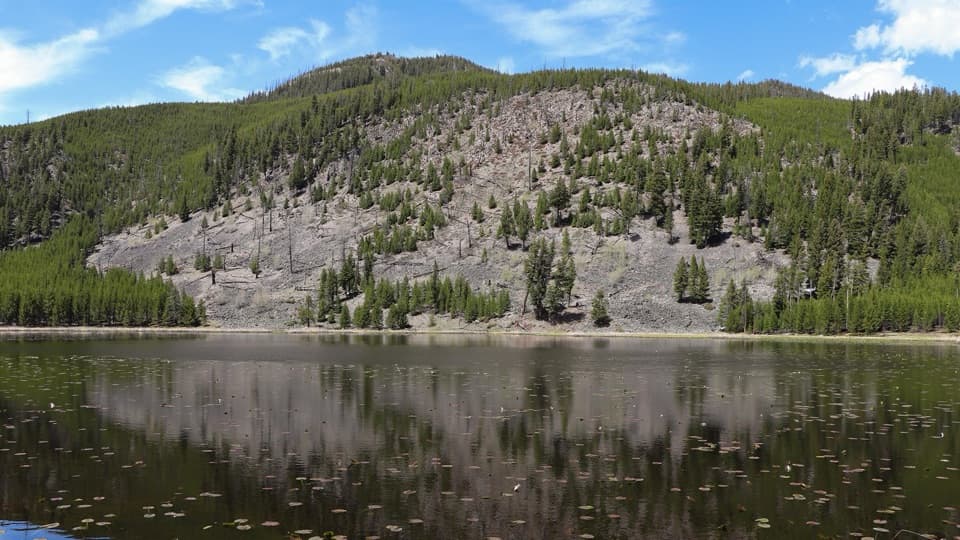
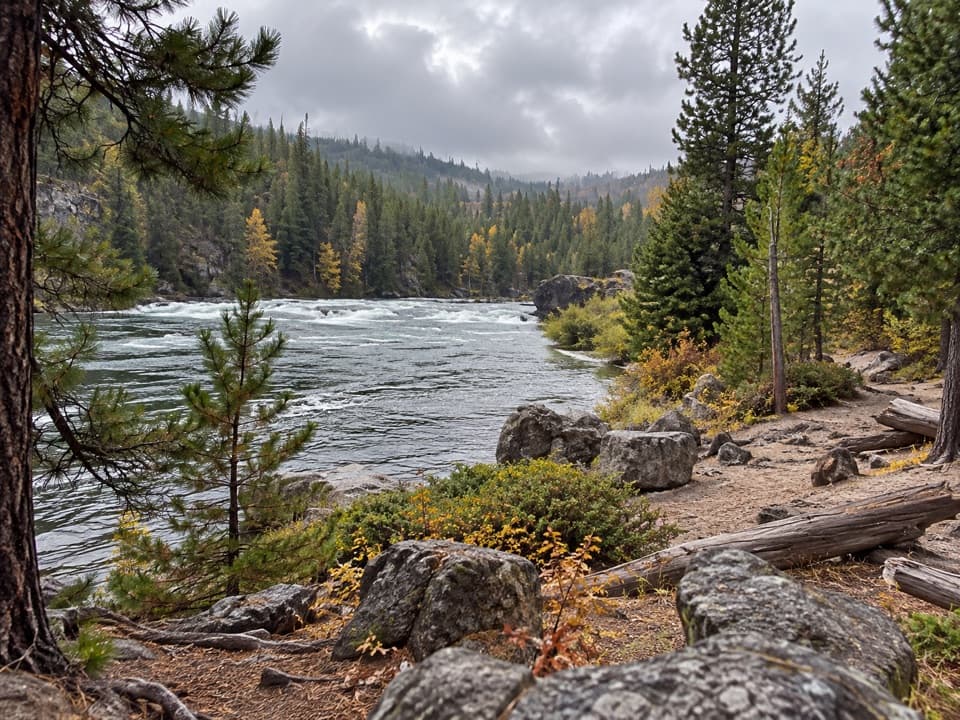
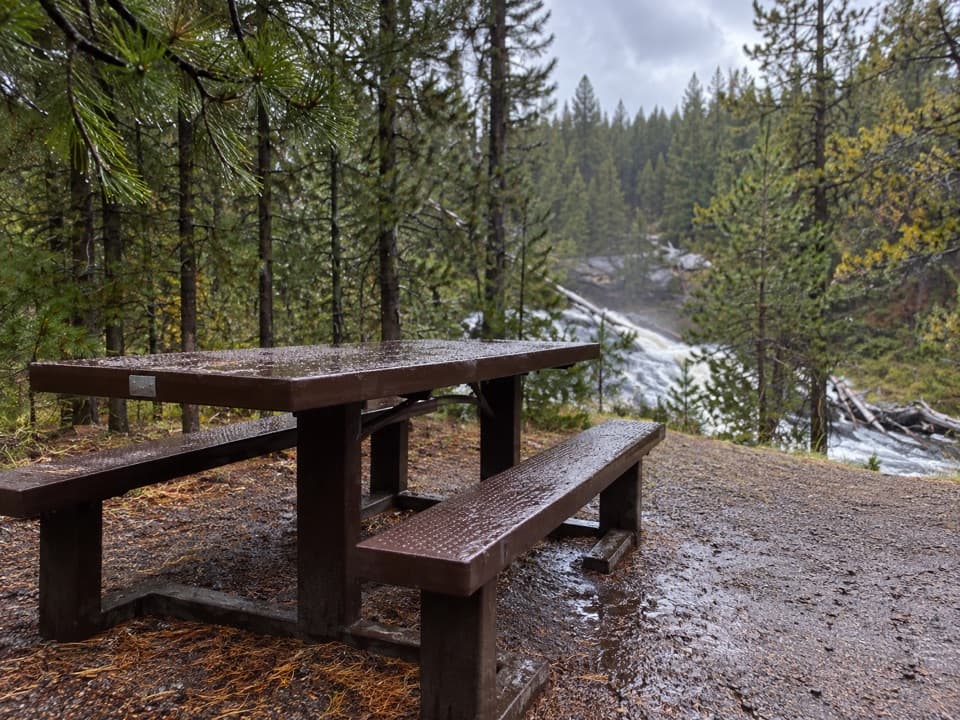
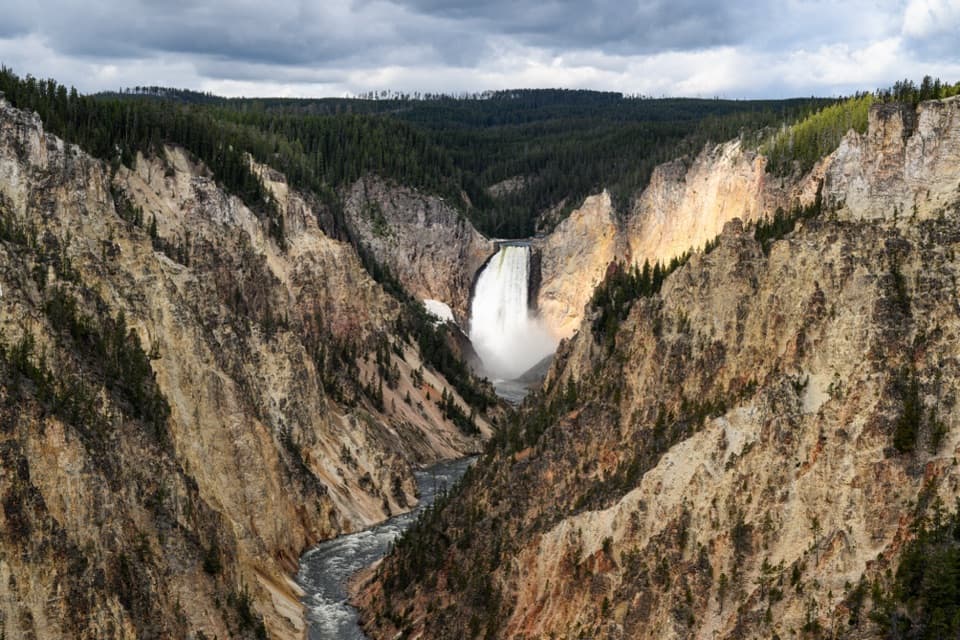
Firehole Falls is a compact, photogenic 40‑foot waterfall tucked inside the Firehole Canyon—a short, one‑way scenic drive just south of Madison Junction. The road hugs the Firehole River with multiple pullouts, giving easy, hop‑out access to the falls and canyon scenery. The river slices through walls built from thick ancient lava, and the canyon itself drops steeply in places, adding drama to this quick detour.

What makes it different

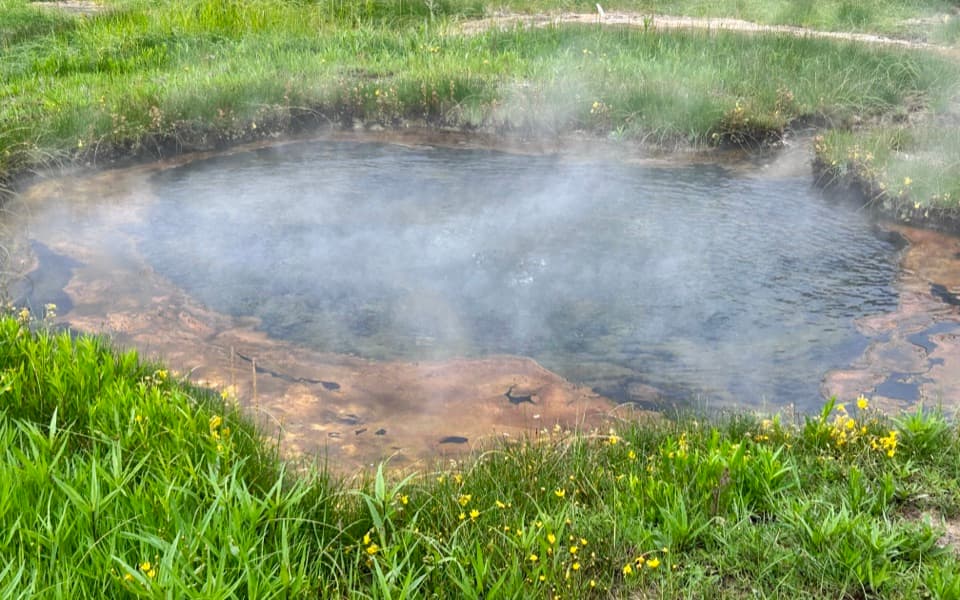
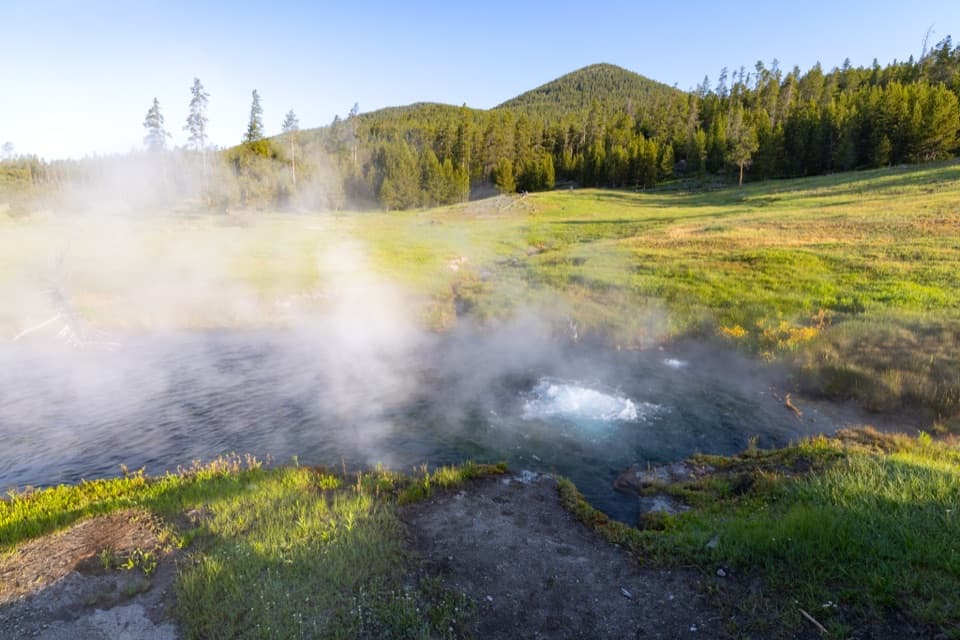
The Firehole River is warmed by hot springs and geyser runoff, so you’ll often see steam and unusual color where thermal water meets the main flow. It’s a rare combo: a classic roadside waterfall set in a canyon shaped by volcanic rock, with a river influenced by Yellowstone’s thermal heart.

How to visit

Drive the 2‑ish mile, one‑way Firehole Canyon Drive (southbound). Look for small, signed pullouts for the falls and additional roadside viewpoints. Parking is tight and spots turn over quickly, so be ready to hop out, snap your photos, and rotate if needed. The road is narrow with drop‑offs and some areas lacking guardrails—keep kids close and use caution near the edges. There’s no restroom at the falls; plan your stops accordingly.

Swimming area specifics

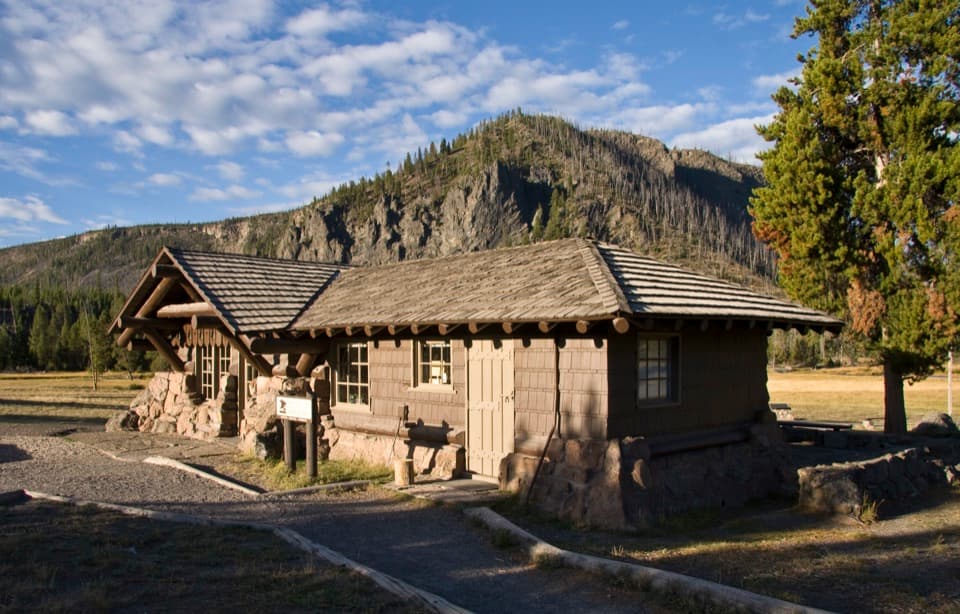
A designated swimming area sits along the same drive. Despite the name “Firehole,” the water feels more like an unheated pool. Expect wooden stairs down to a rocky beach; water shoes help on the small boulders. There’s no lifeguard. The area closes during spring high water and in winter, and access can be limited even in shoulder seasons—status changes day‑to‑day. Changing rooms are available when it’s open, and cliff jumping is illegal.

Hiking option (for solitude seekers)

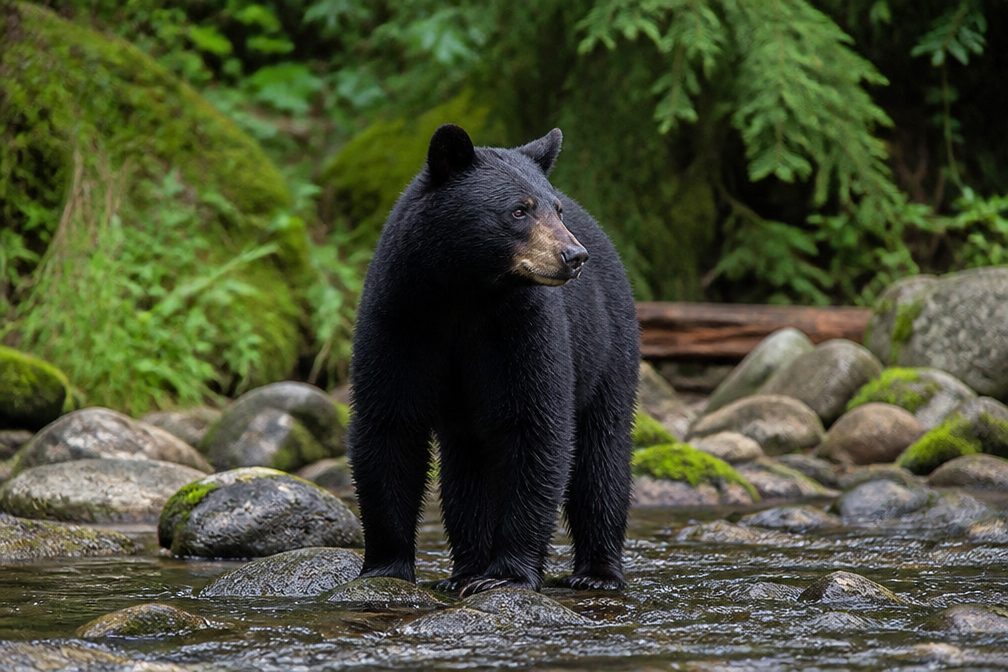
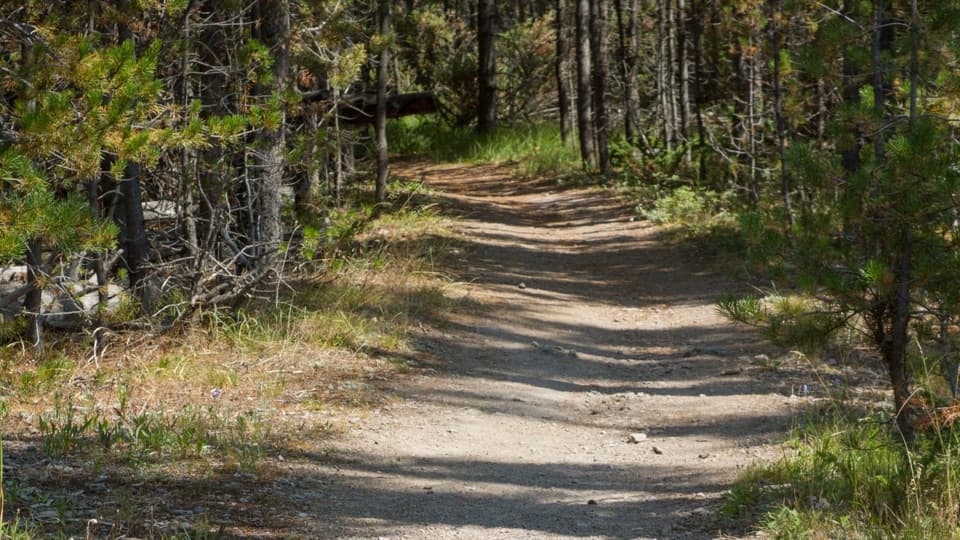
Firehole Falls itself is a roadside stop, but strong hikers can venture deep into the Little Firehole River corridor on a long out‑and‑back route that passes Mystic Falls and continues into quieter country. Expect blowdowns, mosquitoes, and a remote feel, with occasional bear sign—carry spray and check for any access or boardwalk closures before you go. This is a very different experience from the quick canyon pullouts.

Wildlife

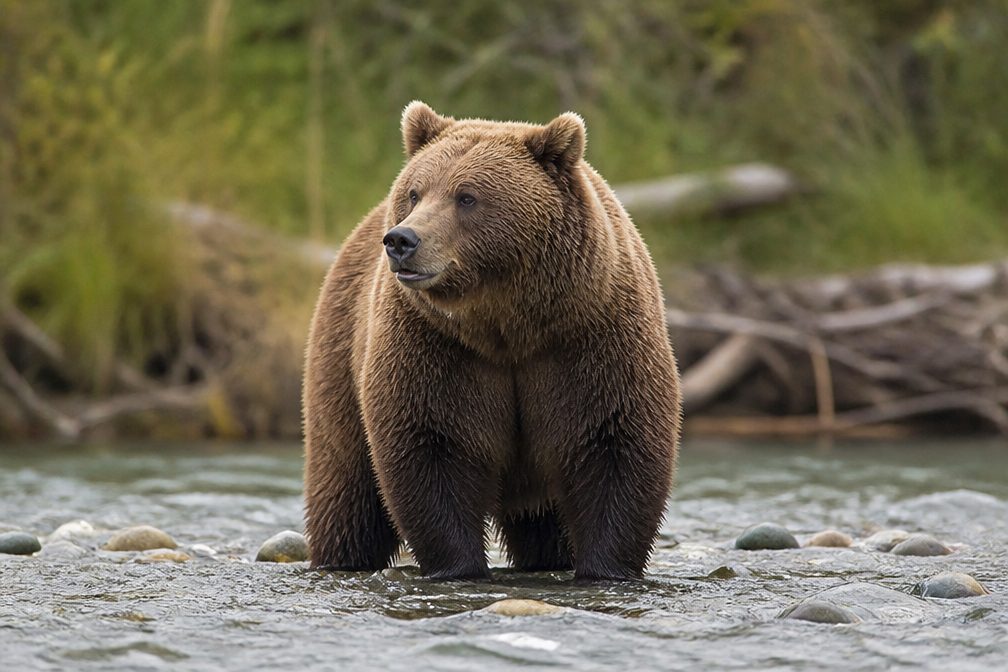
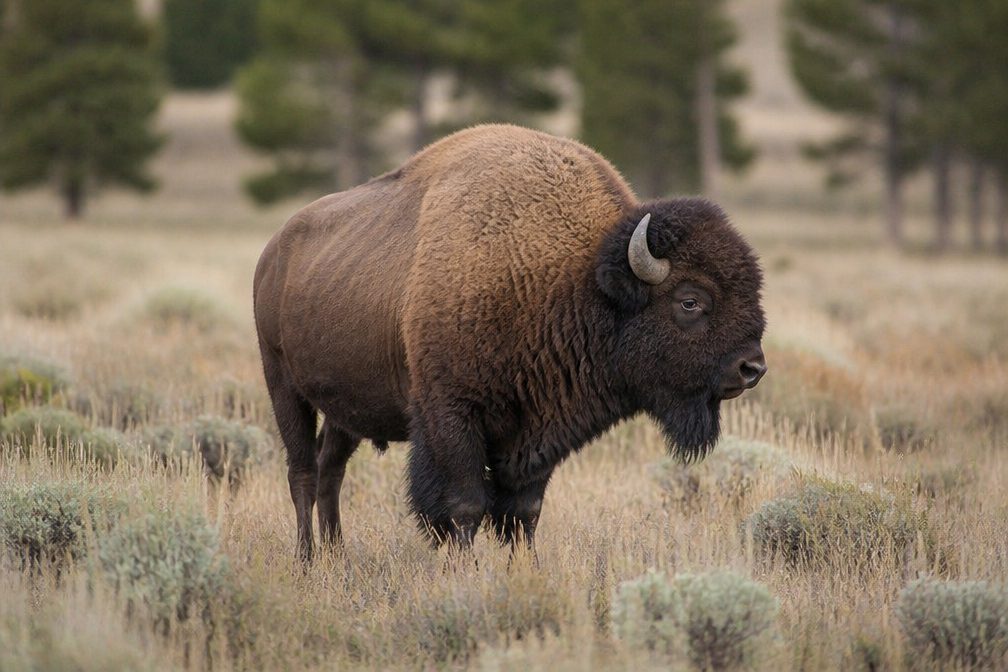
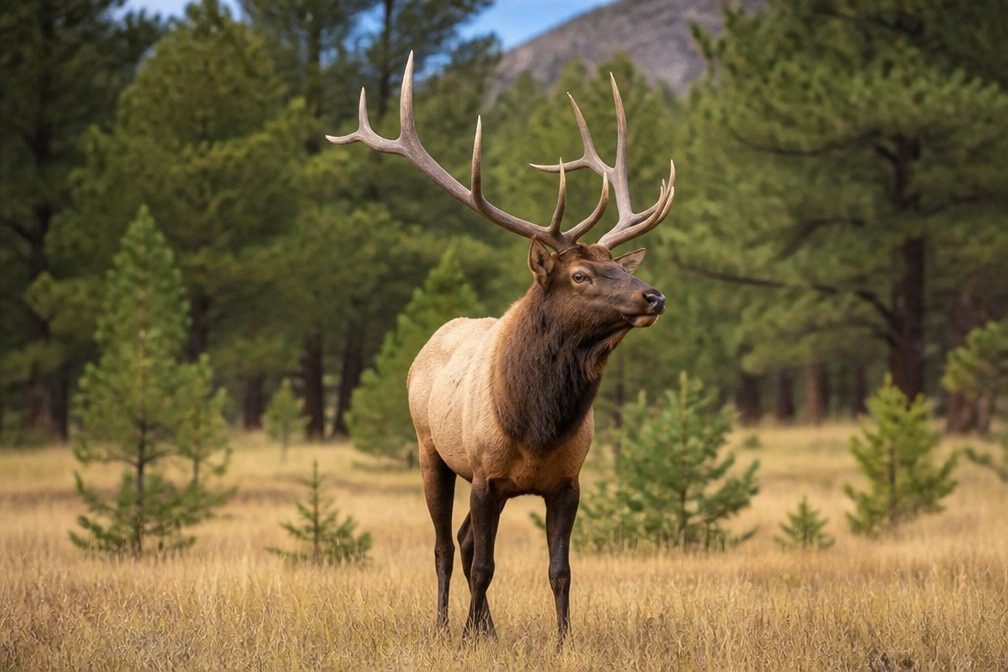
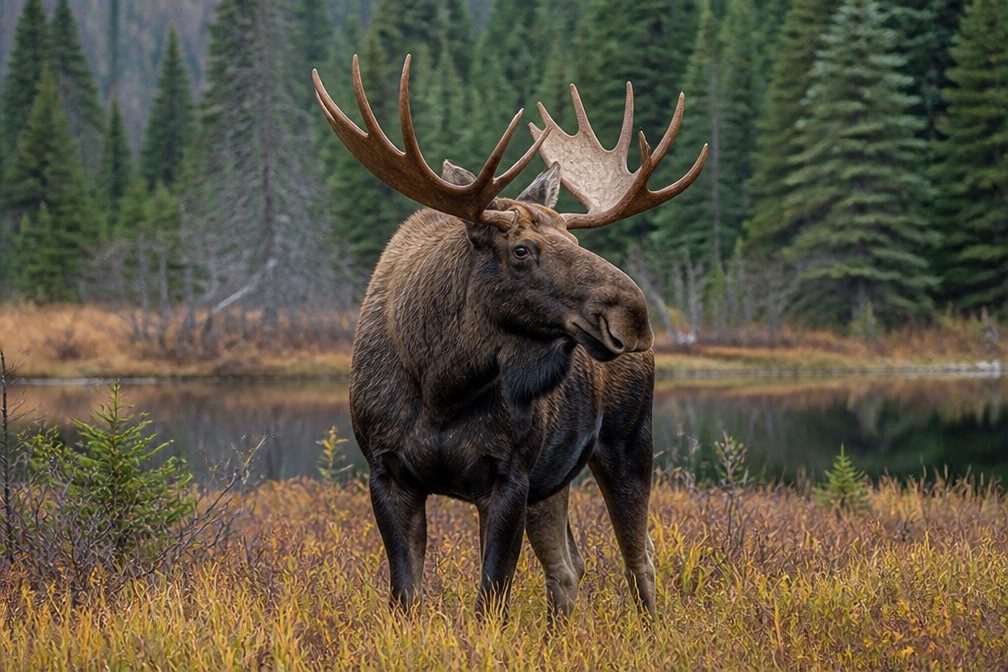
Keep an eye on the river corridor for elk and bison. Birders sometimes spot osprey hunting or nesting near the drive. Bears have been reported along the backcountry trail corridor—give all wildlife plenty of space.

Best time to visit

Early morning or evening brings softer light on the falls and usually lighter traffic, making pullouts easier to snag and photos more flattering. The drive pairs perfectly with nearby geyser basins—consider timing your stop here before or after exploring Midway and Upper Geyser Basin. If you’re hoping to swim, verify day‑of status before committing.

Need‑to‑know

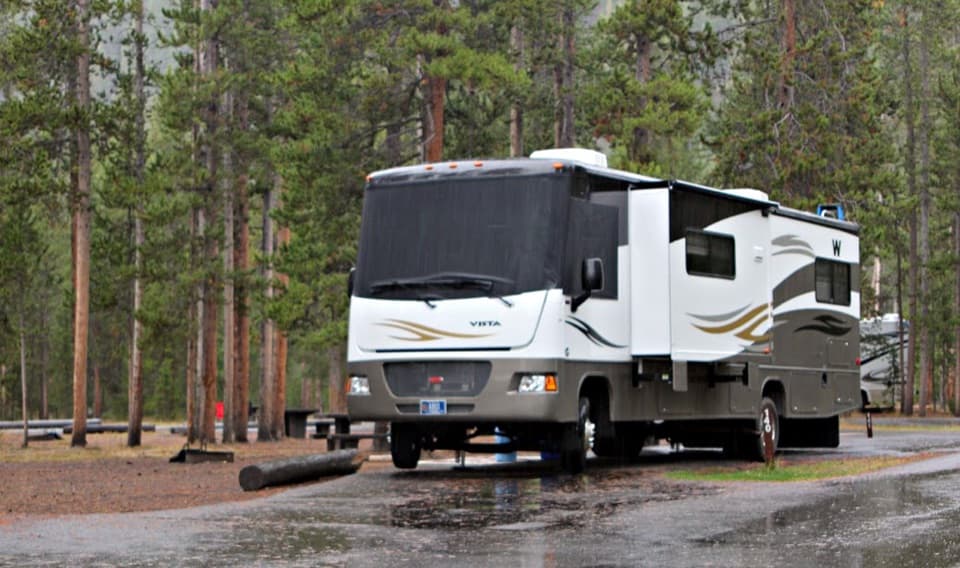
  • One‑way, narrow, winding road; larger rigs may find it tight.
  • Minimal facilities at the falls; restrooms are seasonal by the swimming area.
  • Currents can be strong even where the river feels warm—swim only in the designated spot when open.

Pros

  • Quick, scenic stop with drive-up viewpoints and pullouts
  • Striking 40‑ft cascade in a lava‑walled canyon
  • Seasonal swimming area nearby on the same drive

Cons

  • Very limited pullout parking along a narrow, one‑way road
  • No restroom at the falls; facilities are seasonal at the swimming area

Tips

  • Drive the one‑way loop southbound from just south of Madison Junction.
  • Arrive early or near sunset for softer light and easier parking.
  • Expect very limited pullouts; be ready to rotate drivers for quick stops.
  • Swimming area is seasonal; check status day‑of and bring water shoes.
  • Roadside edges can lack guardrails—keep kids close and watch your footing.
The Parkwolf tour guide sitting on a phone mounted in a car

Parkwolf Tour Guide

Like a tour guide in your car.

Save the places you found around Yellowstone, then let Parkwolf guide the drive between them.Download Parkwolf on the App Store