Gibbon Falls

Roadside 84-foot cascade with easy overlooks and caldera backdrop
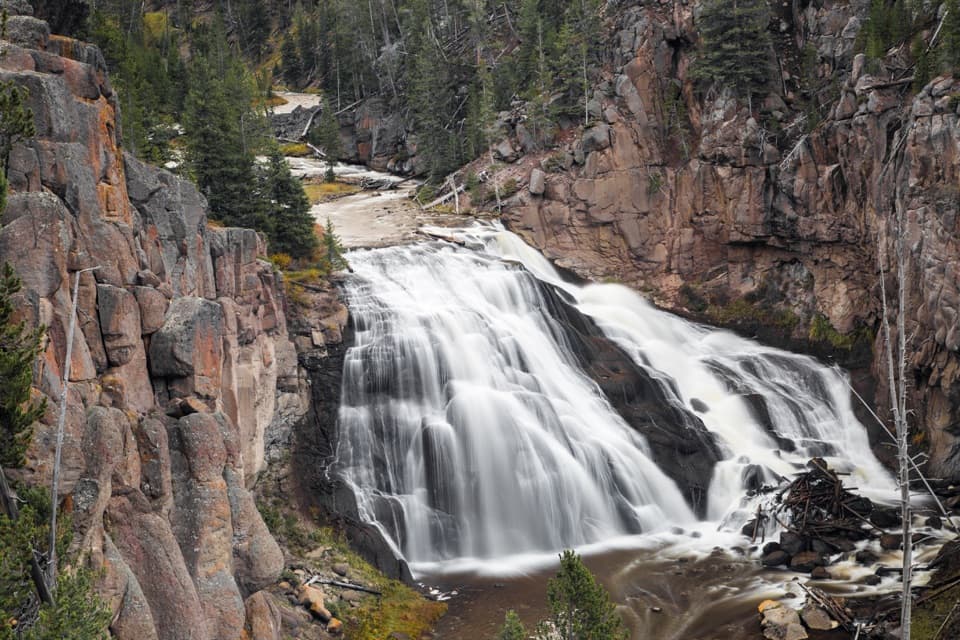
Gibbon Falls, Yellowstone National Park
InsideYellowstone National Park

Overview

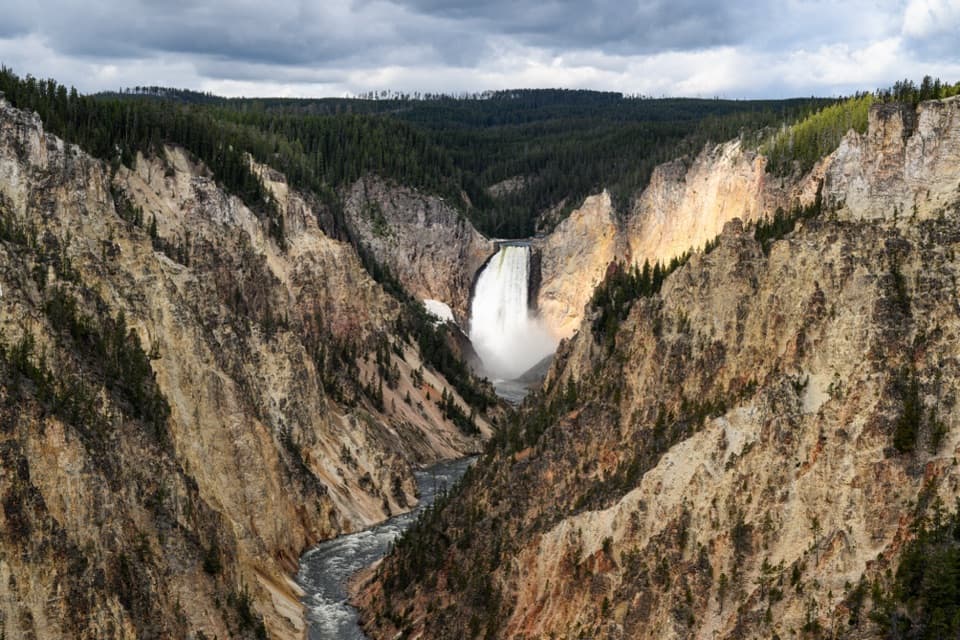
Pullover bliss between Norris and Madison: Gibbon Falls drops 84 feet along the Gibbon River, fanning over a sloping cliff instead of a straight plunge. It’s one of the easiest high‑reward stops on the Grand Loop—park, stroll a short paved path, and you’re looking straight at a classic Yellowstone waterfall.

What You’ll See

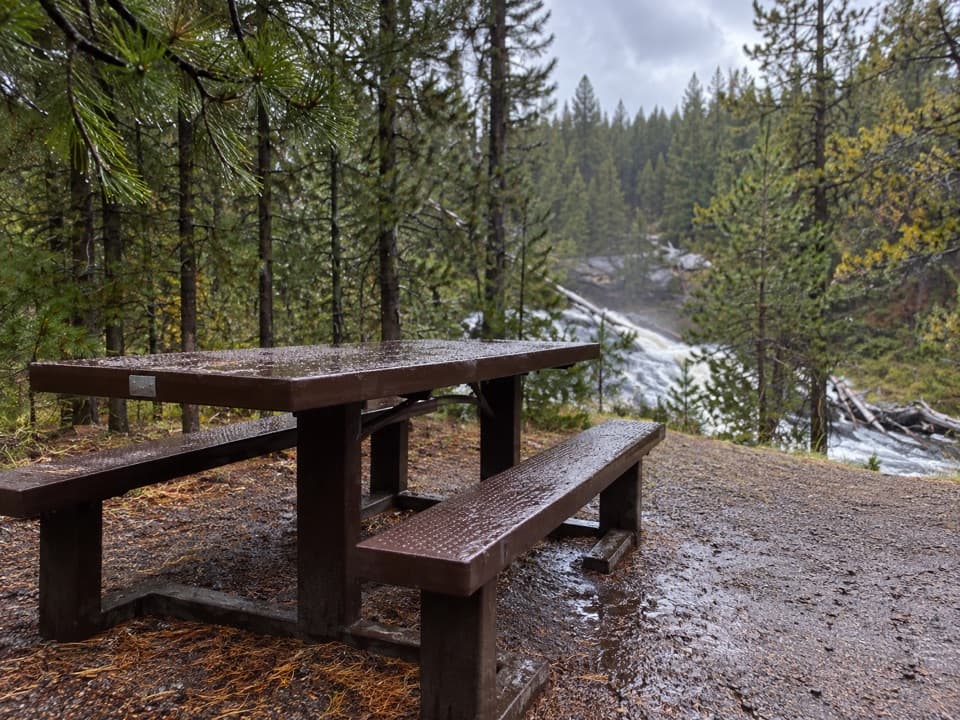
Multiple roadside overlooks give you different angles; the upper deck is immediate, and a short walk leads to lower viewpoints that many visitors prefer for the fuller frame of water and canyon. Expect interpretive signs, railings, and big‑picture views of the river cutting into volcanic rock.

Geology (the why behind the waterfall)

Gibbon Falls marks where the river drops off an escarpment into the Yellowstone caldera. The river incises young volcanic rocks (think hard rhyolites and welded tuffs), creating a natural knickpoint and this graceful cascade. Yellowstone’s landscape is still dynamic—shaped by volcanism, past glaciation, and frequent small earthquakes—so waterfalls like this are snapshots in an evolving terrain.

Best Time to Visit

  • Early morning or after 5 pm: easier parking, softer light, fewer people.
  • Spring runoff (late May–June): highest, most dramatic flow.
  • Late summer/fall: clearer air and generally lighter crowds midweek.

Midday light is harsh and the lot is busiest. In shoulder seasons, expect slick or icy pavement.

Wildlife and River Notes

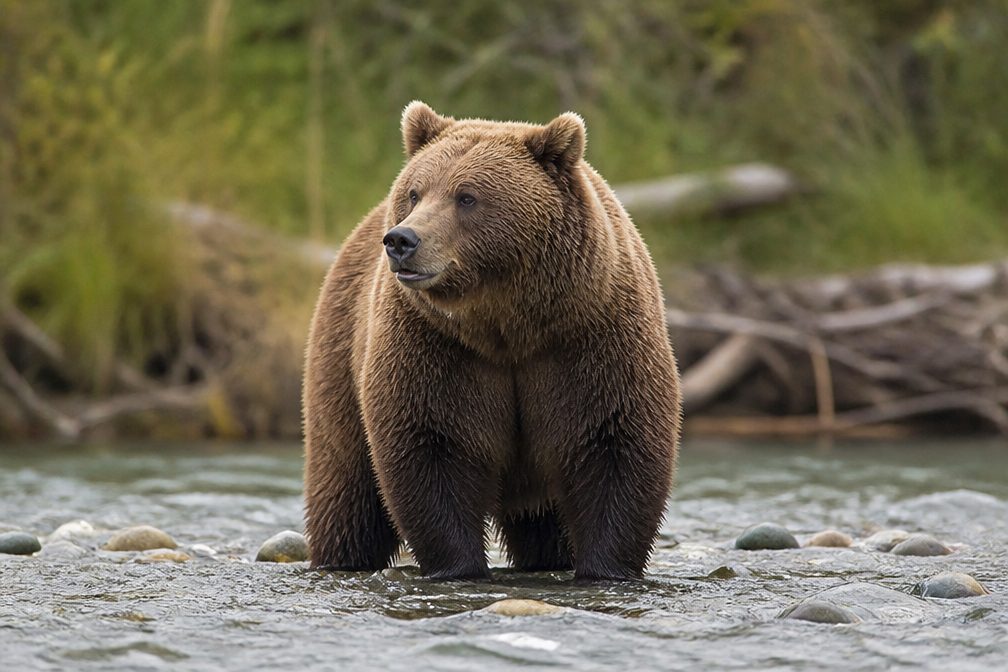
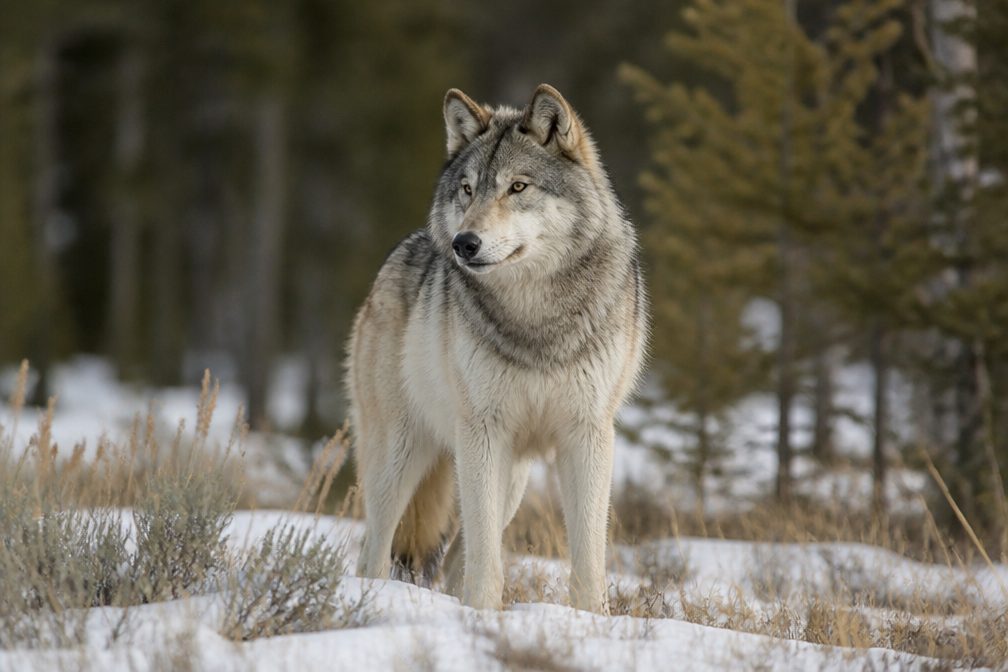
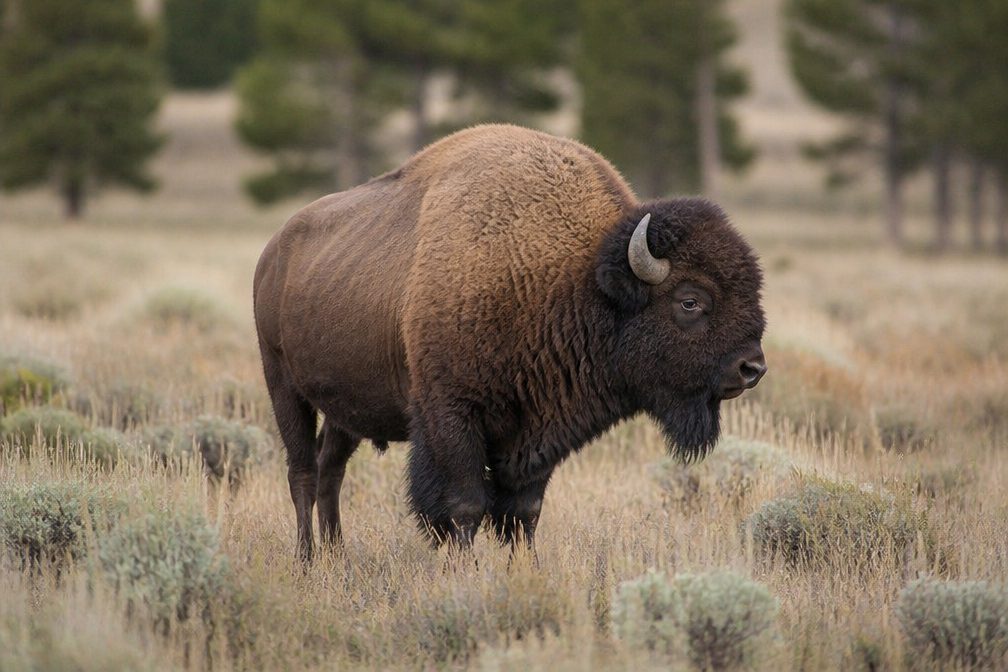
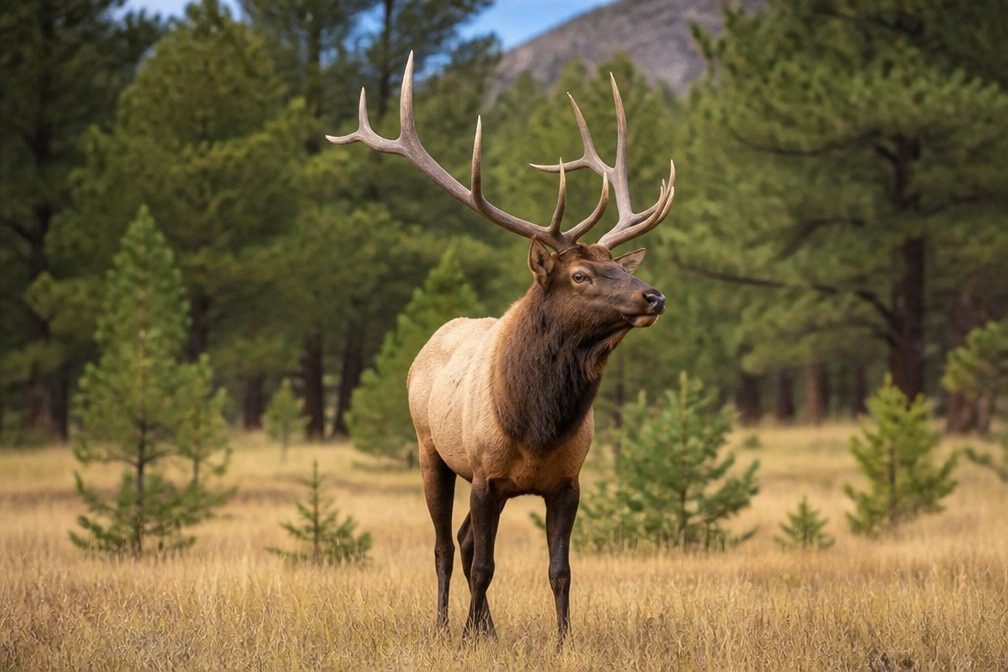
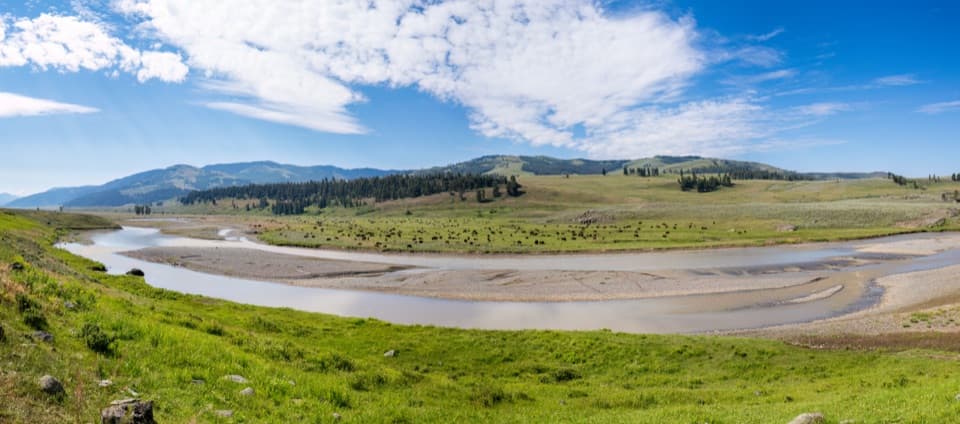
The Gibbon River corridor often surprises with bison, elk, and waterfowl—watch from pullouts and give animals plenty of space. The falls are a natural barrier to upstream fish; historically the upper river was fishless until rainbow trout (1890) and Arctic grayling (1920) were introduced. Stay behind railings and respect the cold, fast water.

Logistics & Amenities

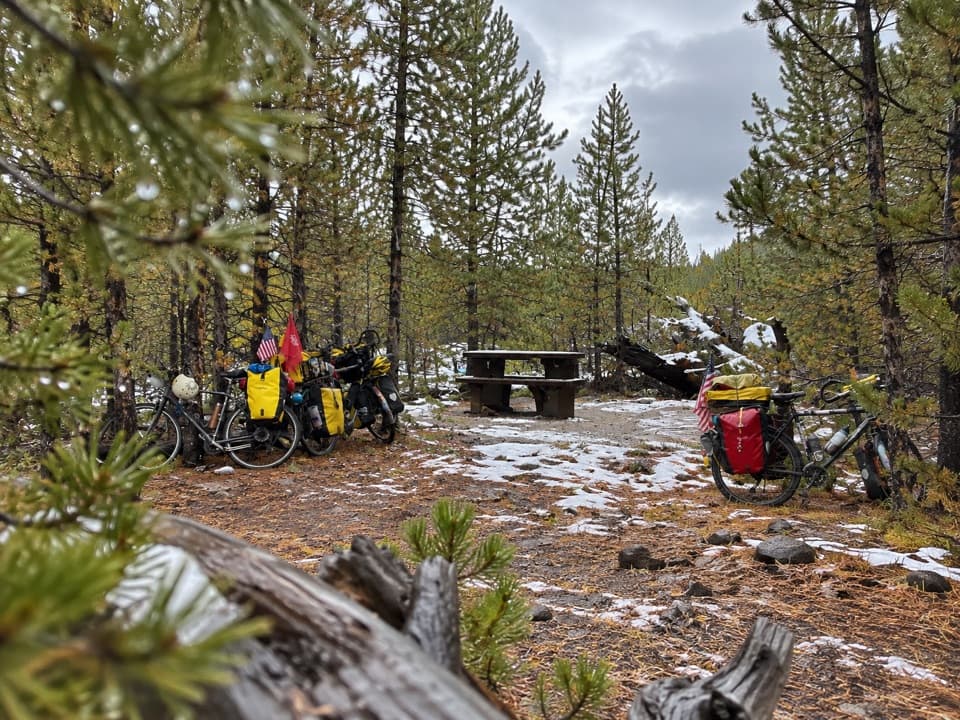
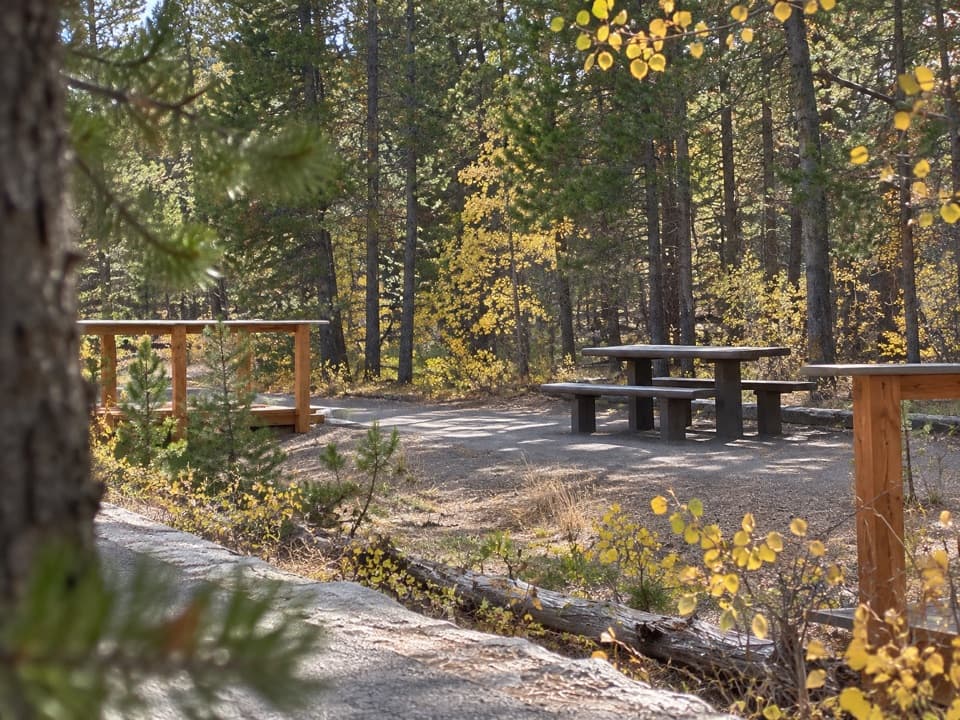
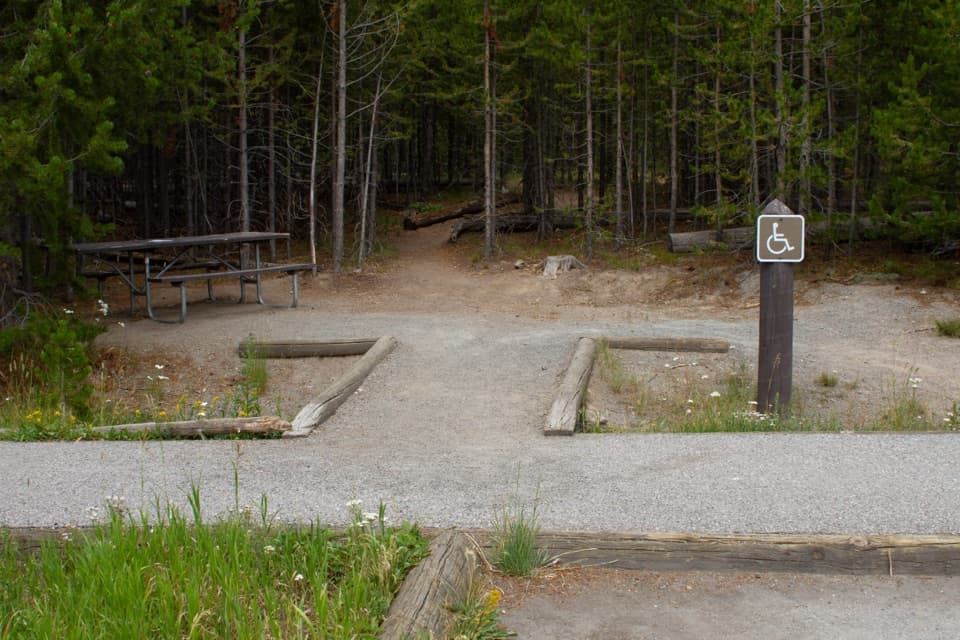
Budget 20–30 minutes. The roadside lot/pullout can back up late morning through mid‑afternoon. Just south of the falls, the Gibbon Falls Picnic Area has seven tables and a single vault/composting toilet (no running water). Camp stoves and self‑contained charcoal grills are allowed; use provided grates for fires and never feed wildlife. Drones aren’t allowed in national parks.

A Bit of History

The falls were photographed during the 1872 Hayden survey, and the name comes via the Gibbon River, honoring Col. John Gibbon. The geologic setting—dropping over a caldera rim remnant—adds a layer of Yellowstone lore to an already pretty scene.

Pair It With

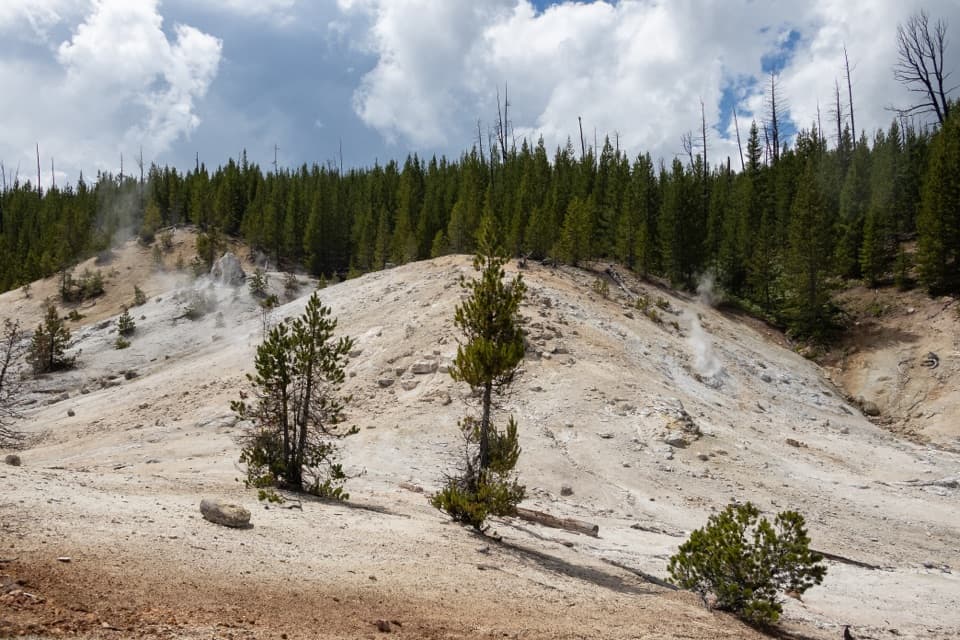
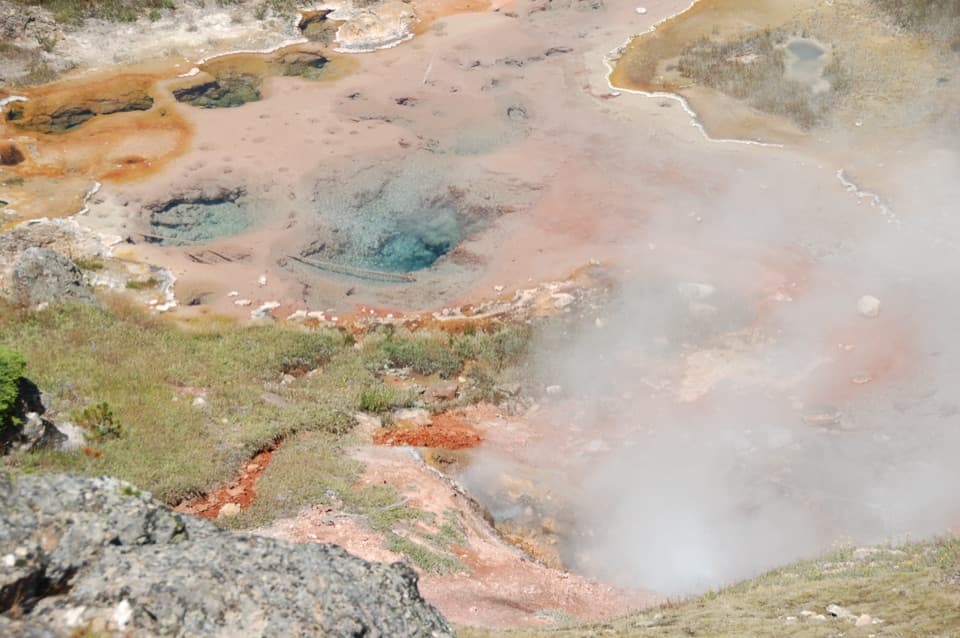
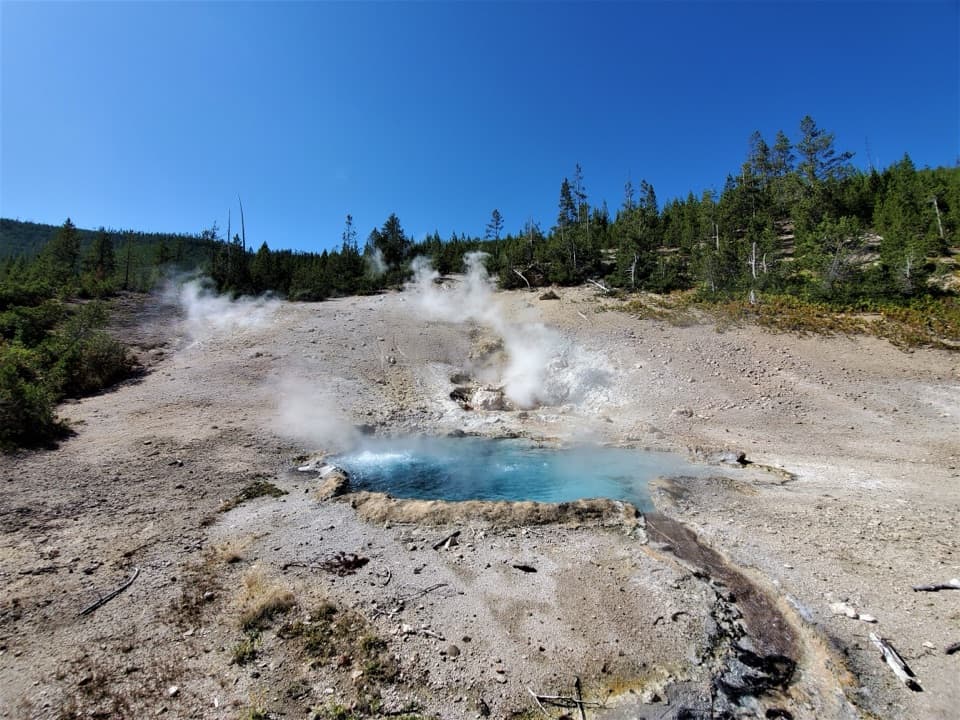
Norris Geyser Basin, Gibbon Meadows, Artist Paintpots, or a quick Madison Junction loop—all easy links on the same drive.

Pros

  • Quick roadside stop with a short paved path to multiple overlooks
  • Photogenic 84-foot cascade over a caldera rim remnant
  • Picnic area nearby with tables and a vault toilet

Cons

  • Parking fills up and crowds build mid‑day
  • No running water at the nearby restroom

Tips

  • Aim for early morning or after 5 pm for parking and better light.
  • Walk down to the lower viewpoint for the most complete angle of the falls.
  • Pair this stop with Norris Geyser Basin or a Norris–Madison loop to maximize your drive.
  • Expect slick pavement early or late season; wear shoes with traction.
  • Use the picnic area for restrooms, and bring your own water since there’s no tap.
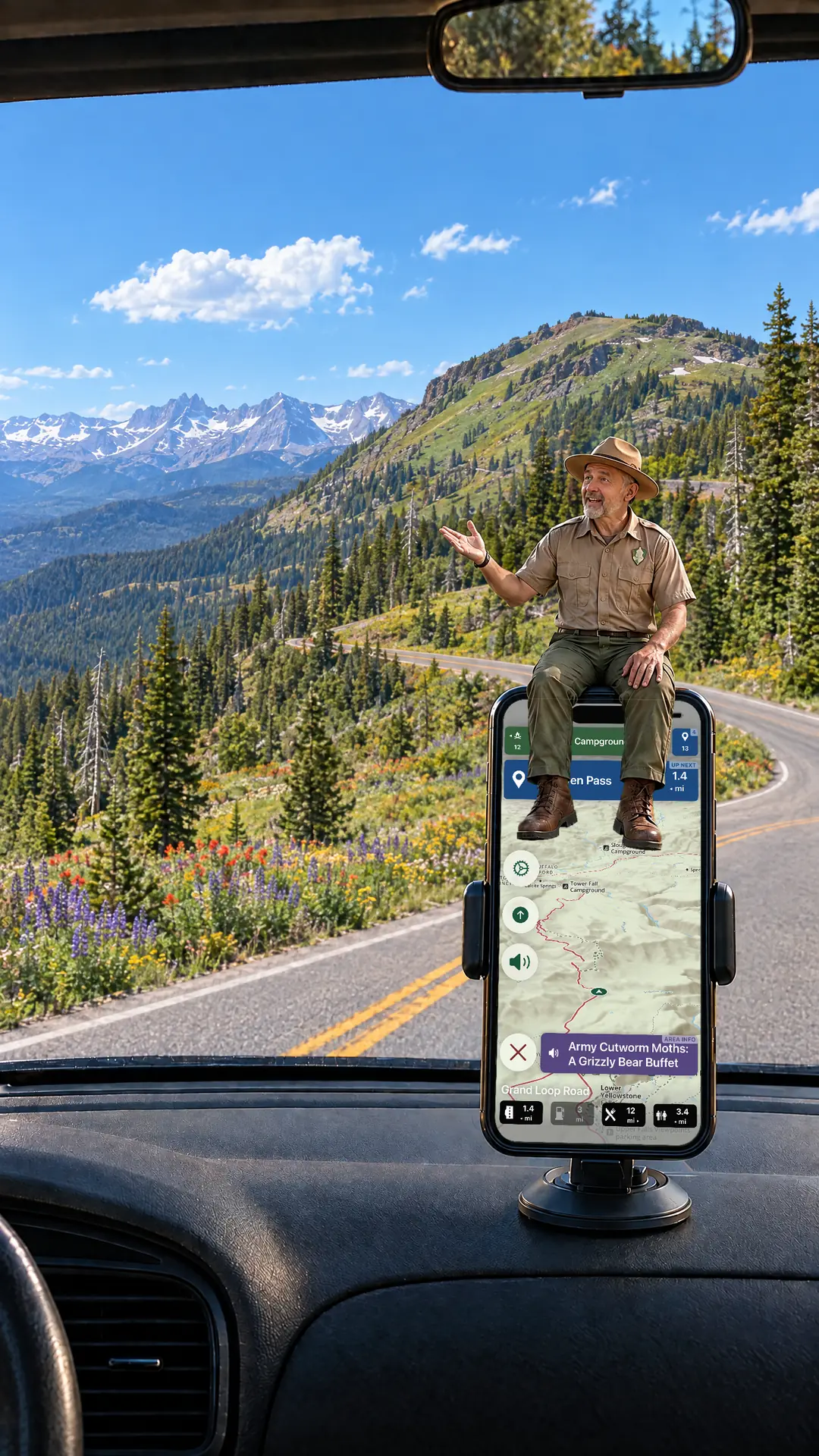
The Parkwolf tour guide sitting on a phone mounted in a car

Parkwolf Tour Guide

Like a tour guide in your car.

Save the places you found around Yellowstone, then let Parkwolf guide the drive between them.Download Parkwolf on the App Store