
Place · 1.9 mi away
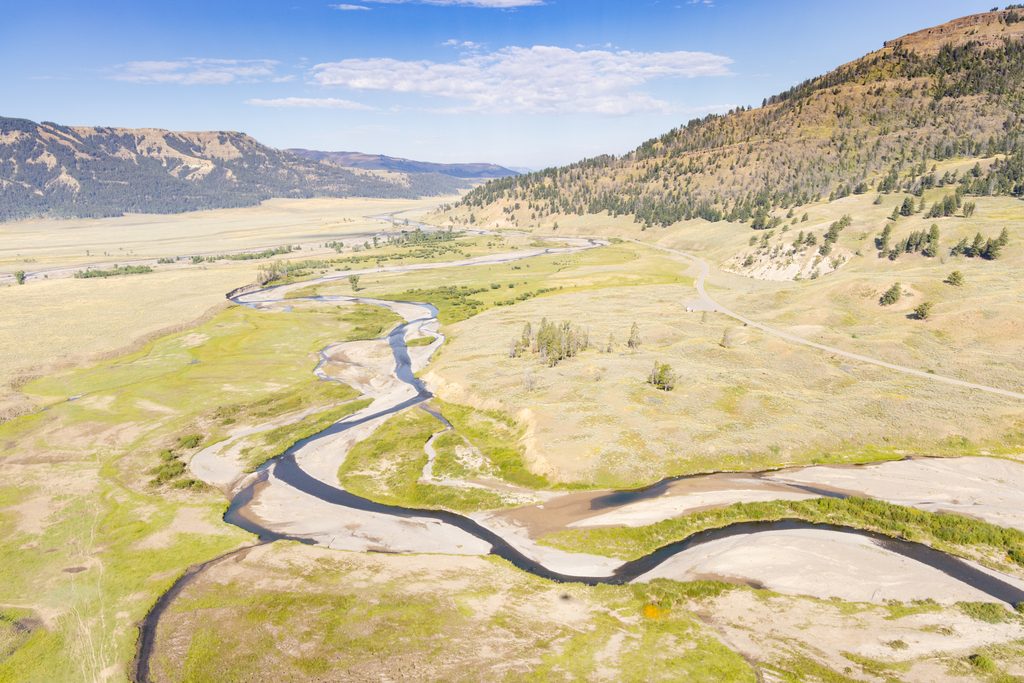
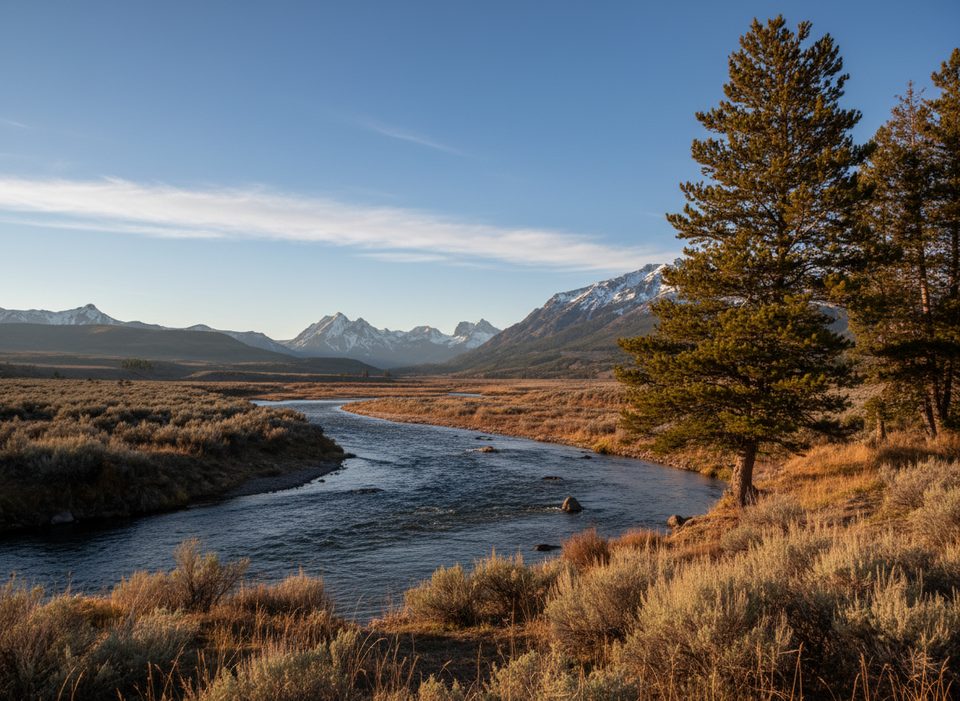
Soda Butte Creek winds through the park’s northeast corner before joining the Lamar River, with the Northeast Entrance Road paralleling much of its length. It’s a classic Yellowstone scene: cold, clear water, open meadows, and big wildlife. The creek takes its name from a dormant geyser cone overlooking the lower meadow.
Expect a changing stream character—pocketwater, timbered stretches, and broad sub‑alpine meadows—plus frequent wildlife in the greater Lamar Valley (bison, elk, pronghorn, wolves, and grizzlies are all reported here). There’s a small picnic area by the creek for a quick meal stop and a handful of nearby pullouts for casual viewing.
This is a celebrated spot for native Yellowstone cutthroat trout. Runoff keeps it cold and high early; it typically fishes best from mid‑July onward. Upper reaches may hold brook trout; a few rainbows show near the mouth, but the creek is predominantly cutthroat water. Summer hatches can include Pale Morning Duns and Green Drakes, with terrestrials (hoppers, ants) playing all season; later, Caddis, Yellow Sallies, and into late summer/fall, Blue‑Winged Olives and tan drakes can shine, especially on overcast days. In the pressured meadow sections, a low profile and frequent fly changes pay off.
Regulations in the Lamar drainage require removal of non‑native trout (rainbow, brook, and identifiable hybrids). Park‑wide, barbed hooks, lead, live bait, and felt‑soled waders are prohibited—know the rules before you cast.
The nearby Soda Butte/Lamar River trailhead is the jumping‑off point for the Lamar River, Specimen Ridge, Cache Creek, and Miller Creek routes. Be ready for an immediate, unbridged ford of Soda Butte Creek from this trailhead. Early summer flows can be knee‑to‑thigh deep and fast—many hikers turn back. Later in the season, flows typically drop and crossings become more reasonable. Wildlife may force detours in the valley; give herds wide berth.
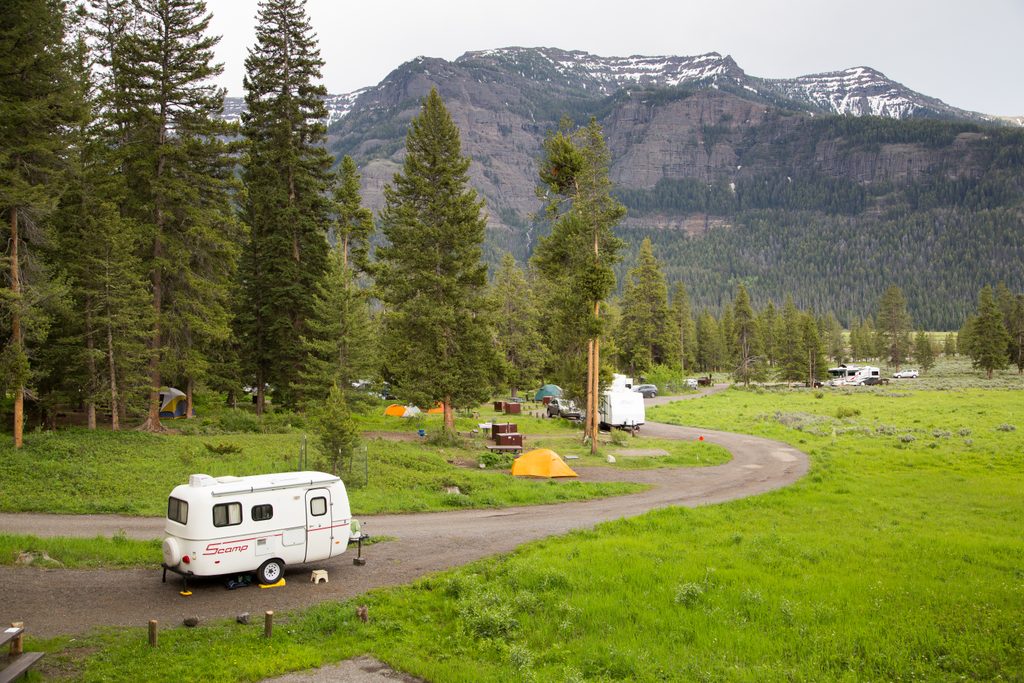
You’ll find about seven picnic tables, a vault toilet, and designated parking at the Soda Butte Creek Picnic Area. There’s no running or potable water. Camp stoves and self‑contained charcoal grills are fine; use established grates where provided for campfires. It can fill at meal times in peak season—arrive early or late, or continue east to the quieter Warm Creek Picnic Area if you strike out.
After decades of mine pollution upstream, a major reclamation (circa 2010–2014) removed roughly 500,000 tons of tailings, treated over 100 million gallons of water, and rebuilt sections of channel. Water quality rebounded enough for Soda Butte Creek to be delisted from impaired waters in 2018—a rare success in abandoned‑mine cleanup.
Place · 1.9 mi away
Place · 2.6 mi away
Place · 2.8 mi away
Place · 3.3 mi away
Challenging · 1.8 mi away
Easy · 3.2 mi away
Moderate · 6.4 mi away
Challenging · 6.4 mi away

Parkwolf Tour Guide
