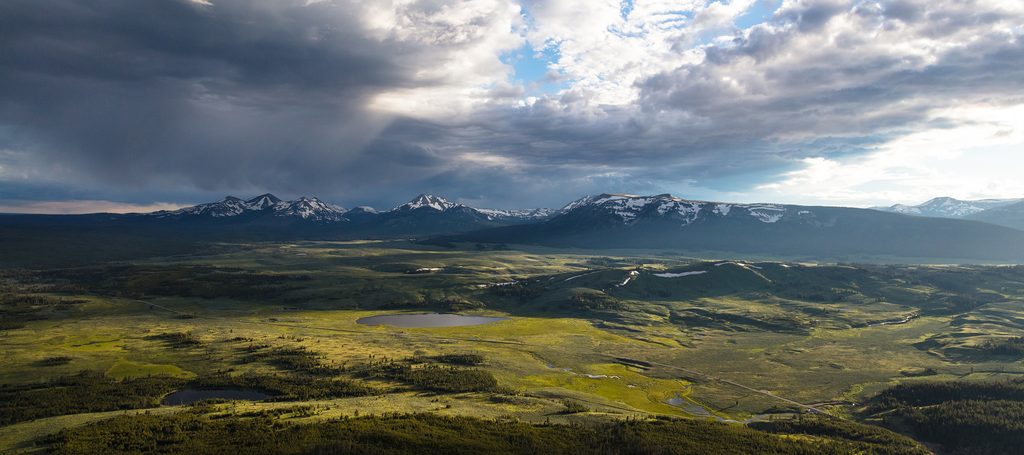
Swan Lake Flat

Broad meadow with big views and reliable roadside wildlife watching
Swan Lake Flat, Yellowstone National Park
InsideYellowstone National Park

Overview

Swan Lake Flat is a broad, high-country meadow on the Mammoth–Norris corridor, loved for its big-sky views and easy wildlife watching. It’s one of those stops where you roll down the window, glass the grass, and something usually shows up.

What You’ll See

  • Bison and elk commonly graze the meadows, especially when they’re green and lush.
  • Both grizzly and black bears are seen here on occasion—keep your distance and use optics.
  • Birders do well: trumpeter swans have been observed at nearby lakes and along area rivers, and you may spot Canada geese, pelicans, sandhill cranes, plus bald eagles or ospreys working the local waters.
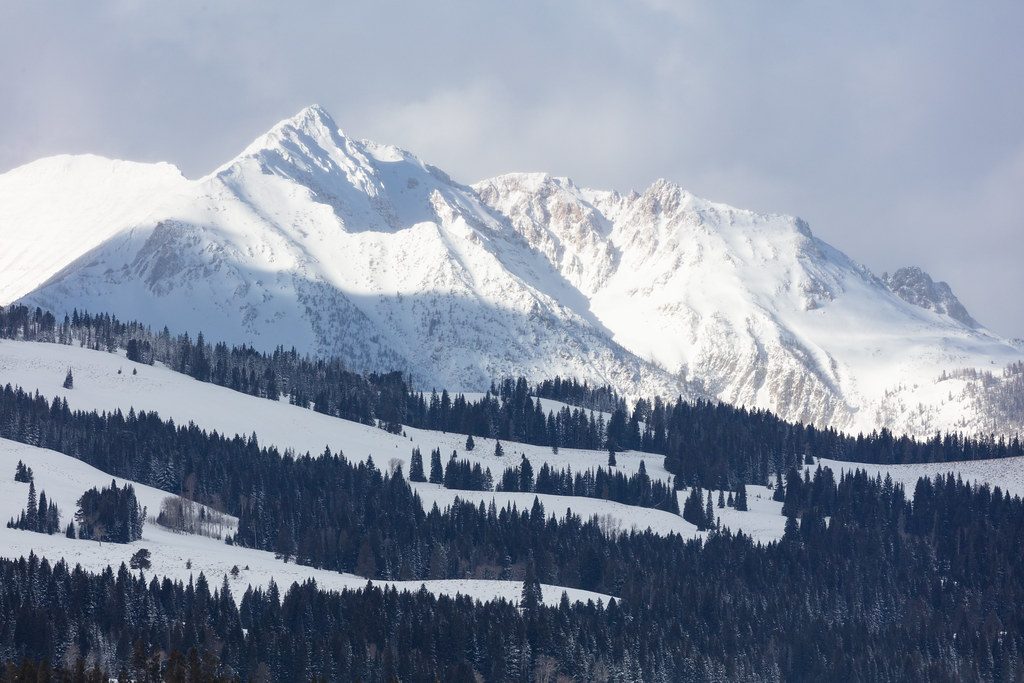
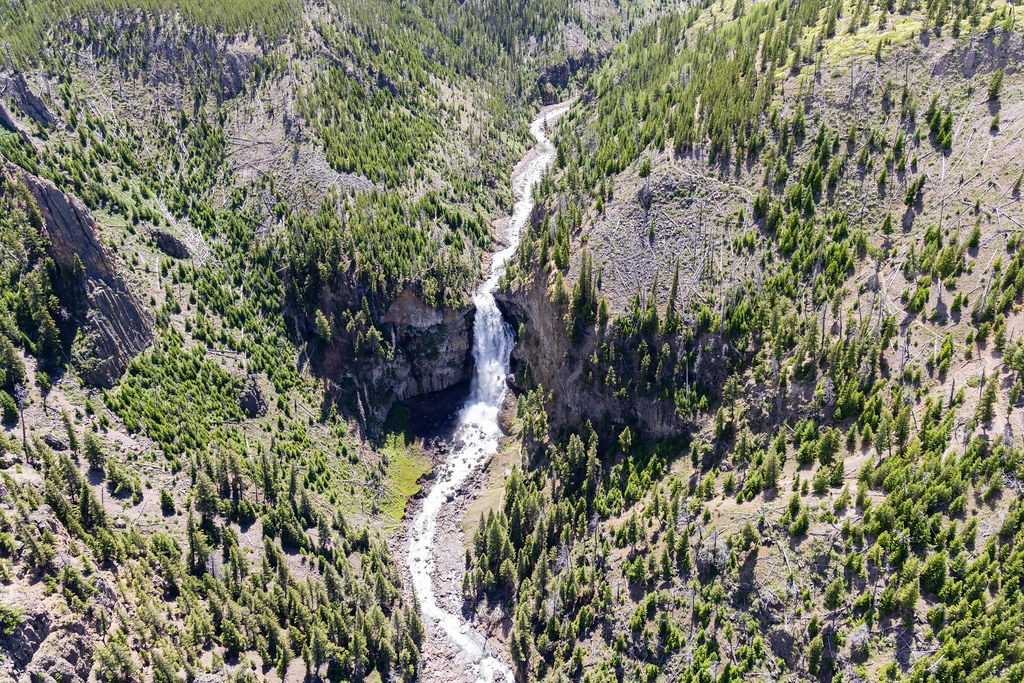
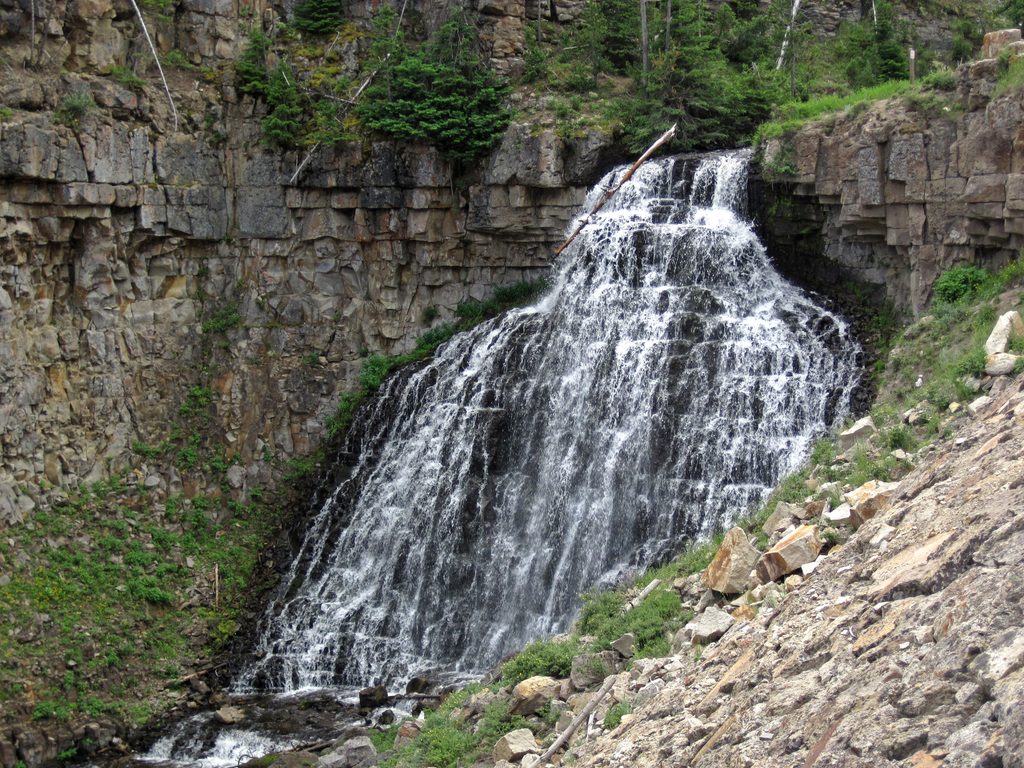
  • The scenery swings from rolling grasslands to mountain backdrops and nearby canyons—classic Yellowstone variety.

Geology Snapshot

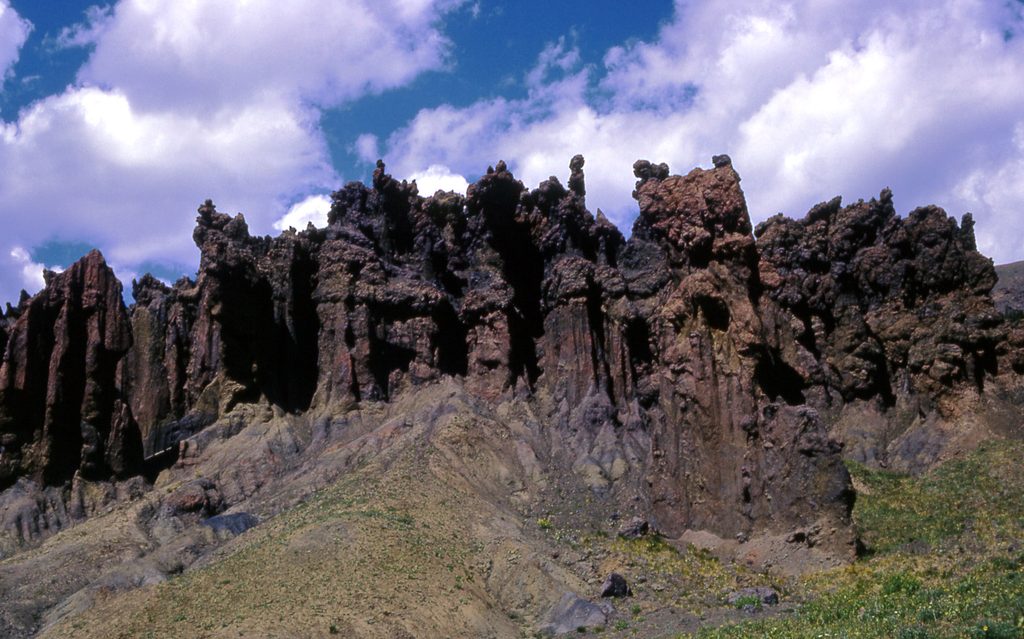
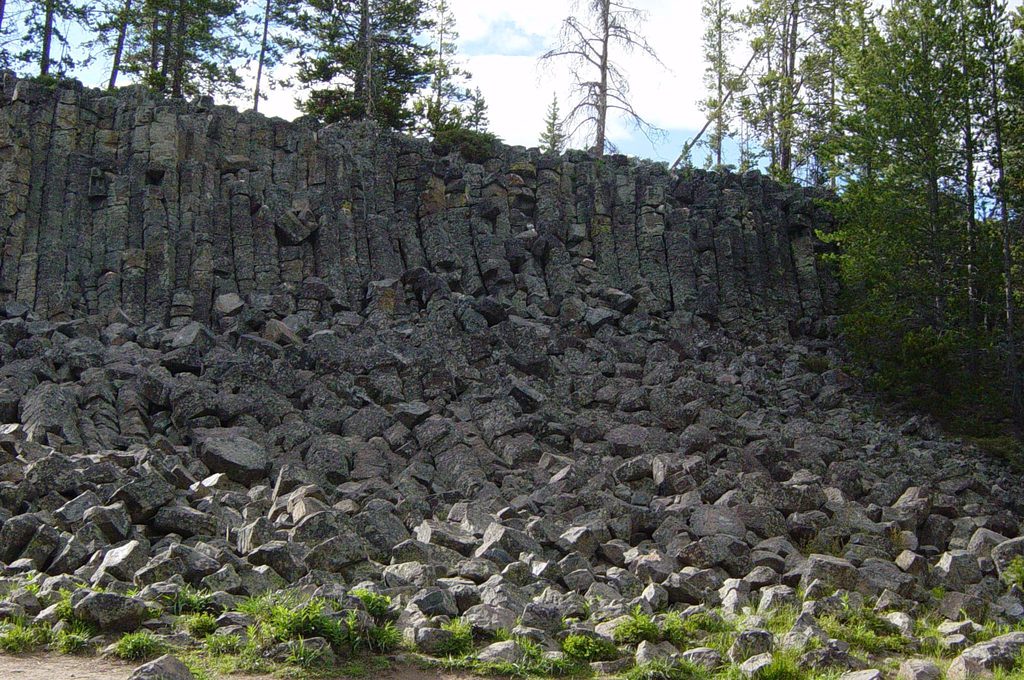
The flats sit over the Swan Lake Flat Basalt—basaltic lava flows emplaced after the Lava Creek Tuff formed the Yellowstone caldera. In this part of the park, early postcaldera rhyolites were later overlapped by these basalt flows; in turn, some younger rhyolites cap the basalt. In short: you’re standing in a corridor where Yellowstone’s postcaldera rhyolites and basalts interlayered over time.

How to Visit

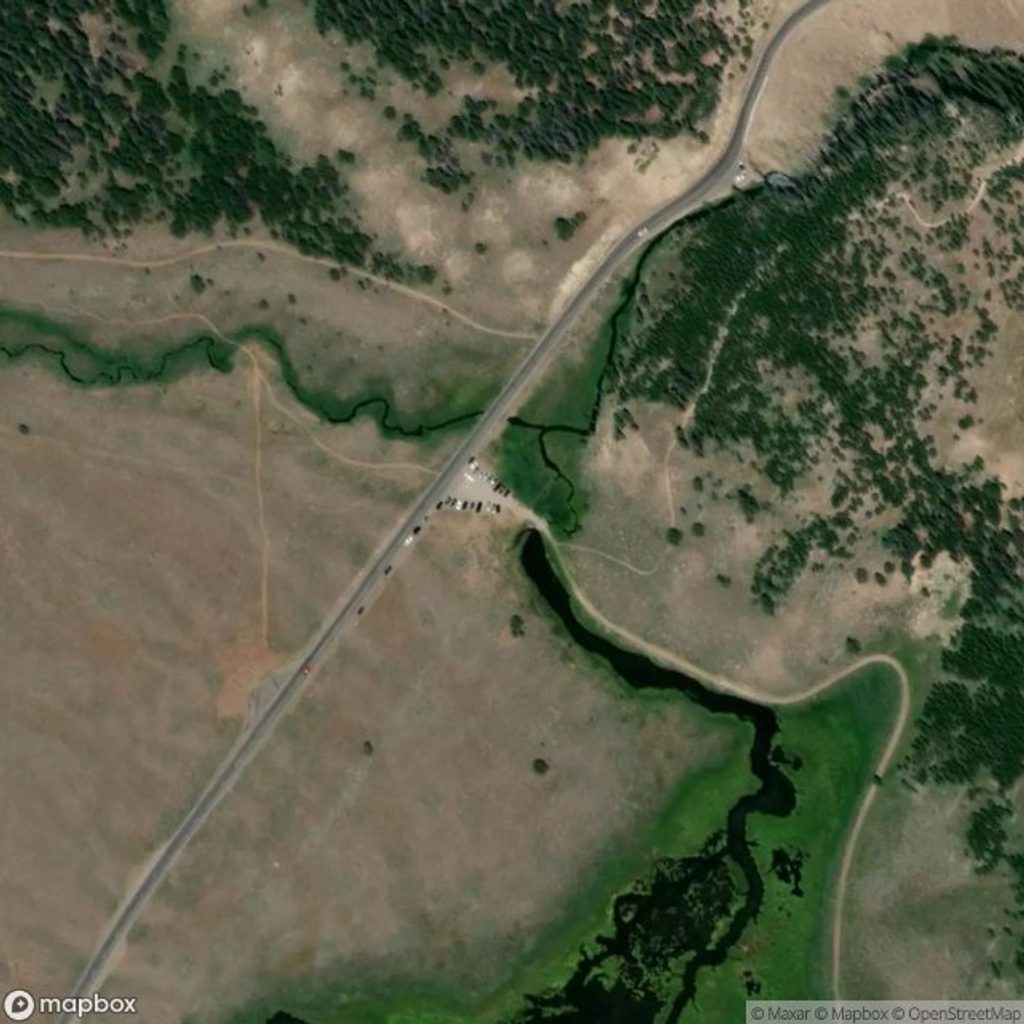
Think roadside pullouts, not a developed site. Don’t count on restrooms, water, or picnic tables here—plan bathroom breaks in developed areas like Mammoth or Norris. Wildlife can prompt traffic slowdowns and the pullouts can fill quickly; arrive early, park fully off the pavement, and be patient.

Best Time to Visit

  • Dawn and late afternoon are best for wildlife activity and soft photography light.
  • Late spring into early summer brings lush meadows that draw grazers.
  • In May (and occasionally other shoulder-season days), snow or wintry squalls can hit—pack layers and be ready for sudden chill.

Photography Tips

Golden hour side-lighting works well on the broad meadow and distant ridgelines. A telephoto lens or spotting scope helps pick out bears or distant elk without approaching them.

Pros

  • Reliable roadside wildlife viewing
  • Wide-open mountain-and-meadow vistas

Cons

  • No on-site facilities
  • Pullouts fill quickly during wildlife jams
  • Spring snow and squalls possible

Tips

  • Carry binoculars or a spotting scope to scan the meadows from the pullouts.
  • Use restrooms at Mammoth or Norris before driving this corridor.
  • Arrive at dawn or an hour before sunset for the best wildlife and light.
  • In spring, pack warm layers and expect fast-changing weather, including snow.
  • During bear or bison jams, pull fully off the pavement and stay in your vehicle.
The Parkwolf tour guide sitting on a phone mounted in a car

Parkwolf Tour Guide

Like a tour guide in your car.

Save the places you found around Yellowstone, then let Parkwolf guide the drive between them.Download Parkwolf on the App Store