
Place · 0.2 mi away
Challenging
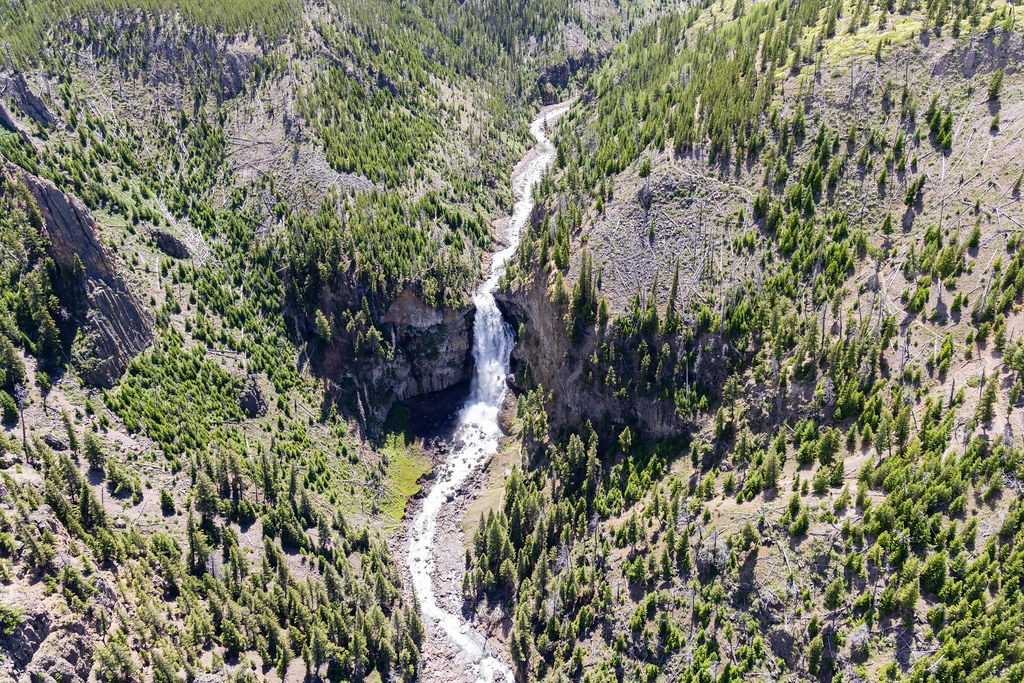
This is a real-deal waterfall hike with a quiet approach and a punchy finish. Plan on roughly 9–9.1 miles total, out-and-back, to reach 150-foot Osprey Falls plunging into the Gardner River within steep, rugged Sheepeater Canyon. It starts deceptively mellow on an old dirt road before dropping hard into the canyon on steep, narrow switchbacks. Expect far fewer people than Yellowstone’s marquee boardwalks, plus the roar and mist of a big, beautiful falls up close.
Start from the Bunsen Peak Trailhead about 5 miles south of Mammoth on Grand Loop Road near Golden Gate. Follow Old Bunsen Peak Road for about 3 miles—easy grades, open views—until the signed Osprey Falls junction. From here, the character changes fast: descend roughly 600–800 feet via tight, sometimes loose switchbacks into Sheepeater Canyon, then follow the path along the river to the falls. Return the same way, which means a stout climb back out of the canyon.
Call it moderate–strenuous: the approach is easy, but the descent/ascent is steep with loose dirt and rocks in places. Trekking poles help a lot. Rocks near the falls can be slick from spray, and rockfall is possible—don’t linger beneath steep slopes. This is active bear country; carry bear spray, hike in a group if you can, and make noise. Bring plenty of water (think 2+ liters per person) and snacks; there’s no reliable treated water on route.
Sheepeater Canyon is among the park’s deeper gashes, and Osprey Falls drops off an ancient lava flow—watch for the dark volcanic layers framing the gorge. The namesake ospreys hunt the river here. Elk and coyotes are commonly seen, and some hikers report gray wolves or mountain goats—give all wildlife space and enjoy from a distance.
Best window is roughly April through September; spring and early summer runoff make the falls especially impressive. Start early for cooler temps and an easier climb out, or go late afternoon for softer light on the canyon walls. In winter, the area is reachable by skiing from the Upper Terrace gate or with a snowcoach drop-off; expect snow/ice and bring proper winter travel skills. Parking at the trailhead is limited—arrive early.
No pets on this trail. Bikes are allowed on Old Bunsen Peak Road but not on the Osprey Falls spur; if you ride in, plan to lock up at the junction and hike the canyon section.
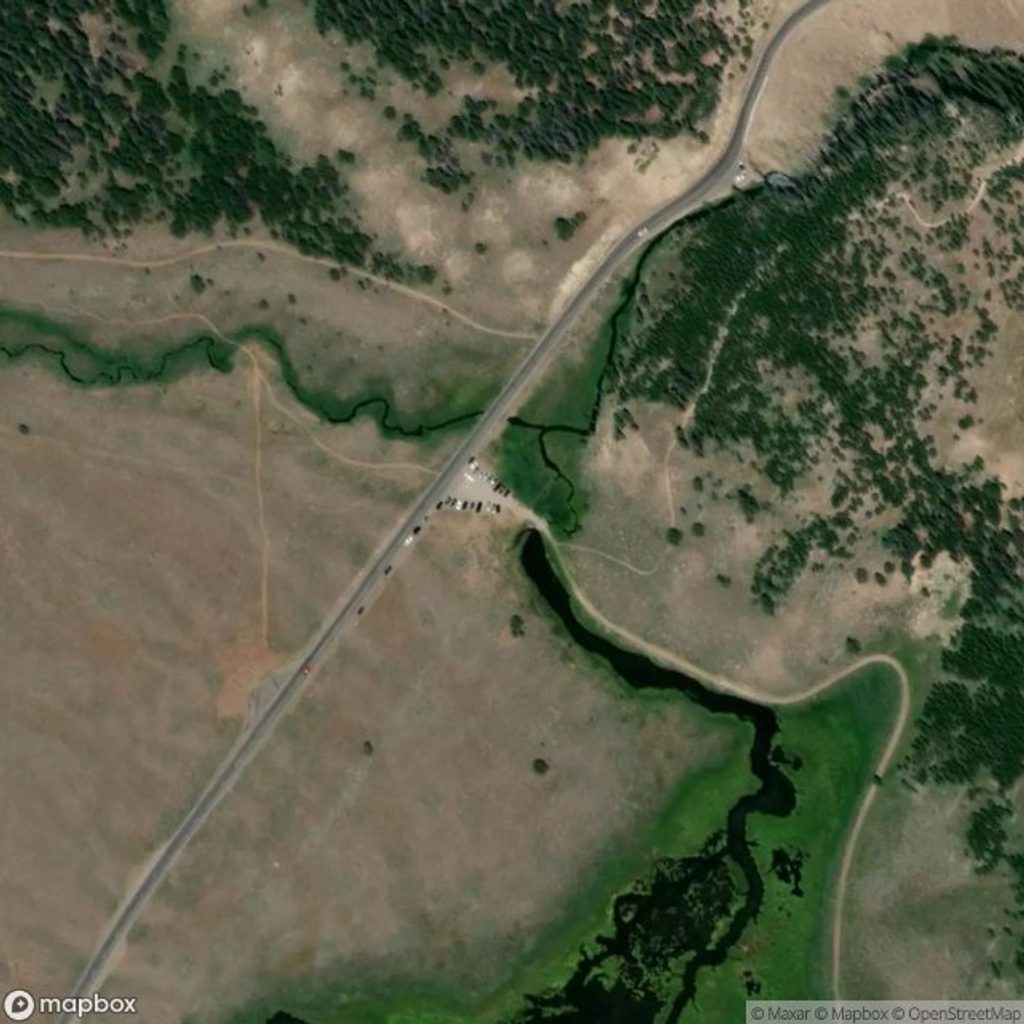
Gravel lot at Bunsen Peak Trailhead on the east side of Grand Loop Road, about 5 miles south of Mammoth near Golden Gate; limited spaces—arrive early.
Steep, loose switchbacks (600–800 ft) and slick spray zones near the falls; rockfall possible; active bear country—carry bear spray; bikes prohibited on the Osprey Falls spur.
Place · 0.2 mi away
Place · 0.8 mi away
Place · 1 mi away
Place · 1.5 mi away
Moderate · 0 mi away
Moderate · 0 mi away
Challenging · 0.1 mi away
Challenging · 0.1 mi away

Parkwolf Tour Guide
