
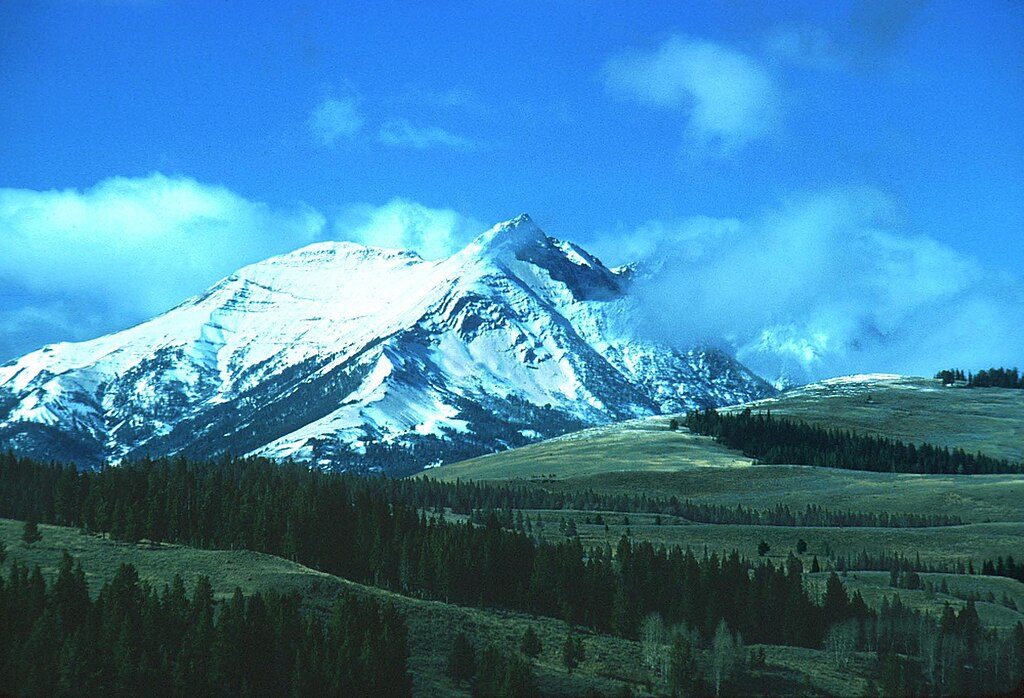
Place · 11.9 mi away
Moderate
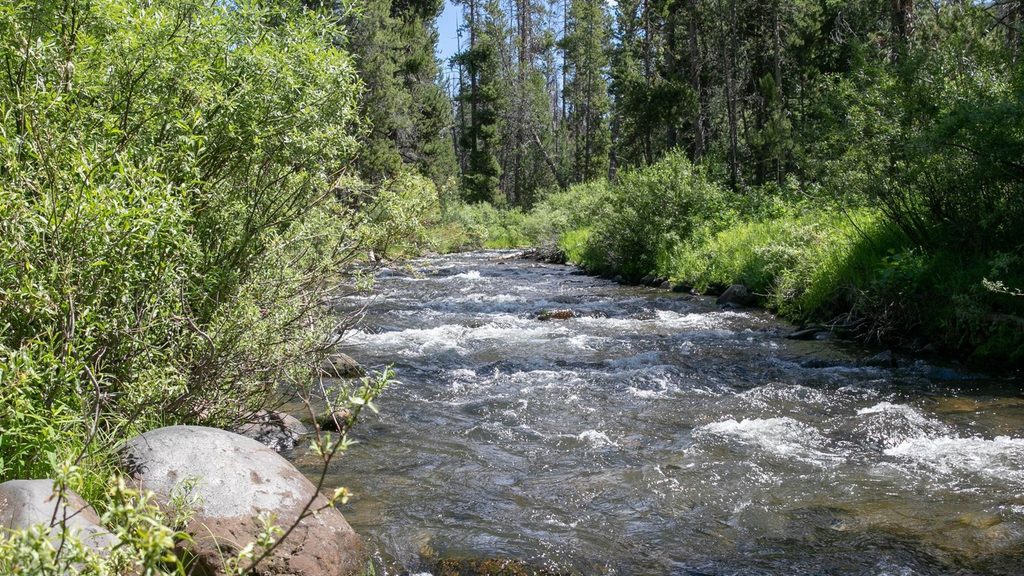
Specimen Creek is a choose‑your‑own‑adventure corridor in Yellowstone’s northwest corner: mellow miles along a broad, creek‑carved valley give way to a punchy climb to Shelf Lake if you go the distance. The classic outing is about 16 miles total (out‑and‑back) to Shelf Lake, with roughly 2,300–2,400 feet of gain. Many hikers turn around earlier for an easy valley day; others branch to Crescent or High lakes on backpacking trips. Expect a quieter feel than the park’s headline boardwalks and a good mix of forest, meadows, and big Gallatin Range views.
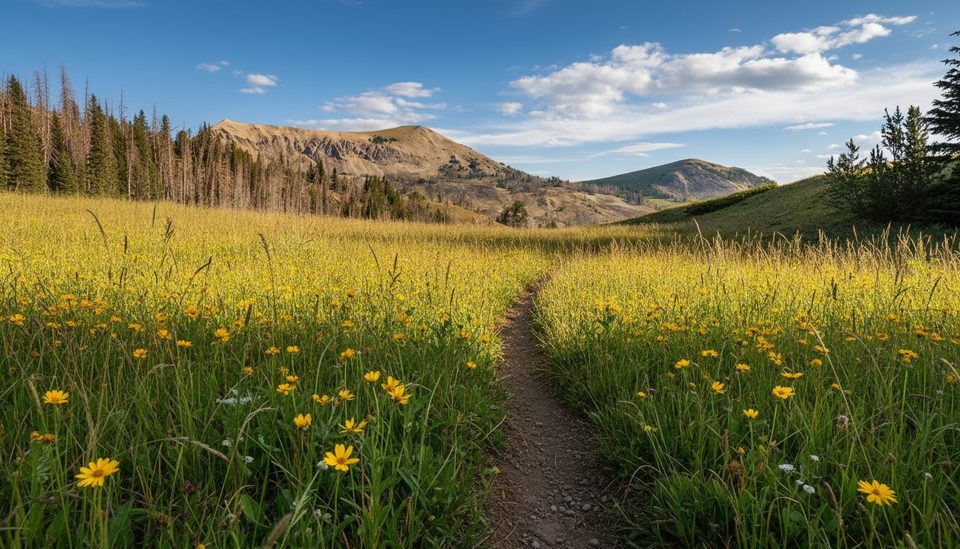
The first miles are gentle and scenic, following Specimen Creek through meadows where you’ll often spot wildlife sign. As you push farther, you’ll encounter multiple creek crossings and, eventually, the steep finale to reach Shelf Lake—a beautiful, high‑country emerald bowl that makes the effort feel worth it. Stock use is common here; yield to riders and anticipate stretches of churned tread. In late season, minor infrastructure like small footbridges can be in variable condition, so be ready to improvise safe crossings.
July through September is the sweet spot for mostly snow‑free travel and firm crossings. Late September brings golden color, colder mornings, and the possibility of light snow higher up. Winter travel is possible (popular for snowshoeing and Nordic touring), but the upper slopes toward Shelf Lake carry avalanche hazard—only go with the skills, partners, and forecast to back it up.
This is prime bear country. Carry bear spray, make noise in brushy creek corridors, and store all food properly (backcountry sites have bear poles). Bison and elk also roam the drainage—give them space. Pets are not allowed on park trails, and overnight trips require a backcountry permit. It’s illegal to collect natural features.
Trailhead along US-191 in the park’s northwest; small lot on the left roughly 4.5 miles past the park sign—have a backup plan if full.
Bear country—carry bear spray and make noise; practice strict food storage. Multiple creek crossings can be swift and cold, especially early season; a small bridge has been reported broken by stock riders. Steep upper slopes toward Shelf Lake pose avalanche risk in winter. Thunderstorms build quickly—avoid exposed high country when lightning threatens. Pets are not allowed on trails; overnight trips require a backcountry permit.
Place · 11.9 mi away
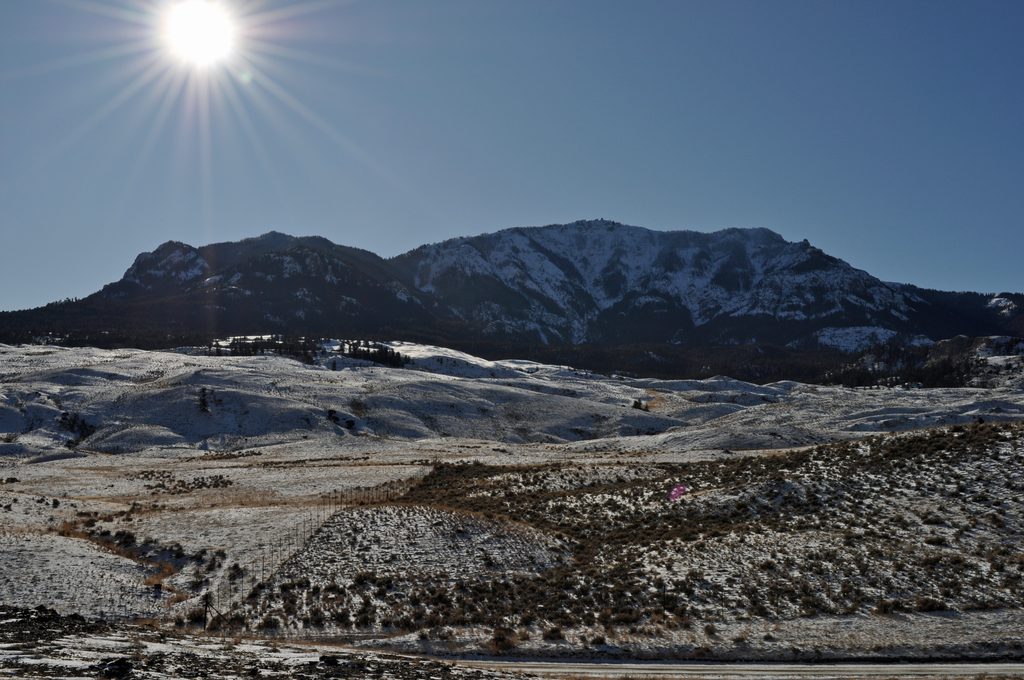
Place · 15.4 mi away
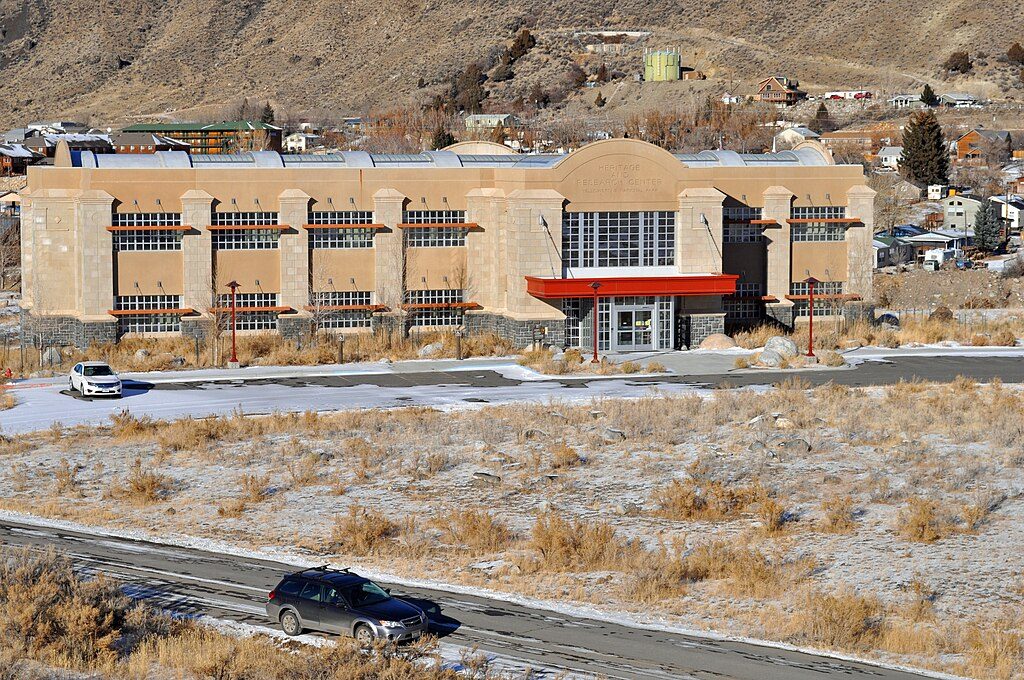
Place · 18 mi away
Place · 18.2 mi away
Challenging · 0 mi away
Challenging · 3.8 mi away
Moderate · 3.8 mi away
Challenging · 4.4 mi away

Parkwolf Tour Guide
