Parking
Start at Fawn Pass Trailhead (WK5) off U.S. 191 on Yellowstone’s northwest side; finish at Glen Creek Trailhead south of Mammoth. Arrange a shuttle or leave a vehicle at each end.
Yellowstone National Park, WY · MT · ID
A 21-mile crossing over Fawn Pass into the Gallatin Range.
Overview
Map & elevation
Plan your hike
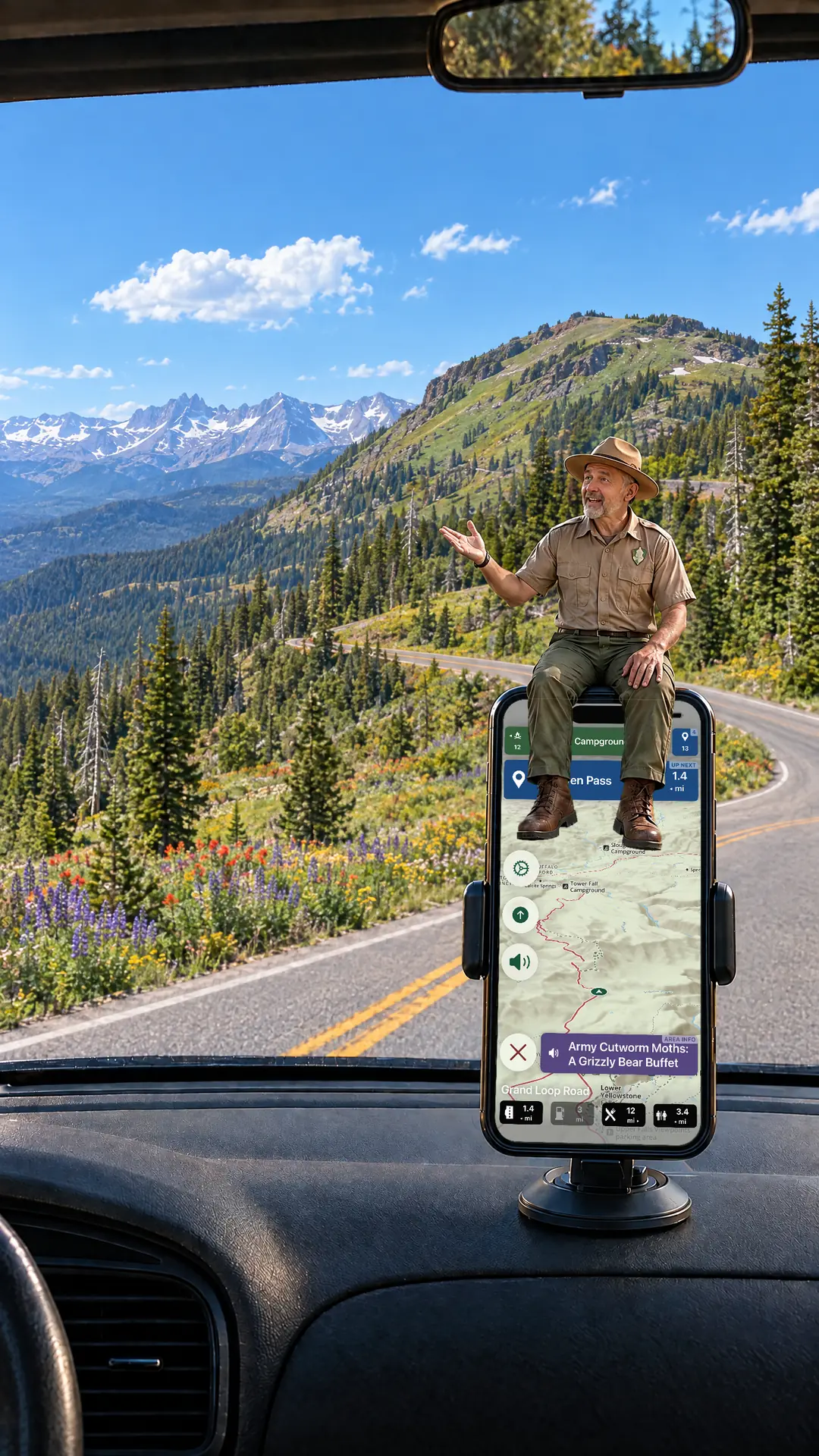
The highest, rockiest slopes around here are a summer buffet for grizzly bears.
Yellowstone Tour Guide
Parkwolf is a GPS audio tour guide for Yellowstone National Park. As you drive, it chimes in with what’s ahead: hidden gems, upcoming stops, history, geology, and wildlife, right through your car’s speakers.
See the Yellowstone audio tourRecorded for this trailhead
Fawn Pass and Fan Creek Trailhead“Fawn Pass Trailhead is ahead, the start of a long walk from forest and creek meadows into open alpine country.”
Plays as you drive up to this trailhead in the Parkwolf Yellowstone Tour Guide.
More stories near here in the app
“First time driving through a national park. We used the Yellowstone tour on grand loop Road and it’s just like having a tour guide in your car with you.”


Trail guide
Fawn Pass Trail is a strenuous 21-mile, one-way crossing of Yellowstone’s Gallatin Range. Start at Fawn Pass Trailhead (WK5) near U.S. 191 and finish at Glen Creek Trailhead south of Mammoth. The route climbs over Fawn Pass, then descends through forest and meadows to the other side of the range. Allow a full day on trail—about 12 hours—and arrange a shuttle or leave a vehicle at both ends before you start. The west-side park listing gives 21 miles; the Glen Creek listing gives 19.7 miles in the other direction, so plan around the longer figure.
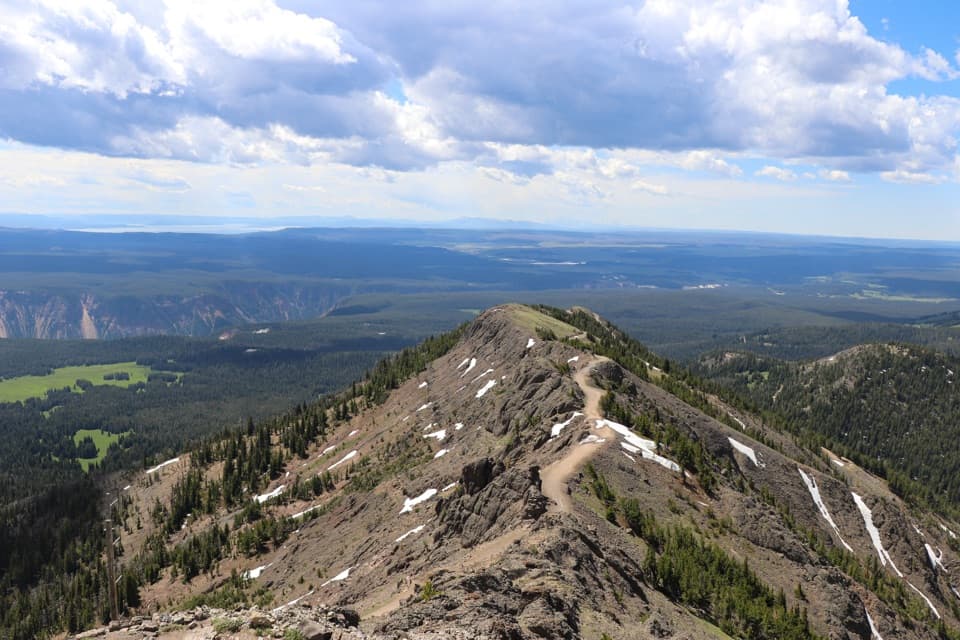
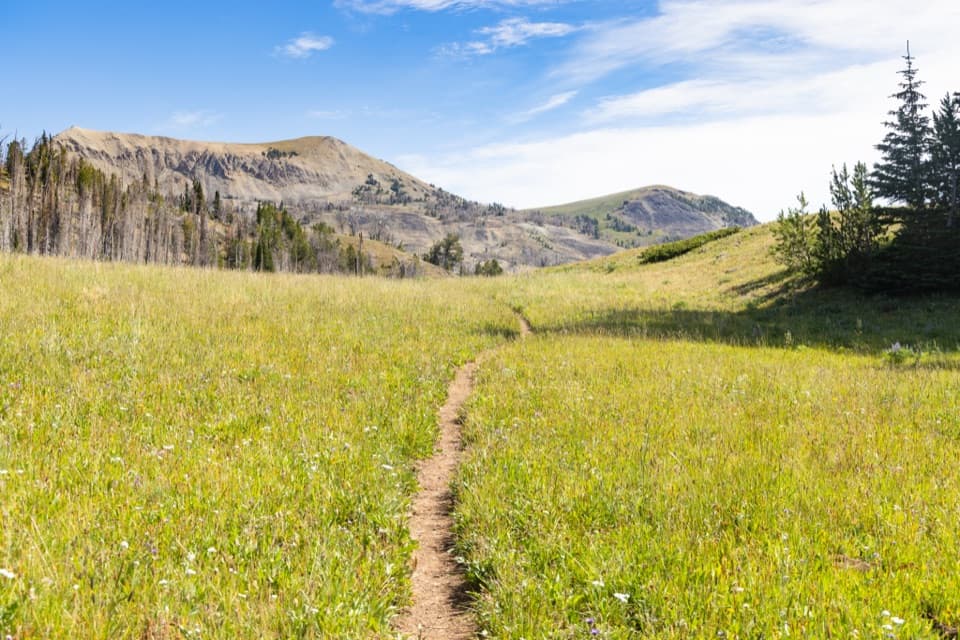
The route begins near Fan Creek and moves through a mix of forest and riparian meadow. As you climb toward Fawn Pass, trees thin and the terrain opens into broad alpine country. The park describes about 2,030 feet of climbing over the pass. This is a long approach, so the best reason to keep going is the change from forest and meadow to the open high country.
Fawn Pass is the high point and the main payoff: a saddle in the Gallatin Range with open views across the mountains. On the far side, the route continues through meadows and forest, following the Fawn Creek and Glen Creek corridors toward the finish. If you stop for a photo in the open meadow, keep some trail in the foreground; it shows the scale of the crossing better than the ridges alone.
This is not a loop. The west end is Fawn Pass Trailhead (WK5) on U.S. 191; the east end is Glen Creek Trailhead south of Mammoth. The 18-mile out-and-back to Fawn Pass is the alternative if you need to return to WK5, though that is still a strenuous day. An overnight stay requires a backcountry permit; the trail pages list no permit for day hiking.
Grizzlies frequent this corridor. Carry bear spray and know how to use it; the park recommends groups of four on this trail. From May 1 through November 10, stay on designated trails in the bear management area. Pets aren't allowed.
Wildlife
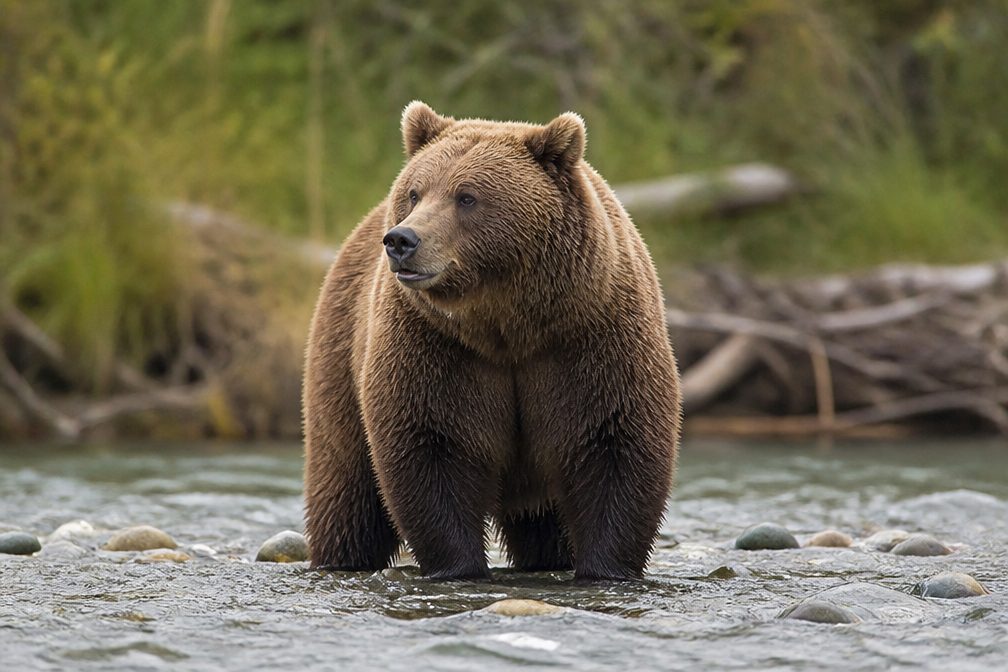 713 sightingsGrizzly BearMost seen around 6 AMSighting map
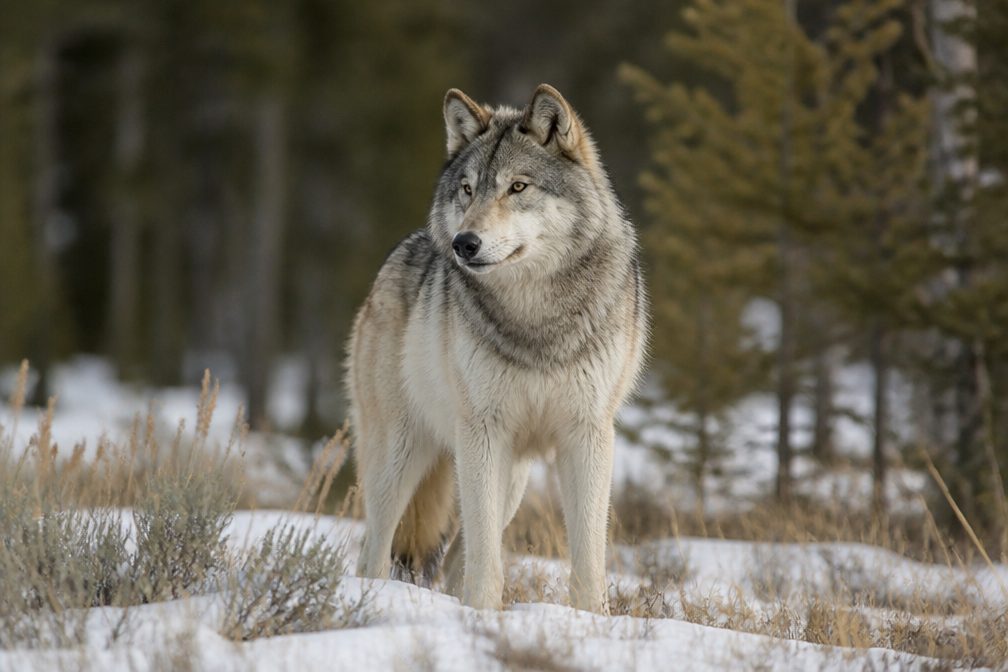 743 sightingsWolfMost seen around 6 AMSighting map
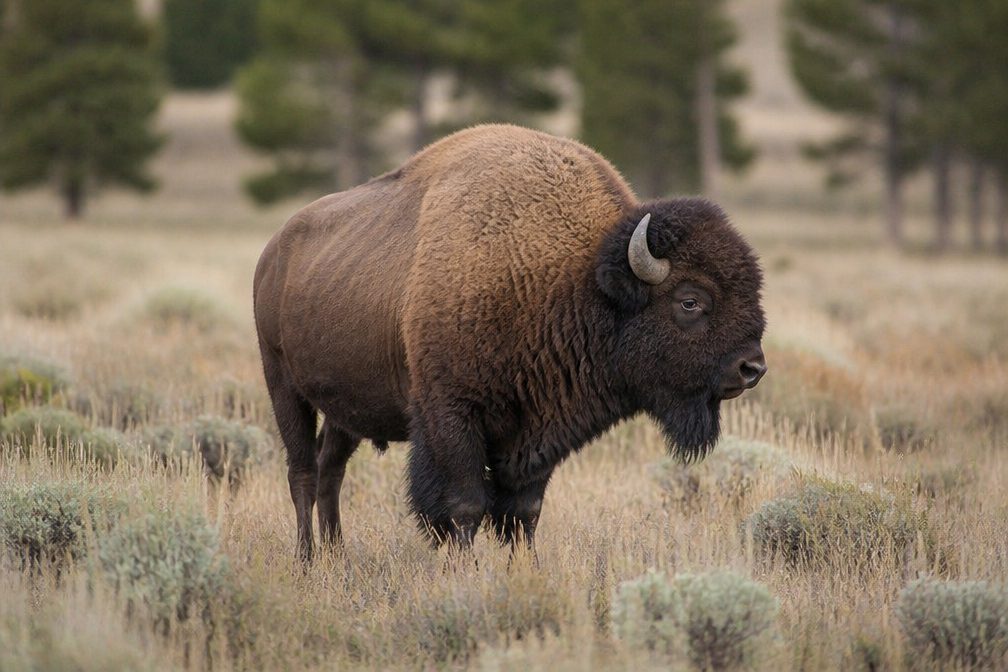 5,273 sightingsBisonMost seen around 7 AMSighting map
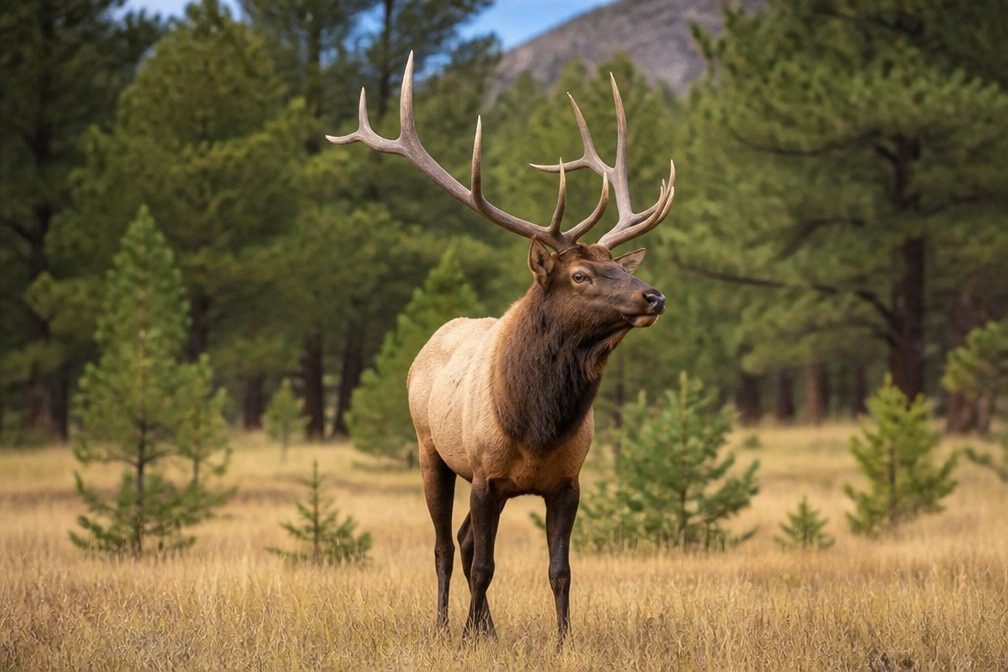 3,258 sightingsElkMost seen around 7 PMSighting map
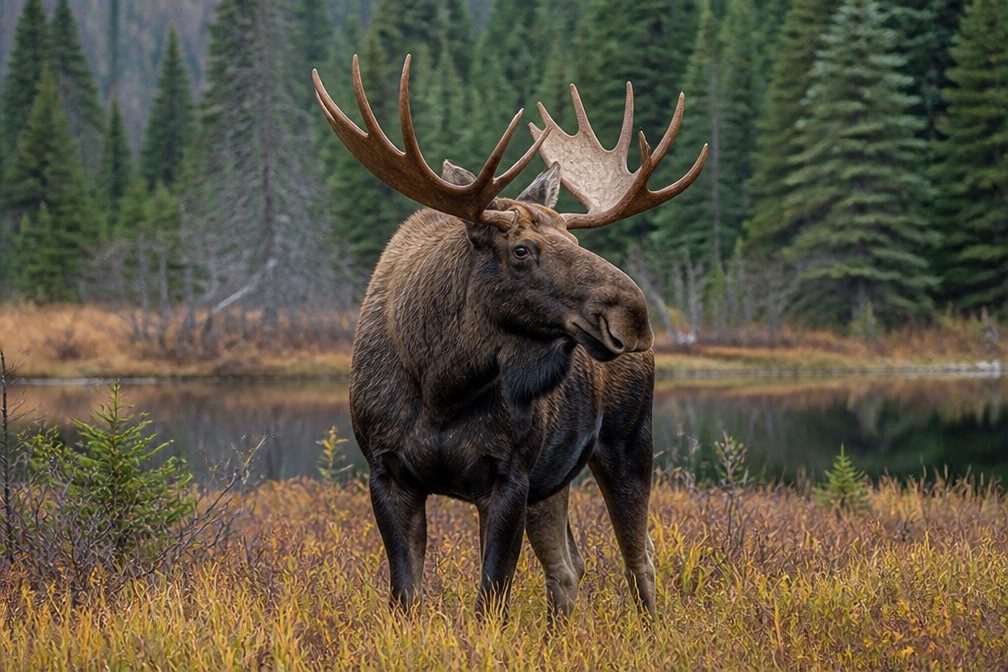 397 sightingsMooseMost seen around 7 PMSighting map
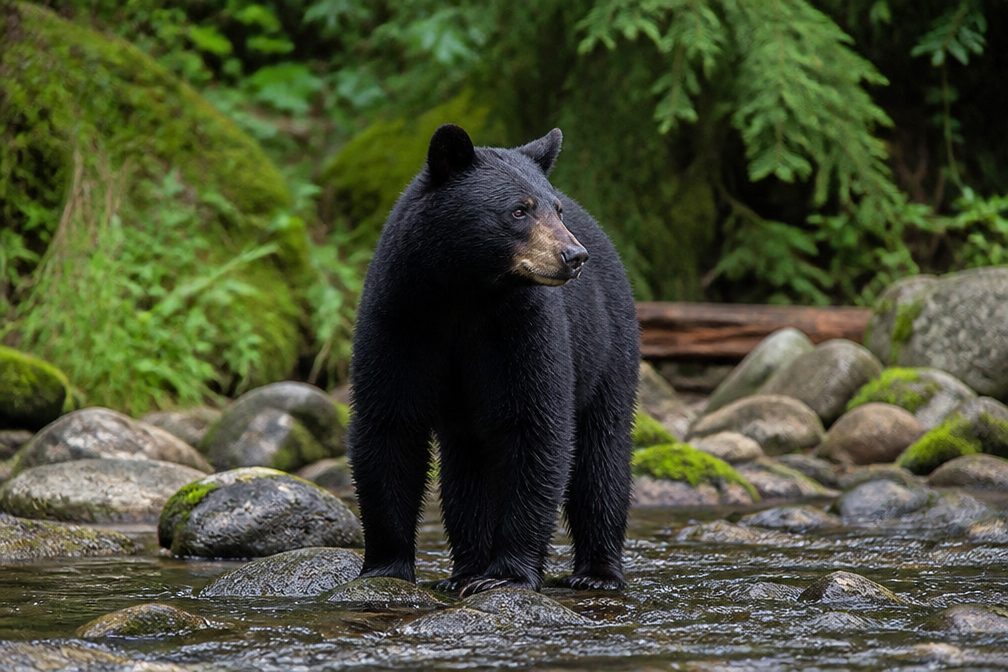 1,494 sightingsBlack BearMost seen around 7 PMSighting map
Sighting maps show where each species has been reported across Yellowstone. Wildlife moves, so no sighting is guaranteed.
Keep exploring
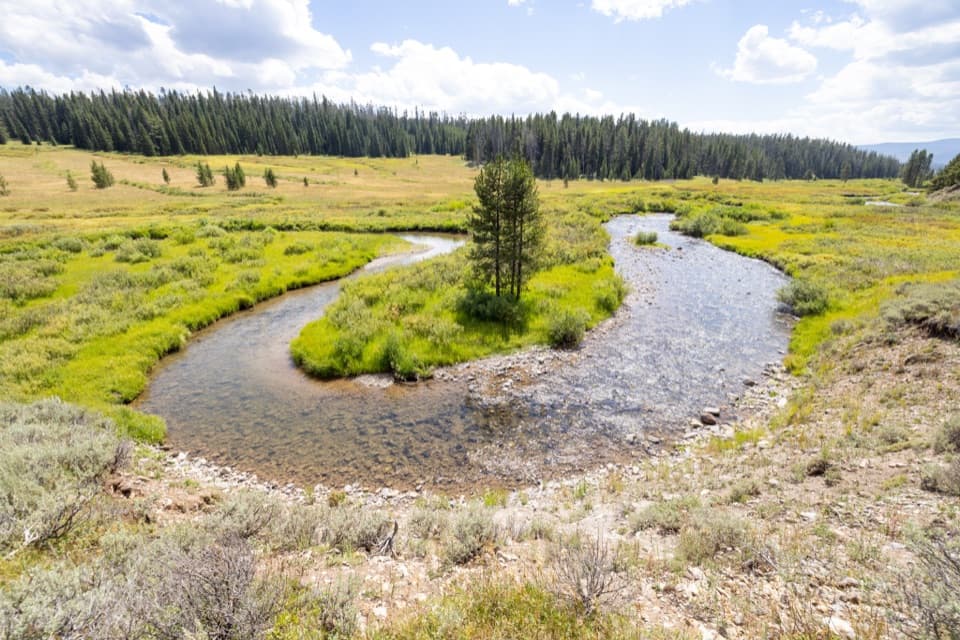 ModerateFan Creek Trail9.6 mi · 6 hr · At the trailheadMeadows and creek bends make this long backcountry walk worthwhile.
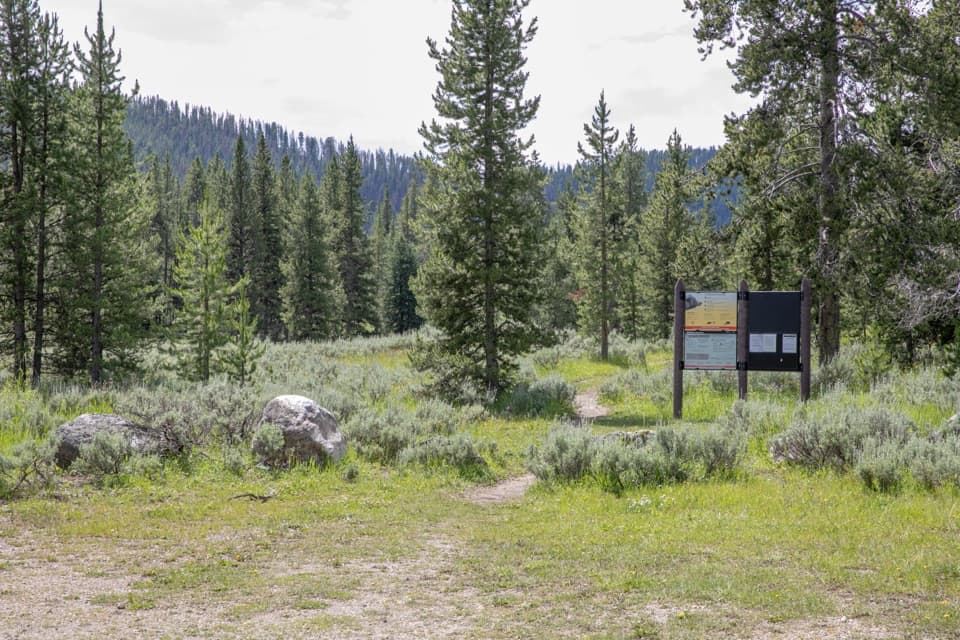 ChallengingBacon Rind Trail14.1 mi · 8.5 hr · 0.7 mi awayA creekside meadow leads to a long climb and alpine views.
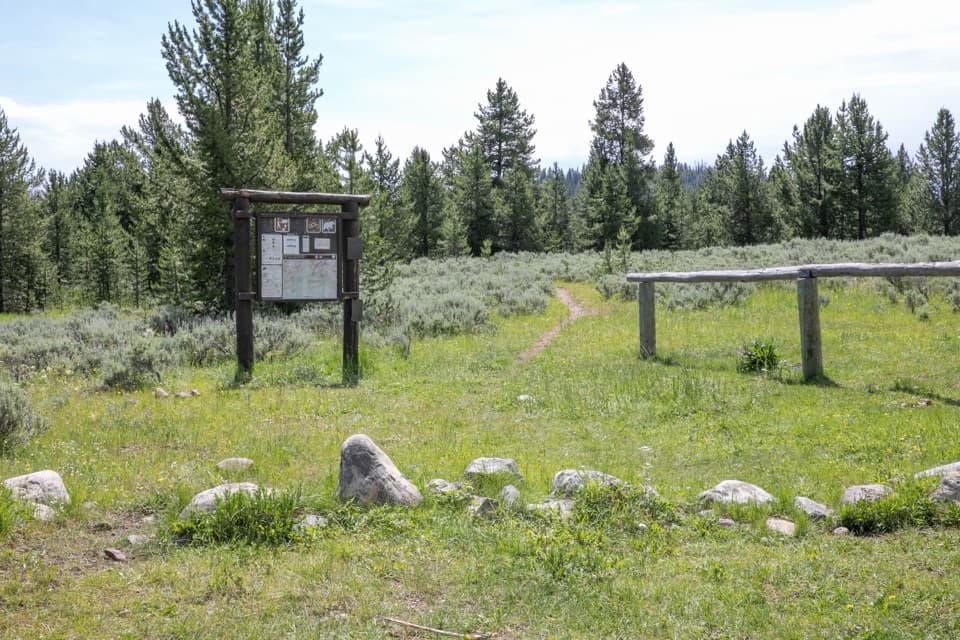 ChallengingBighorn Pass Trail19.4 mi · 10 hr · 1.6 mi awayCross the Gallatins from willow creeks to an open pass.
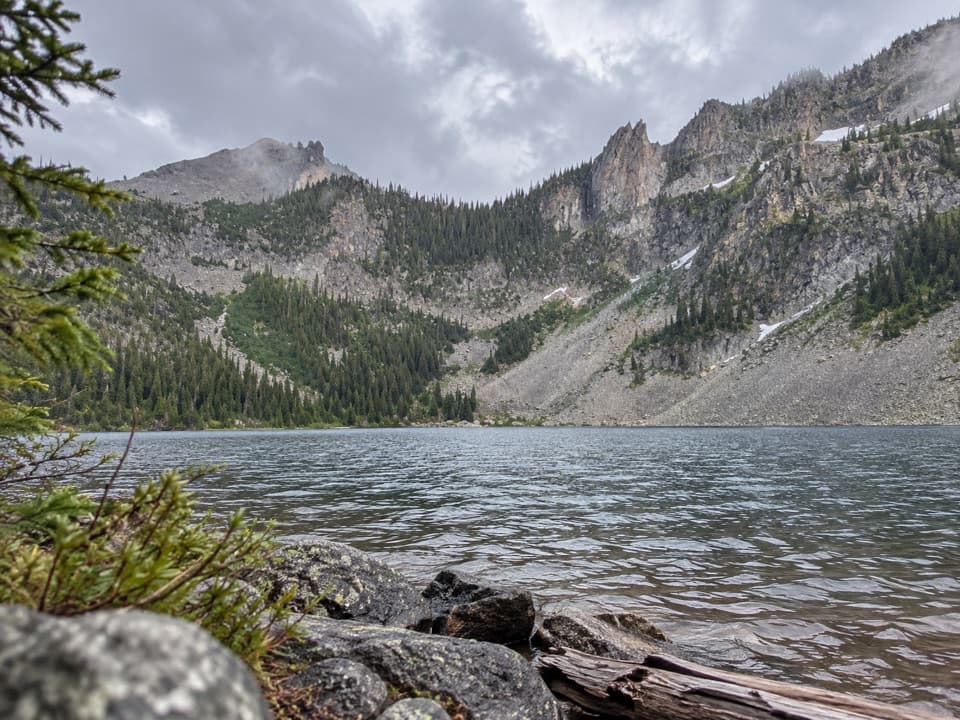 ChallengingCrescent Lake–High Lake Trail21.7 mi · 12 hr · 4.4 mi awayA 21.7-mile loop to two alpine lakes and a high ridge.
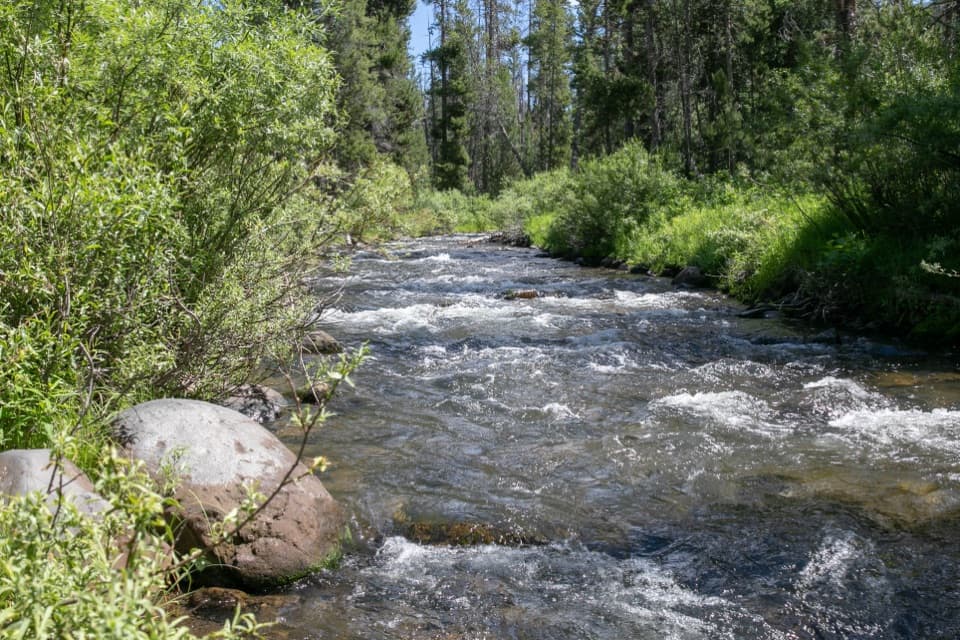 ChallengingSpecimen Creek Trail16.4 mi · 9 hr · 4.4 mi awayA full day along Specimen Creek, ending at Shelf Lake.
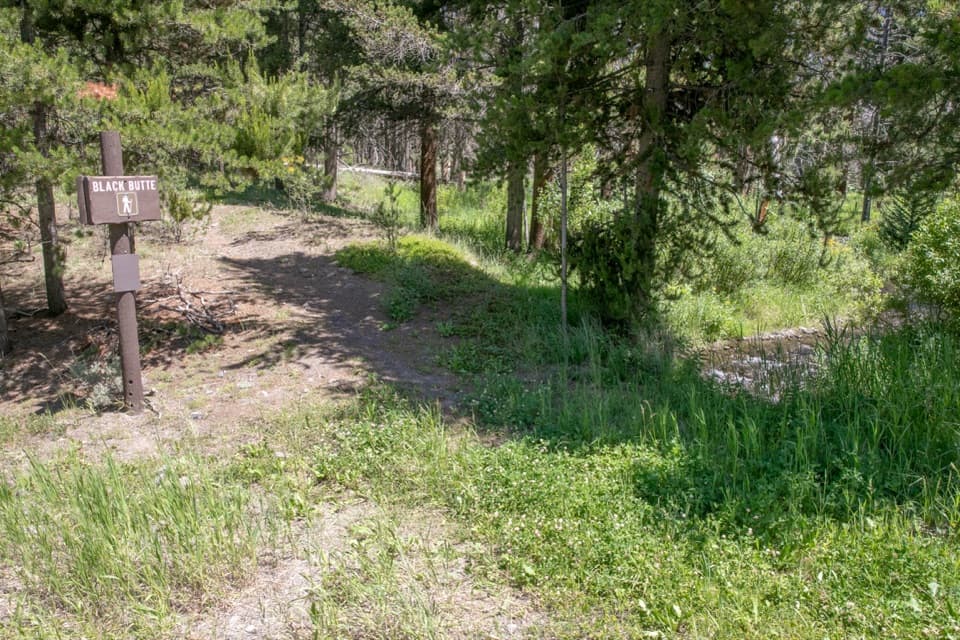 ChallengingBlack Butte Trail11.9 mi · 8 hr · 6.4 mi awayA creekside climb rises through meadows to the Sky Rim.
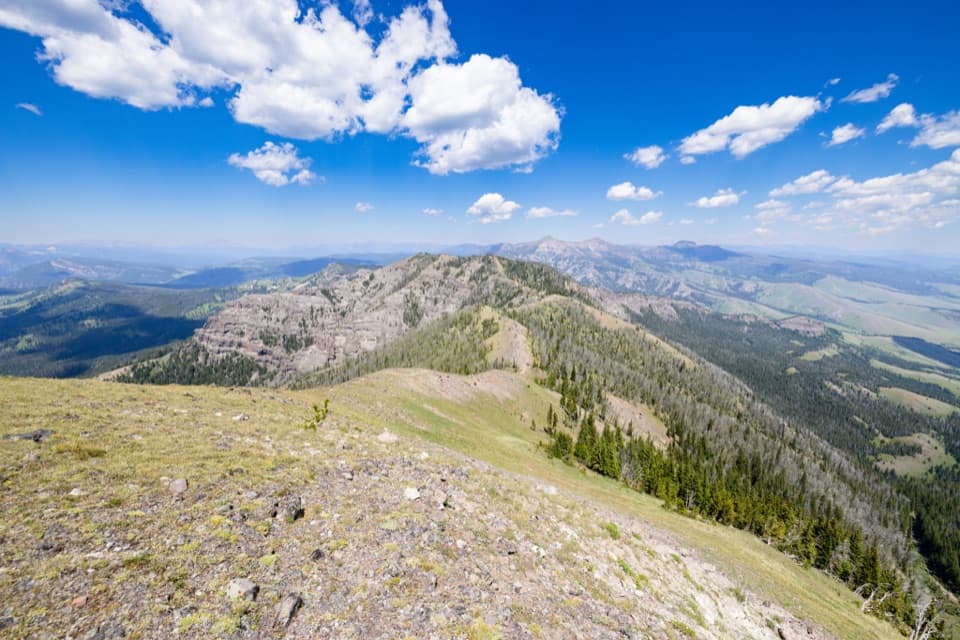 ChallengingSky Rim Loop Trail18.2 mi · 11 hr · 7.8 mi awayA rare high ridge, earned over a long exposed Yellowstone loop.
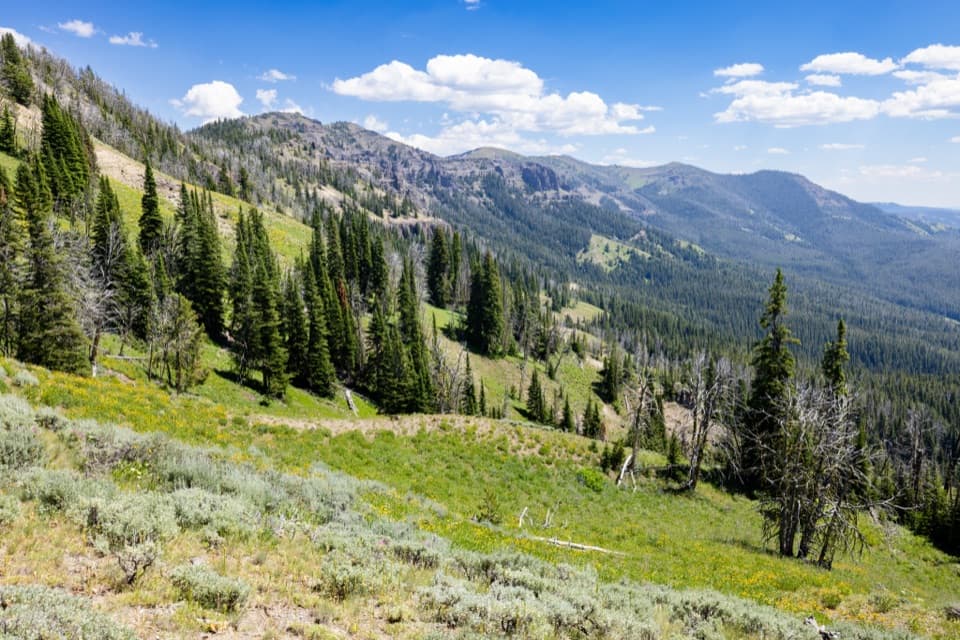 ChallengingDailey Creek Trail10 mi · 6 hr · 7.8 mi awayLong meadows lead to a high pass with a view both ways.
Parkwolf’s Yellowstone ranking

The audio tour guide for the drive, plus offline maps, trails, and wildlife heatmaps for when the signal drops.