Challenging

Two Ocean Plateau Trail

Remote high country traverse on the Divide with solitude and wildlife.
Two Ocean Plateau Trail, Yellowstone National Park
Distance11.7 mi
Typical time0 min
DifficultyChallenging
PetsNot allowed

Overview

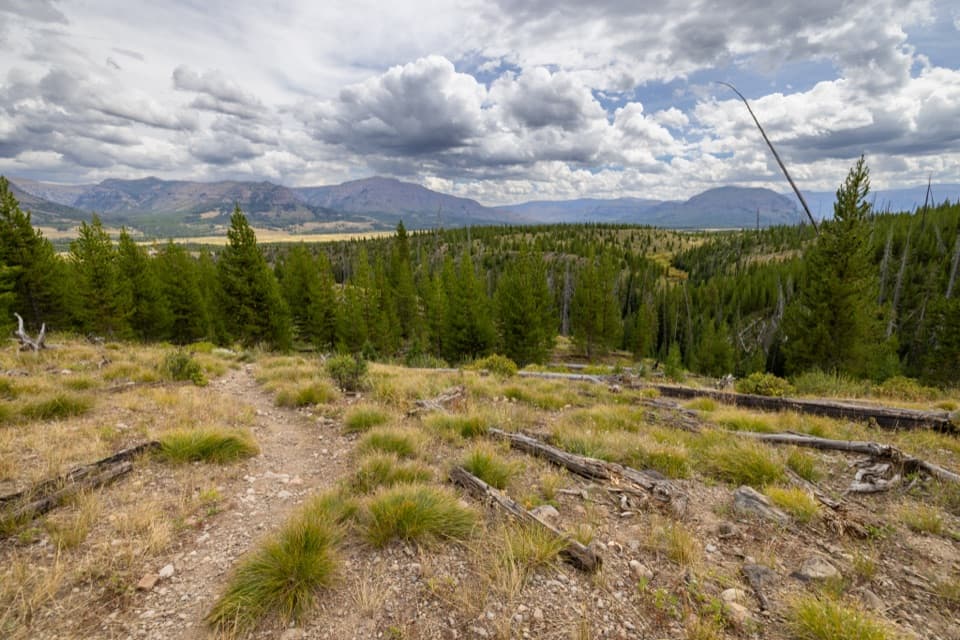
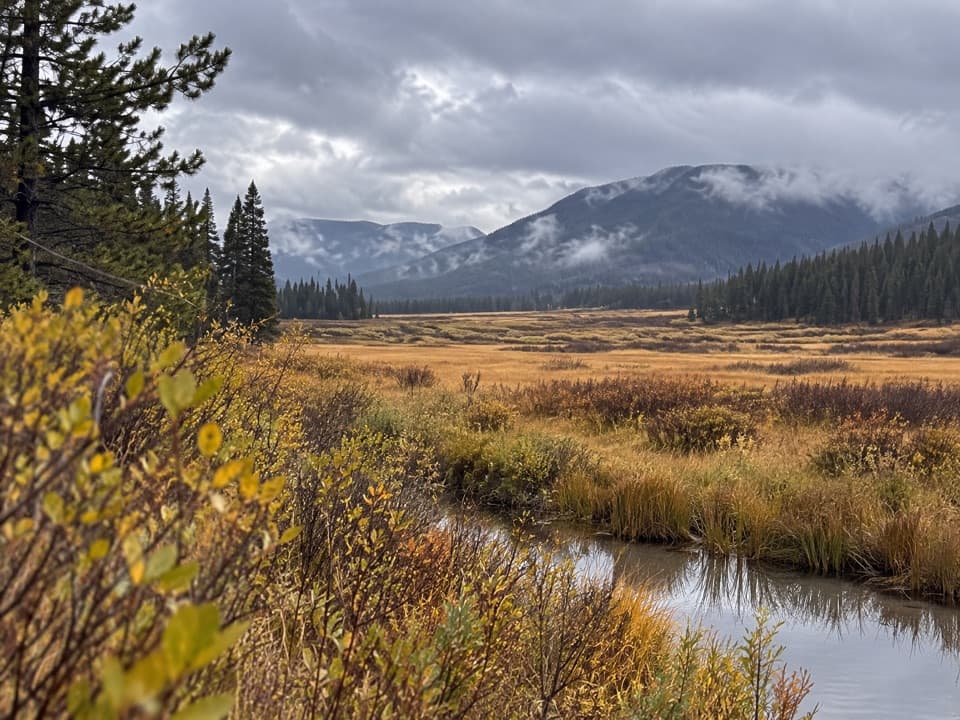
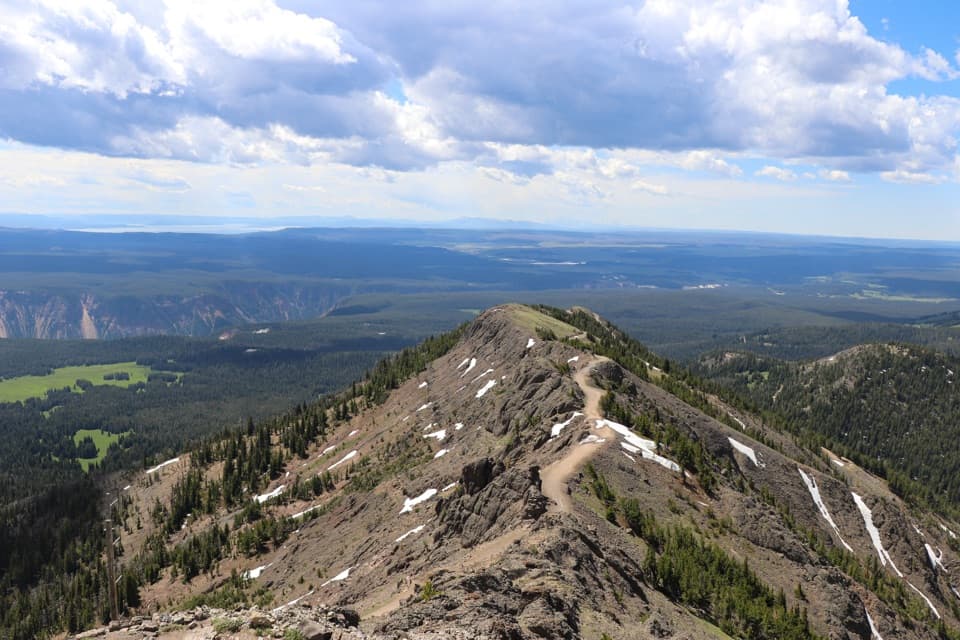
The Two Ocean Plateau Trail is an 11.7‑mile singletrack crossing the high, quiet country of Yellowstone’s southeast corner. It’s a challenging, remote segment that hikers, backpackers, runners, and horseback riders use in both directions—often as part of big, multi‑day itineraries that link Trail Creek, Heart Lake, and the plateau. Expect real solitude and a true backcountry feel rather than a groomed, front‑country day hike.

Terrain and Stats

This segment climbs roughly 1,763 feet and descends about 919 feet overall, starting near 7,750 feet and ending around 8,593 feet. The tread can be rocky in places, and route commitment is high once you’re up on the plateau. You’ll be working at altitude, so pace accordingly.

Seasons and Conditions

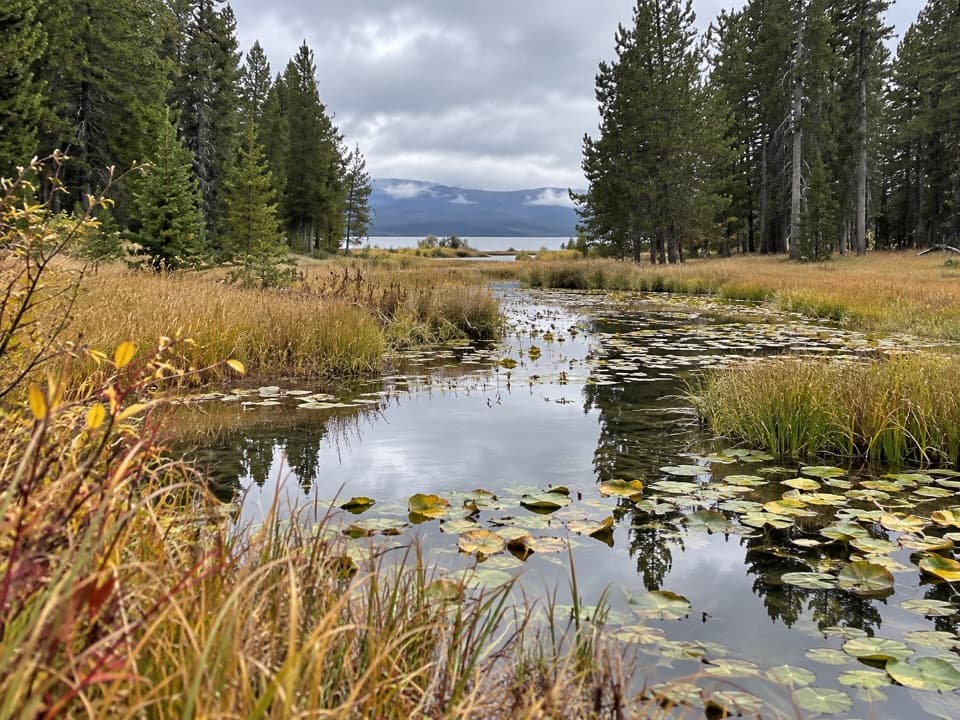
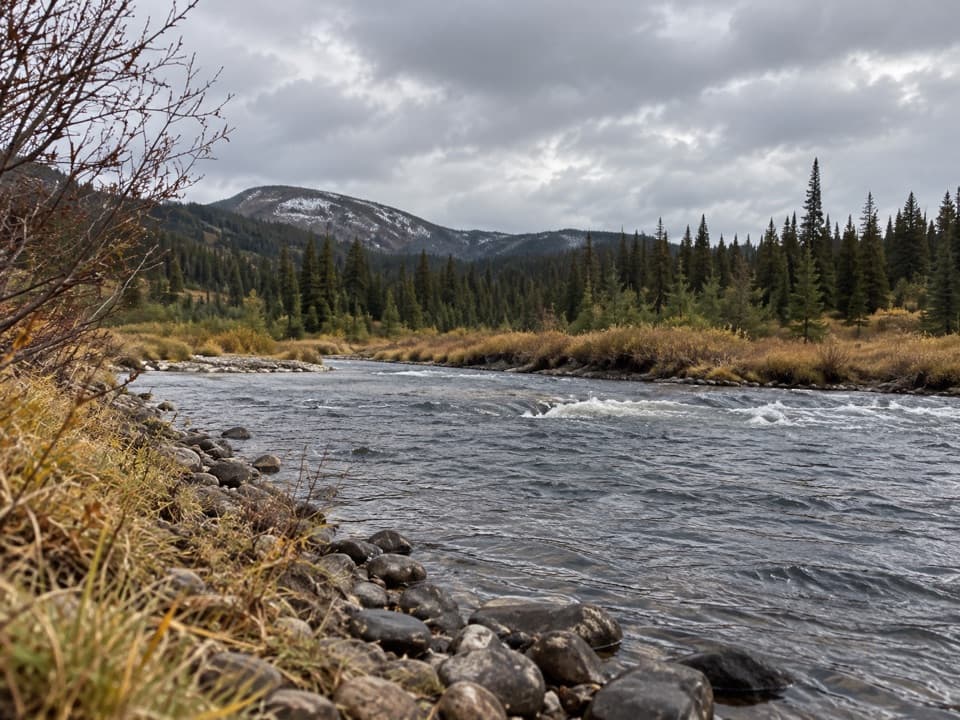
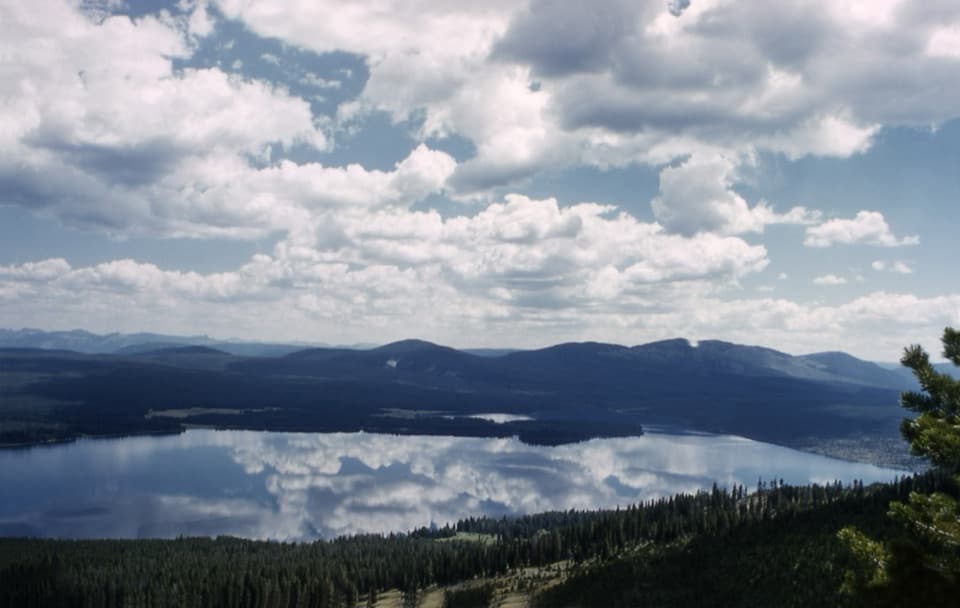
Best season is July through September. Even then, conditions swing fast—early snow can linger, and late‑season storms roll in quickly. Weather around Yellowstone Lake can be its own beast, influencing wind and squalls far inland. Expect possible stream or river crossings on itineraries that include this corner of the park; late‑season reports noted knee‑high fords, but depth varies with runoff and recent weather.

Wildlife and Water

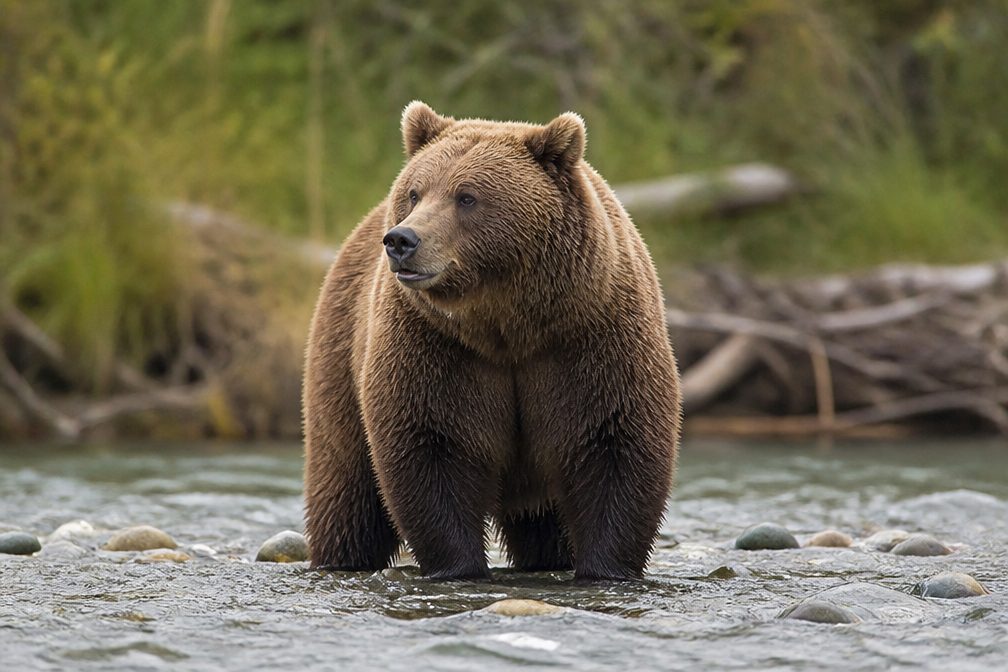
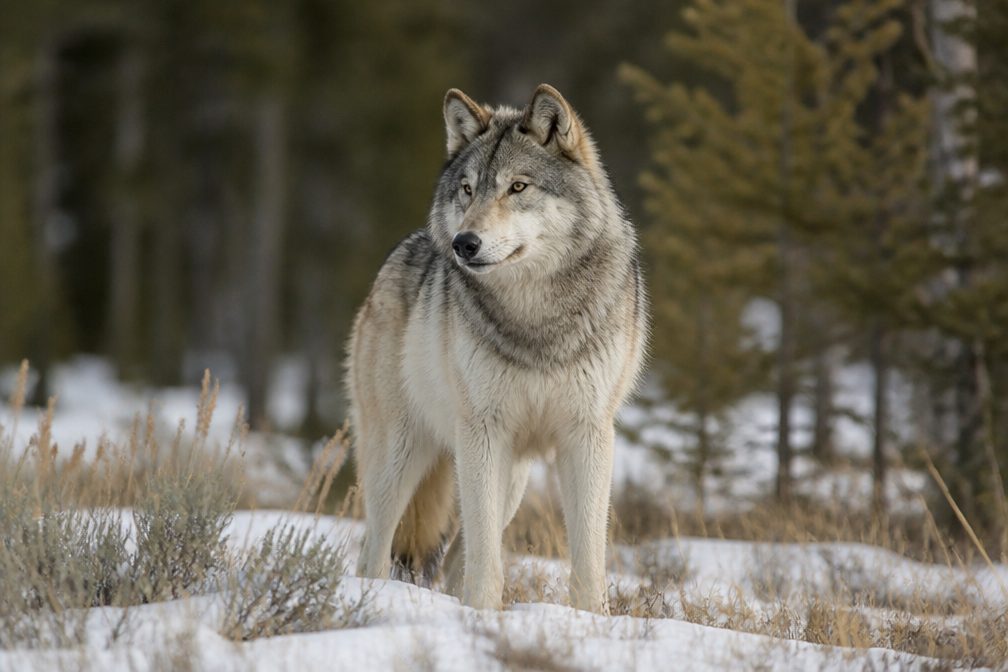
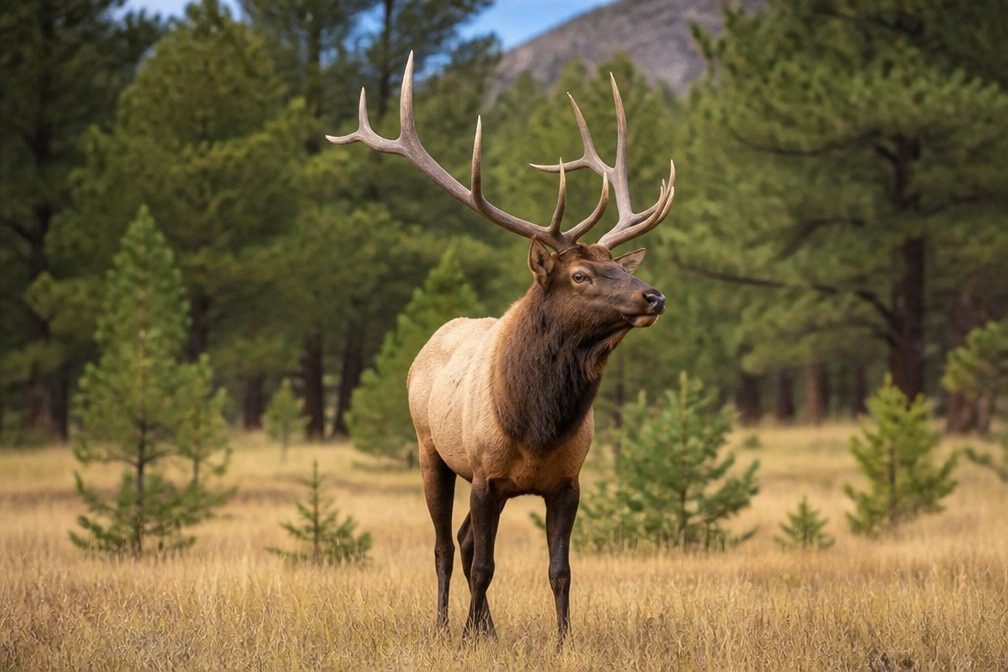
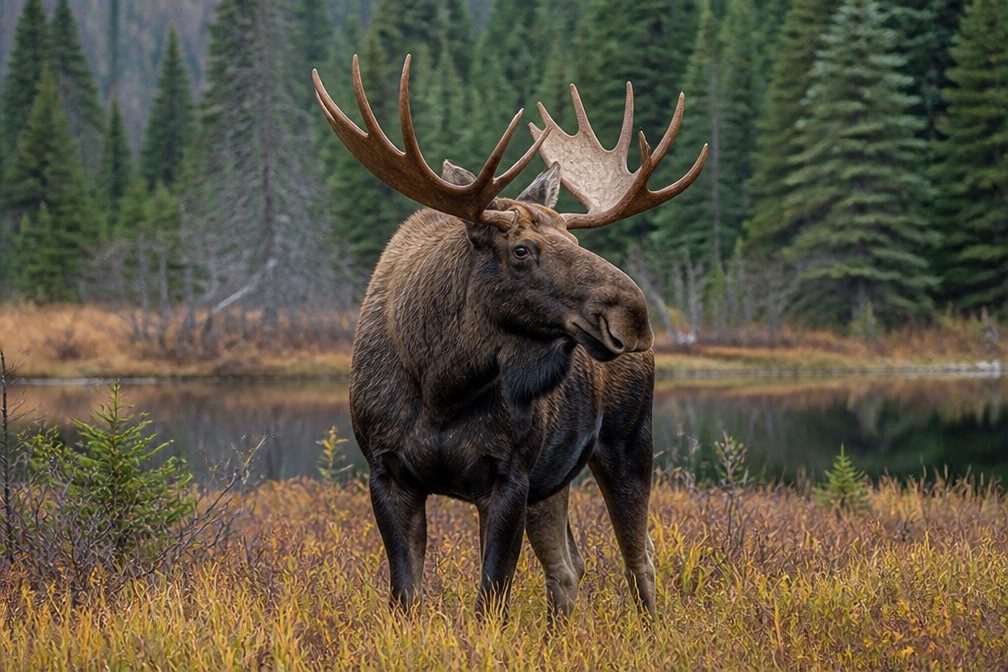
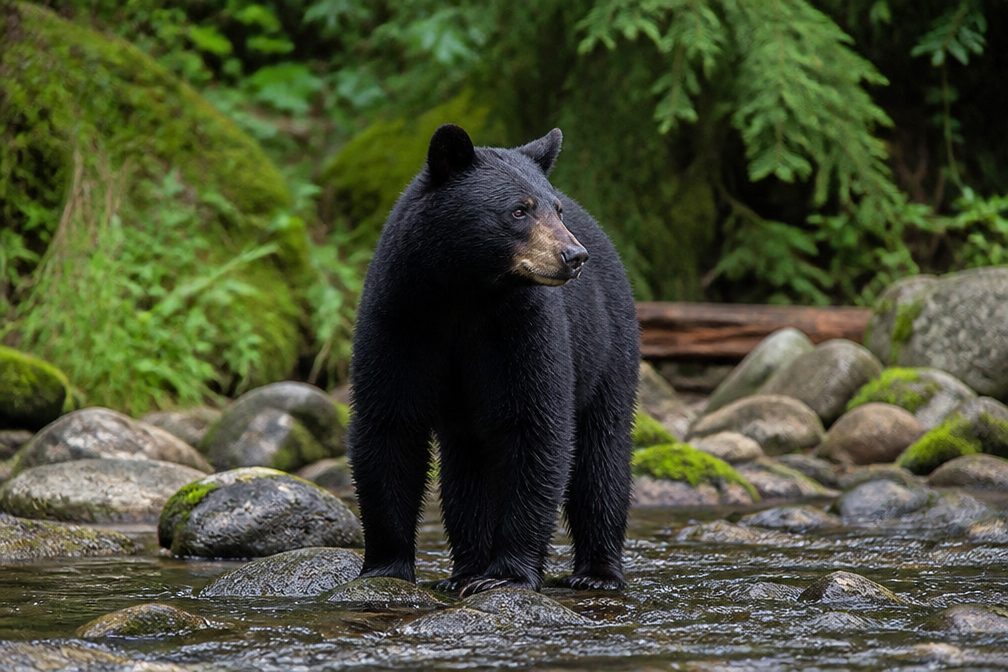
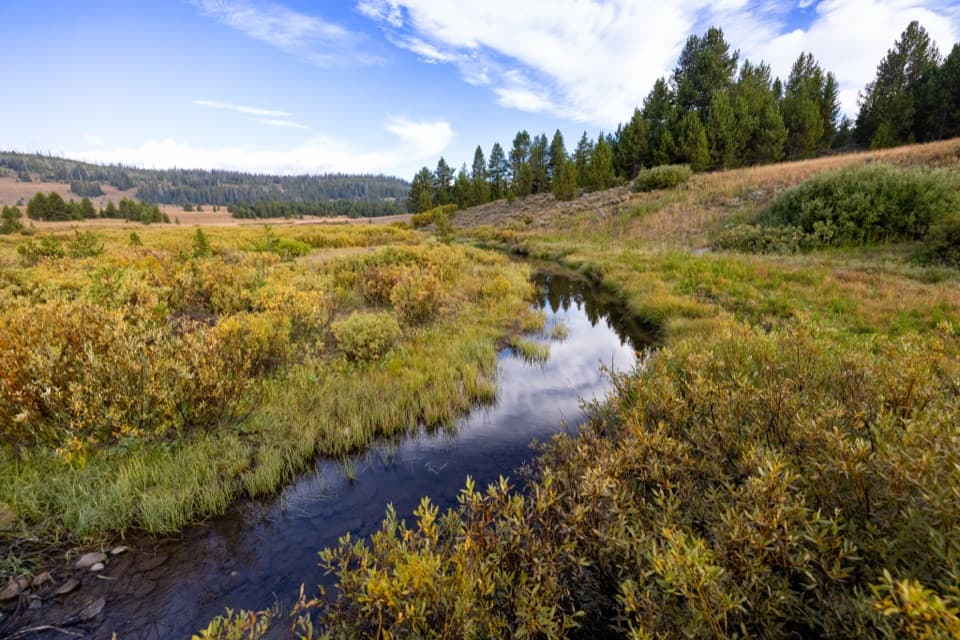
This is living, breathing backcountry. Hikers have reported bald eagles, elk (with lively rut activity in September), wolf sign and howls, and bear sign in the broader Thorofare/plateau area. Give all wildlife a wide berth. Water is typically clean and plentiful—even up on the plateau—but always treat before drinking.

Logistics and Regulations

Dogs aren’t allowed on this trail. Overnight trips require a backcountry permit for designated campsites. Many backpackers weave the plateau into large circuits; others even combine a paddle on Yellowstone Lake’s South Arm with a traverse—if you’re considering boat or gear caches, confirm current rules with the backcountry office (food caching is not permitted). This is grizzly country; carry bear spray and know how to use it.

Geology and the Name

You’re traveling along the Continental Divide in country shaped by volcanism and glaciation. Just south of here, at Two Ocean Pass, a single creek famously splits at the Divide—“Parting of the Waters”—sending flows to both the Atlantic and Pacific. It’s a vivid nearby example of the hydrology that gives the plateau its name, in a landscape underpinned by volcanic breccias and tuffs of the Absaroka field.

Pros

  • Reliable water sources even atop the plateau (treat before drinking).
  • Deep solitude in peak season on a true Divide high country traverse.

Cons

  • Seasonal fords can be knee‑high and trip‑defining depending on runoff.
  • Fast‑changing weather influenced by nearby Yellowstone Lake.

Parking

Access via established backcountry trailheads used for Trail Creek or Heart Lake itineraries; park at the signed trailhead for your chosen route. This is a remote backcountry segment rather than a single, dedicated tourist lot—confirm access and parking when arranging your backcountry permit.

Caution

Remote grizzly country with few people around; carry bear spray. Expect fast‑changing weather, possible knee‑high river crossings, and rocky tread. Dogs not allowed; overnight camping requires a backcountry permit.

The Parkwolf tour guide sitting on a phone mounted in a car

Parkwolf Tour Guide

Like a tour guide in your car.

Bring Yellowstone trail research into the car, with offline maps and stories that play as you drive.Download Parkwolf on the App Store