
Place · 0.2 mi away
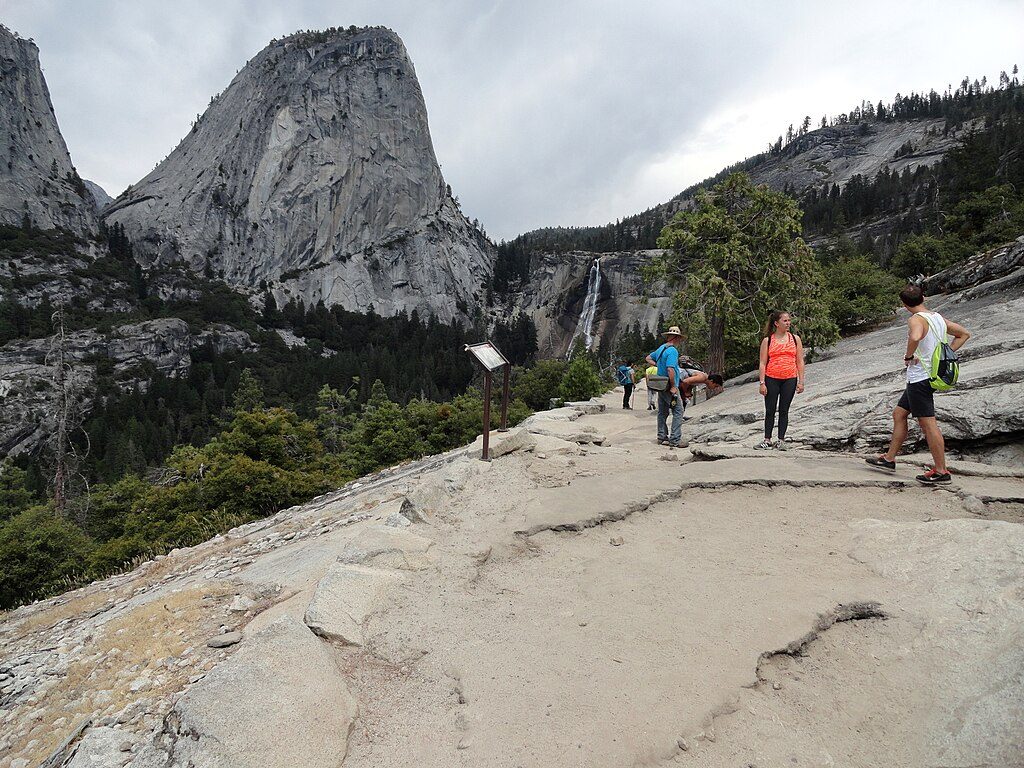
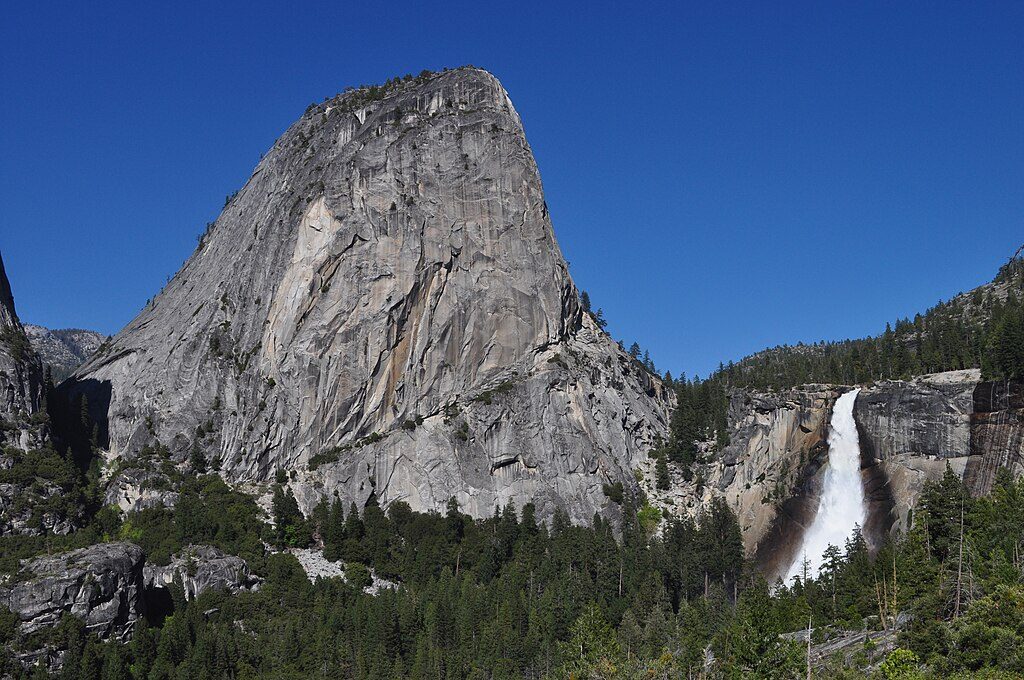
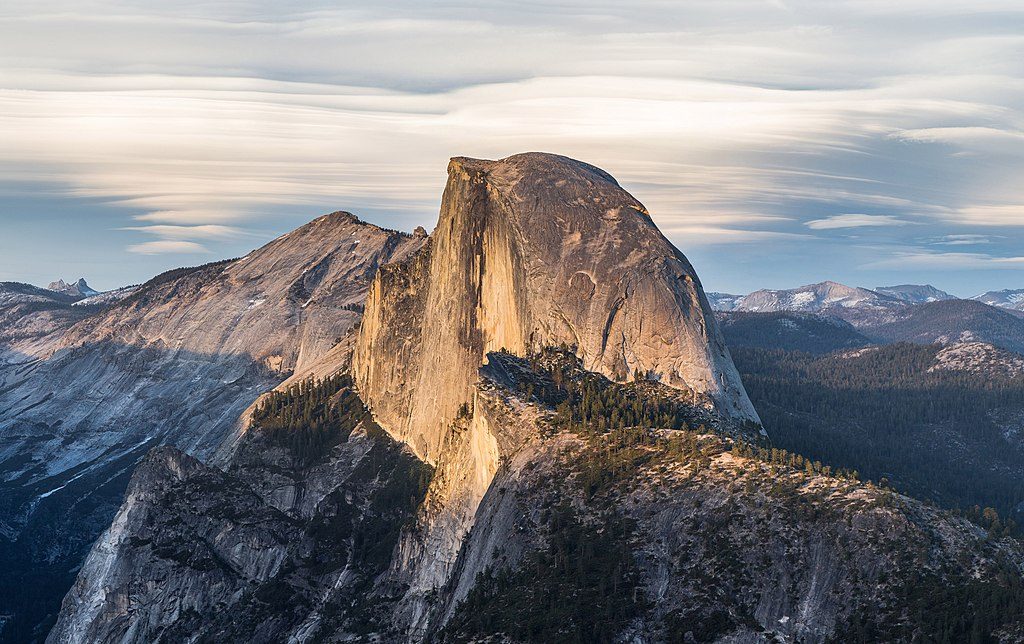
Clark Point is a mid-mountain perch and junction on the Mist/John Muir Trail corridor with big-payoff views: Nevada Fall roaring beneath Liberty Cap, plus peeks at Vernal Fall and the backside of Half Dome. It’s a natural breather spot—flat enough to drop your pack, soak in the granite, and decide your next move.
Most hikers make a loop from Happy Isles: climb the Mist Trail to the Vernal Fall area, continue toward Clark Point, then descend the John Muir Trail. Expect roughly 4.5 miles, about 1,600 feet of gain, and around three hours for many parties (more if you linger for photos or lunch). The Mist Trail’s stone steps are steep and can be wet near peak flows; the JMT descent is longer but gentler with switchbacks and fewer bottlenecks.
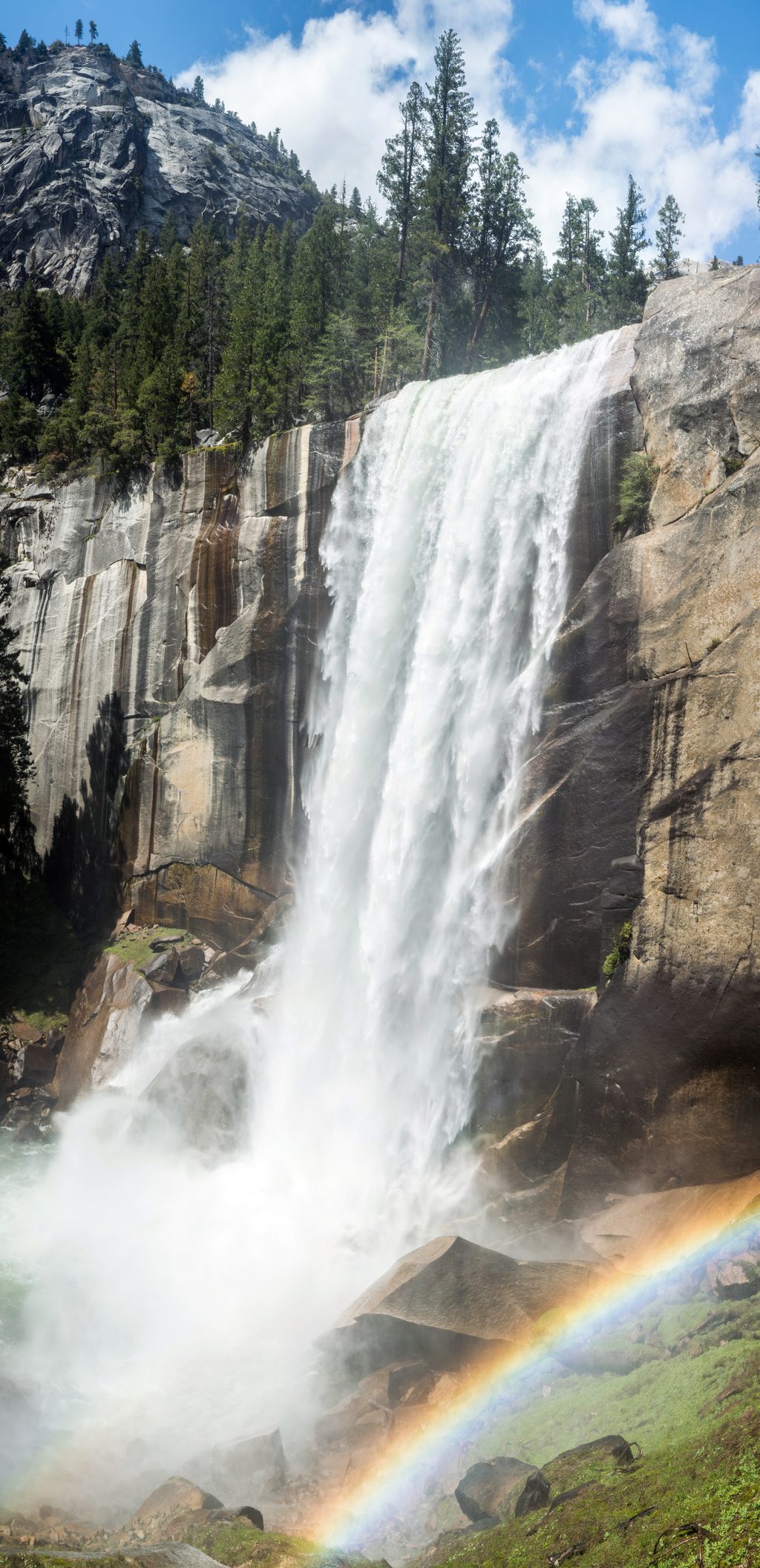
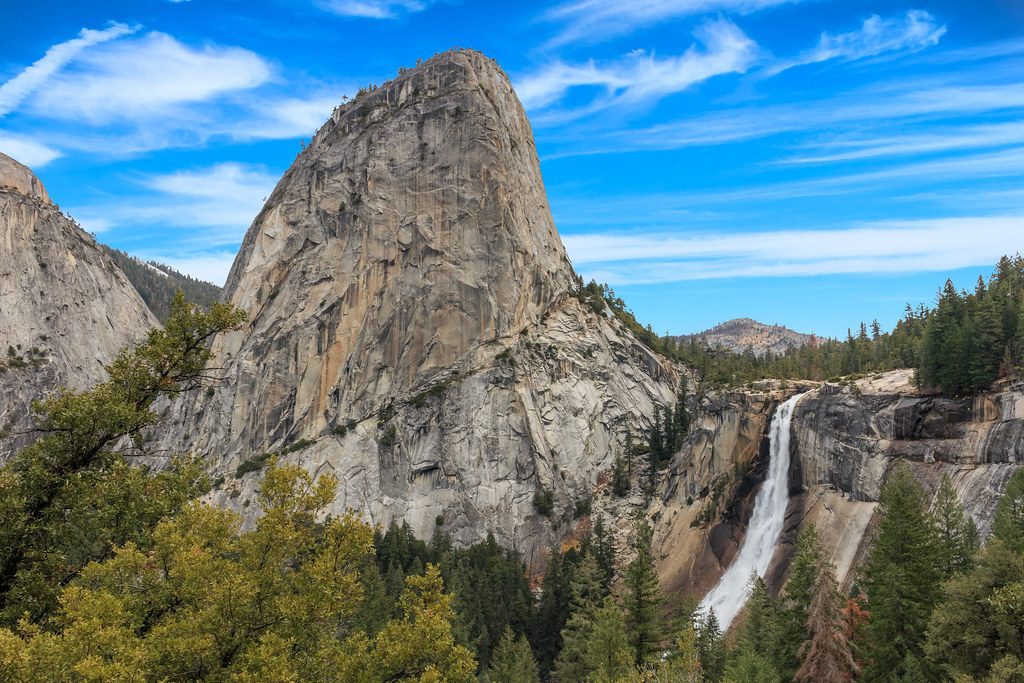
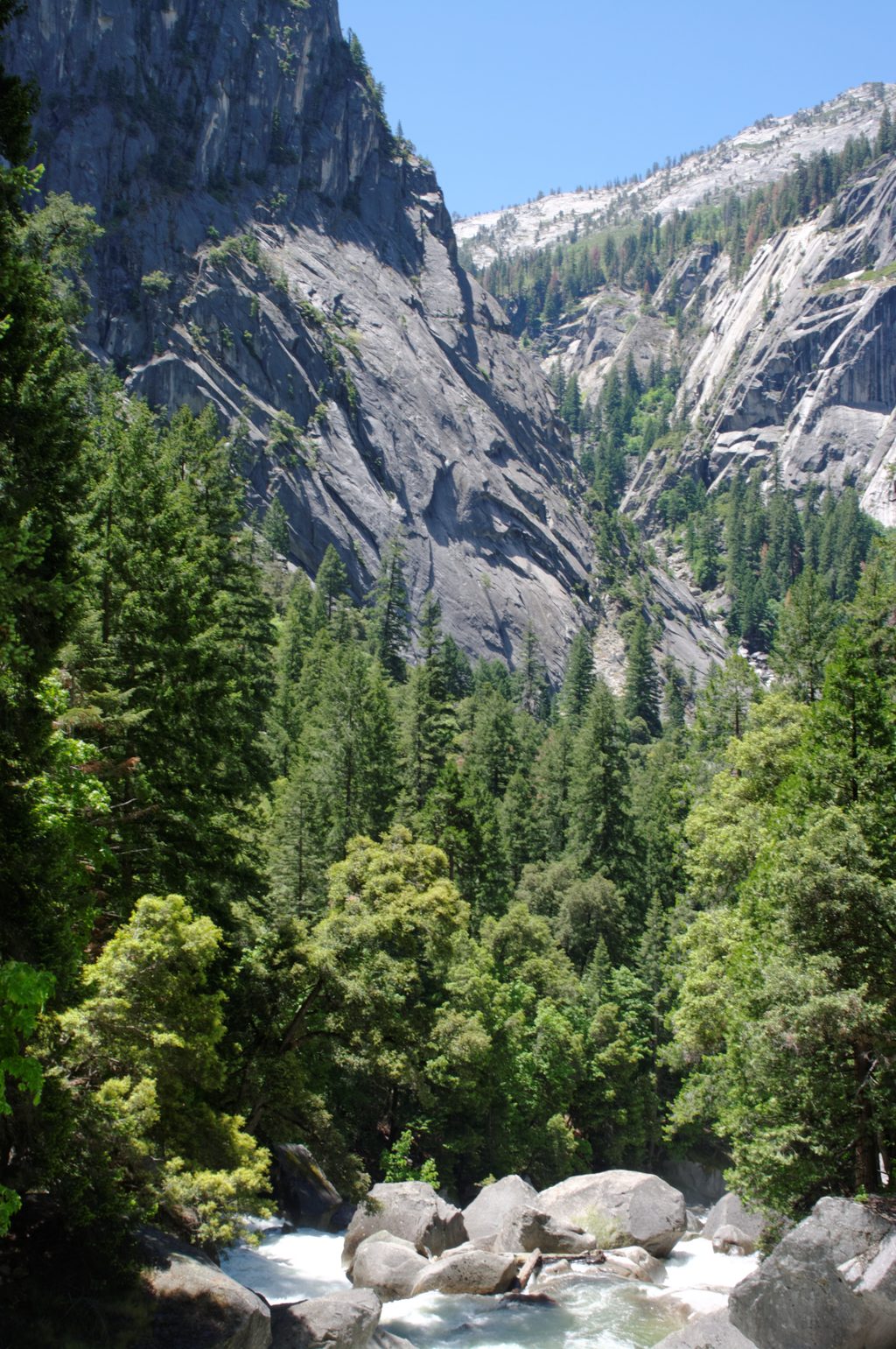
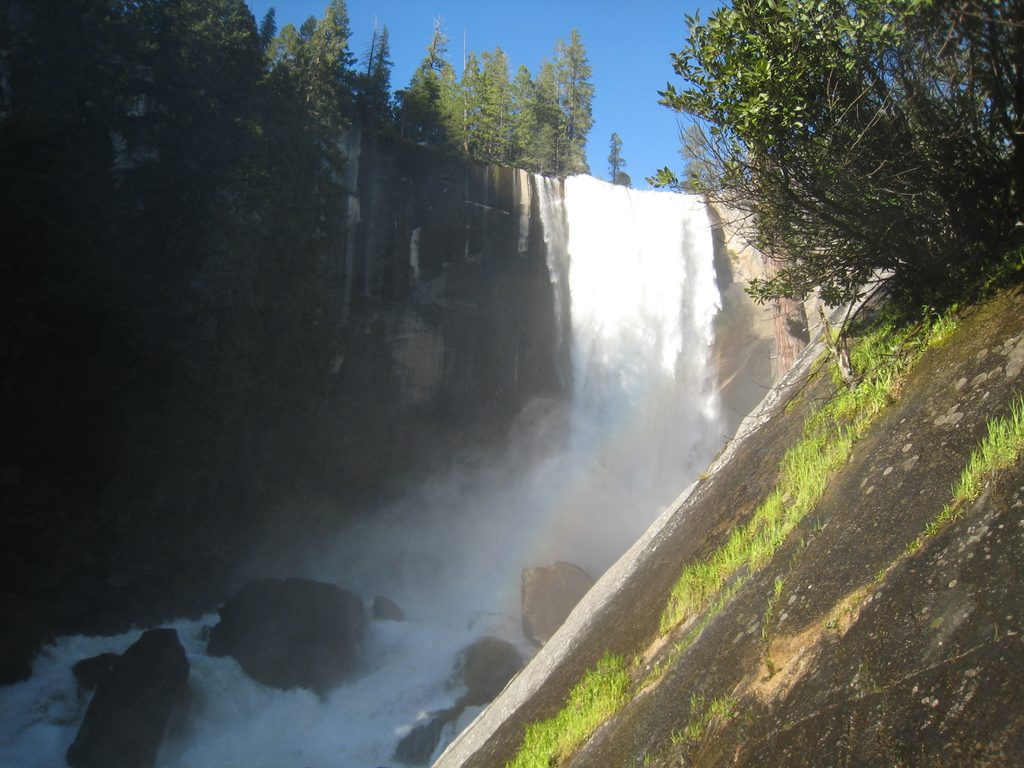
From Clark Point you get a front-row panorama of Nevada Fall dropping over polished granite with Liberty Cap looming beside it. A very short spur (about 50 feet) leads to a stunning, more direct look toward Vernal Fall. The setting is classic Yosemite: glacially sculpted granite steps and domes, with waterfalls pouring over hard, resistant rock.
Late spring brings the most thunderous waterfalls; summer is hot and busy; fall is calmer with softer flows and fewer crowds. In winter, ice can make the upper John Muir Trail segment between Clark Point and the top of Nevada Fall hazardous or closed—always check the latest conditions before heading up. For light, cool temps, and fewer people, aim for an early-morning start on weekdays.
There are no facilities at Clark Point itself. Plan your stops: restrooms and seasonal drinking water are available at the Vernal Fall Footbridge below (typically in the main season), with additional vault toilets beyond the top of Vernal Fall and at Nevada Fall. There’s no parking at the trailhead; park in Yosemite Valley (Curry Village or the signed trailhead lot) and take the free shuttle to Happy Isles.
It’s a stout hike with sustained elevation, rocky steps, and exposure to waterfall spray on the Mist Trail in high water. Start early, pack plenty of water and snacks, and use trekking poles if your knees appreciate them. The JMT side tends to feel quieter—great for a more relaxed descent and the occasional chance to spot birds or deer.
You’re looking at the Sierra Nevada’s granitic backbone—rock that crystallized deep underground, then was uplifted and carved by glaciers into today’s cliffs, domes, and stair-stepped valleys. Nevada and Vernal Falls tumble over these resilient granite steps, which is why the drops look so clean and dramatic.
Place · 0.2 mi away
Place · 0.2 mi away
Place · 0.6 mi away
Place · 0.7 mi away
Easy · 0.9 mi away
Challenging · 0.9 mi away
Challenging · 0.9 mi away
Challenging · 0.9 mi away

Parkwolf Tour Guide
