Silver Strand Falls

A slender, spring-only cascade hiding beside Tunnel View
Silver Strand Falls, Yosemite National Park
InsideYosemite National Park

Overview

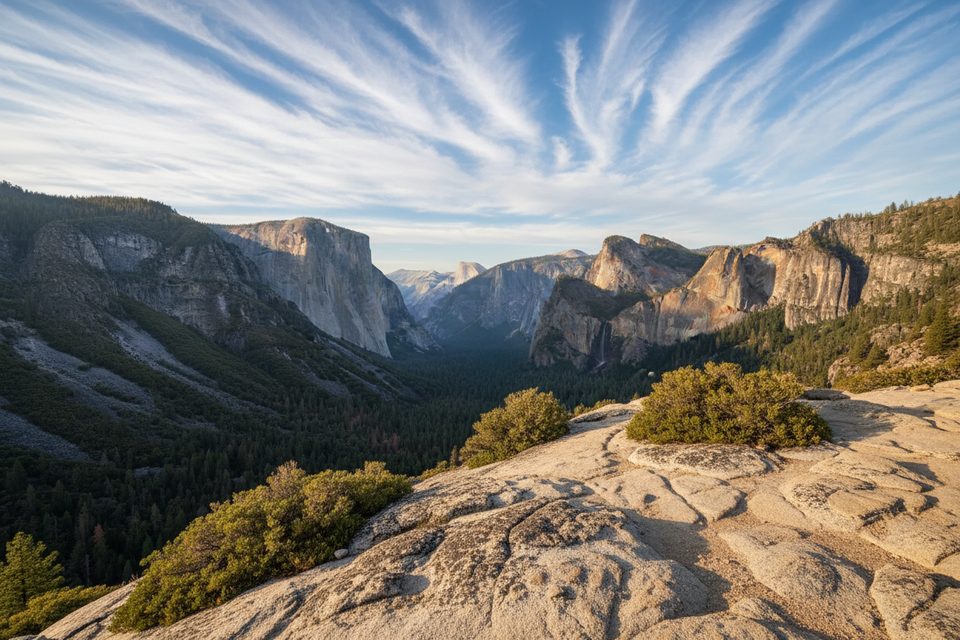
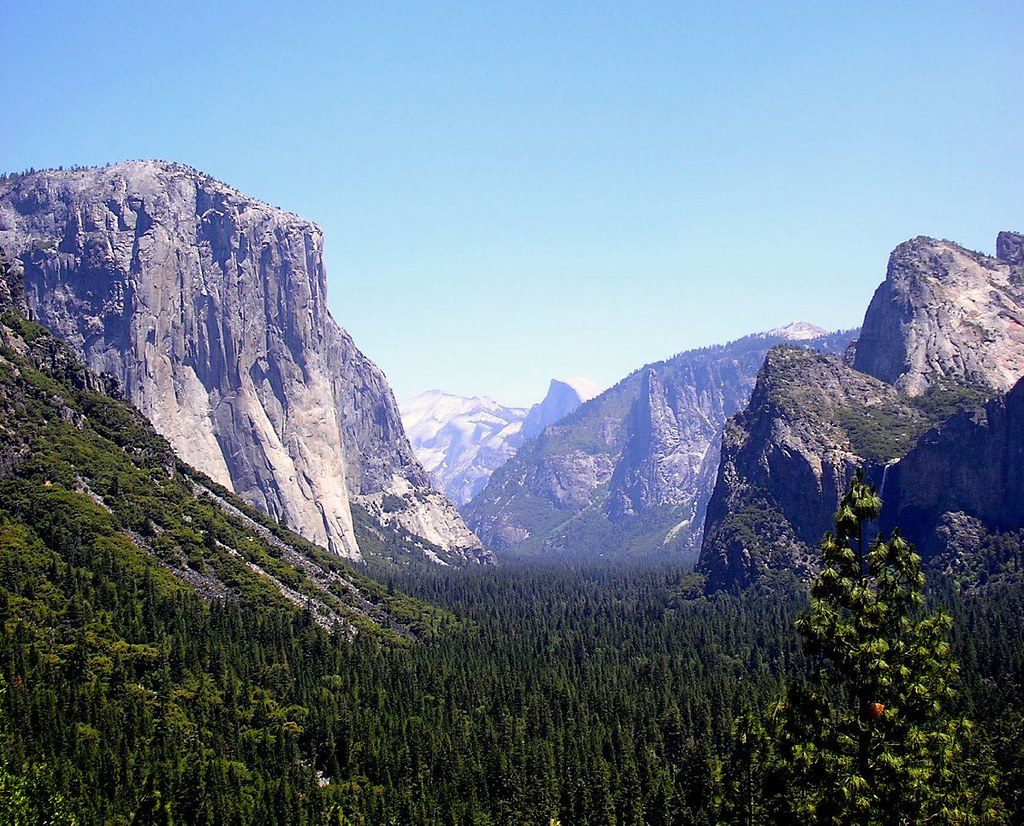
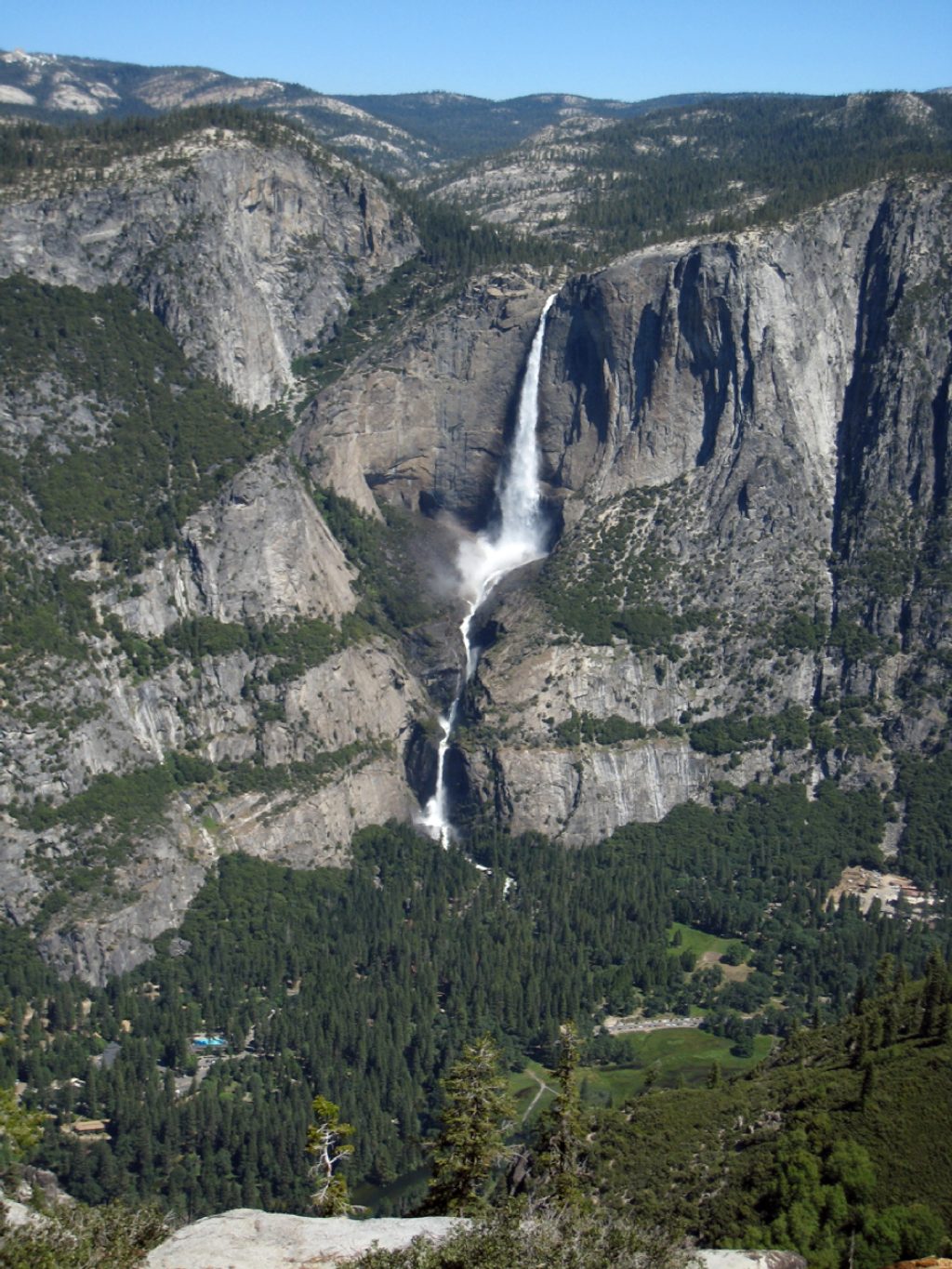
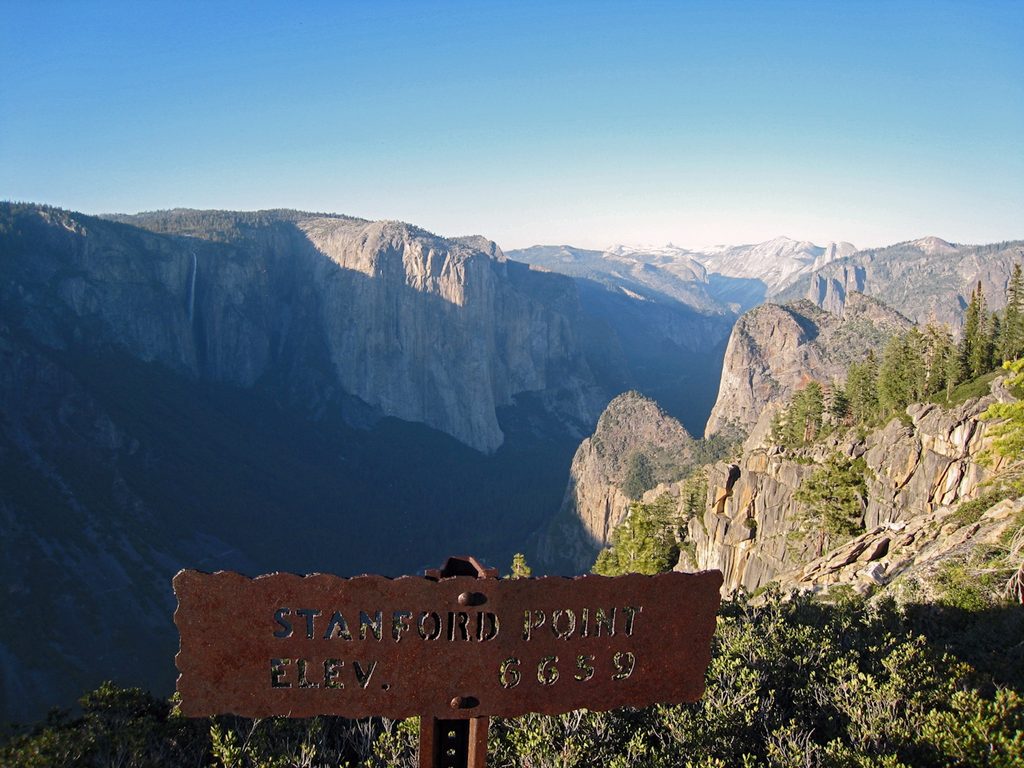
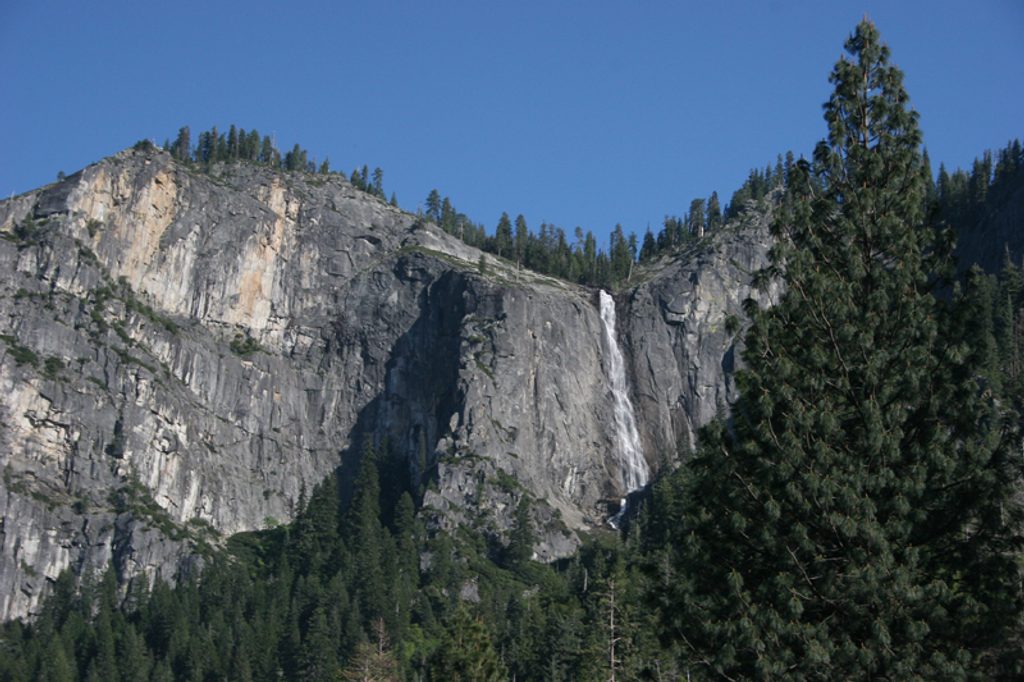
Silver Strand Falls is a slender, seasonal waterfall dropping about 574 feet on the south wall near the west end of the valley. It’s one of those Yosemite gems you can easily overlook—stand at Tunnel View, then look up and to the right. In spring, it’s a delicate ribbon against the granite.

What Makes It Unique

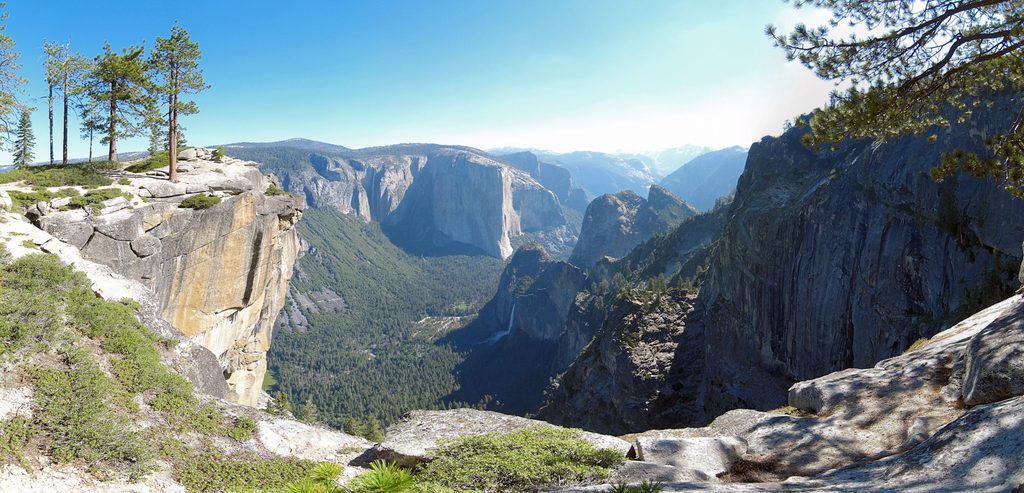
This is a classic hanging waterfall: glaciers carved the main valley deeper than its side valleys, leaving streams to plunge over the rim. That geology gives Silver Strand its elegant, straight‑down drop and its ephemeral personality.

How to See It

  • Best viewed from Tunnel View or roadside pullouts along Wawona Road near the Wawona Tunnel. There’s no signed trail to the base and no need to scramble—enjoy it from designated viewpoints.
  • Bring binoculars or a zoom lens; the fall is slender and typically viewed from a distance.

Seasonality & Flow

Silver Strand is a spring show. It usually runs during snowmelt and often peters out by late June or early July in many years. After rainstorms—even outside peak spring—it can briefly roar back to life, so it’s worth a quick look if you’re driving by after weather.

Best Time to Visit

  • Time of year: Late spring is prime.
  • Time of day: Morning or late afternoon light is kinder on the granite and reduces glare; mid‑day can feel washed out.
  • Crowds: Tunnel View can be busy—aim for early morning or later in the day. If the lot is full, circle back rather than stopping near the tunnel.

Photography Tips

  • A telephoto lens helps isolate the falls and patterns on the wet rock.
  • A polarizing filter cuts glare on sunlit granite. After storms, check it quickly—the spike in flow doesn’t last.

Safety & Practicalities

  • There are no dedicated amenities here—no restrooms, water, or picnic tables—and no official trail to the base.
  • View from established pullouts and parking areas only. Don’t block traffic, and avoid lingering directly beneath cliffs—rockfall is part of Yosemite’s natural process.

If It’s Dry

No luck at Silver Strand? Bridalveil Fall nearby typically has at least some flow year‑round, and in peak spring, Ribbon Fall and The Cascades near the valley’s west entrance can be terrific backups.

Wildlife

Roadside viewpoints here often host mule deer, ravens, and the occasional coyote or soaring raptor riding the updrafts. Give all wildlife space and pack out any trash.

Pros

  • Easy roadside viewing from Tunnel View and nearby pullouts
  • Underrated, photogenic spring flow that many visitors miss

Cons

  • Highly seasonal; often dry by late June or July
  • No official trail or amenities; distant views only and parking can fill

Tips

  • From Tunnel View, look up and right to spot the falls.
  • Bring binoculars or a zoom lens for the best views.
  • Aim for spring snowmelt; by late June it’s often dry.
  • If Tunnel View is full, return later—don’t stop by the tunnel.
  • Use restrooms at larger nearby stops; none are at the falls.
The Parkwolf tour guide sitting on a phone mounted in a car

Parkwolf Tour Guide

Like a tour guide in your car.

Save the places you found around Yosemite, then let Parkwolf guide the drive between them.Download Parkwolf on the App Store