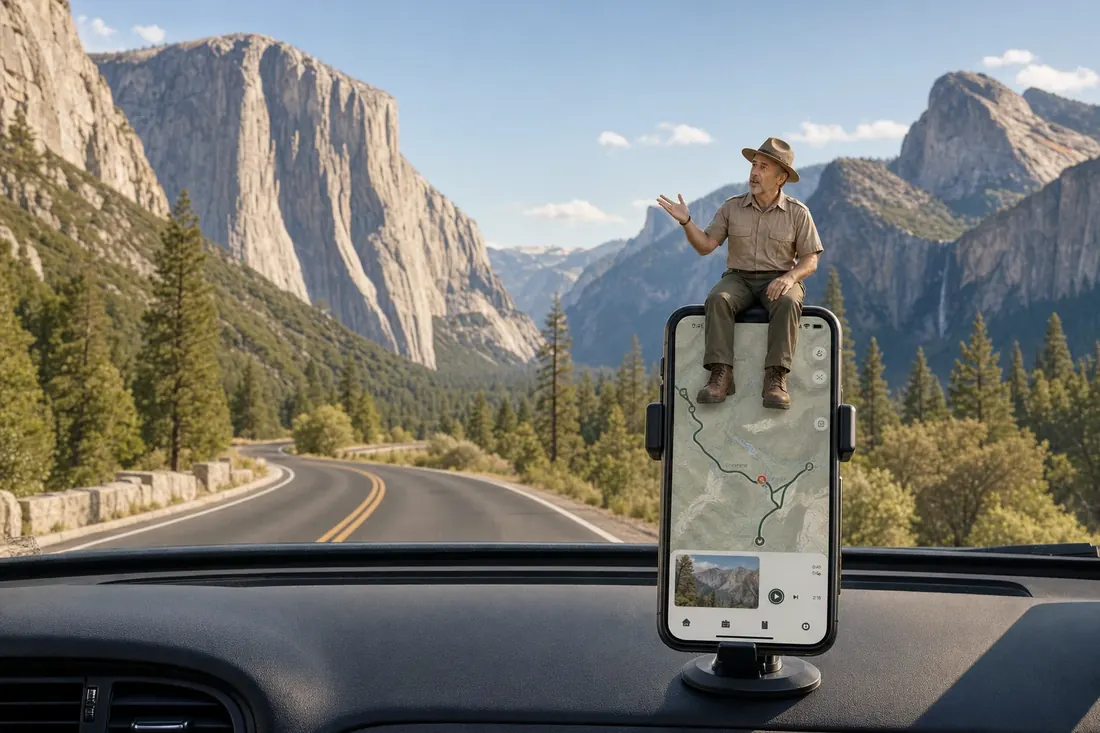
Place · 0.5 mi away

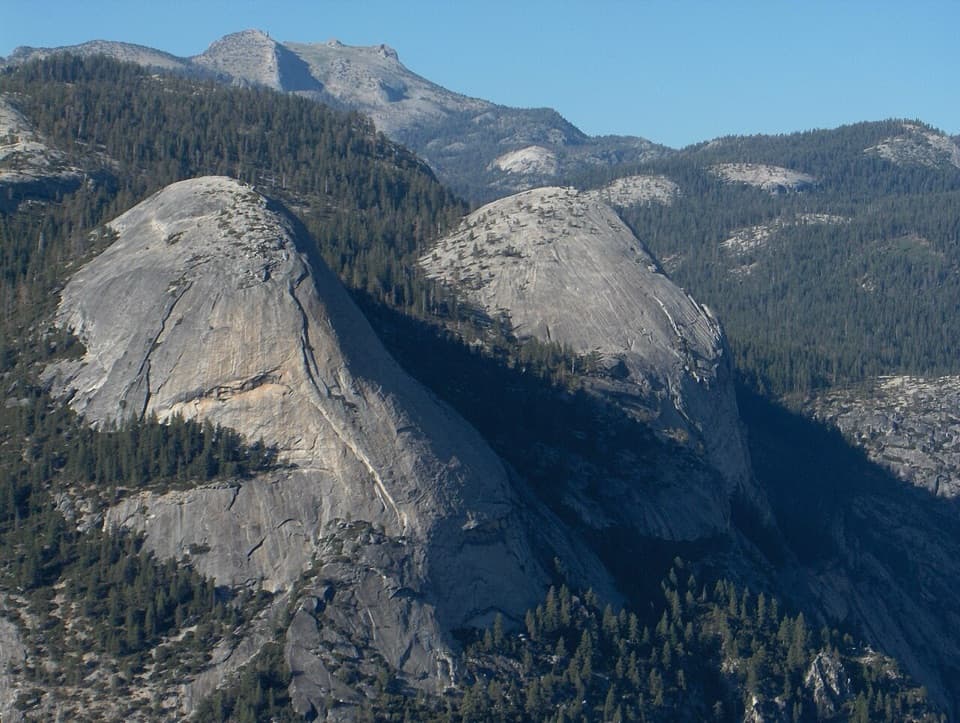
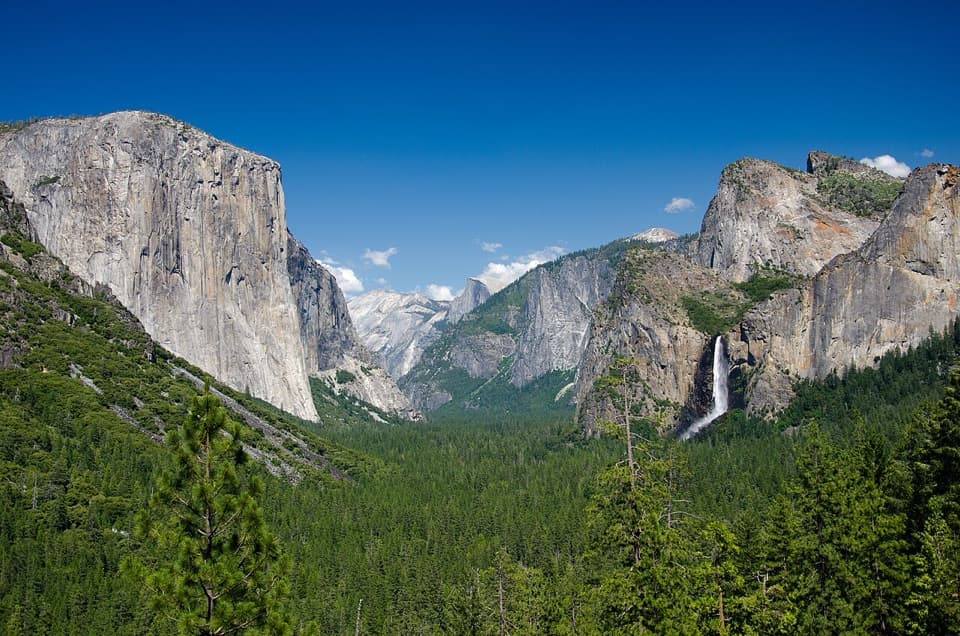
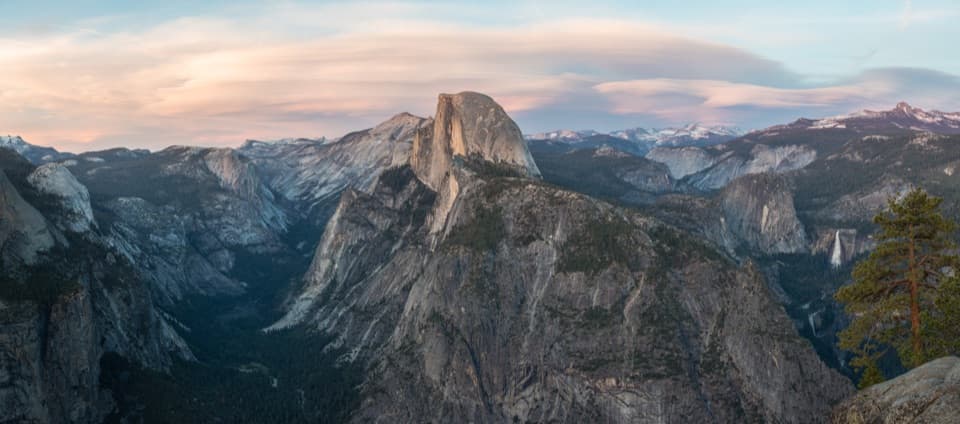
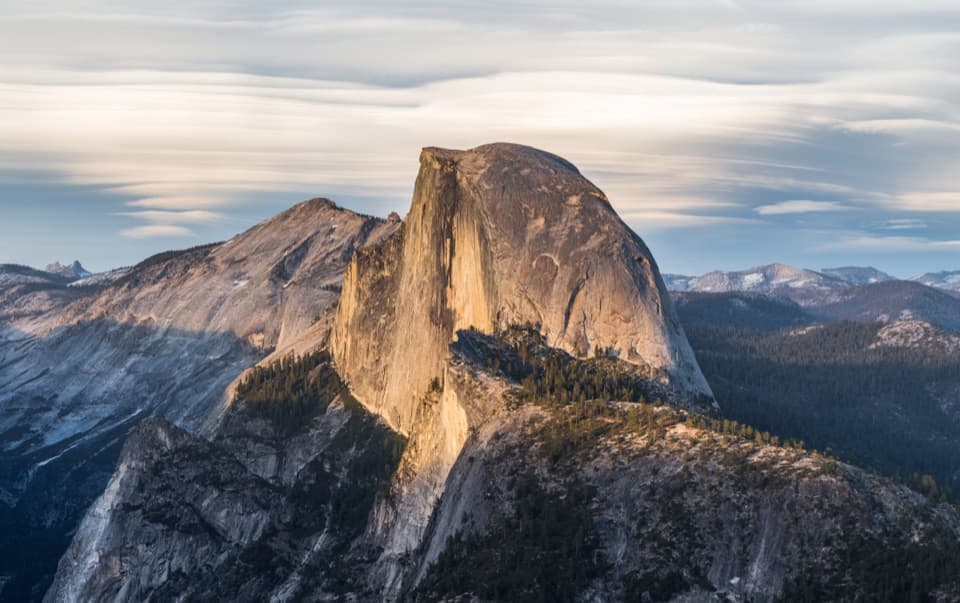
Half Dome is the park’s headline sufferfest—in the best way. Expect a full-day push (often 10–12 hours) covering 14–16 miles and roughly 4,800 feet of gain from the Valley. The finale is famous: a 400‑foot climb up two steel hand cables to the broad summit. When the rock is dry and you move deliberately, it’s thrilling and doable; when it’s wet or stormy, it becomes dangerous. Plan like a mountaineer and you’ll love it.
When the cables are up (typically from around late May to early October, dates vary by conditions), a permit is required seven days a week to pass the subdome checkpoint. The daily quota beyond the base of the subdome is 300 hikers (about 225 day hikers and 75 backpackers). Day-hike permits are issued by lottery: a preseason lottery accepts applications March 1–31, and a daily lottery opens two days before your hike (midnight–4 p.m. PT) with results that evening. If you’re backpacking (e.g., camping in Little Yosemite Valley), request Half Dome as part of your wilderness permit instead of the day‑hike lottery. Fees: a non‑refundable application fee and an additional per‑person fee if awarded; permits are checked against ID and are not transferable.
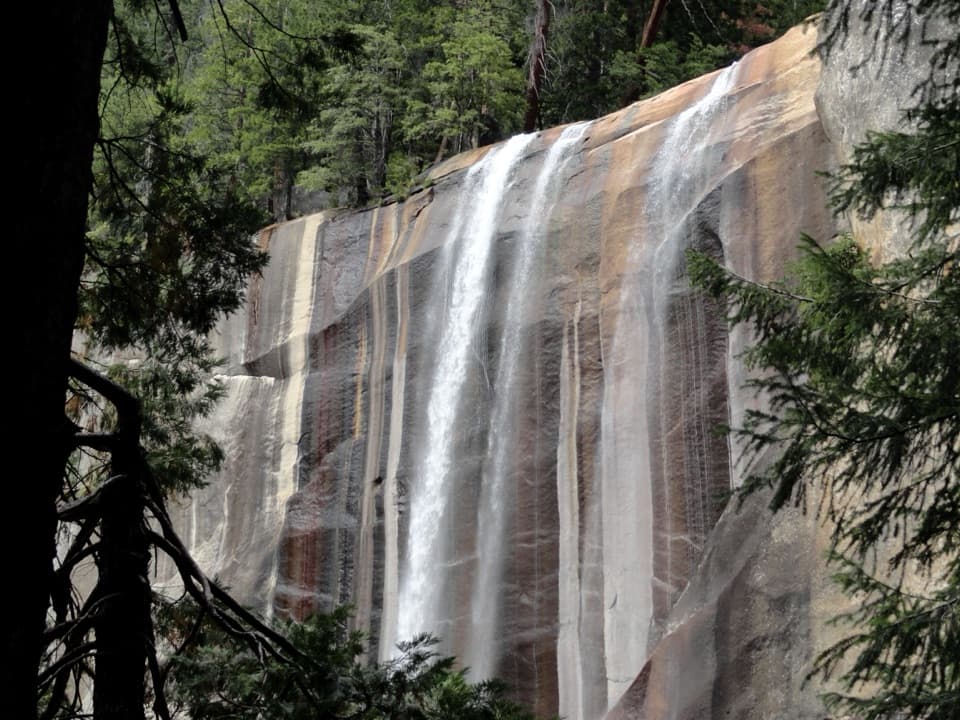
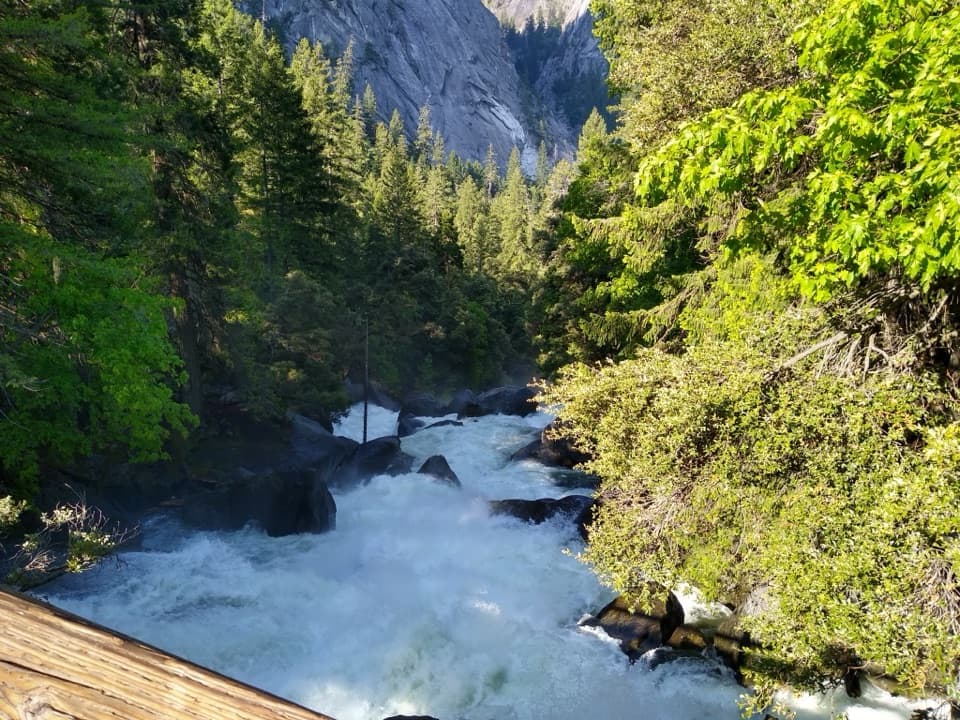
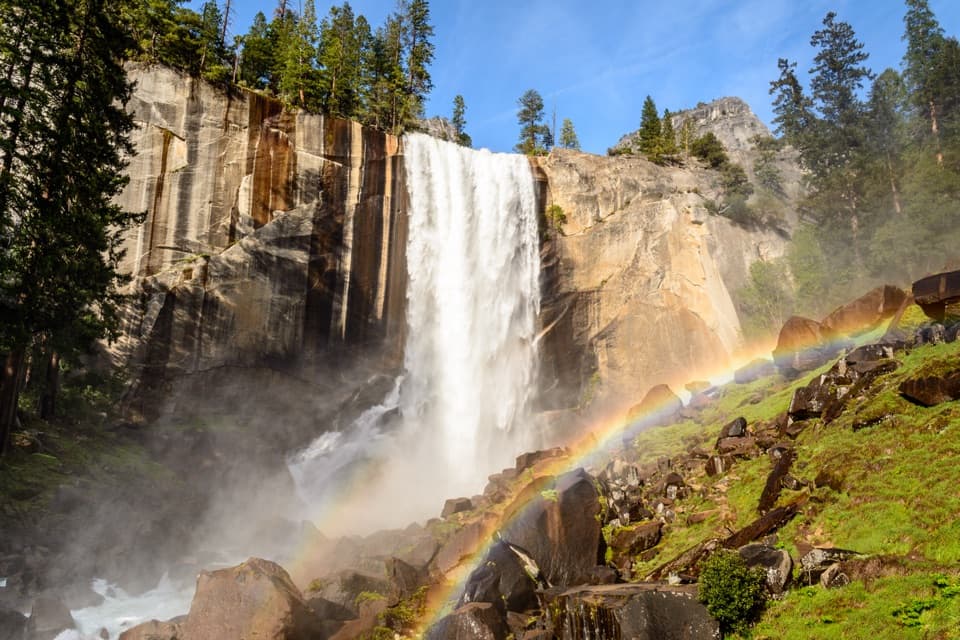
Most hikers start at Happy Isles, take the Mist Trail past Vernal and Nevada Falls to Little Yosemite Valley, then climb to Subdome and the cables. Subdome’s rock stairs are steep; from there the cables carry you to the top. Expect congestion on summer weekends, especially on the cables where uphill and downhill traffic share space. The summit is a broad granite terrace with far‑ranging views; the much‑photographed “visor” is near the rim.
Start at or before sunrise and set a hard turnaround time. Weather changes fast: the summit is windier and 15–20°F cooler than the Valley. Thunderstorms are a serious hazard—lightning on or near the summit is no joke—and nearly all fatal falls on the cables have happened when the rock was wet. Bring layers, sturdy footwear with great traction, a headlamp (plus extra batteries), enough food and water, and grippy gloves for the cables. Don’t leave trash or gloves at the base of the cables.
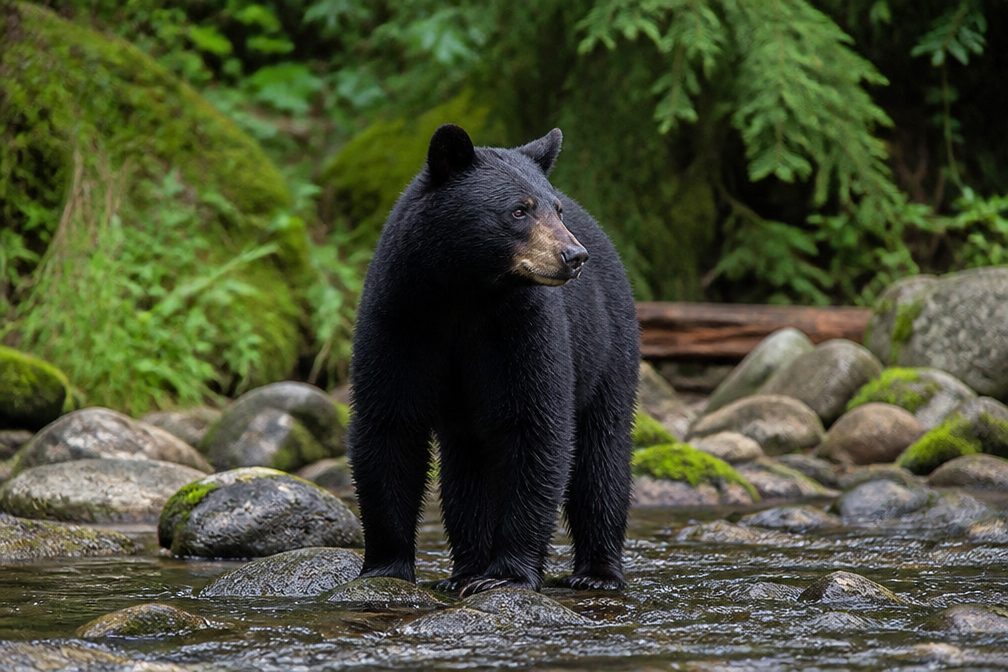
Wildlife will raid unattended packs: ravens and rodents are notorious. If you stash a pack near the cables, secure all scented items in a bear‑resistant canister; in camp, use the provided food storage per regulations.
There’s no camping between the Valley and Little Yosemite Valley (LYV). LYV is the first legal camping area and has food lockers and communal fire rings, but no potable water—treat from the river. Camping is not allowed on the summit.
If you’re fit, prepared, and snag a permit, Half Dome lives up to the hype. It’s a bucket‑list ascent with serious effort and real exposure—treat it with respect and it’s unforgettable.