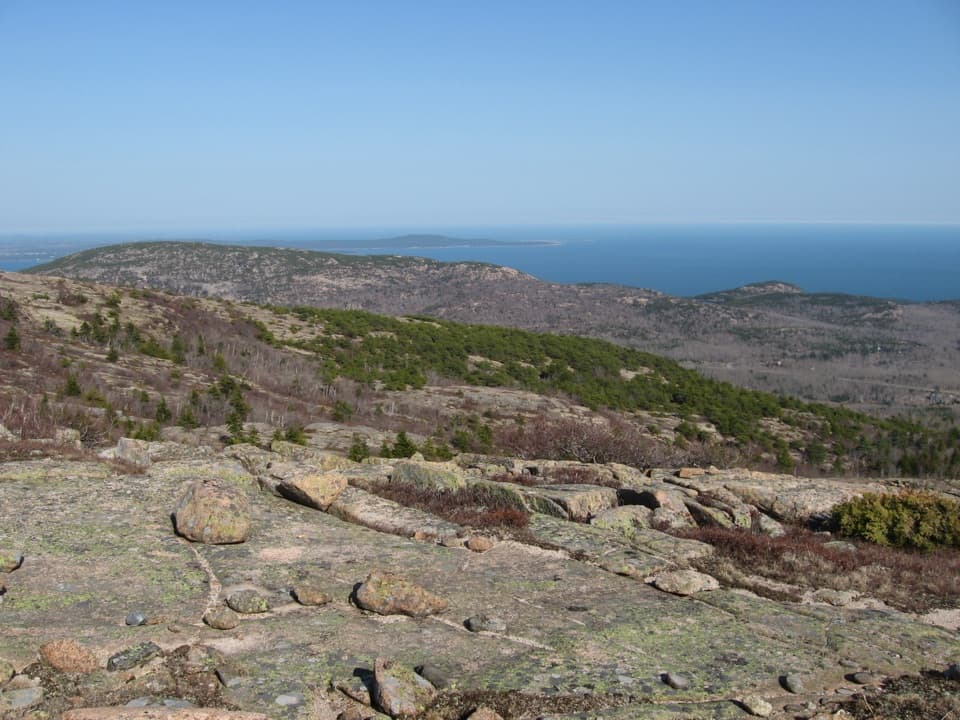
Parking
Use the Beachcroft Path parking area at the north end of The Tarn and join Kane Path at the northwest shore. The route ends at Canon Brook Trail, so plan a connecting route or retrace the same path.
Acadia National Park, ME
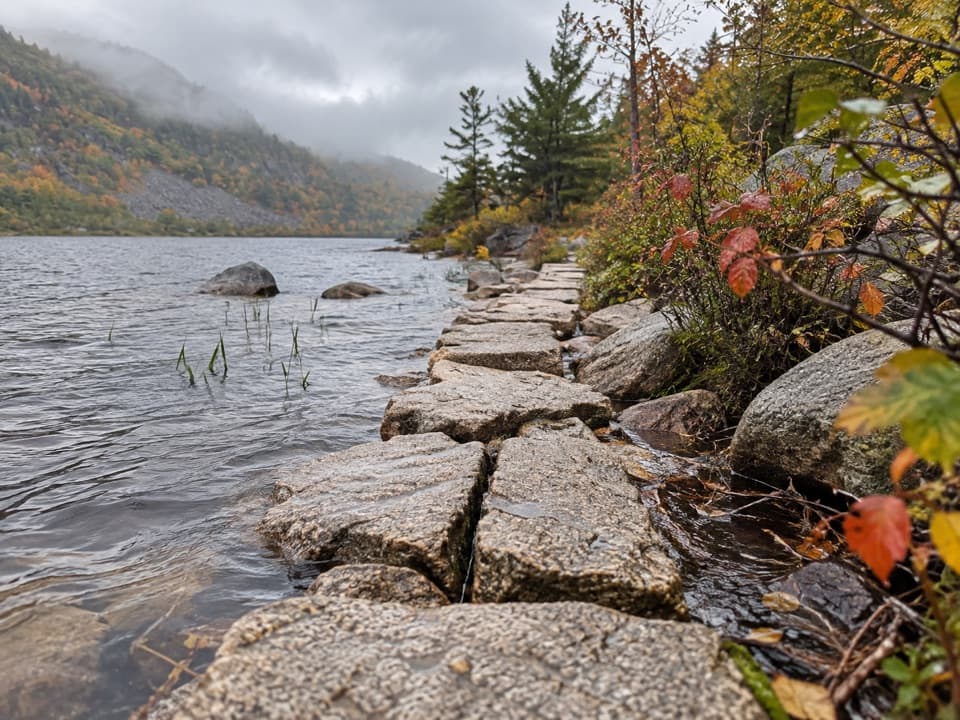
A short stone path skims the Tarn, then slips into the woods.
Overview
Map & elevation
Plan your hike

The highest, rockiest slopes around here are a summer buffet for grizzly bears.
Acadia Tour Guide
Parkwolf is a GPS audio tour guide for Acadia National Park. As you drive, it chimes in with what’s ahead: hidden gems, upcoming stops, history, geology, and wildlife, right through your car’s speakers.
See the Acadia audio tourRecorded for this trailhead
Beachcroft Path’s Memorial Stairway“You're coming up on Beachcroft Path, a granite stairway climbing toward Champlain Mountain's open summit.”
Plays as you drive up to this trailhead in the Parkwolf Acadia Tour Guide.
More stories near here in the app
“…As we drove through Acadia it gave us a tour, which was really cool. Lots of great info about the parks and how to avoid the crowds. It’s a great travel companion!”


Trail guide
Kane Path is a historic point-to-point walk from the north end of The Tarn to Canon Brook Trail. The park’s trail list gives it as 0.9 mile one way; the mapped line is about 0.82 mile. Allow around 30 minutes one way. It is short and low-grade, but the tread is uneven stone along the pond edge, not a smooth boardwalk. Retracing the same path makes an outing of about 1.8 miles.
Start at the Beachcroft Path access by the Tarn’s north end and follow the west shore south. Broad stones sit close to the water, with the pond and wooded slopes across it. Around 0.5 mile in, the path meets the Dorr Mountain Ladder Trail; Kane Path continues through a wooded valley to Canon Brook Trail, roughly another 0.3 mile. For a photo, use the stones as a line through the foreground with the water and wooded bank beyond.
Kane Path was formerly called Tarn Trail. It is one of the Sieur de Monts memorial paths built between 1913 and 1916, when George Dorr and the Bar Harbor Village Improvement Association organized the work. Path superintendent Andrew Liscomb led the trail crew. The continuous tread of native stone is still one of the path’s defining features.
This is a connector rather than a loop: continue onto another trail at Canon Brook or turn around for the same 0.9 miles back. The nearby Sieur de Monts Nature Center and Wild Gardens make separate stops near the start. Dogs may use Kane Path on a leash no longer than six feet, but cannot continue onto the Dorr Mountain Ladder Trail at the junction.
Wildlife
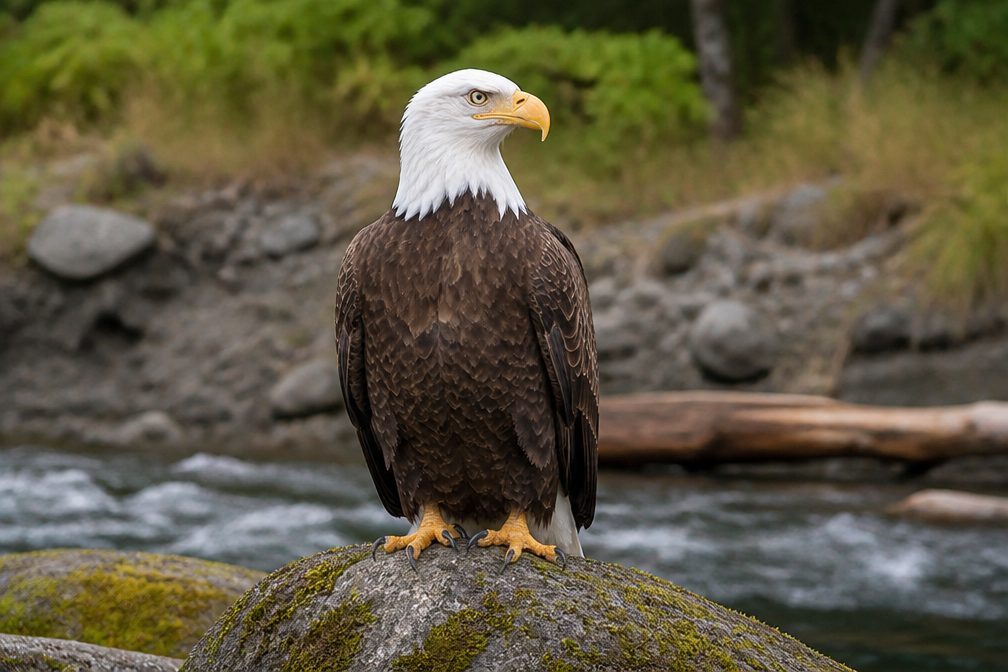 131 sightingsBald EagleMost seen around noonSighting map
 21 sightingsPeregrine FalconMost seen around 10 AMSighting map
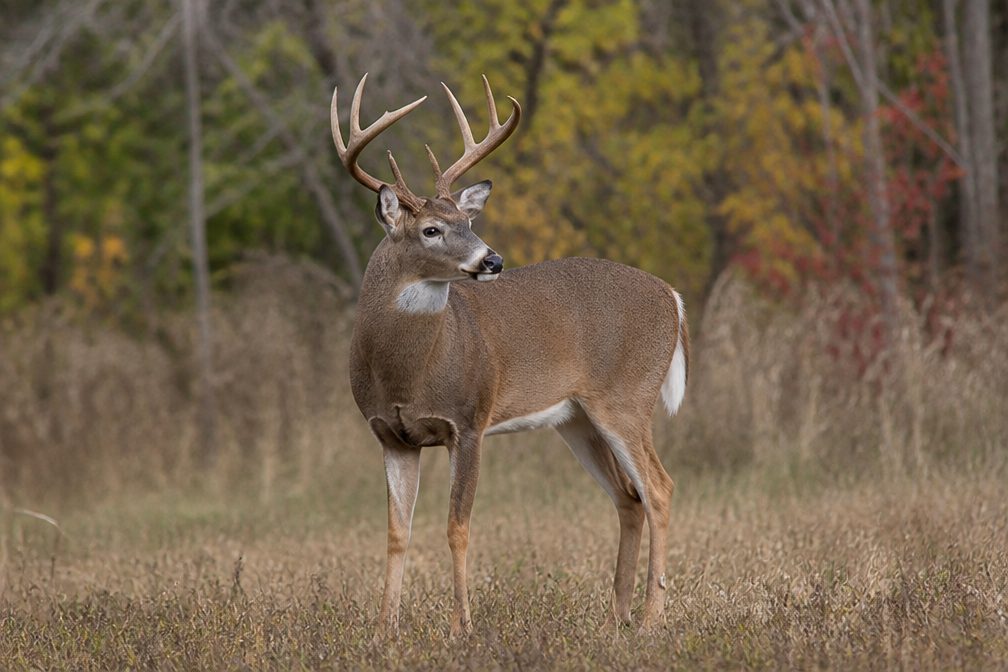 403 sightingsWhite-tailed DeerMost seen around 7 PMSighting map
 307 sightingsPorcupineMost seen around 7 PMSighting map
 205 sightingsBeaverMost seen around 7 PMSighting map
 34 sightingsMinkMost seen around 7 PMSighting map
Sighting maps show where each species has been reported across Acadia. Wildlife moves, so no sighting is guaranteed.
Keep exploring
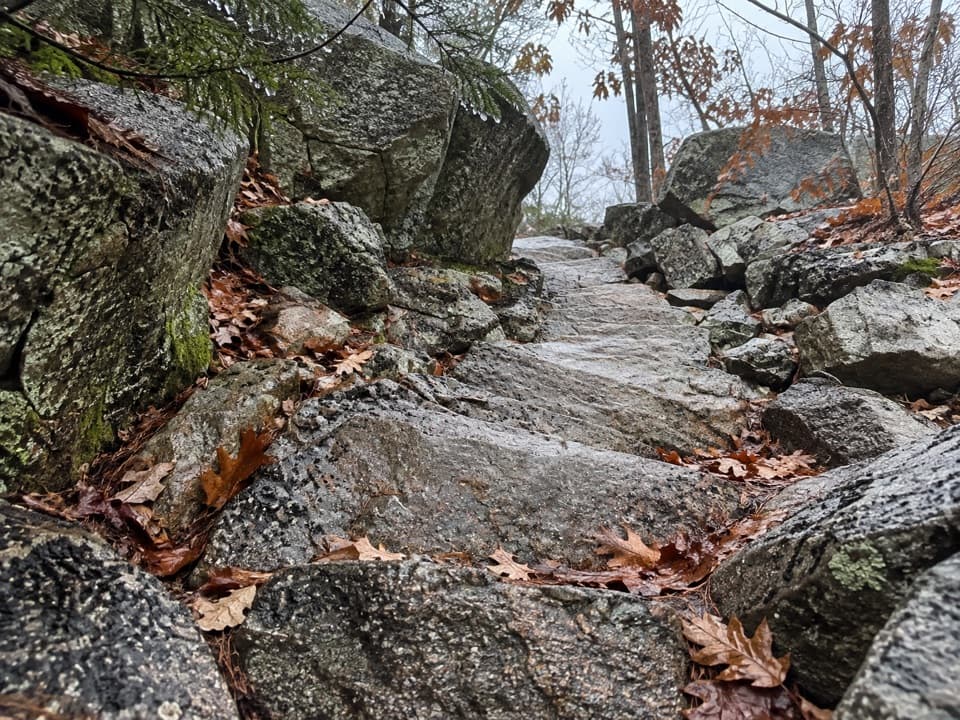 ChallengingKurt Diederichs Climb0.8 mi · 54 min · At the trailheadA steep memorial stairway with a carved name and Tarn views.
 ChallengingBeachcroft Path2 mi · 2.5 hr · 0.1 mi awayA historic stone stairway climbs to Champlain’s open granite summit.
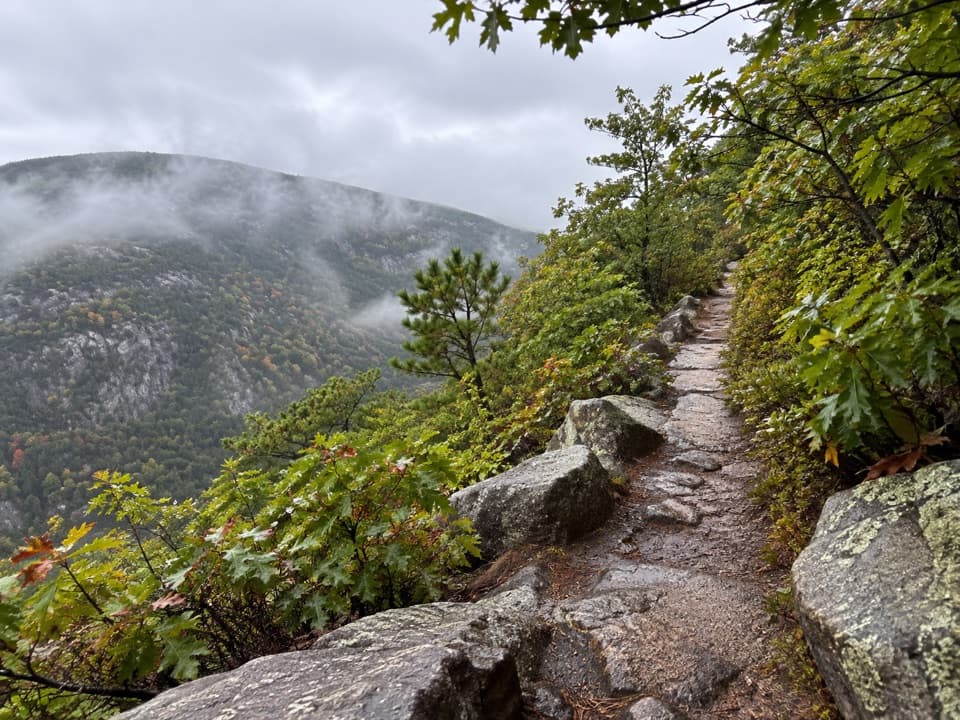 ChallengingSchiff Path1.1 mi · 1 hr · 0.3 mi awayA historic Dorr Mountain connector with a steep granite finish.
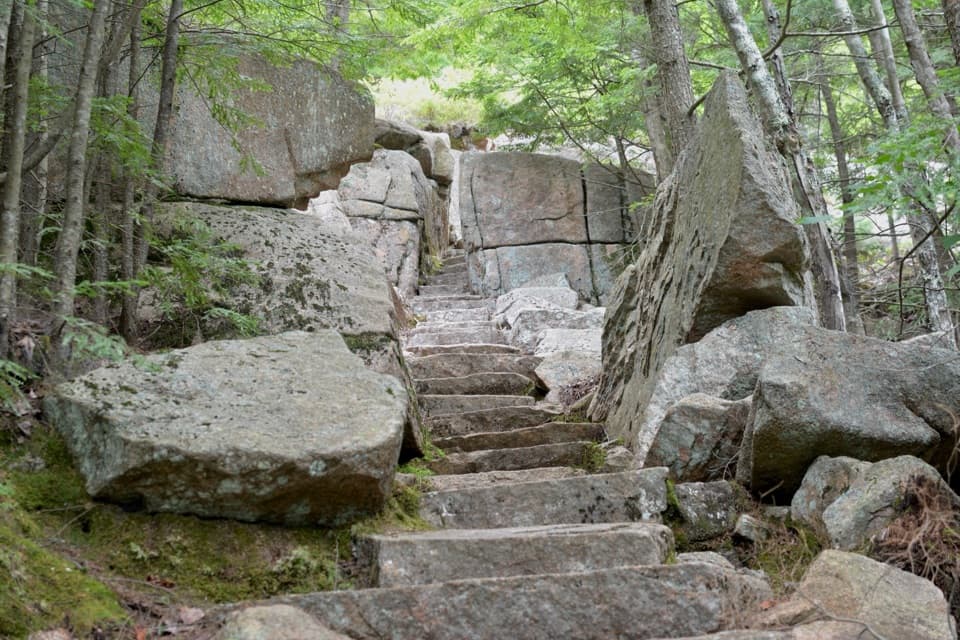 ModerateEmery Path1.2 mi · 1.3 hr · 0.3 mi awayA steep memorial staircase climbs from Sieur de Monts Spring
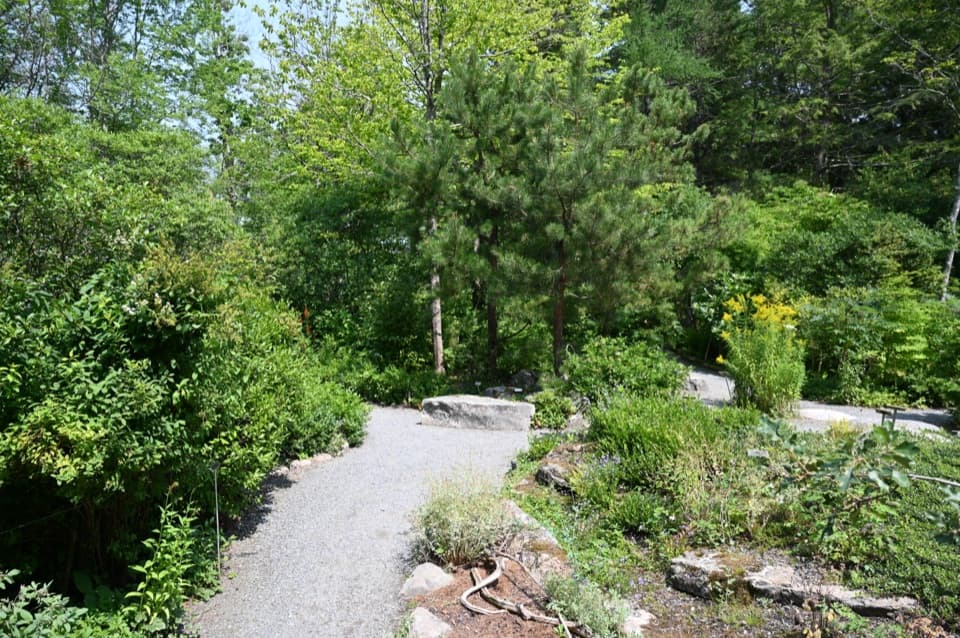 EasyWild Gardens Path0.3 mi · 15 min · 0.3 mi awayA short garden path linking Sieur de Monts trails.
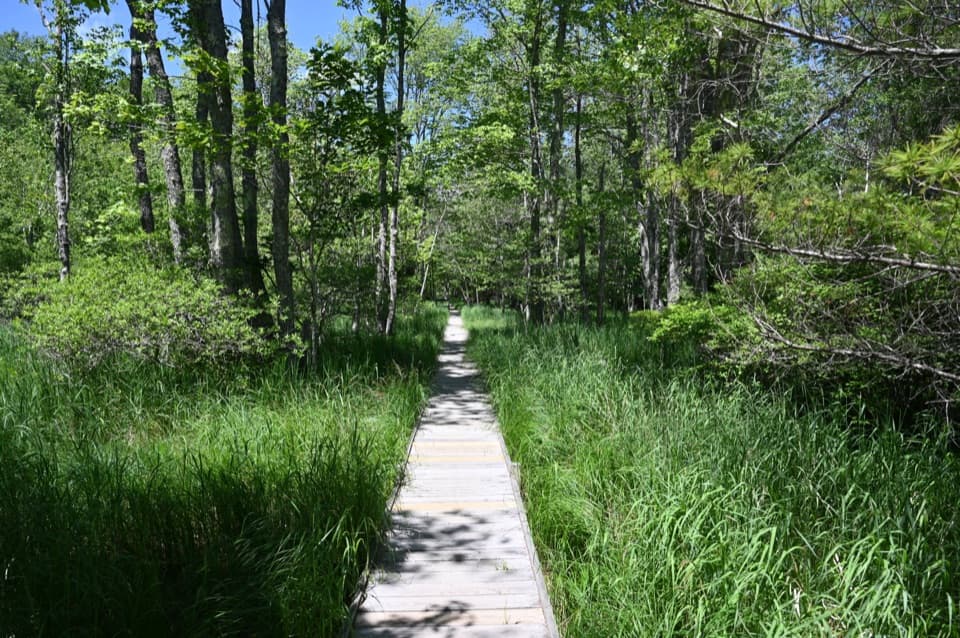 EasyJesup Path and Hemlock Path Loop1.5 mi · 45 min · 0.3 mi awayFlat boardwalks, birch wetland, Great Meadow, and hemlock forest
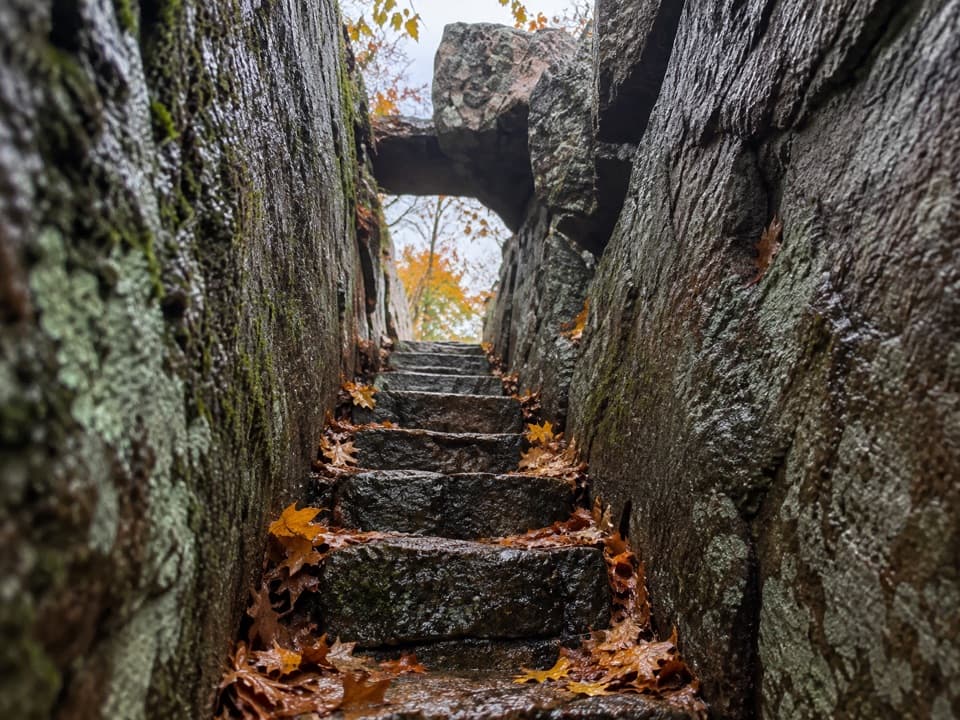 ModerateHomans Path0.6 mi · 45 min · 0.3 mi awayTwo narrow granite passages reward a short, steep climb.
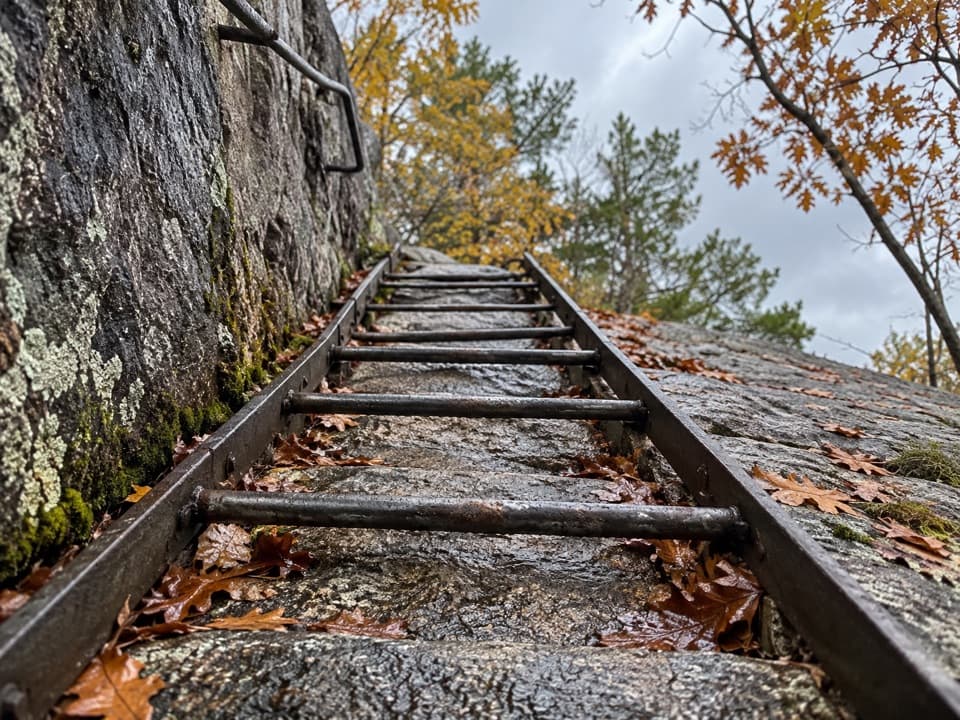 ChallengingLadder Trail0.4 mi · 45 min · 0.5 mi awayA short climb with ladders straight up Dorr's east face.
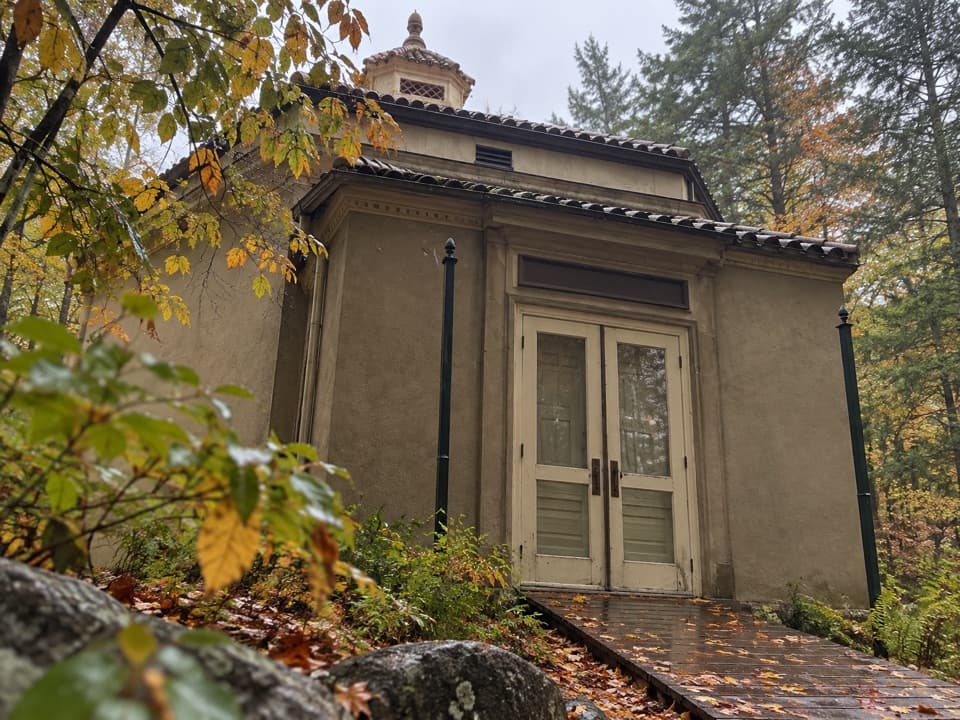 Sight · 0.2 mi awayAbbe Museum at Sieur de Monts SpringThe Abbe’s original 1928 museum, tucked into the Sieur de Monts woods.
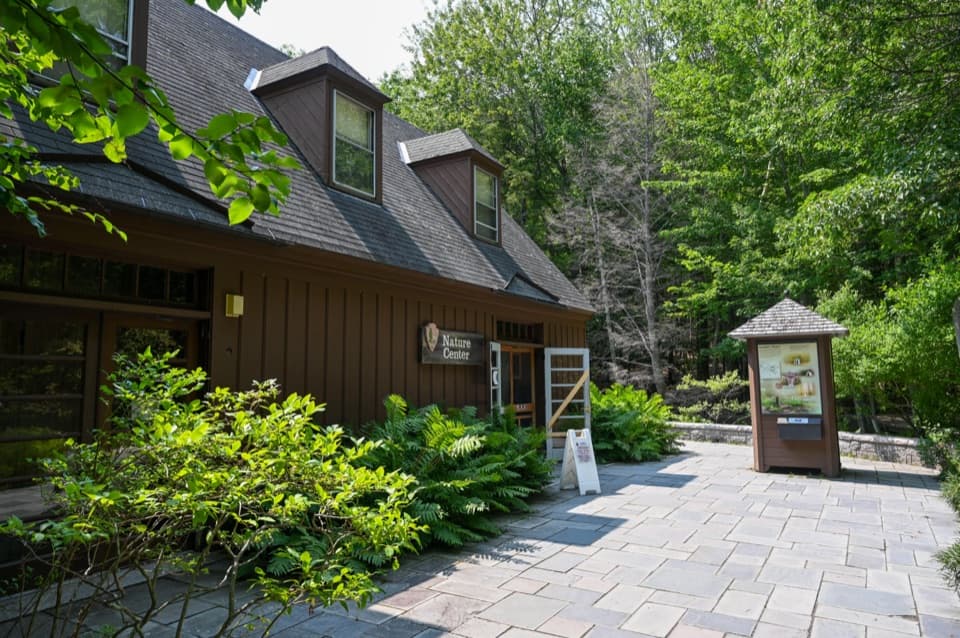 Visitor center · 0.3 mi awaySieur de Monts Nature CenterA smart first stop for Acadia’s trail choices and natural history.
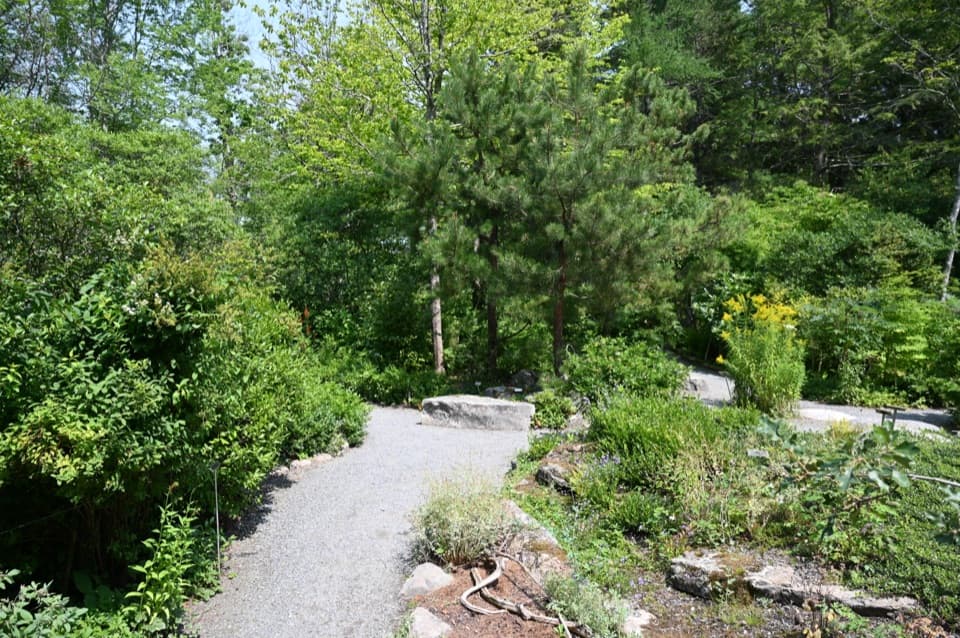 Sight · 0.3 mi awayWild Gardens of AcadiaA compact, labeled tour through native plant habitats.
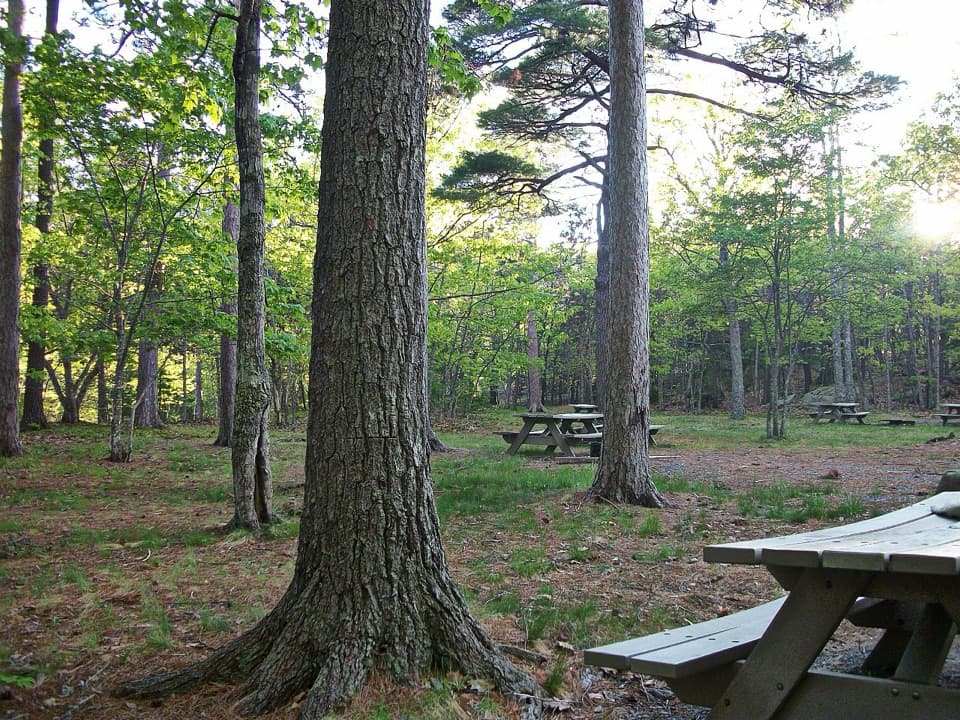 Picnic area · 0.4 mi awayBear Brook Picnic AreaA wooded lunch stop with grill-ready pits and accessible toilets.
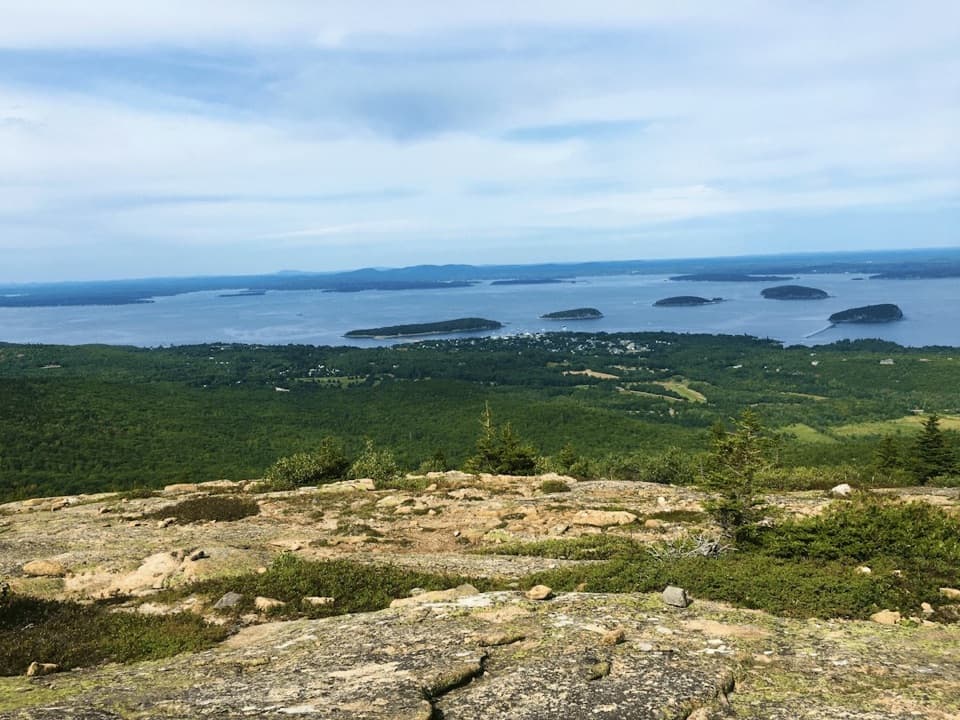 Sight · 1 mi awayCadillac MountainA short summit walk opens onto an island-and-ocean panorama.
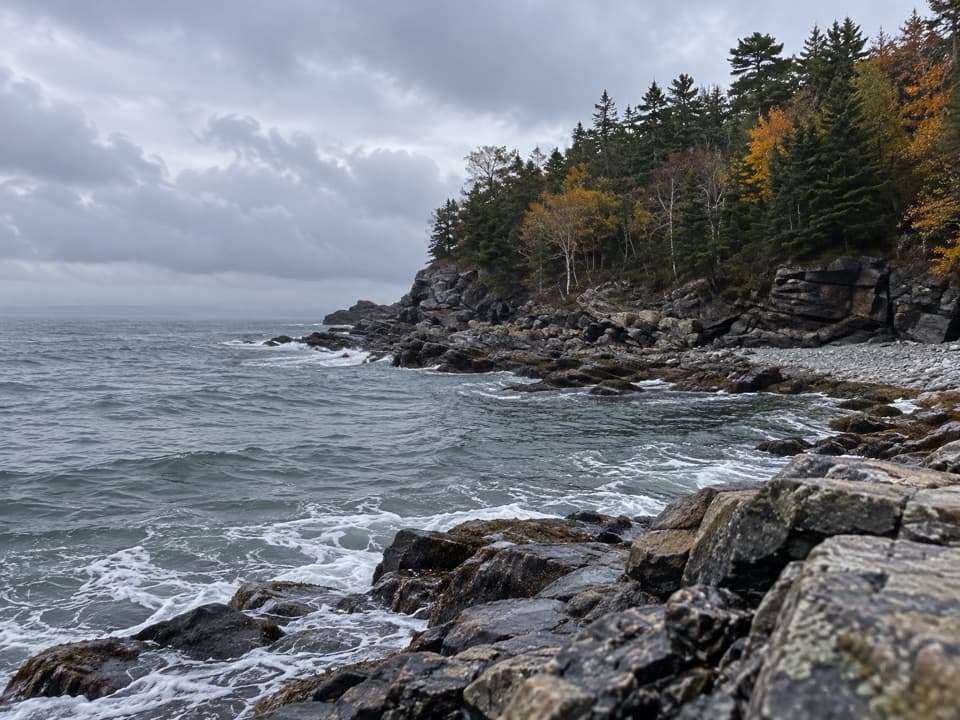 Sight · 1.3 mi awayCompass Harbor and OldfarmA short wooded walk leads from Dorr's estate ruins to rocky shoreline.
 Entrance station · 1.8 mi awayPark Loop Road Entrance StationA year-round staffed stop for passes, maps, and park basics.
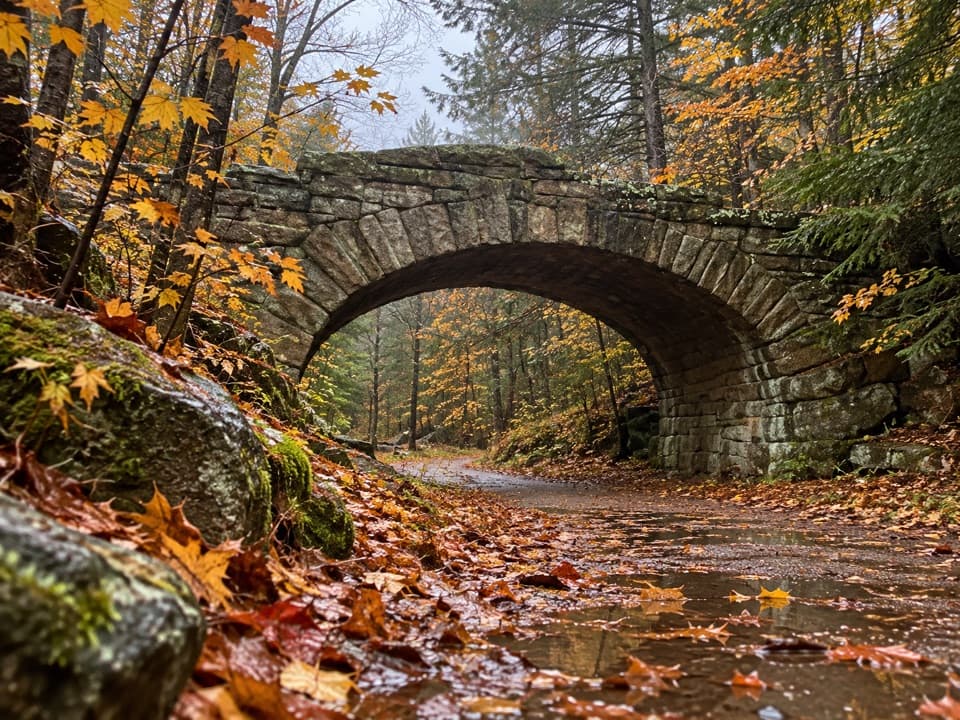 Sight · 1.8 mi awayBubble Pond BridgeA stone arch that survived two rejected designs.
Parkwolf’s Acadia ranking

The audio tour guide for the drive, plus offline maps, trails, and wildlife heatmaps for when the signal drops.