
Place · 0.8 mi away
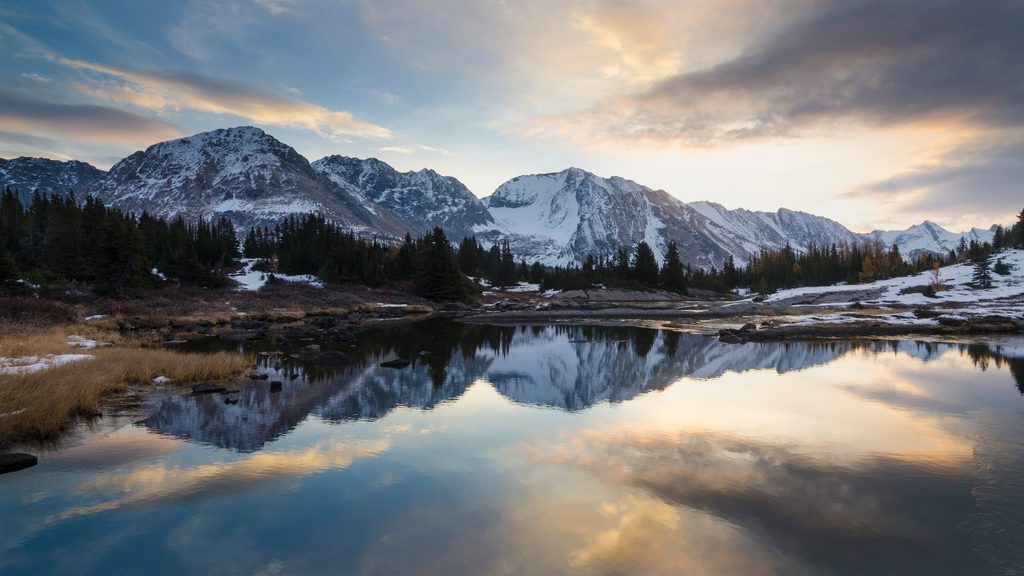
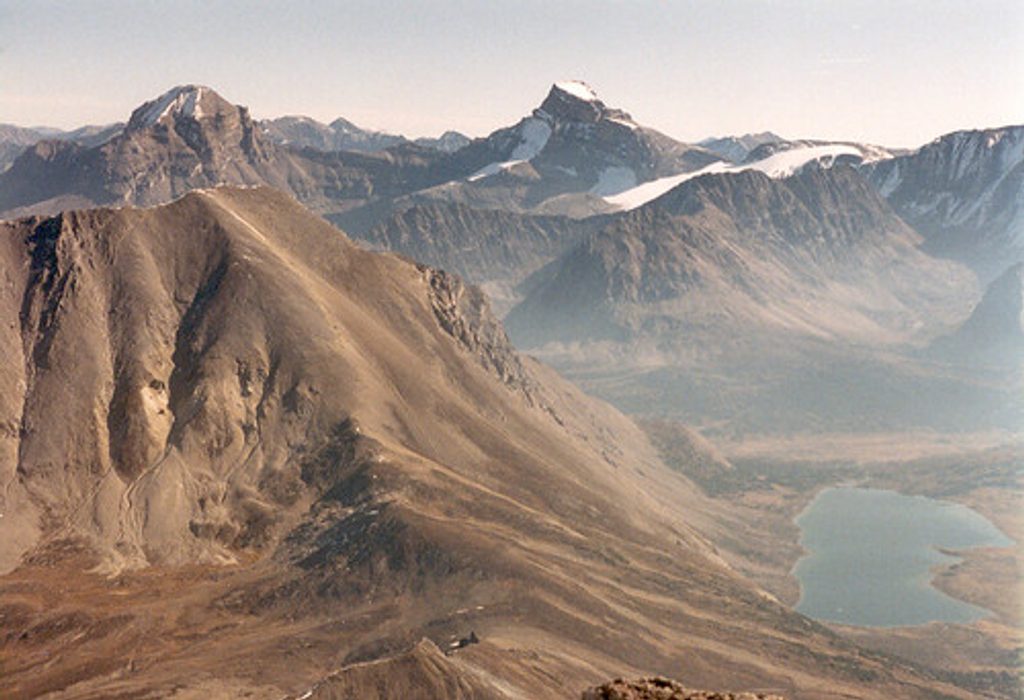
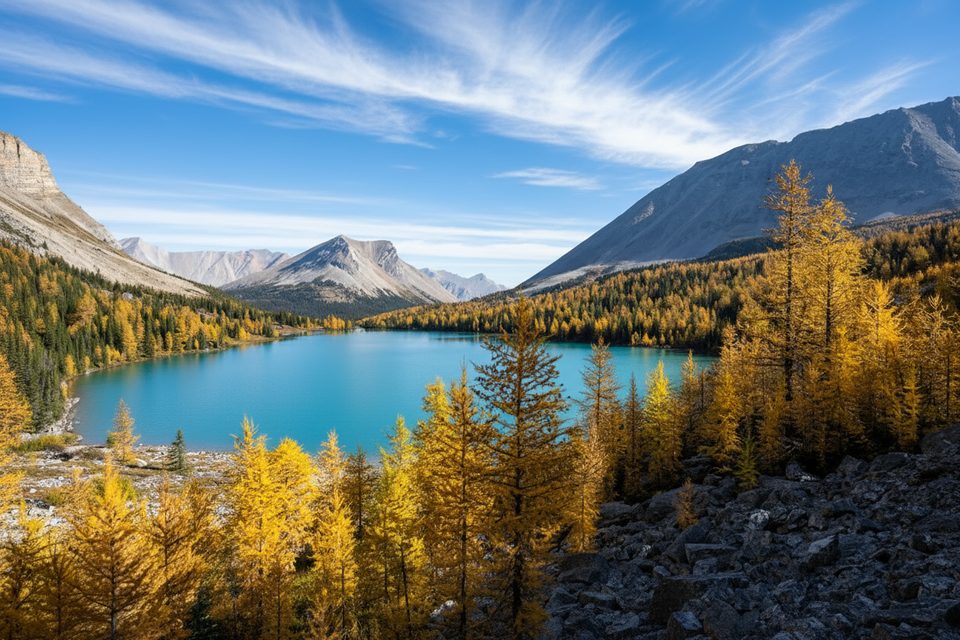
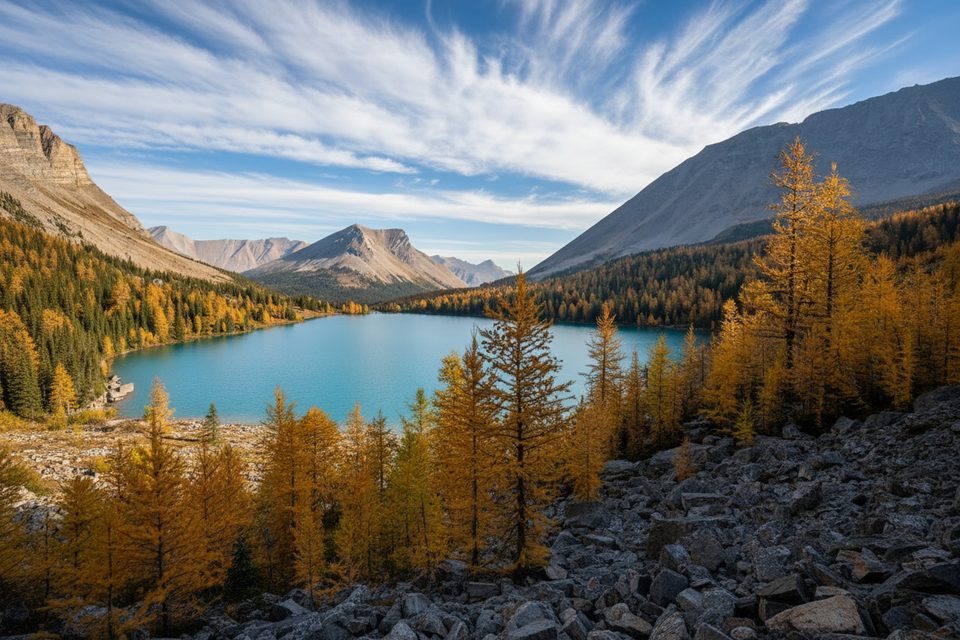
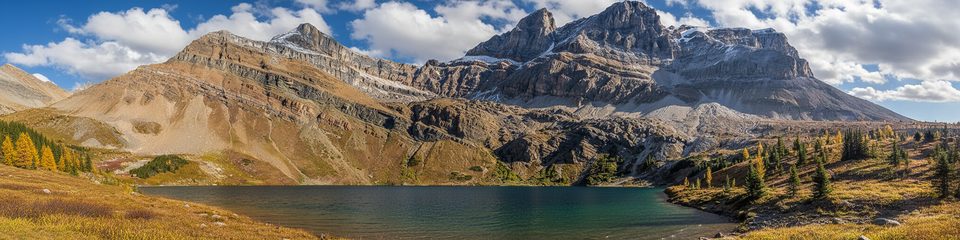
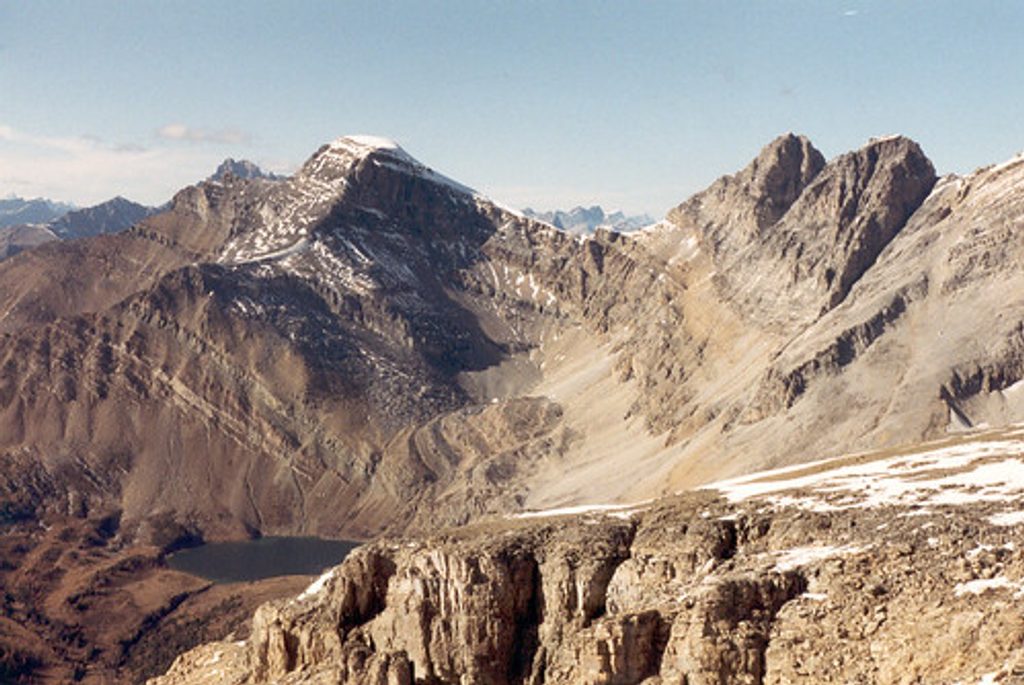
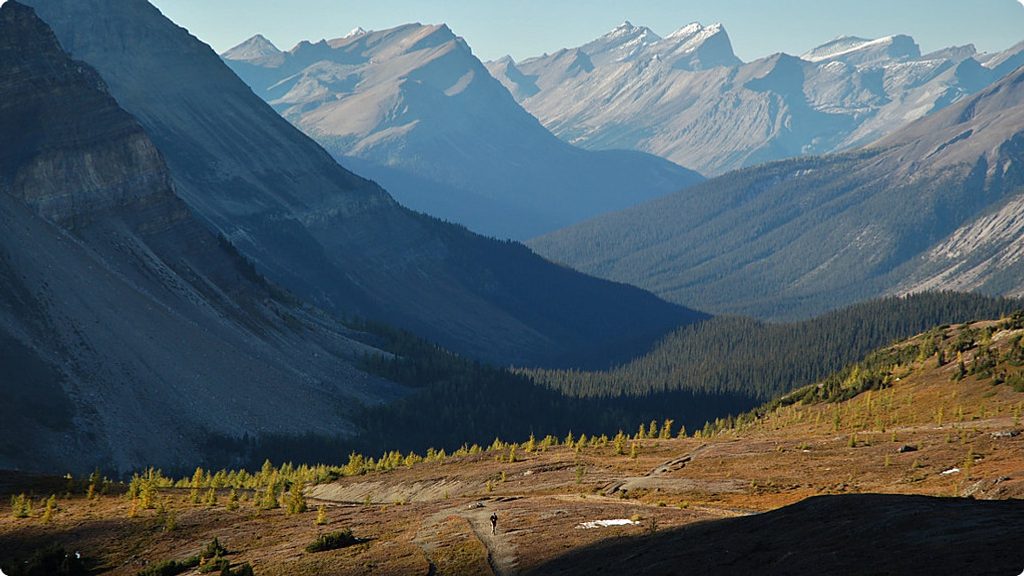
Tucked into a high glacial cirque between Brachiopod and Fossil mountains, Baker Lake is classic Skoki backcountry—cold, clear water, rugged limestone peaks, and a real sense of wilderness. It sits around the 2,300 m mark, so expect crisp air, fast-changing weather, and the possibility of lingering snow even in summer. Compared to Banff’s front-country hits, it’s blissfully quieter.
Most hikers start at the Fish Creek trailhead near Lake Louise, climbing past Temple Lodge and Halfway Hut to Boulder Pass, skirting Ptarmigan Lake, and rolling into Baker Lake. It’s about 13.2 km one way with roughly 700–800 m of gain. Fair warning: the opening fire road grind is steep and uninspiring, but the scenery pays you back after Temple Lodge.
Baker Lake Campground (SK11) sits on the east shore and makes a solid basecamp. There are 10 tent pads clustered in a tight clearing; only one site has a true lake view, so arriving early boosts your odds of nabbing the “penthouse.” Facilities are wilderness-basic: a pit toilet and bear-proof food storage (bear poles/lockers). There’s no potable water—filter from the lake—and no services of any kind.
You get big alpine drama without the crowds: turquoise water in a rocky bowl, meadows bursting with wildflowers mid-summer, and wide-open skies that are excellent for night photography when it’s clear. From camp you can fan out: loop around Fossil Mountain, side-trip to Myosotis Lake or Red Deer Lakes, or swing by Skoki Lodge and return via Deception Pass. It’s an ideal multi-day hub.
This is prime grizzly country—carry spray, make noise, and be diligent with food storage. Smaller locals show up too: marmots, ground squirrels, porcupines, and even deer have been spotted in and around camp. Birdlife is active around Ptarmigan Lake on the approach.
Usage is moderate by backcountry standards. You’ll see people in mid-summer, but it’s a far cry from the Lake Louise shoreline. Weekends can fill the campground.
Late July through early September strikes the best balance: snow has receded, meadows are vibrant, and most routes are clear. Bugs peak in July–August, so bring repellent. Aim for weekdays to improve your odds of a quieter camp and that coveted lakeside site. Clear, moonless nights are great for stargazing and night-sky shots.
Place · 0.8 mi away
Place · 1.6 mi away
Place · 2.6 mi away
Place · 2.7 mi away
Moderate · 4.3 mi away
Moderate · 4.3 mi away
Challenging · 6.3 mi away
Challenging · 6.3 mi away

Parkwolf Tour Guide
