
Place · 0.8 mi away
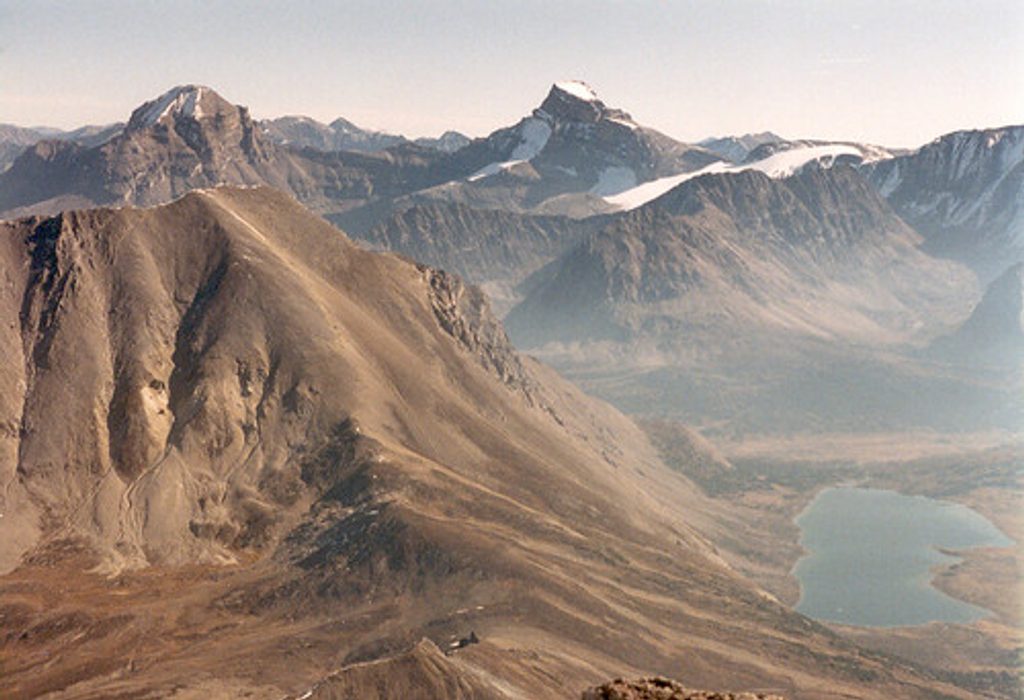
Fossil Mountain is a remote Skoki-region summit that rewards the effort with huge views and the chance to spot the marine fossils that gave it its name. It’s a long, non-technical day for strong hikers and scramblers who don’t mind scree and solitude.
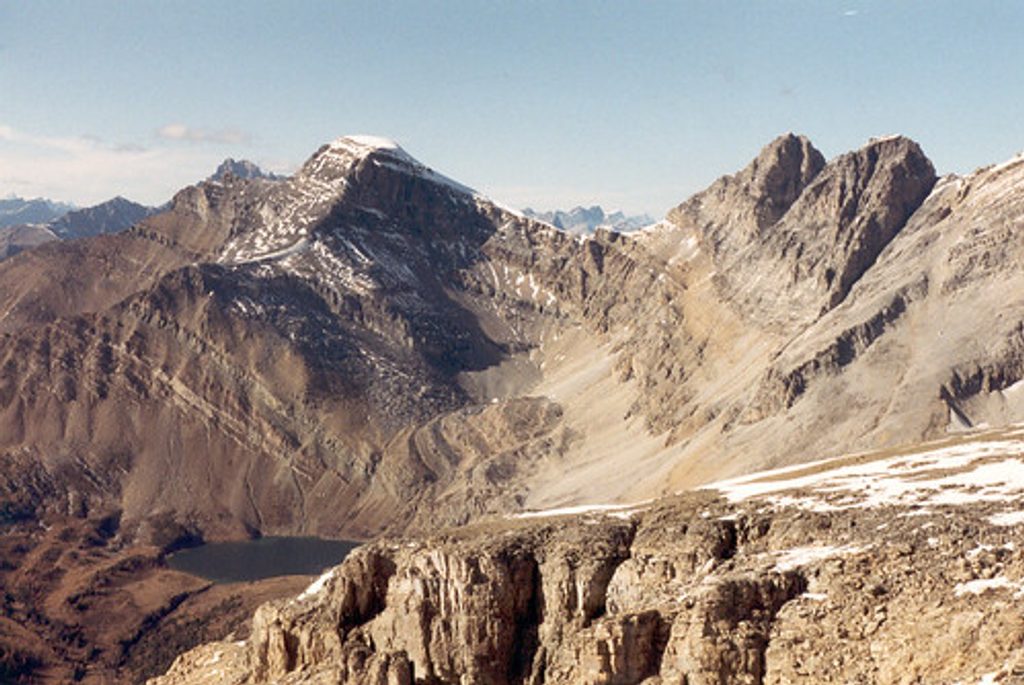
Most parties start from the Fish Creek/Lake Louise Ski Area parking and hike past Boulder Pass and Hidden Lake toward Deception Pass, then ascend easy-to-moderate scree slopes to the summit. Expect roughly 25–26 km round trip with about 1,250 m of elevation gain. The approach is beautiful but long; the upper mountain is a straightforward grind on loose rock.
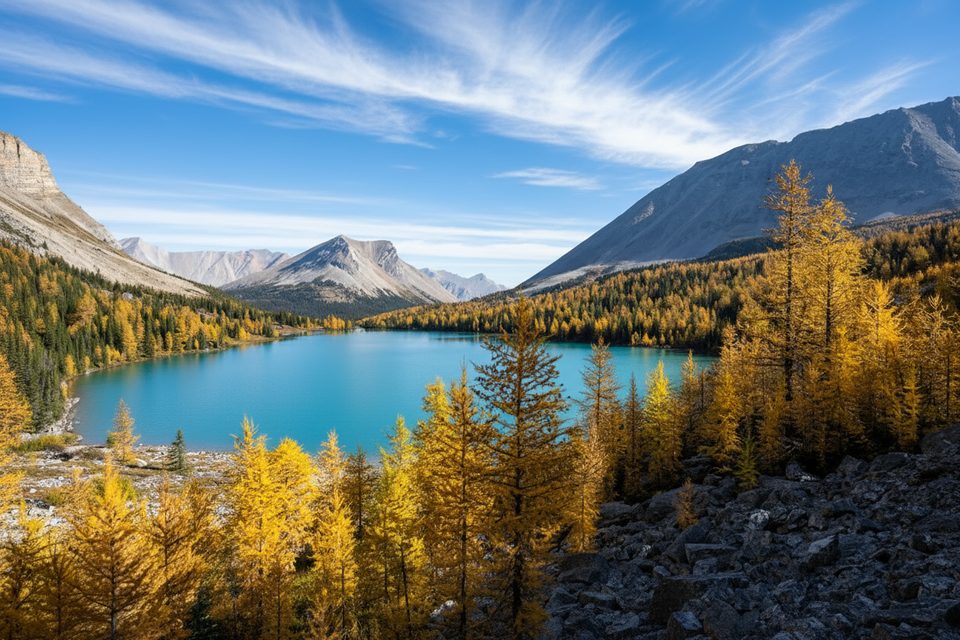
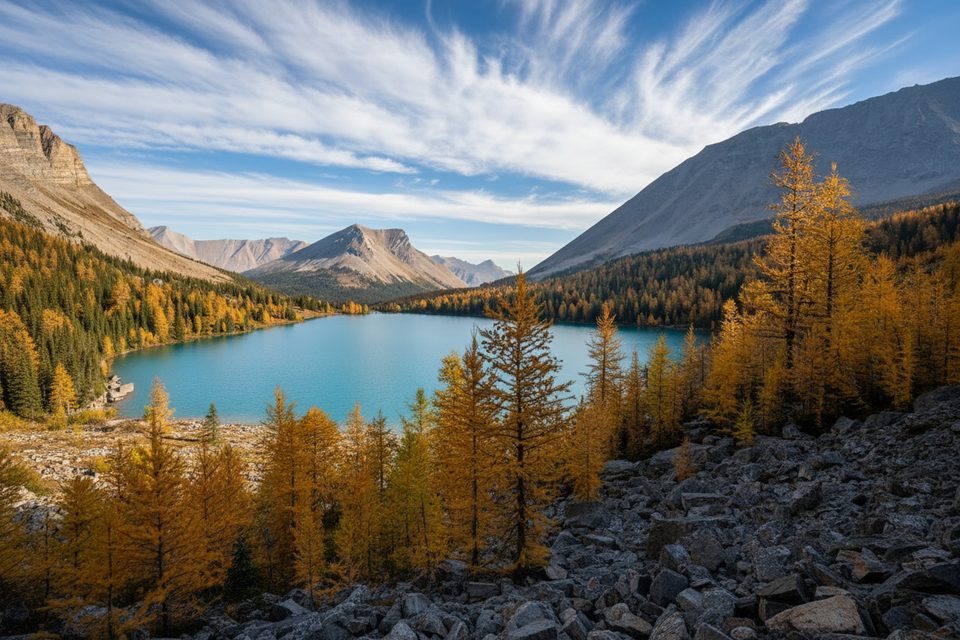
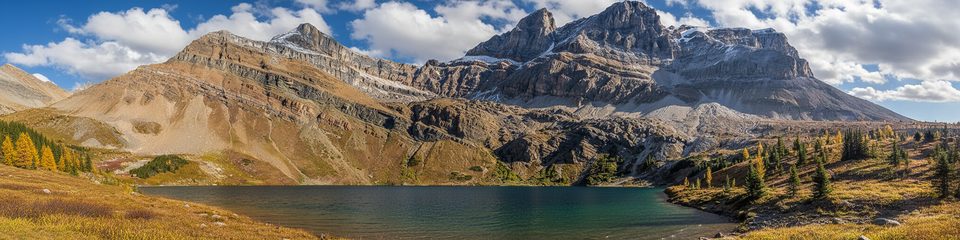
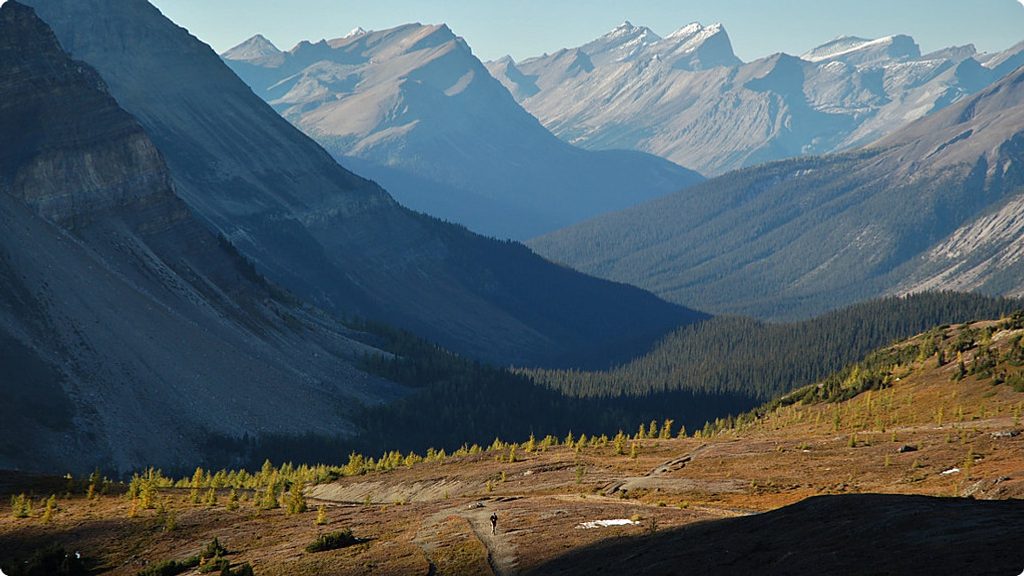
From the top you’ll get sweeping looks over Baker Lake, Ptarmigan Lake, and the Skoki peaks. On clear days you can pick out nearby high points like Skoki Mountain and beyond. In autumn, larch around the Baker Lake area goes golden—one of the best reasons to time this outing for fall. Keep your eyes on the ground too: the slopes are known for exposed fossil beds. Leave all fossils where you find them.
This is prime grizzly country; multiple trip reports note bear sightings on the approach. You may also see ptarmigan along the trails. Carry bear spray and give wildlife lots of space.
Named in 1906 for its abundant fossils, the mountain is composed of sedimentary rock with visible marine life impressions. It also carries a sober history: the area has seen serious avalanche incidents, including a memorial on the summit for two skiers who died in 1988, and the first recorded skiing fatality in the Canadian Rockies (1933).
There are no amenities at or near the mountain—no restrooms, water taps, or signage—so come self-sufficient. Water is available from natural sources en route but must be treated. Weather can turn quickly, and snow may linger or return even late in summer. In winter, avalanche hazard is significant and demands proper training and gear.
If you love big-country days, quiet summits, and a dose of geology, absolutely. If you’re looking for a short, showy outing, this is not the one. The setting is gorgeous; the climb itself is mostly about endurance over scree.
Place · 0.8 mi away
Place · 1.9 mi away
Place · 1.9 mi away
Place · 2 mi away
Moderate · 4.8 mi away
Moderate · 4.8 mi away
Challenging · 6.6 mi away
Challenging · 6.6 mi away

Parkwolf Tour Guide
