
Place · 1.6 mi away
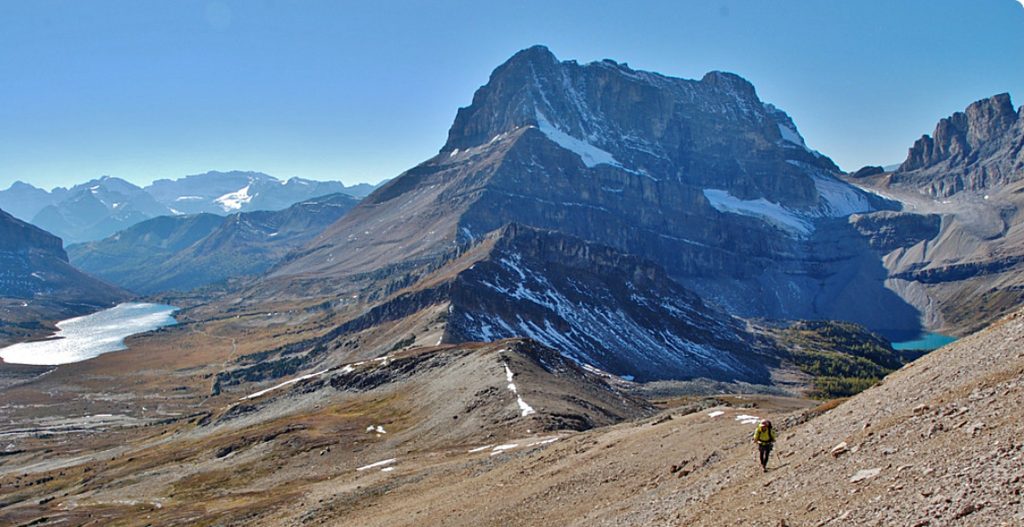
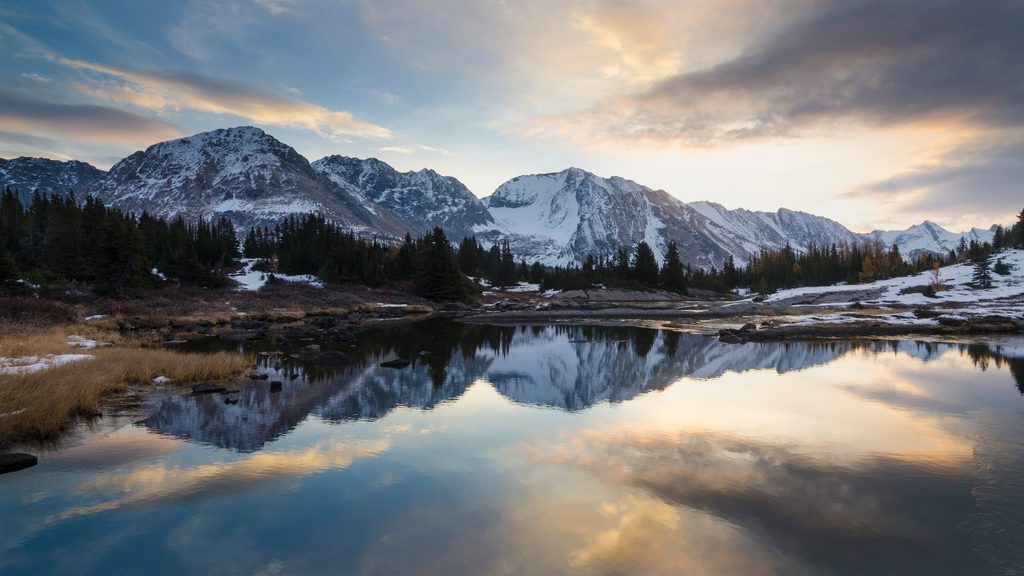
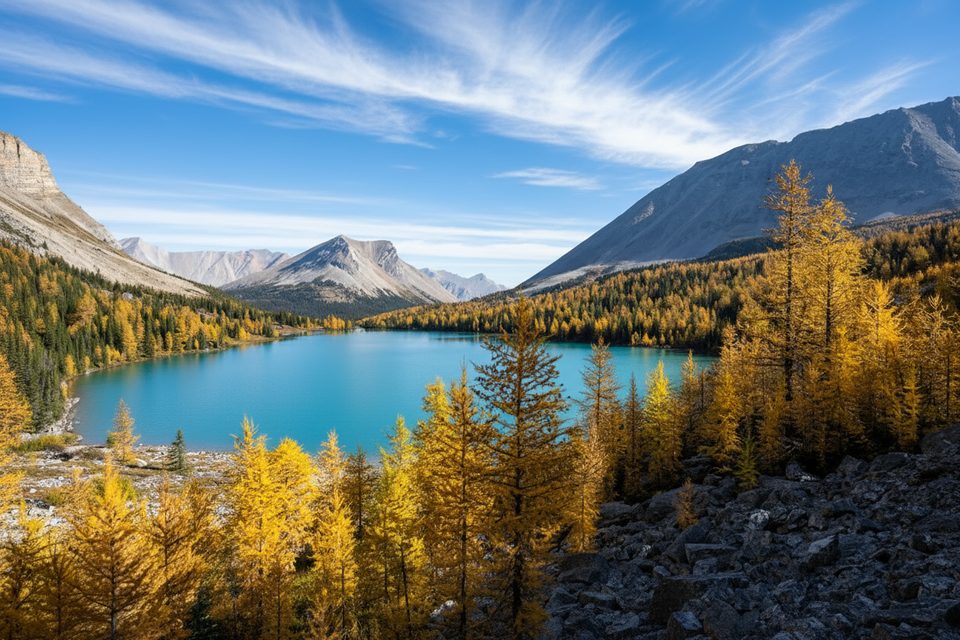
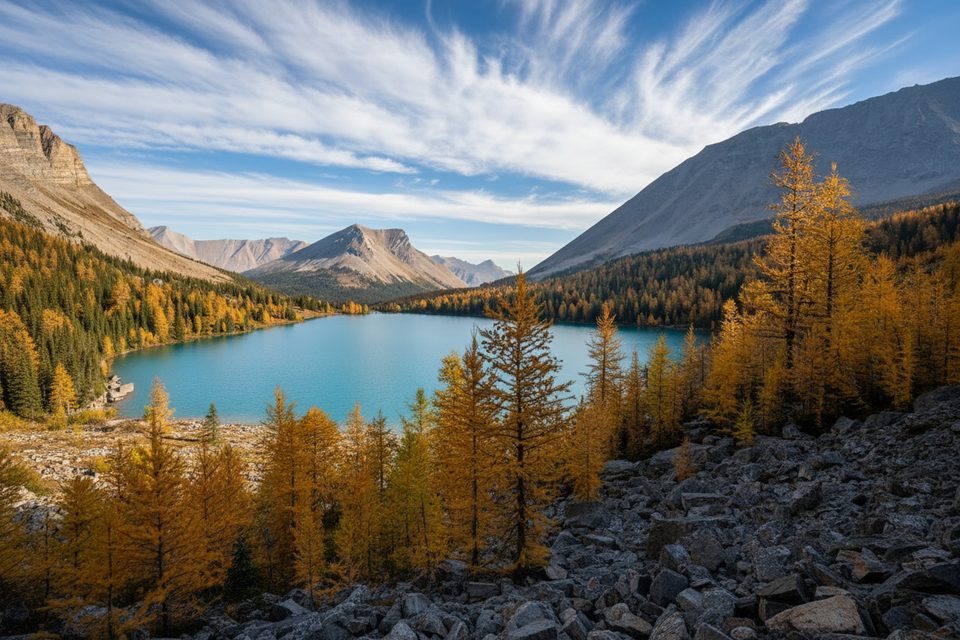
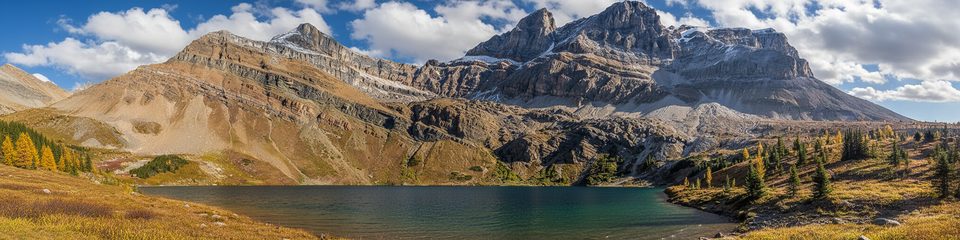
Ptarmigan Lake is a high-elevation alpine lake tucked beneath Ptarmigan Peak in the Skoki backcountry. It feels wild and remote, ringed by rugged limestone and shale peaks with wide-open meadows that burst with color in summer. If you want a backcountry lake without committing to a multi-day epic, this is a rewarding target—and a natural staging point for deeper Skoki adventures.
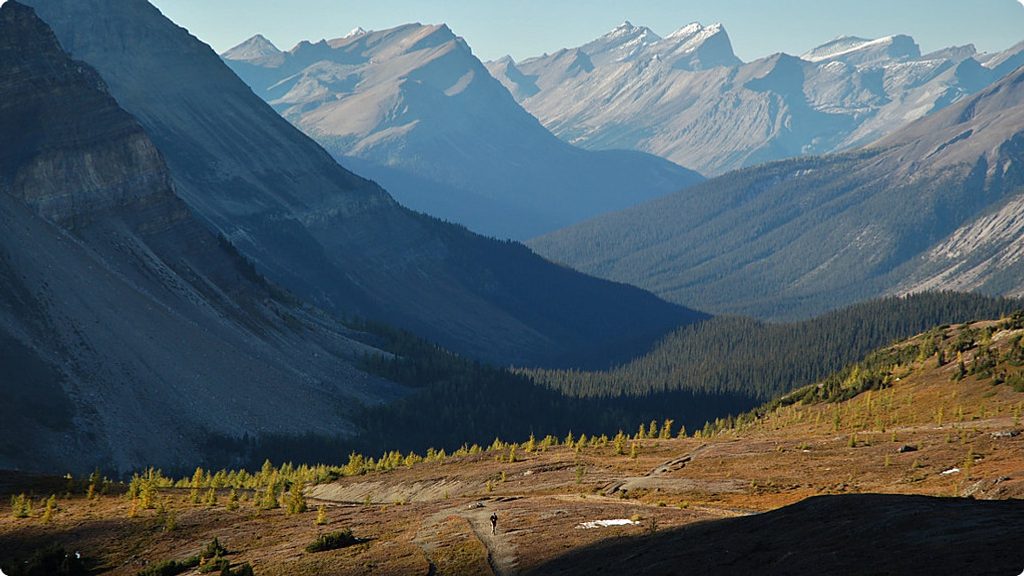
Most hikers start from the Fish Creek parking area near Lake Louise, following the route over Boulder Pass to reach the lake. Expect a long day: roughly 11.5 km one way with about 835 m of total gain, commonly 8–9 hours round-trip. The lower approach includes a wide access road that’s more grind than grandeur, but the scenery ramps up past Boulder Pass with big views of Ptarmigan Peak and neighboring summits.
Unlike the busy, drive-up lakes, Ptarmigan Lake rewards the effort with space and mountain drama. On a clear day the water is a striking blue, set in a glacially carved bowl. It’s also the crossroads of the Skoki region—ideal if you’re eyeing Baker Lake or heading toward the historic Skoki Lodge.
The namesake ptarmigan frequent the area, and it’s good habitat for marmots and pikas. Mountain goats are possible, and this is bear country—both black and grizzly are occasionally seen. Make noise, travel in groups when you can, and carry bear spray.
There are no services at the lake—no toilets, tables, or potable water. Treat all water from the lake or streams. Camping is only at designated backcountry sites; the nearest are in the Skoki system (such as Hidden Lake and Baker Lake). Cell service is unreliable; bring proper navigation and layers—weather changes fast at this elevation, even in summer.
If you’ve still got gas in the tank, continuing toward Baker Lake adds classic Skoki scenery. Multi-day hikers often link these basins or plan a stay at Skoki Lodge.
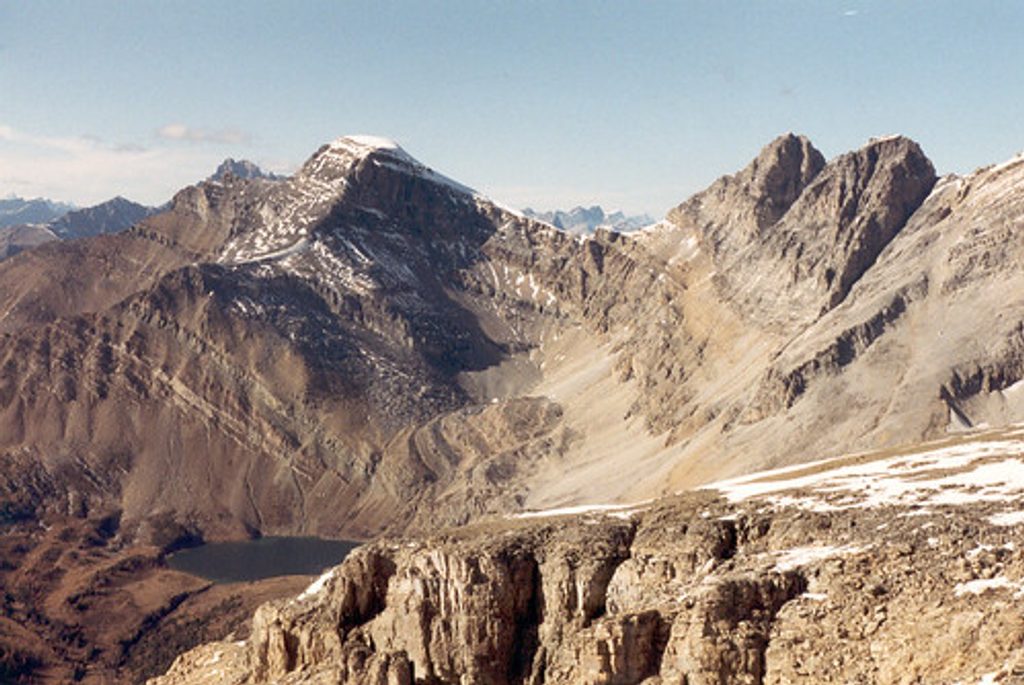
The cirque around Ptarmigan Lake showcases the Rockies’ limestone and shale, sculpted by past glaciation into the broad pass-and-basin terrain you’ll hike through.
July to September offers the best chance for snow-free travel and wildflowers. Start early to bank miles before afternoon weather rolls in and to stay ahead of day-hiker traffic on busy weekends. Weekdays are typically quieter. Clear mornings often bring the prettiest water color and more stable conditions.
Place · 1.6 mi away
Place · 1.9 mi away
Place · 2.7 mi away
Place · 3.2 mi away
Moderate · 2.9 mi away
Moderate · 2.9 mi away
Challenging · 4.8 mi away
Challenging · 4.8 mi away

Parkwolf Tour Guide
