Overview
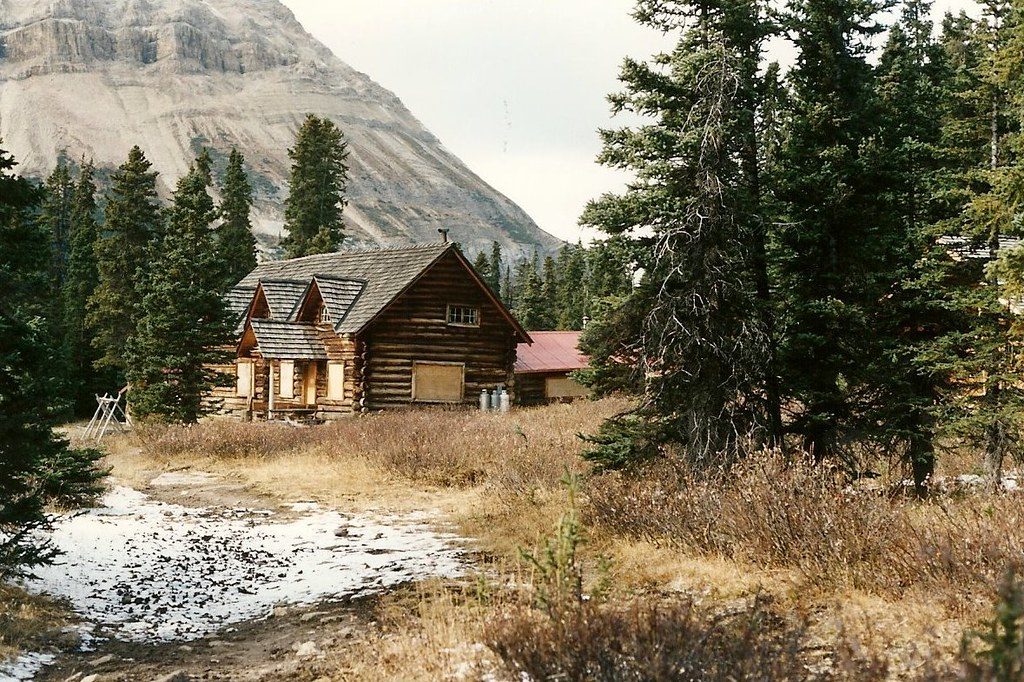
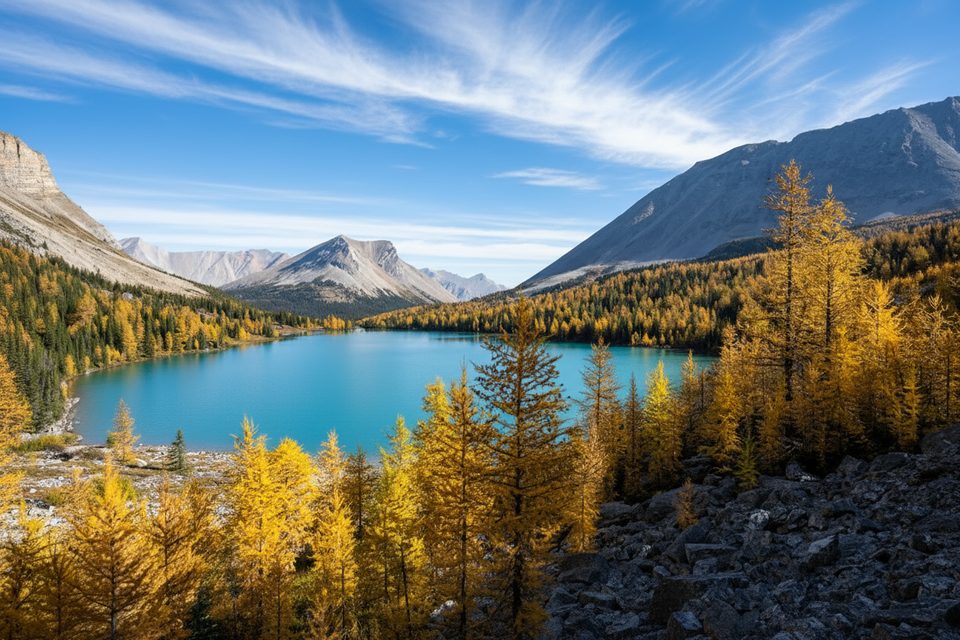
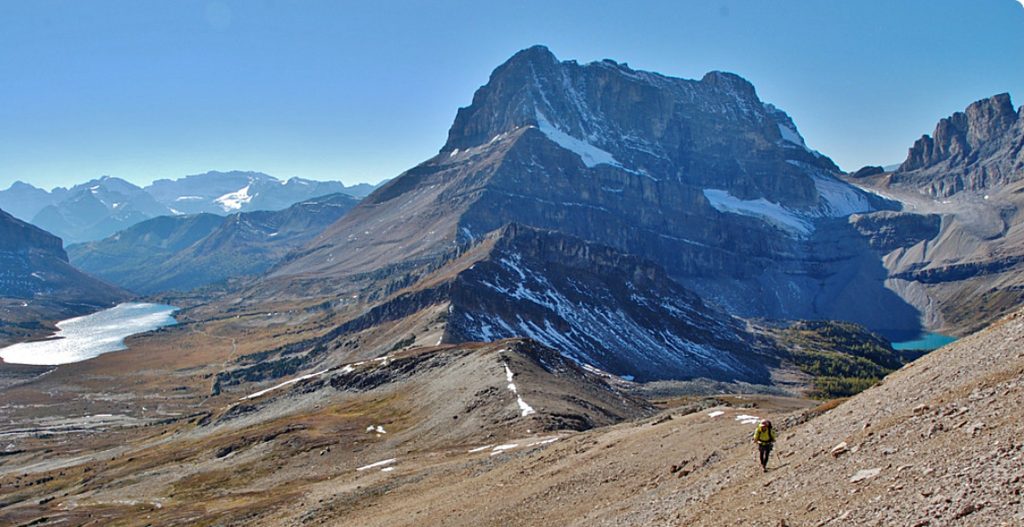
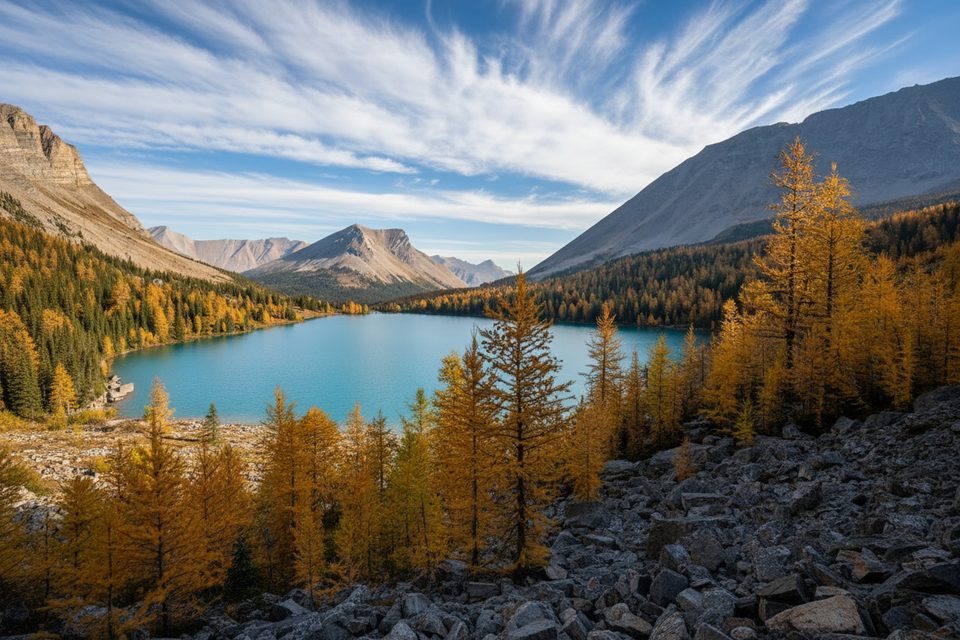
Skoki Mountain rises to around 2,650 m above the Skoki Valley, a rugged, high-alpine corner of the park known for lakes, meadows, and standout fall larches. It’s a true backcountry peak: no roads, no services, just big scenery and a historic lodge tucked below.
Access and Typical Itinerary
- Hike-in only via the Lake Louise/Fish Creek approach, commonly passing Boulder Pass and Ptarmigan Lake to reach the Skoki area.
- Skoki Lodge serves as the usual base. The approach to the lodge is about 11 km and typically takes 6–8 hours on foot depending on conditions.
- From the lodge, the summit side-trip is roughly 4.2 km round trip with ~531 m of gain. Many visitors weave Skoki Mountain into multi-day trips that also include Baker Lake and Merlin Meadows.
What You’ll See
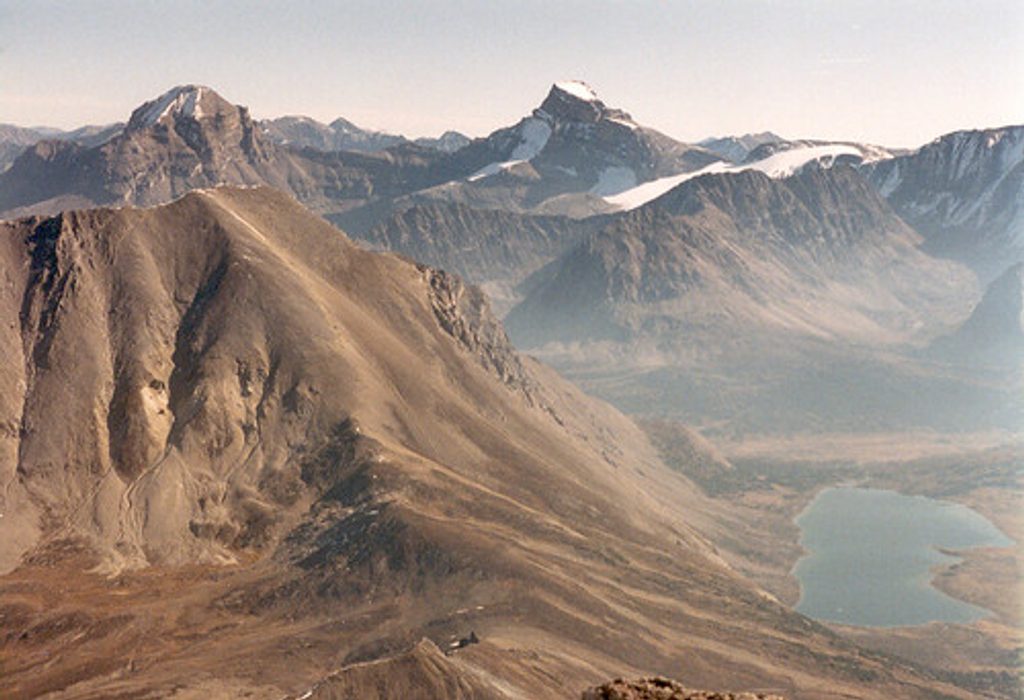
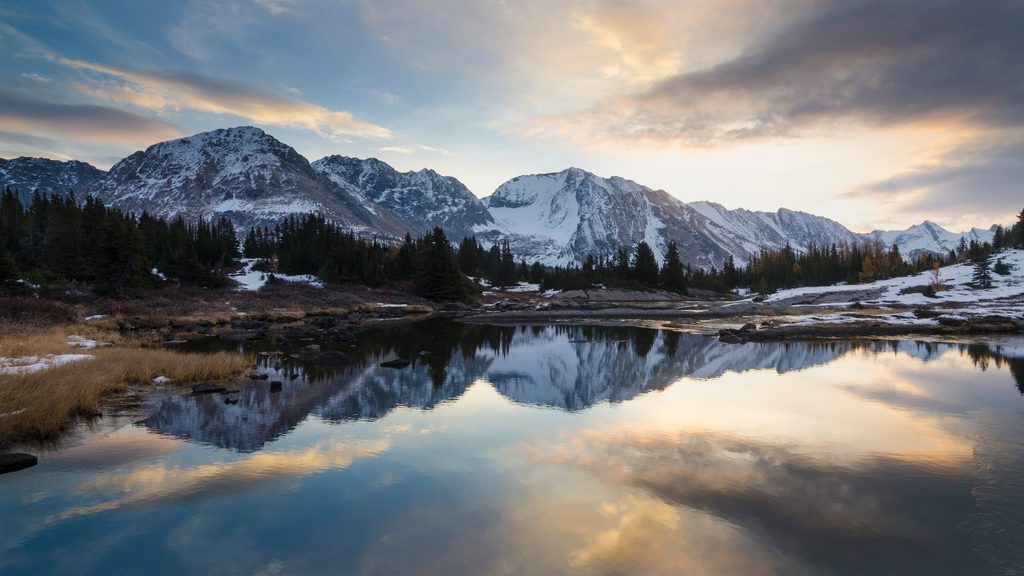
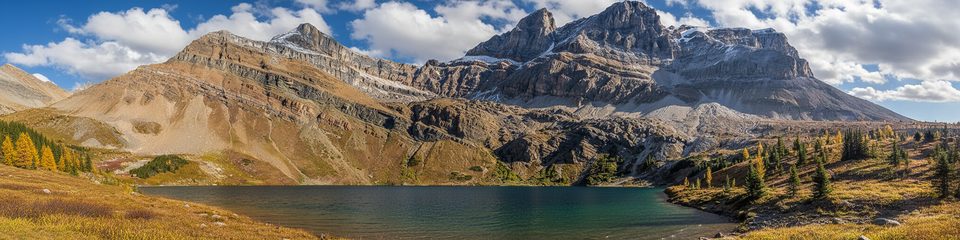
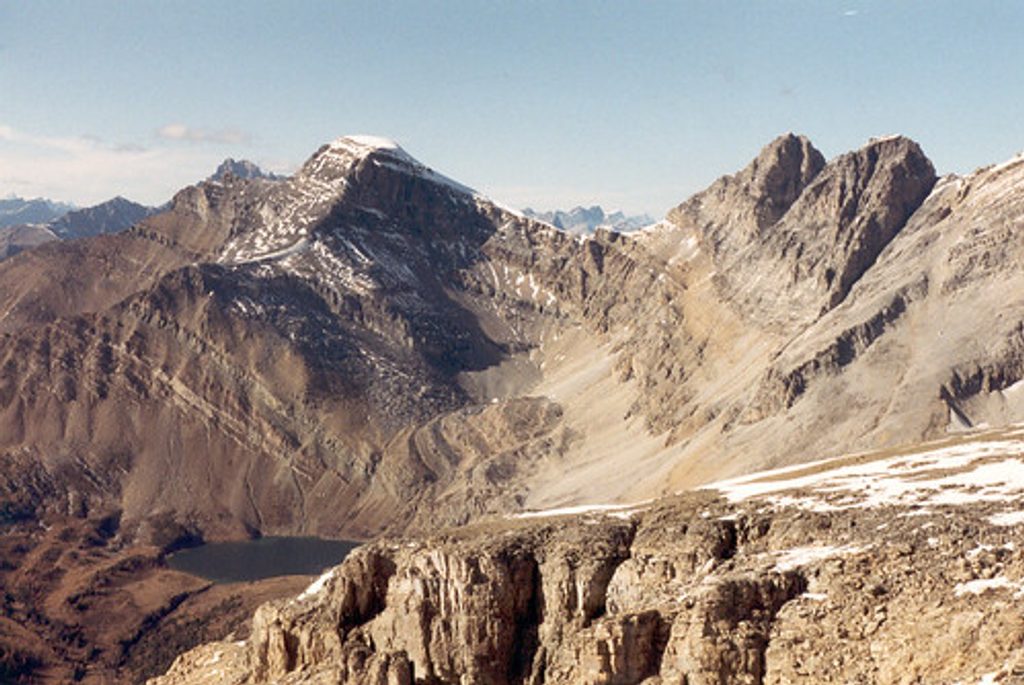
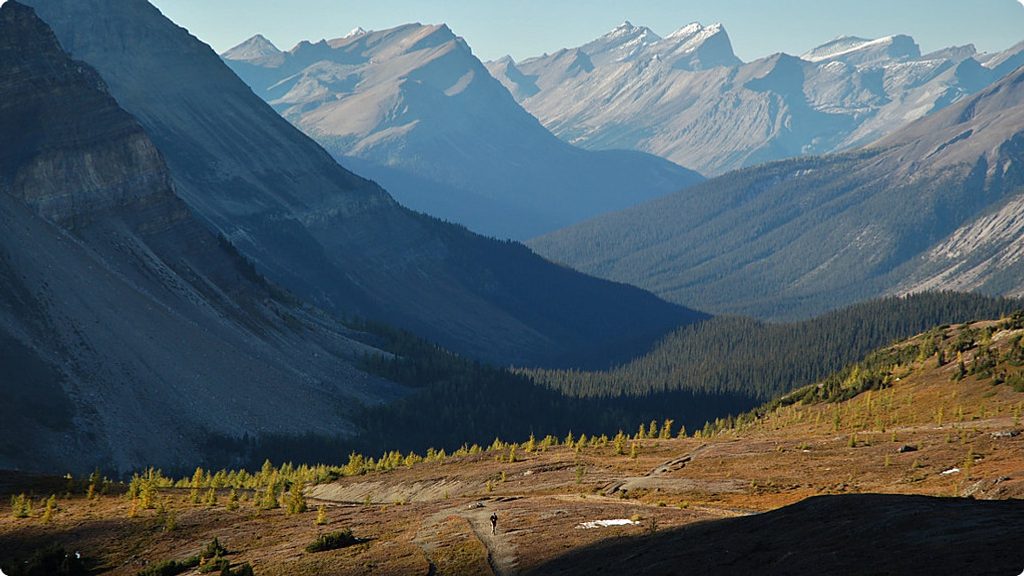
- Big, sweeping views over Skoki Valley, Baker Lake, Merlin Meadows, and a ring of serrated peaks.
- Brilliant golden larch forests in late September—one of the region’s signature seasonal spectacles.
- Alpine lakes and glacially carved terrain, with classic U-shaped valleys and moraines all around.
Wildlife
Expect typical high-country residents: marmots and pikas in the rocks, mountain goats on cliffs, and alpine birds like ptarmigan. This is bear country (both black and grizzly have been reported), so carry bear spray and make noise.
Conditions and Caveats
- The area is remote and weather can turn quickly—start early and come prepared for sudden storms.
- Some sections of the broader Skoki/Red Deer Lakes circuit have heavy equestrian use, which can mean mud, manure, and the occasional unbridged creek crossing.
- You may see occasional helicopter supply runs servicing the lodge in the valley.
A Bit of History & Geology
- The nearby Skoki Lodge dates to the early 1930s and is a storied base for hikers and ski tourers; it’s recognized as a National Historic Site.
- The name “Skoki” is commonly said to mean “swamp,” and the mountain’s name dates to 1911 (James F. Porter).
- Peaks here are mainly sedimentary limestone and shale. Glaciers sculpted the valleys, leaving the lakes and cirques that define the landscape today.
Best Time to Visit
- Late summer through early autumn offers the best conditions; late September is prime for larch color but also the busiest period in this otherwise quiet region.
- Mornings offer the most reliable weather window for the summit push.
Who Will Love It
Experienced hikers and backpackers who value solitude, big alpine views, and the charm of a historic, off-grid lodge will find Skoki Mountain deeply rewarding. If you’re after easy access and amenities, this isn’t your peak.