
Place · 7.6 mi away
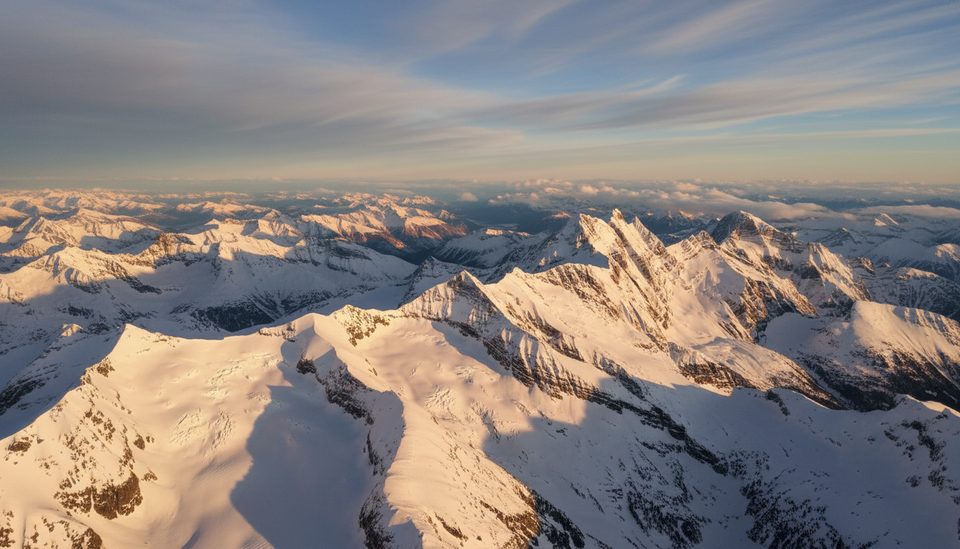
Freshfield Icefield is Banff’s remote, west-edge giant—high, cold, and wonderfully empty. It sits near the British Columbia border, roughly 12 km from the better-known Wapta Icefield, but it couldn’t feel more different: no roads, no tours, no visitor centers—just big country and bigger silence at roughly 2400–2800 m.
Expect sprawling glaciers, icefalls, and serrated peaks surrounding broad, crevassed ice. You’ll move across snowfields and moraines, with occasional turquoise melt pools when conditions warm. The scale and sense of wilderness here are the draw; it’s one of the few places in the park where you can go days without seeing another party.
There are no formal trailheads or facilities leading to Freshfield. Reaching the ice requires multi-day backcountry travel with solid glacier skills. Some expeditions use helicopter support; most plan for self-sufficient traverses and ski approaches. Navigation is on you—maps, compass, and GPS, plus the judgment to know when to turn back.
This is serious terrain: crevasses, avalanche hazard, and weather that can flip from bluebird to whiteout. Rescue is slow due to remoteness. Teams typically rope up on the glacier and carry proper gear (ice axe, crampons, harness, rope) along with emergency supplies and satellite communication.
Wildlife thins out on the ice, but the approaches can bring sightings: mountain goats and bighorn sheep on rocky slopes, marmots and pikas in talus, and ptarmigan or golden eagles overhead. Grizzly and black bears are possible at lower elevations on the way in—stay vigilant.
Like other big Rockies icefields, Freshfield is a reservoir of ancient ice ringed by steep sedimentary peaks. Its glaciers feed major river systems on the continental divide, sending meltwater toward both the Pacific and Atlantic.
Go with stable weather windows; there’s no bad crowd time because there are hardly any crowds.
If you crave solitude and have the skills for serious glacier travel, Freshfield is a gem—big, quiet, and committing. If you’re looking for an easy glacier glance with services, this isn’t it. Consider it a bucket-list objective for capable teams, not a casual side trip.
Place · 7.6 mi away
Place · 9.4 mi away
Place · 12.1 mi away
Place · 12.4 mi away
Easy · 13.7 mi away
Easy · 16.3 mi away
Easy · 16.4 mi away
Challenging · 16.4 mi away

Parkwolf Tour Guide
