Overview
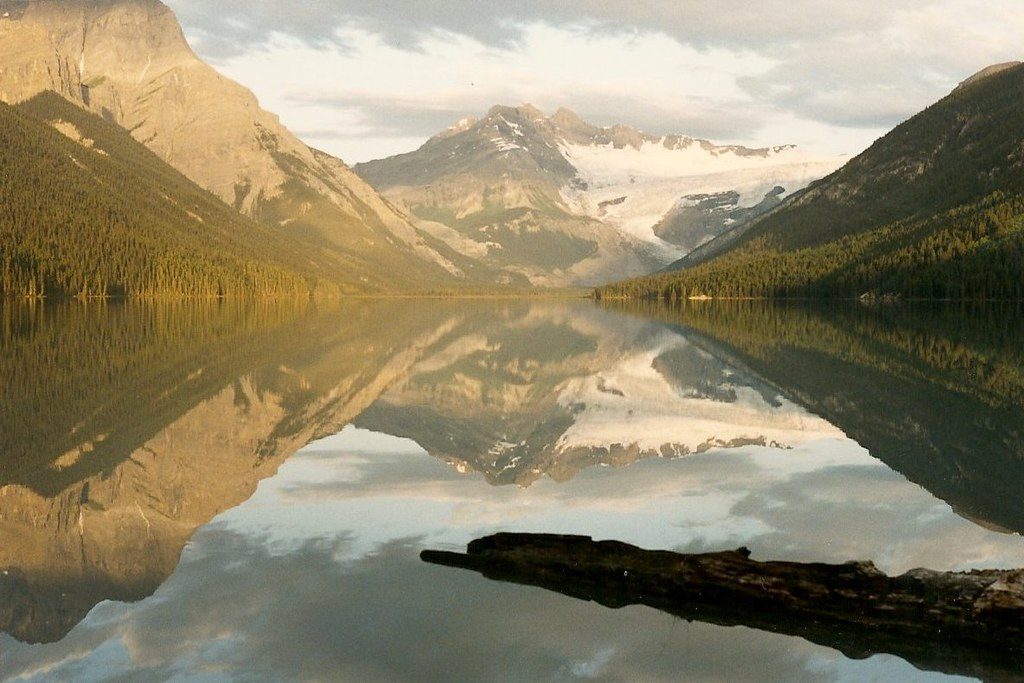
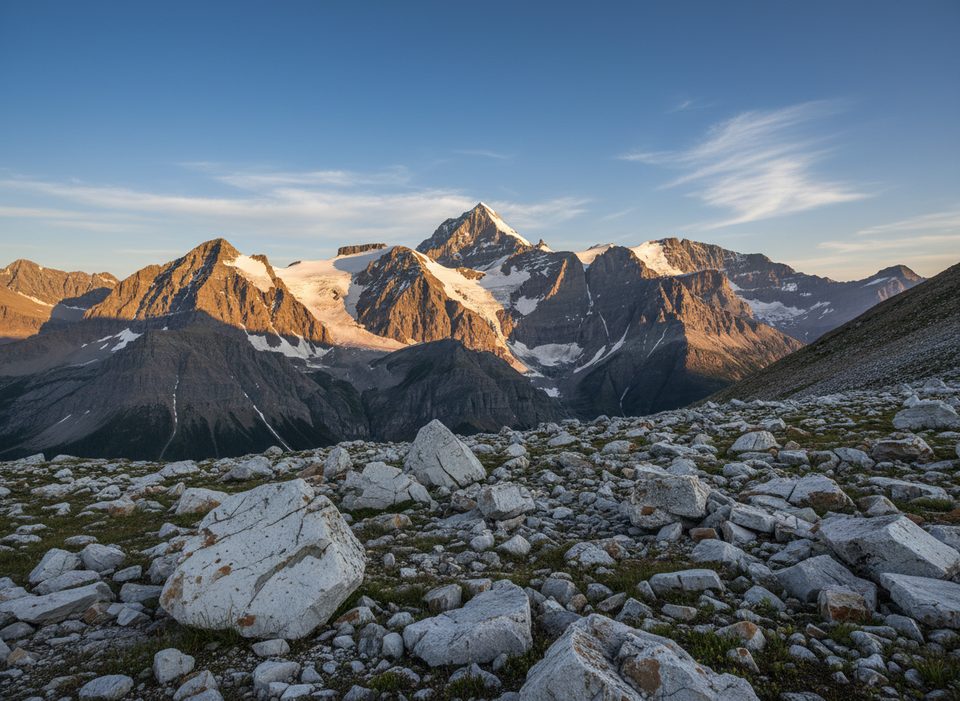
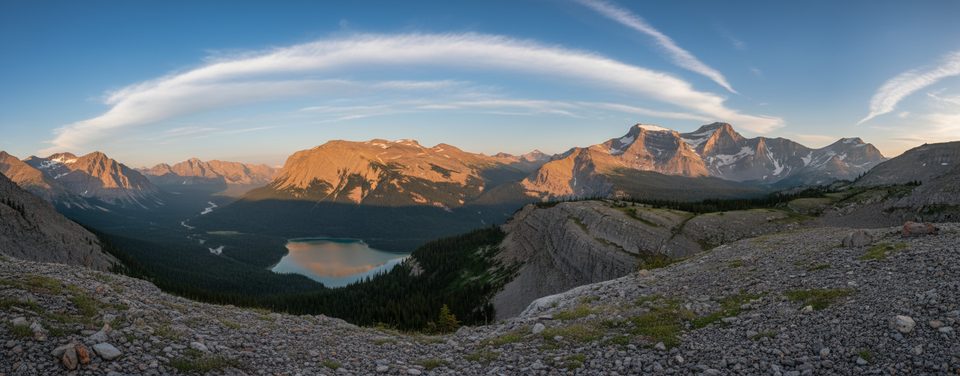
Mount Forbes is the park’s roof at 3,612 m—a remote, glaciated giant that feels more expedition than weekend hike. It’s the mountain you choose for a serious alpine objective, not a viewpoint pull-off. Expect a committing approach, complex terrain, and that big-mountain feeling you came for.
What You’ll See
- A dramatic summit profile—think shark tooth/graphite blade—rising above sprawling glaciers.
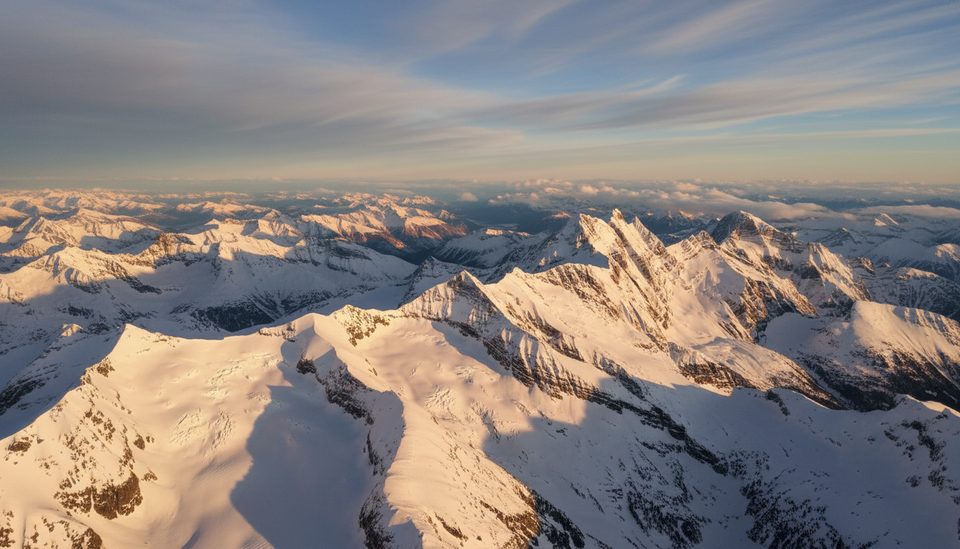
- Crevassed icefields (notably the North Glacier) and far-reaching views toward the Lyell and Mons Icefields.
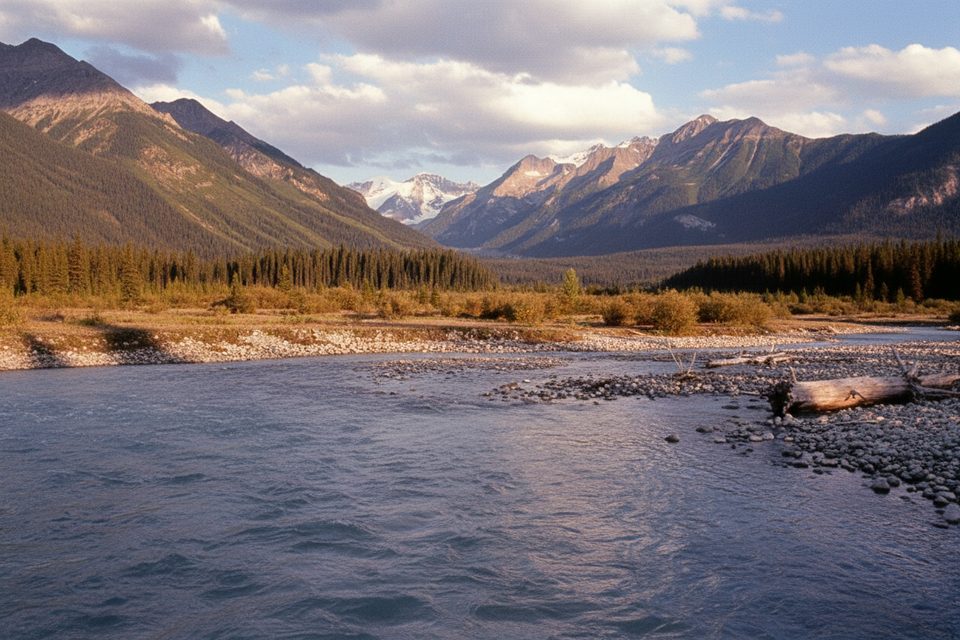
- True backcountry quiet: no roads, no crowds, just rugged peaks and ice.
Routes & How People Climb It
- The standard climb is the West Ridge, typically reached via the Rosita Couloir or by ascending the North Glacier from a high bivy.
- Most parties begin the multi-day approach from the Glacier Lake trailhead, then continue over rough, unmarked alpine terrain to a bivy near the mountain.
Who It’s For
- Experienced mountaineers comfortable with glacier travel, crevasse rescue, and alpine route-finding. Guided expeditions are an option if you want instruction or logistics support.
- Not a casual hiking destination; it’s remote, physical, and technical.
Safety & Realities
- Glacial hazards (crevasses), avalanche risk, and volatile weather are part of the package.
- A solid overnight freeze improves glacier safety; snow is possible even in summer.
- Rescue can be slow—treat this as a fully self-reliant backcountry climb and carry bear spray on the approach.
Wildlife
You may encounter typical alpine-and-subalpine locals on the approach—bears, mountain goats, marmots, and alpine birds have all been seen in similar zones within the park. Give wildlife space and manage food carefully.
History & Geology
- Named in 1859 by James Hector after his natural history professor, Edward Forbes. First ascent: August 10, 1902, by Christian and Hans Kaufmann with J. Norman Collie, James Outram, and others.
- Built of sedimentary rock and heavily shaped by ice—the north aspects remain glaciated, defining both the look and the climbing.
Best Time to Visit
- Aim for a stable weather window with firm overnight freezes to lock in safer glacier travel. Crowds aren’t an issue here; access and conditions are. Plan for full self-sufficiency regardless of day or season.