Castolon Historic District

Borderland adobe history with a seasonal ranger hub on the Rio Grande
Castolon Historic District, Big Bend National Park
InsideBig Bend National Park

Overview

Castolon Historic District is a quiet, time-capsule stop along the Rio Grande floodplain, reached via the Ross Maxwell Scenic Drive. It’s one of the park’s most intact historic sites, where Mexican and Anglo-American communities farmed, traded, and later supported a U.S. Army outpost. The vibe here is unhurried and reflective—more about stories and adobe walls than dramatic overlooks.

What You’ll See

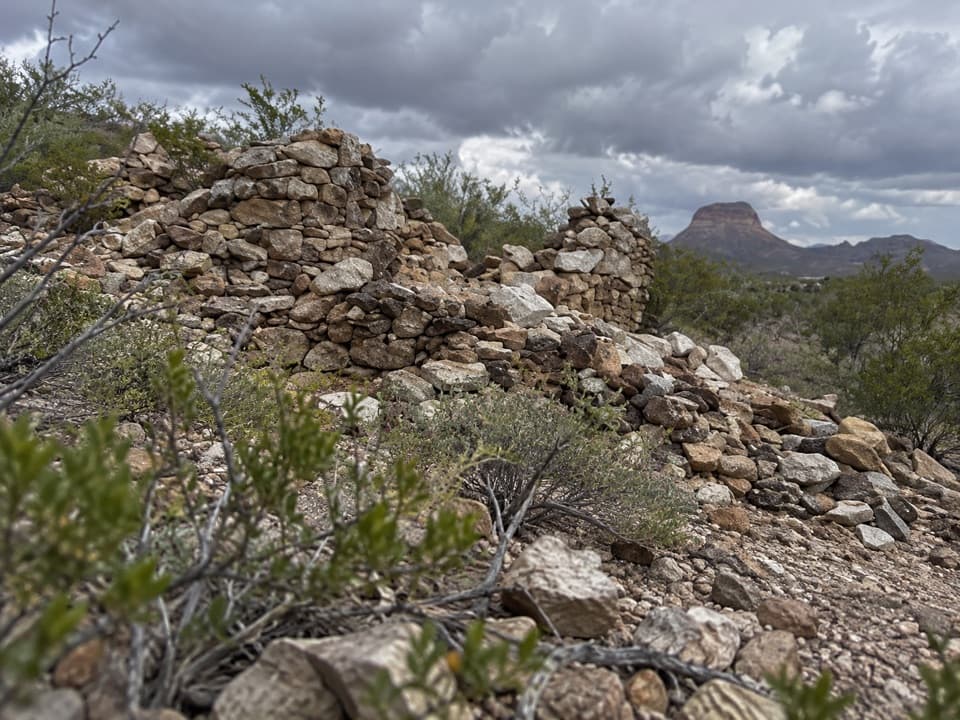
  • Original and restored adobe structures, including the Magdalena House, Alvino House, historic latrines, and a cotton gin machinery exhibit.
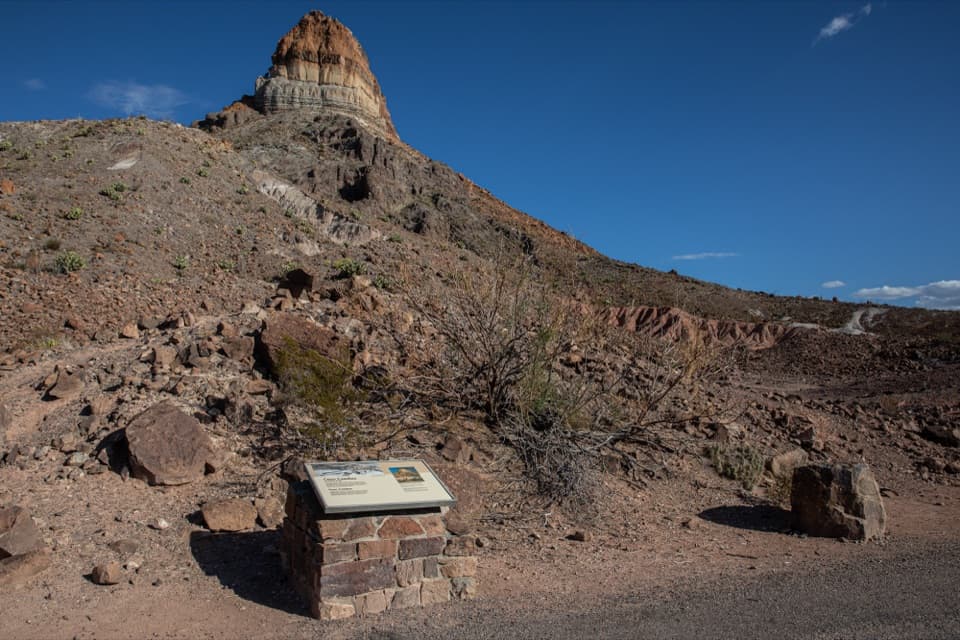
  • Remnants of a trading post and U.S. Army camp, with interpretive signs that bring the borderland chapter to life.
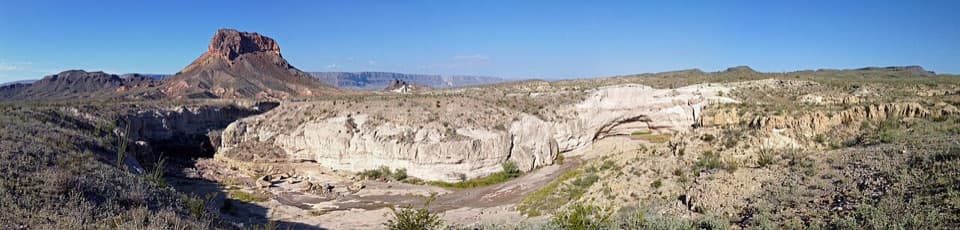
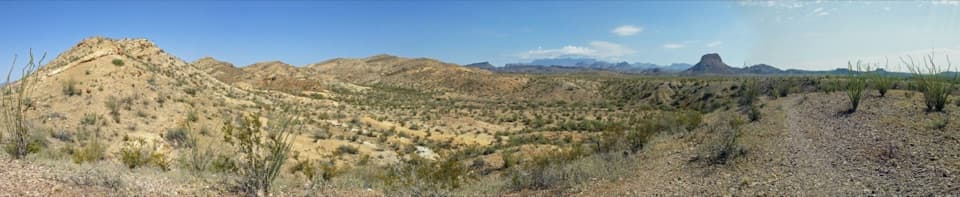
  • Broad views across the Rio Grande floodplain with distant mountain backdrops—great for soaking in the landscape after the drive.

Visitor Center & Services

The Castolon Visitor Center sits in the historic Garlick House, right behind the Magdalena House exhibits. In winter, rangers staff the desk, issue river-use permits, and can process entrance fees. You’ll also find a Big Bend Natural History Association bookstore and nearby restrooms. Outside of winter, don’t count on services—bring what you need.

History Snapshot

Castolon’s modern story starts in the early 1900s, when Cipriano Hernandez farmed the fertile floodplain. The area evolved into a binational farming-and-trading hub that later hosted a U.S. Army presence. Over time, it transitioned from community to preserved district within the national park. Some buildings you’ll see today are stabilized ruins due to past fires, which adds a poignant layer to the visit.

Wildlife

This riparian-desert edge tends to attract birds, lizards, and small mammals typical of the river corridor. Bring binoculars and take your time—activity is best in the cooler morning and late afternoon.

Best Time to Visit

  • Winter weekdays for fewer people and open visitor services.
  • Mornings and late-afternoons for cooler temps, softer light, and better wildlife activity.
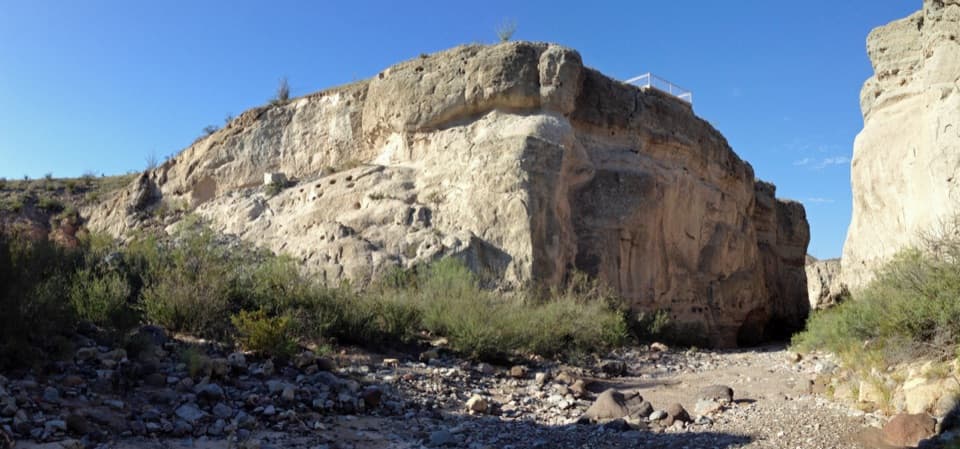
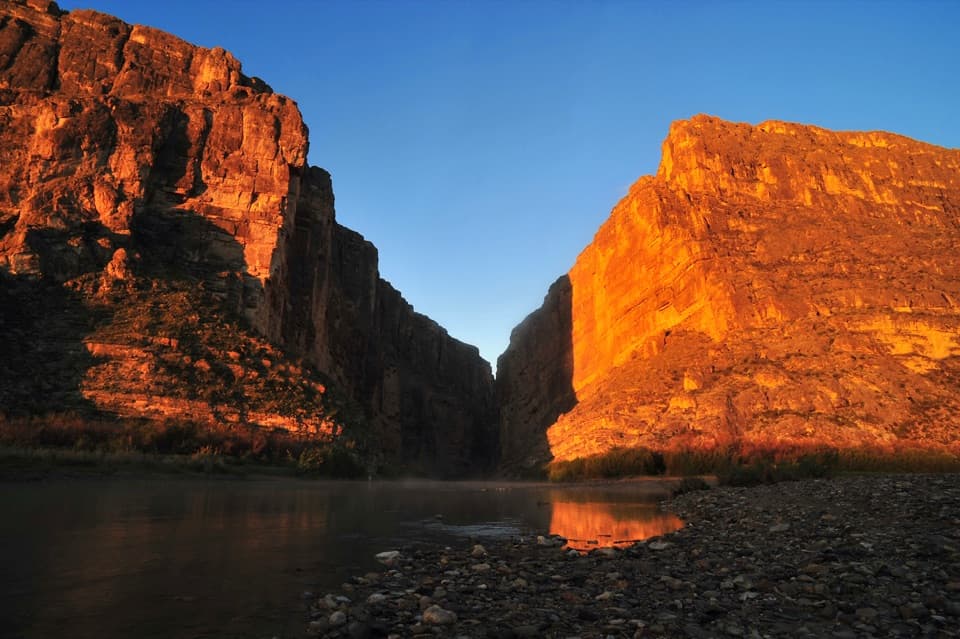
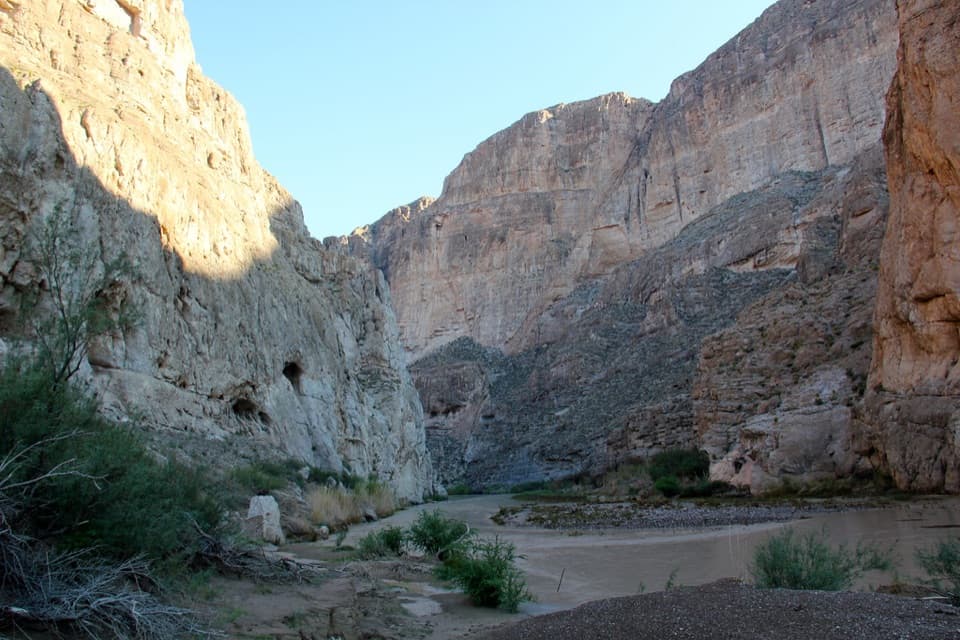
  • Pair it with a day on Ross Maxwell Scenic Drive or a trip to Santa Elena Canyon.

Tips for Making the Most of It

  • Expect a low-key, interpretive stop—give yourself 30–60 minutes to read the panels and wander the adobe sites.
  • It’s a long, exposed drive with minimal shade: bring plenty of water, sun protection, and snacks.
  • If you’re planning a river trip, time your stop for visitor center hours to handle permits and planning help.

Pros

  • Seasonal visitor center handles river permits and entrance fees
  • Atmospheric adobe ruins and exhibits tell a rich borderland story

Cons

  • Remote, with limited services on site
  • Some structures lost to past fires, so exhibits can feel sparse

Tips

  • Plan your stop in winter if you need river-use permits or to pay fees.
  • Bring ample water and sun protection—services are limited and it’s exposed.
  • Pair Castolon with Ross Maxwell Scenic Drive and Santa Elena Canyon.
  • Allow 30–60 minutes to explore the buildings and read the exhibits.
The Parkwolf tour guide sitting on a phone mounted in a car

Parkwolf Tour Guide

Like a tour guide in your car.

Save the places you found around Big Bend, then let Parkwolf guide the drive between them.Download Parkwolf on the App Store