Stovepipe Wells

Small desert hub steps from Mesquite Flat Sand Dunes
Stovepipe Wells, Death Valley National Park
InsideDeath Valley National Park

Overview

Stovepipe Wells Village is Death Valley’s classic desert crossroads—small, historic, and incredibly useful. Sitting right on CA-190, it’s a central launchpad for the park’s northern and central highlights, especially the Mesquite Flat Sand Dunes just up the road. Think of it as your resupply and reset point: fuel up, grab a meal, cool off by the pool, and head back out.

What You’ll Find

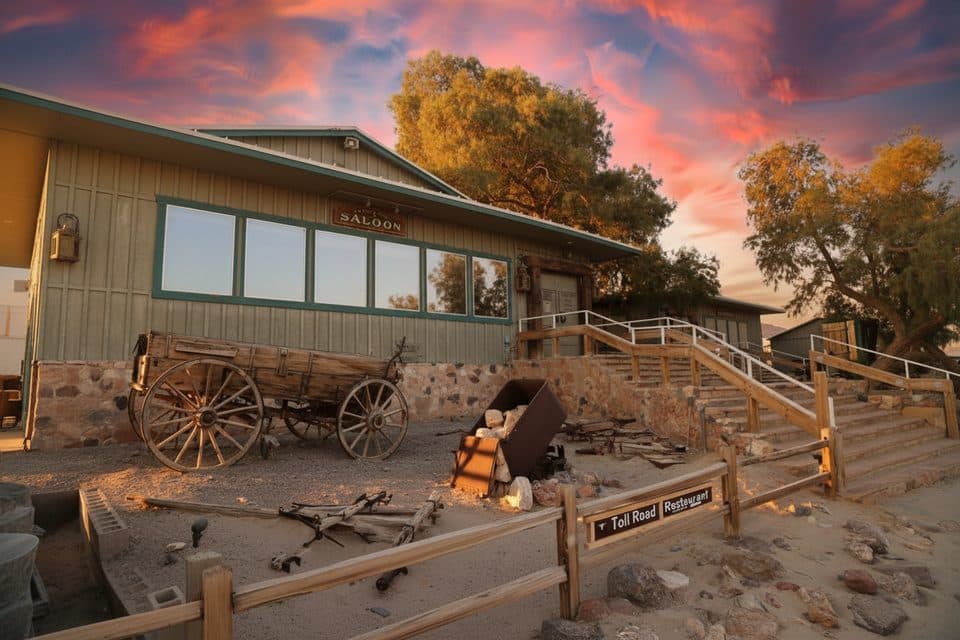
This compact village concentrates the essentials you’ll actually use in the desert: unleaded and diesel fuel, a general store with groceries and camping supplies, a sit-down restaurant plus bar, potable water, restrooms with flush toilets, showers, and a swimming pool. There’s a hotel, an RV area with hookups, and an NPS campground next door. You’ll also find interpretive info and exhibits that ground you in the area’s backstory.

Why Base Here

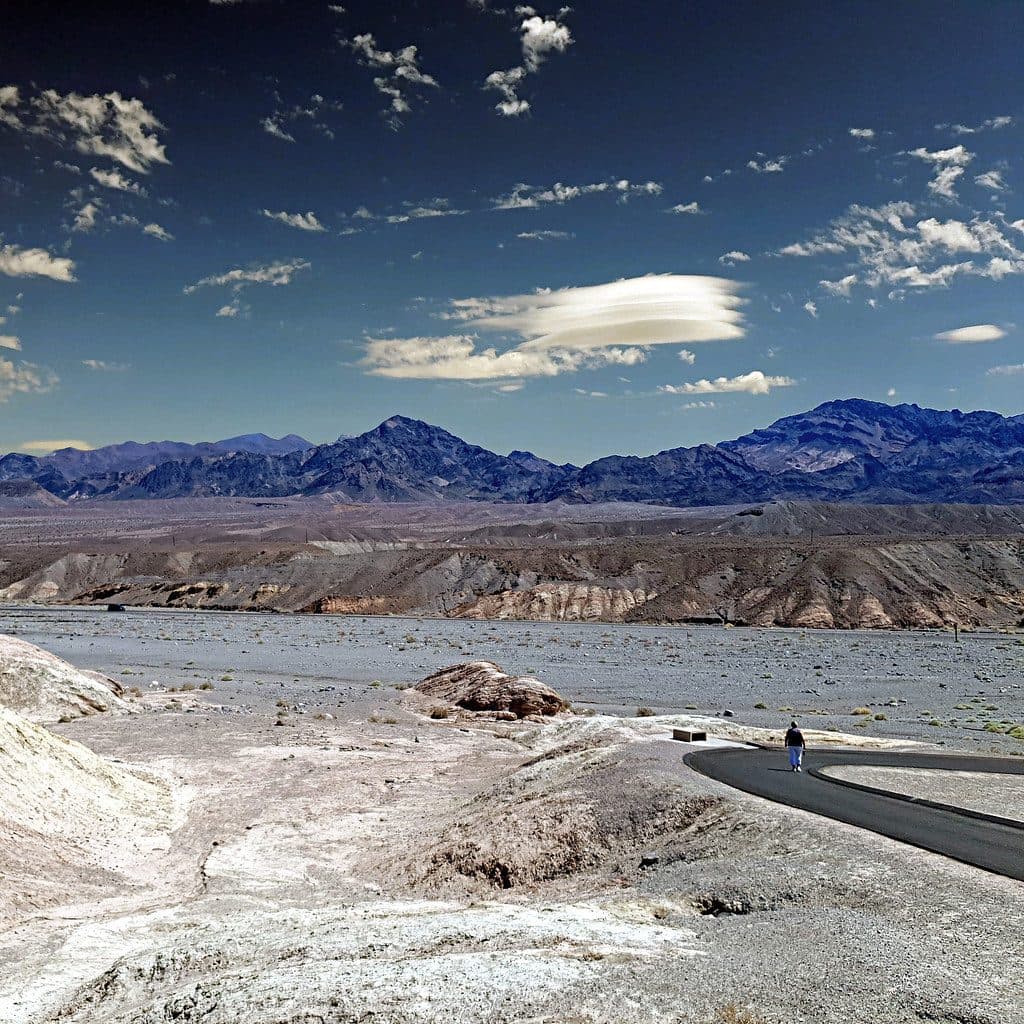
Location is the draw. You’re within a short hop of the Mesquite Flat Sand Dunes for golden-hour photography, stargazing, and easy sand “hikes.” From here, it’s straightforward to roam to nearby desert vistas and historic markers scattered along the highway.

History Snapshot

Stovepipe Wells began as a vital waterhole—once marked with an actual stovepipe so travelers could find it when the sand buried everything. The opening of the Eichbaum Toll Road in 1926 shifted the area from mining outpost to tourist gateway, helping set the stage for the creation of Death Valley National Monument. Monuments and plaques in the area recall earlier chapters too, including the 1849 ‘49ers who famously burned wagons as they fought to escape the valley.

Wildlife

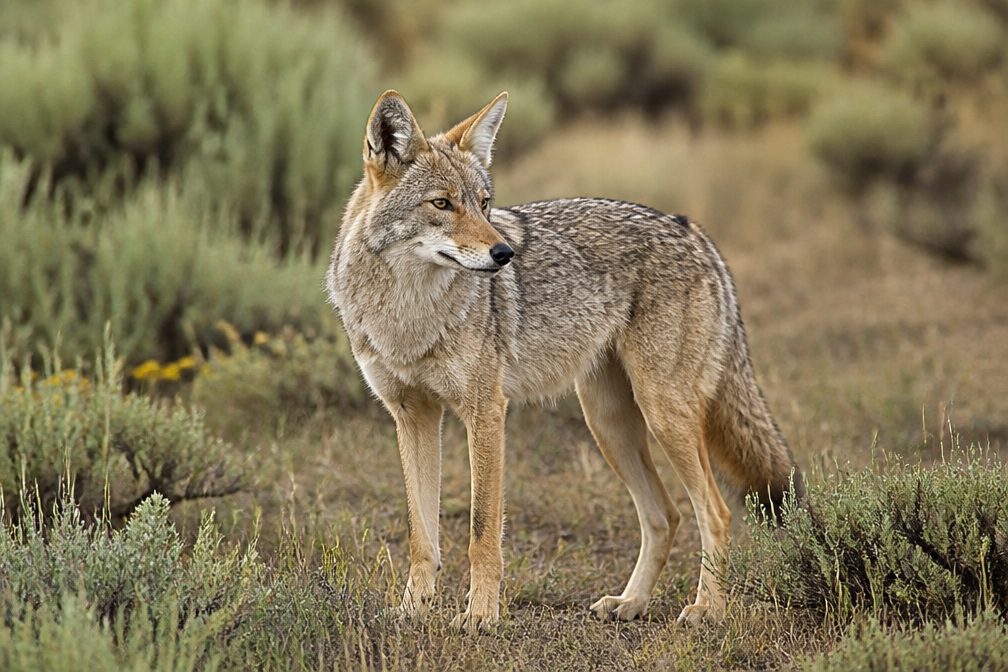
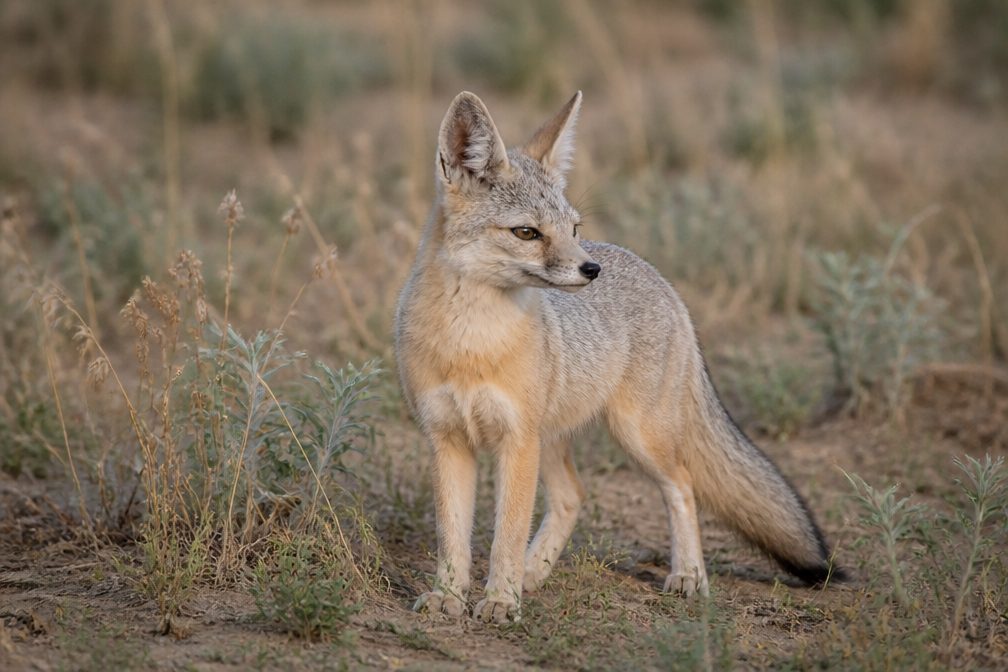
Around the dunes and village, coyotes are common sightings, especially at dawn and dusk. After dark, watch for bats working the night sky—an underappreciated show if you linger around the village after sunset.

On-the-Ground Experience

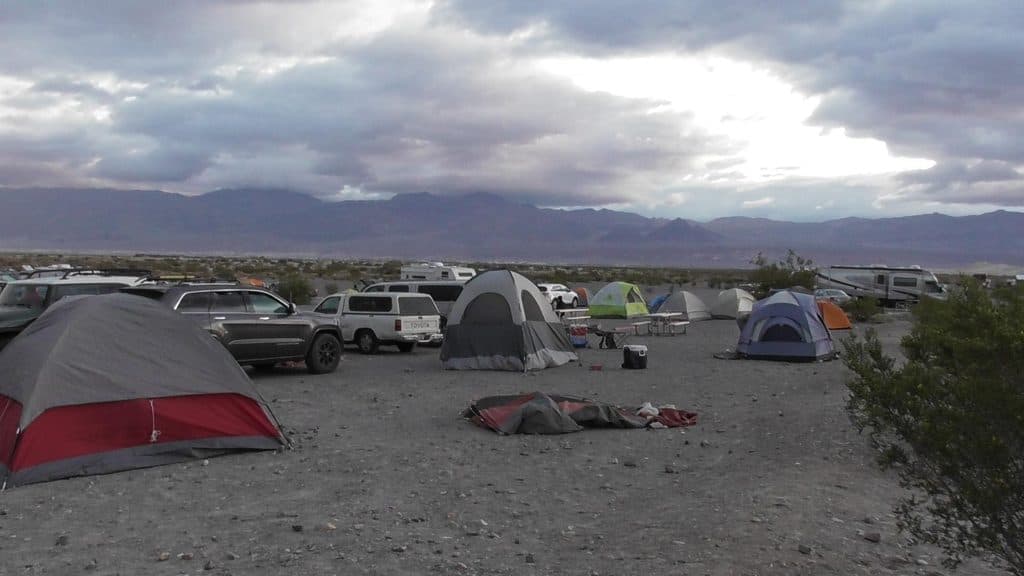
Stovepipe Wells feels rustic and real—more outpost than resort—and that’s part of its charm. Expect practical comforts over polish. Supplies are convenient but limited, and prices reflect the logistics of stocking a shop in the middle of the desert. When the wind kicks up, the sand lets you know who’s boss; bring eye protection and a buff if you’re camping or heading for the dunes.

Best Time to Visit

Plan your time around light and heat. Early mornings and late afternoons are best for exploring the dunes and wandering the village without baking. Sunrises and sunsets at the dunes are the crowd-pleasers. Midday is prime time to refuel, rest, swim, and reset. Weekdays see a bit less bustle than weekends during popular seasons.

Practical Notes

  • Treat this as your strategic pit stop: fuel, water, ice, snacks, and gear are all here.
  • Pool and shower access are available; campers can buy passes.
  • Check current road and park conditions before committing to long drives—routes can change with weather and washouts.

Pros

  • One-stop hub for fuel, food, lodging, store, and campground
  • Minutes from Mesquite Flat Sand Dunes for sunrise and sunset
  • Pool and showers available, with passes for campers

Cons

  • Limited selection and higher prices than outside the park
  • Wind and sandstorms can make conditions rough, especially for campers

Tips

  • Use the village as your resupply stop for fuel, water, ice, and snacks.
  • Hit the Mesquite Flat Sand Dunes at sunrise or sunset for the best light and temps.
  • If you’re camping, grab pool and shower passes to reset during the heat of the day.
  • Wind can whip up sand—pack glasses or a buff to protect your eyes and face.
  • Always check current park conditions before long drives; routes can change quickly.
The Parkwolf tour guide sitting on a phone mounted in a car

Parkwolf Tour Guide

Like a tour guide in your car.

Save the places you found around Death Valley, then let Parkwolf guide the drive between them.Download Parkwolf on the App Store