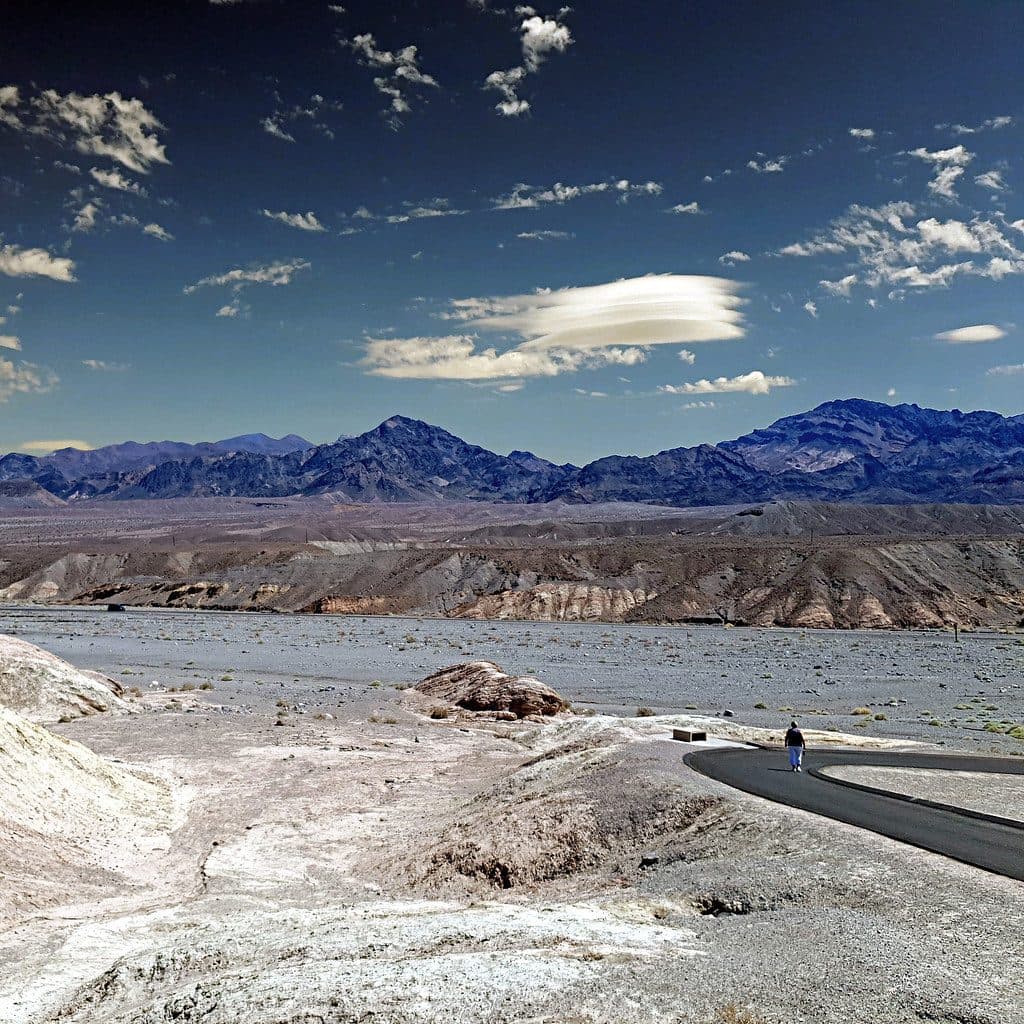
Wildrose Charcoal Kilns

Beehive kilns in the pines with history and killer acoustics
Wildrose Charcoal Kilns, Death Valley National Park
InsideDeath Valley National Park

Overview

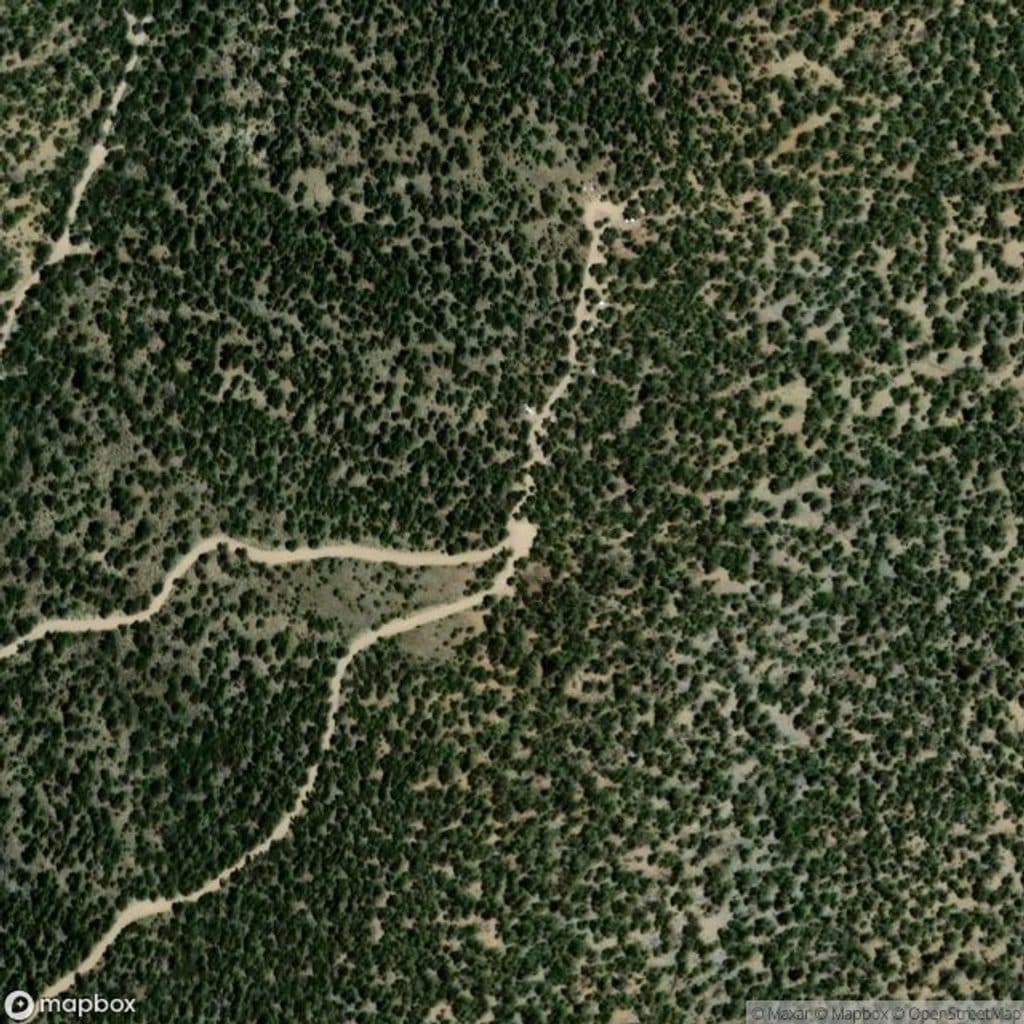
High in Wildrose Canyon, ten beehive-shaped stone kilns sit in a quiet pocket of the Panamint Mountains. Built in 1877 to make charcoal for nearby smelters, they’re among the best-preserved kilns in the West—big, tactile, and surprisingly atmospheric. You can step inside, hear the echoing acoustics, and wander between them with mountain views all around.

What You’ll See

  • A tidy row of ten large, beehive kilns set in pinyon-juniper hills.
  • Interiors you can enter for a neat echo-chamber effect—great for photos and sound.
  • A short, easy stroll around the site; most people poke around for 15–30 minutes.

History

These kilns were built during the 1877 mining push to convert local wood into charcoal for lead and silver ore smelting 20–25 miles away. Each kiln was loaded with wood and slow-burned for days, then cooled before the charcoal was shipped off. Their brief working life and remote location are big reasons they’ve survived so well.

Getting There & Road Conditions

Access is via Wildrose Canyon Road, with the last few miles unpaved. After storms the road can be rough or closed—check conditions before you go. In winter, snow and ice are possible at this elevation; high-clearance (and occasionally 4WD) is the safer bet when conditions are poor. It’s much cooler up here than on the valley floor, so layer up.

Best Times to Visit

Open 24/7, but the kilns shine in soft light: sunrise and late afternoon for texture on the stone, or at night for star shots. Weekdays are typically quieter than weekends. Summer afternoons are pleasant compared to the scorching valley; winter mornings can be downright cold.

Photography Tips

  • Side light brings out the masonry; aim for golden hour.
  • Night photography is excellent—bring a tripod and headlamp.
  • Step inside a kiln and shoot outward for a unique framed view.

Wildlife

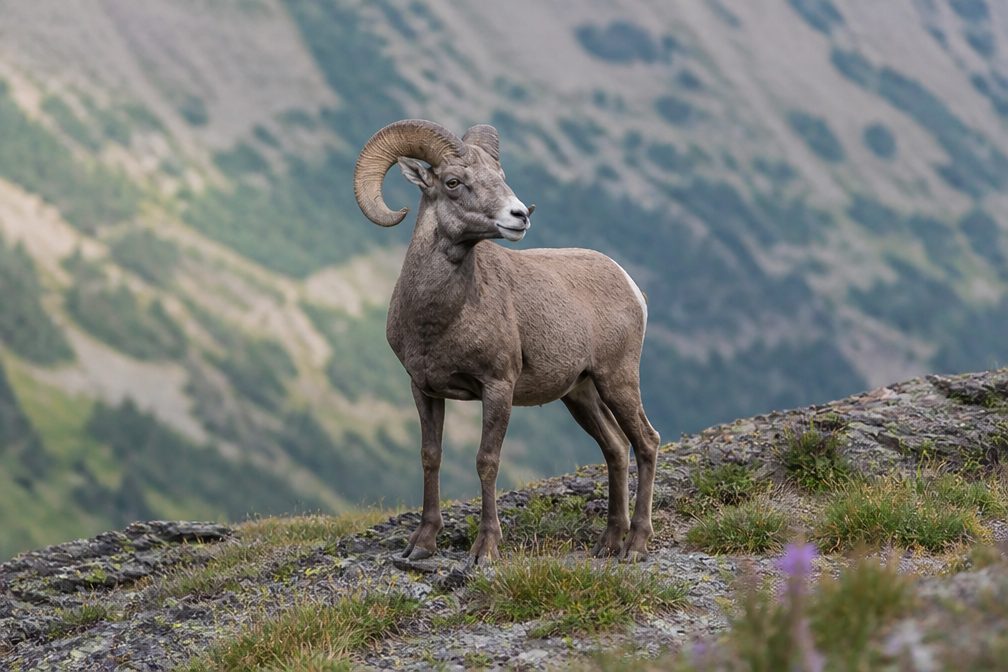
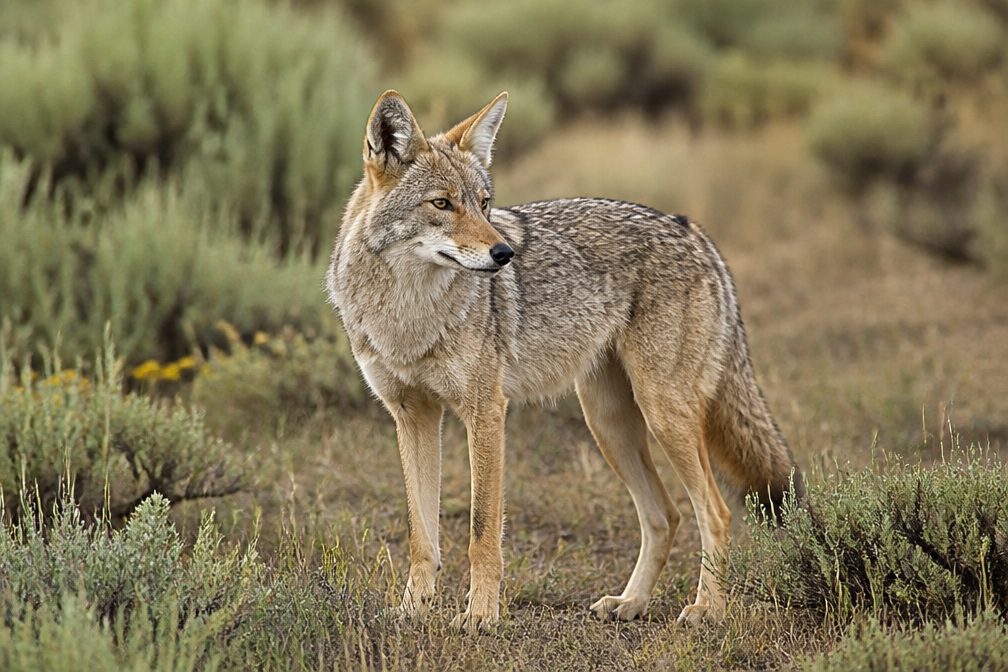
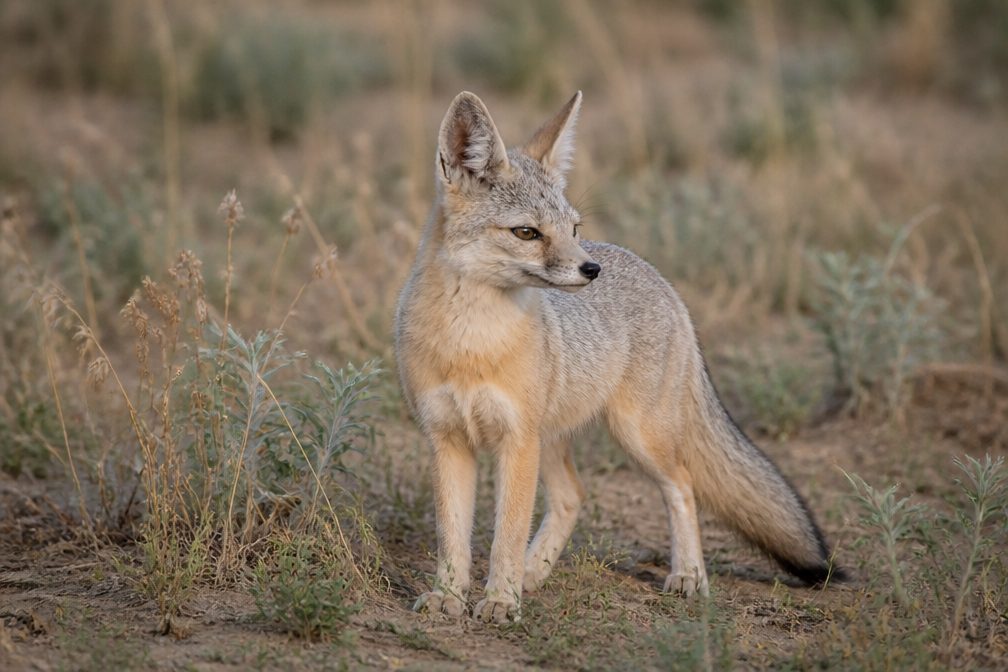
The surrounding pinyon-juniper habitat can host birds and small mammals. It’s not a wildlife hotspot, but keep your eyes open along the approach road and around the trees.

Amenities & Nearby

There’s parking right at the kilns and the Wildrose Peak trail starts just north of them. Restrooms are available at the trailhead area. No water, food, gas, or store—come prepared. Camping and more hiking lie farther up the road.

Pros

  • Exceptionally preserved beehive kilns you can walk inside
  • Cooler high-elevation stop with striking photo ops
  • Convenient start point for the Wildrose Peak trail

Cons

  • Rough, unpaved final stretch that’s prone to storm closures
  • Remote area with no services like water or food

Tips

  • Check road conditions—last miles are unpaved and can close after storms.
  • Bring layers; it’s far cooler here than on the valley floor, especially mornings.
  • Pack water and snacks—there are no services at the kilns.
  • Plan for sunrise, sunset, or night for the best photos.
  • Step into a kiln and try speaking or singing to enjoy the acoustics.
The Parkwolf tour guide sitting on a phone mounted in a car

Parkwolf Tour Guide

Like a tour guide in your car.

Save the places you found around Death Valley, then let Parkwolf guide the drive between them.Download Parkwolf on the App Store