
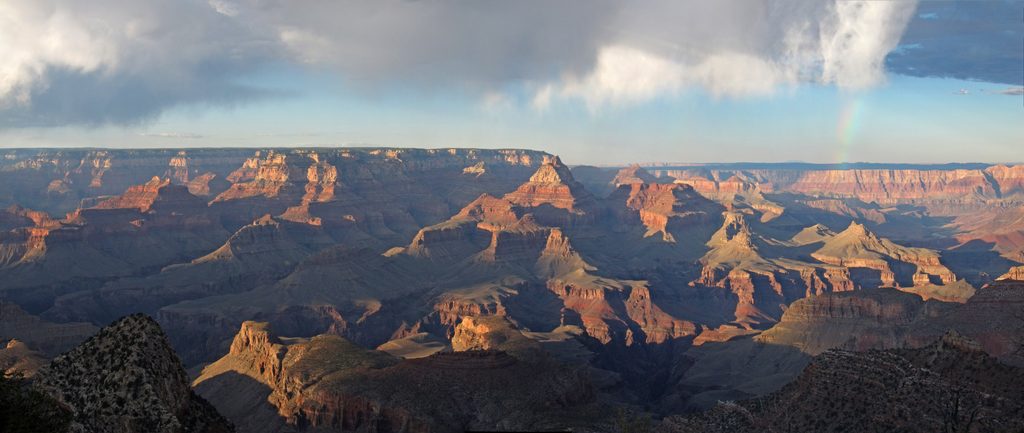
Place · 1.9 mi away
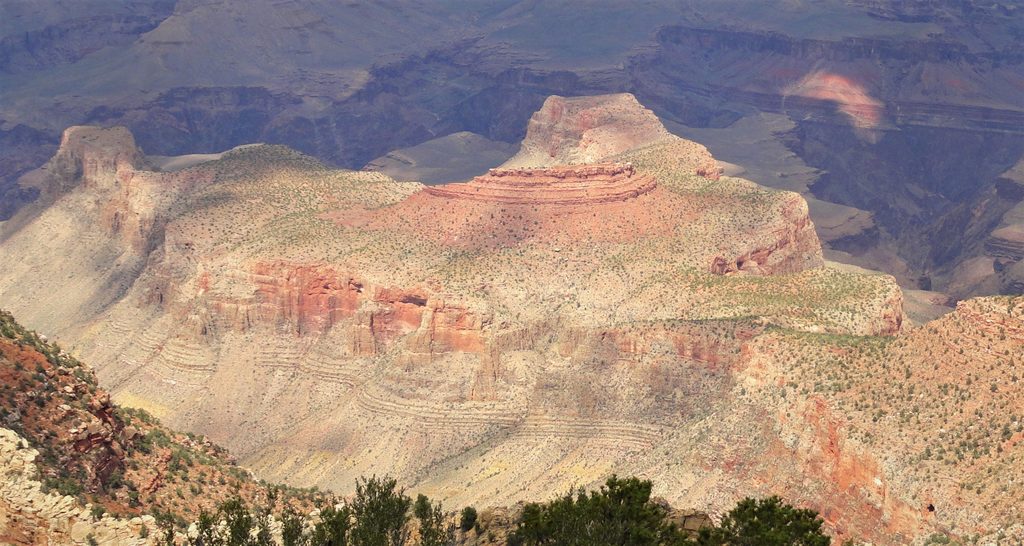
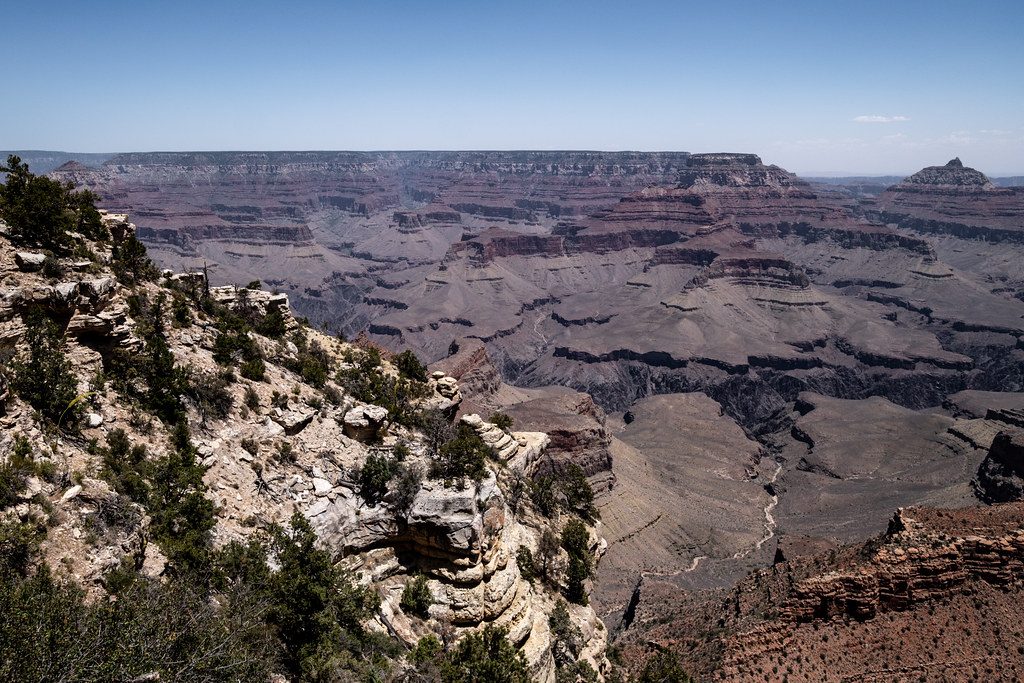
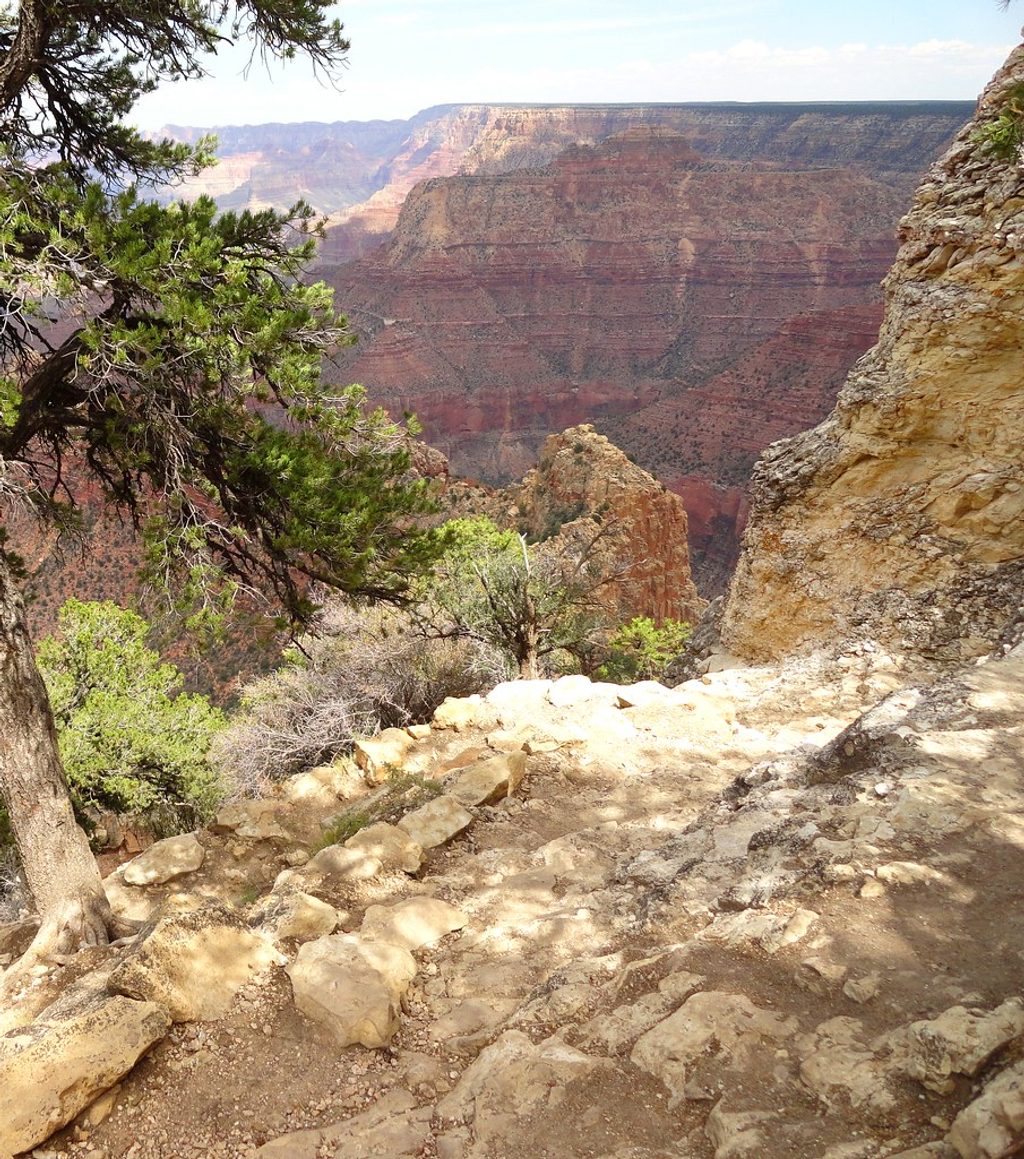
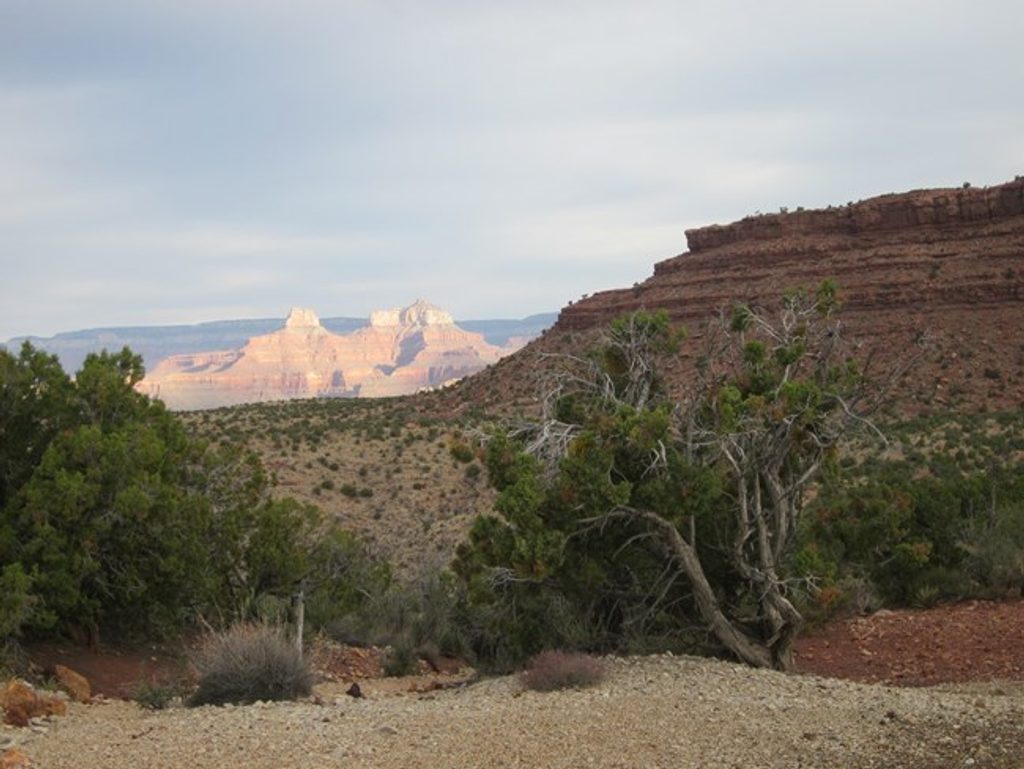
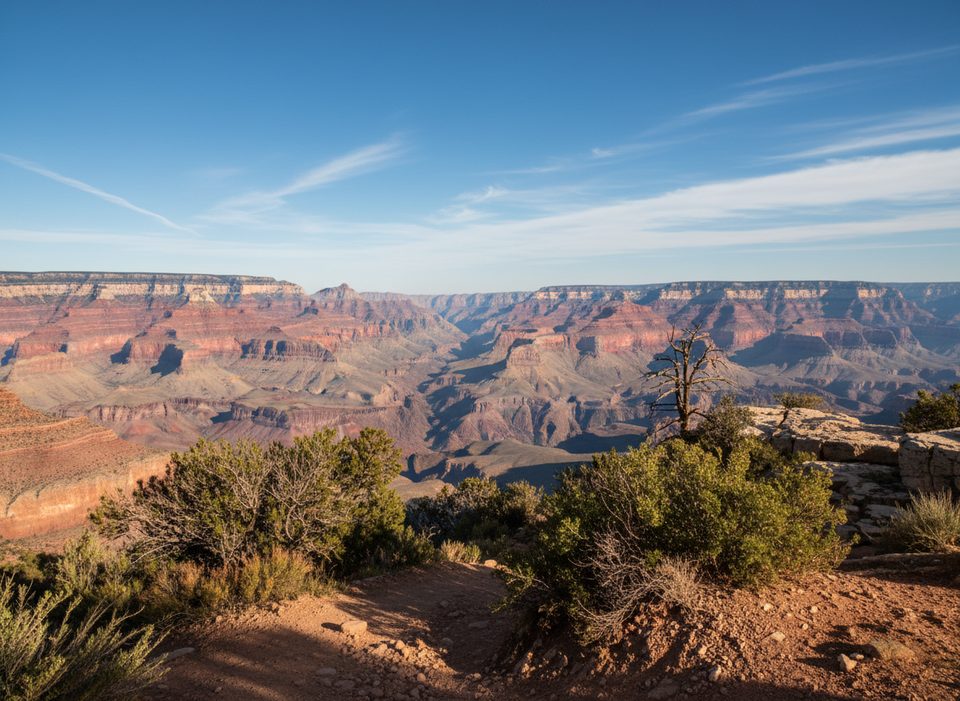
Horseshoe Mesa is a dramatic, flat-topped peninsula jutting deep into the canyon, reached by the historic Grandview Trail. It’s a rewarding, challenging outing: roughly 3 miles down with about 2,400 feet of elevation loss to the mesa. Expect old miner-built cobbles, cribbing, and a trail that feels as rugged as the landscape it crosses.
The Grandview Trail starts at Grandview Point and drops quickly—steep, cobbled, and exposed in places. It’s tougher on the way up than down, and loose sections can punish tired legs. Shade is limited, and heat bounces off the rock. This is not a corridor trail; come prepared and self‑sufficient.
There is no potable water at the trailhead or on the mesa. Springs below the mesa are unreliable and have been flagged as potentially unsafe; plan to carry what you need. Horseshoe Mesa has designated backcountry campsites (permit required), including group and individual sites east of the historic area. Treat all cultural artifacts as protected—look, don’t touch or take.
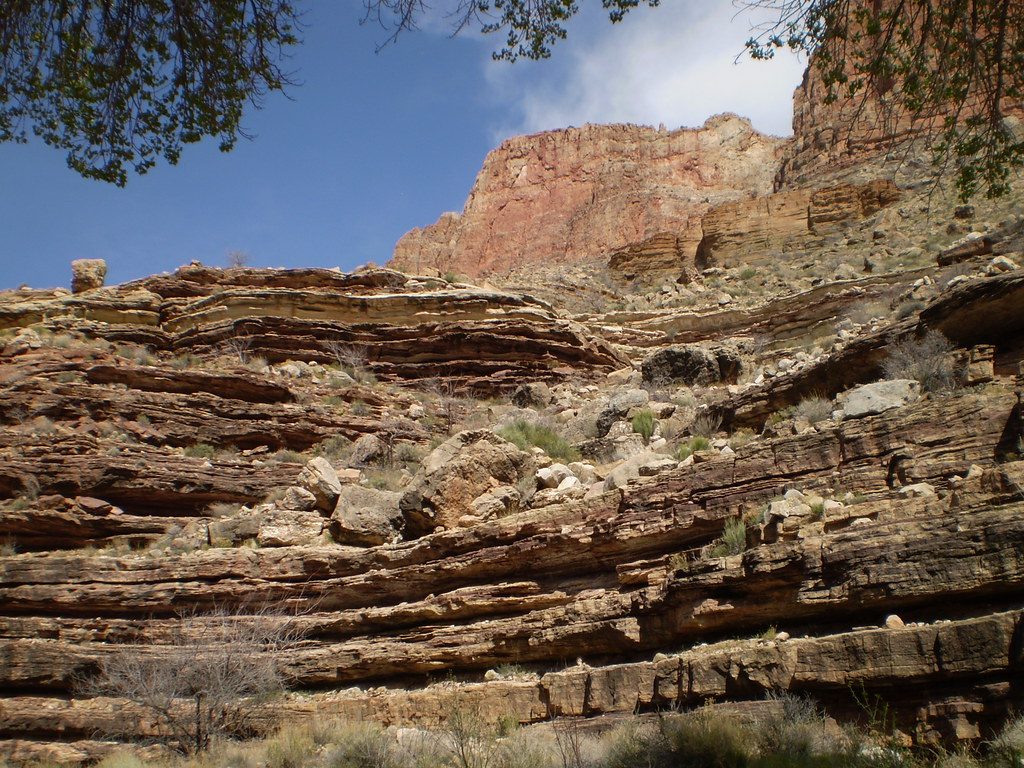
Miners built the Grandview Trail in 1893 to haul copper ore off the mesa, and their handiwork still shapes your hike. Stand on the Redwall Limestone platform and gaze into walls stacked with Supai Group, Muav Limestone, and Bright Angel Shale—textbook Grand Canyon geology exposed in full relief.
You might spot mule deer, bighorn sheep, lizards, ravens, and the occasional snake. Birding can be good around the mesa edges. As always, wildlife sightings vary by season and time of day.
This is a strenuous backcountry hike with exposure, heat, and no water. Poles help on the steep, cobbled sections. If you enter Cave of the Domes, bring at least one reliable headlamp (backup recommended) and expect dust.
Place · 1.9 mi away
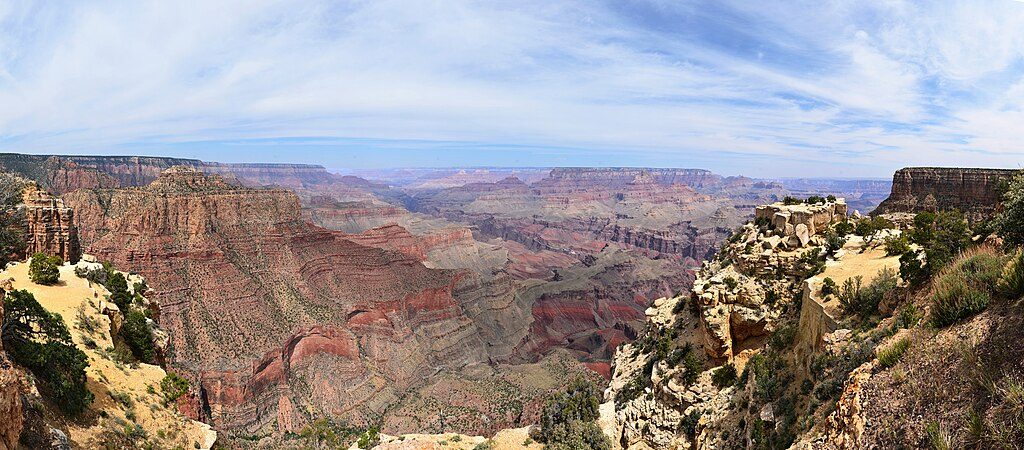
Place · 3.2 mi away
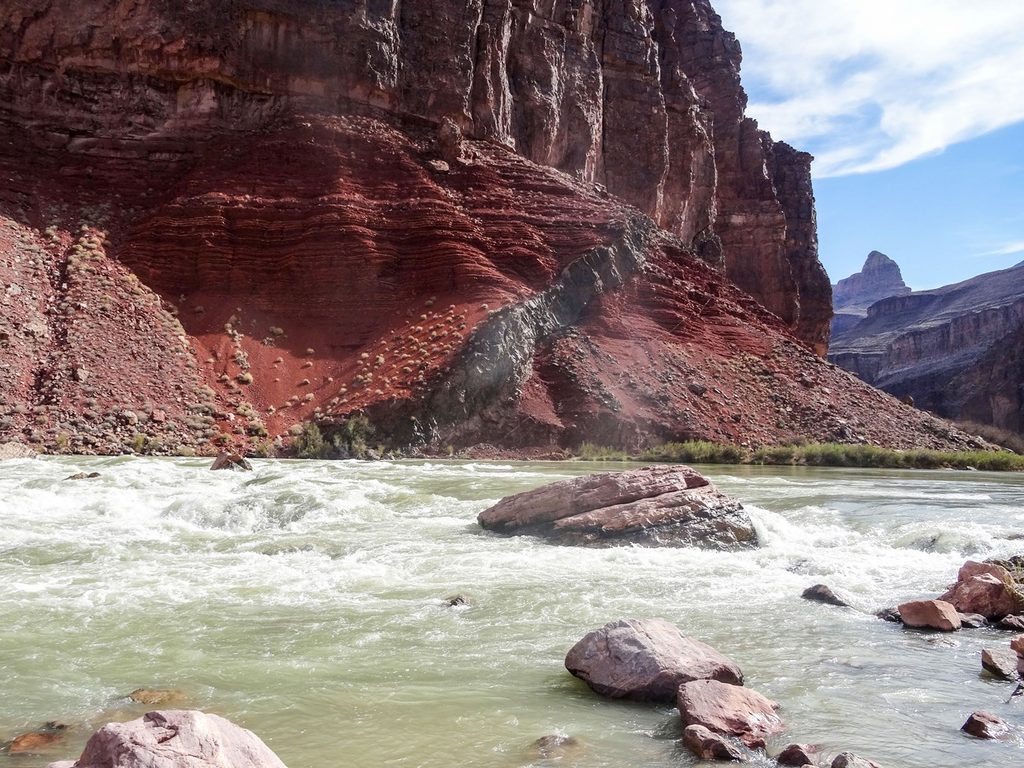
Place · 3.5 mi away
Place · 5 mi away
Challenging · 1.9 mi away
Challenging · 1.9 mi away
Challenging · 1.9 mi away
Challenging · 1.9 mi away

Parkwolf Tour Guide
