Parking
Start at the Grandview Point parking area off Desert View Drive, about 12 miles east of Grand Canyon Village. Use the upper lot for overnight parking.

Grand Canyon National Park, AZ
A steep, exposed descent to Hance Creek with a long climb back
Overview
Hance Creek Trail is a strenuous out-and-back from Grandview Point, across the south edge of Horseshoe Mesa and down its east side to Hance Creek. Published segment distances add to 4.9 miles each way, or 9.8 miles round trip, but the connected mapped tread I could verify is about 3.9 miles one way. That mismatch is real, so plan for the longer figure and confirm the exact Hance Creek turnaround before leaving the rim. This is not a first Grand Canyon hike. The shorter walk to Page Spring is 7.4 miles round trip and still demanding.
 Parkwolf’s verdictIs this the hike for you?
Map & elevation
Plan your hike

The highest, rockiest slopes around here are a summer buffet for grizzly bears.
Grand Canyon Tour Guide
Parkwolf is a GPS audio tour guide for Grand Canyon National Park. As you drive, it chimes in with what’s ahead: hidden gems, upcoming stops, history, geology, and wildlife, right through your car’s speakers.
See the Grand Canyon audio tourRecorded for this trailhead
Grandview Point and the Miners’ Trail“Grandview Point is ahead, with a broad panorama of layered cliffs and the Colorado River. I'd stop for the view and treat the trailhead beside it as a separate outing.”
Plays as you drive up to this trailhead in the Parkwolf Grand Canyon Tour Guide.
More stories near here in the app
“Fantastic app with many points of information… It’s great to just turn on while you’re driving and it gives you an audio tour of the national Park. We love it!!!!”


Trail guide
The trail drops quickly from Grandview Point on steep, eroded tread. Log crib steps and sloping ledges are built into the cliff, and a fall here can have catastrophic consequences, especially when the rock is wet or icy. In the Coconino section, the old cobbled tread is made from large sandstone slabs set on edge. At Coconino Saddle, where Coconino Sandstone meets Hermit Shale, the view opens east into the upper Hance Creek valley. Take a look back at the route: those tight switchbacks show just how much height you have lost.
Below the saddle, steep switchbacks descend through Hermit Shale to the gentler traverse toward Horseshoe Mesa. This is where the hike's historic mining story becomes visible. Grandview began as a miners' route to copper deposits; in 1893 mule trains started carrying ore to the rim along the rough track then called the Berry Trail. The turquoise-colored stones are copper ore, and the old mine remains and equipment are protected. Do not enter mine openings or take artifacts.
From the mesa, the east-side route toward Hance Creek is especially exposed. Loose footing and steep drops continue through the Redwall descent, and not every junction has a sign. Page Spring is a signed side trip; continue toward Hance Creek for the longer outing. The Coconino Saddle view is the best place to frame the trail with the valley below it, rather than photographing only the distant canyon.
There is no maintained drinking water on the trail, and springs below the mesa can be unreliable. The park lists Hance Creek as a year-round source, but treat all natural water. Page Spring has been flagged for high arsenic, so do not drink it untreated. Carry enough water for the rim-to-mesa stretch and check current water conditions before starting.
Start at the Grandview Point parking area off Desert View Drive, about 12 miles east of Grand Canyon Village; use the upper lot for overnight parking. The route drops roughly 3,700 feet from the rim to Hance Creek, then makes you climb that height back up the same steep trail. Allow about 10 to 12 hours for the full Hance Creek trip. Winter and early-spring ice can make the upper ledges dangerously slick. Pets are not allowed below the rim; a backcountry permit is required for overnight camping, not for this day hike.
Wildlife
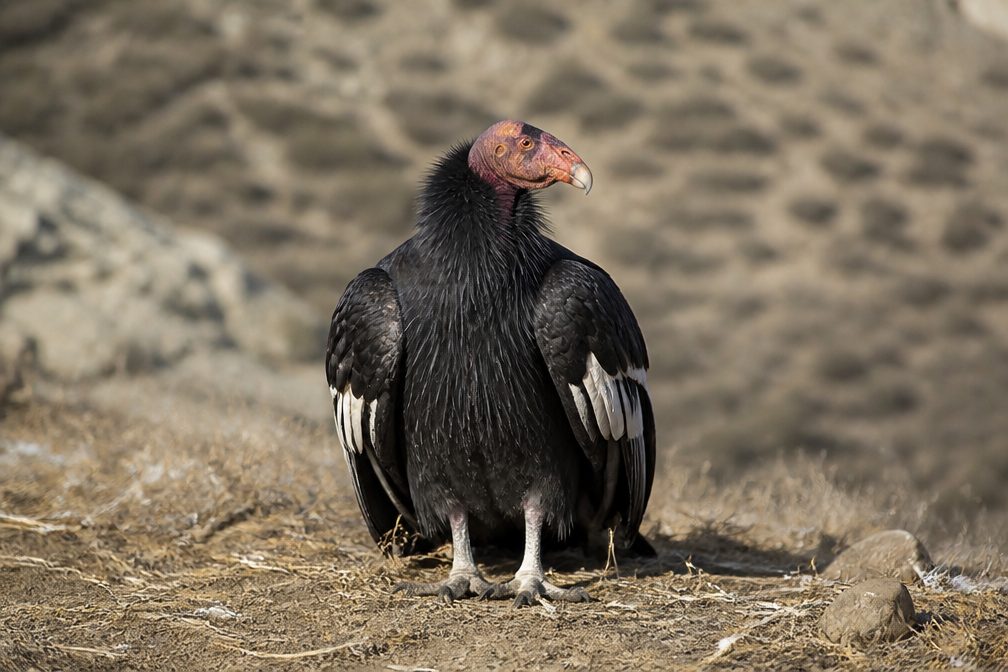 718 sightingsCalifornia CondorMost seen around 5 PMSighting map
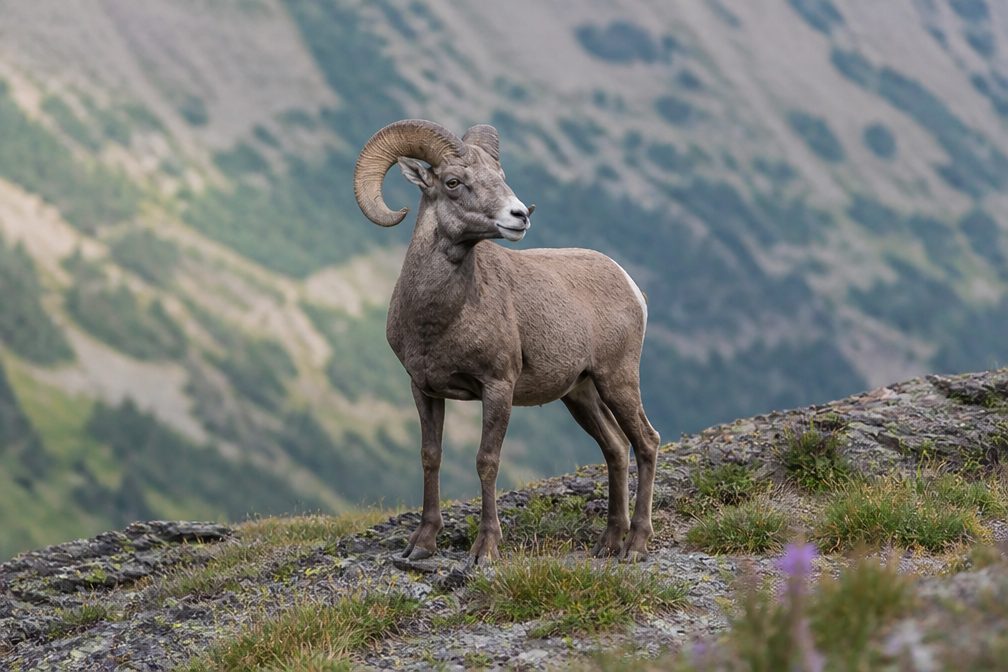 533 sightingsBighorn SheepMost seen around 7 AMSighting map
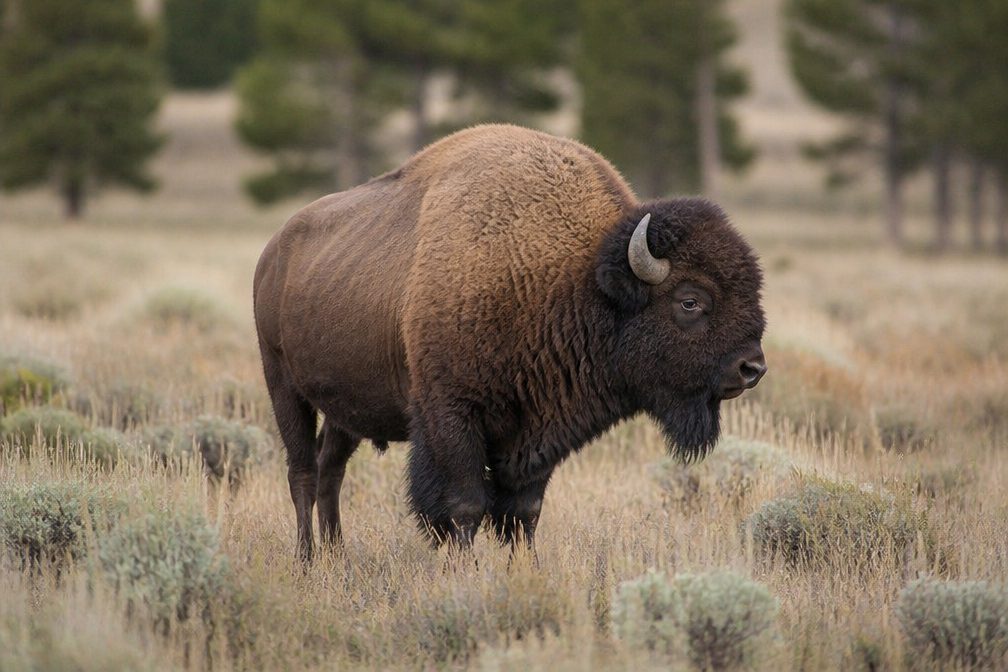 169 sightingsAmerican BisonMost seen around 7 PMSighting map
 1,891 sightingsElkMost seen around 6 AMSighting map
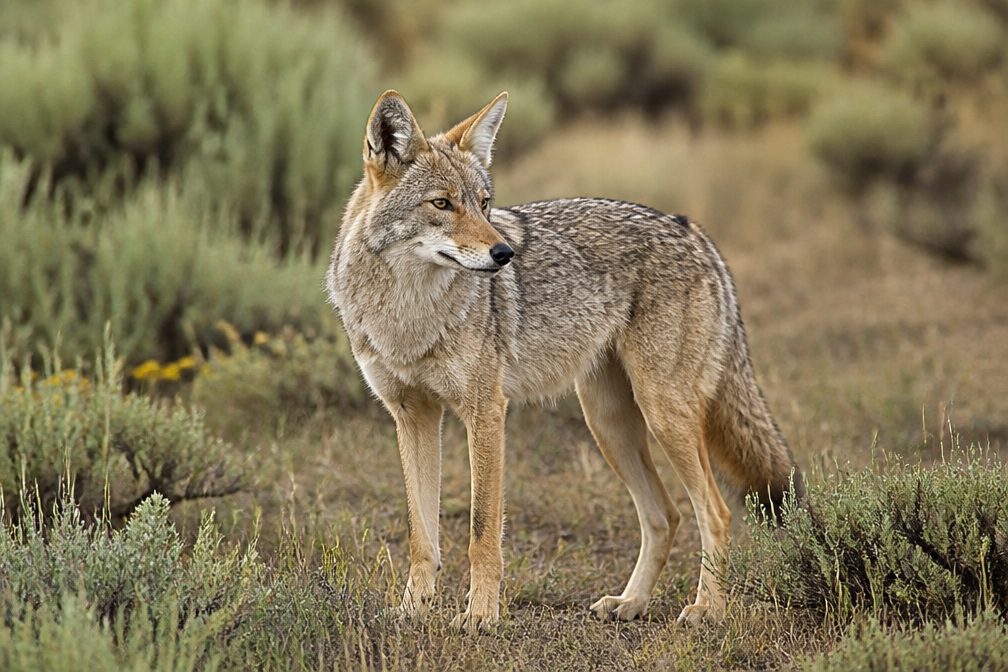 59 sightingsCoyoteMost seen around 6 PMSighting map
 27 sightingsGray FoxMost seen around 6 AMSighting map
Sighting maps show where each species has been reported across Grand Canyon. Wildlife moves, so no sighting is guaranteed.
Keep exploring
ChallengingCottonwood Creek Trail from Grandview Point9 mi · 11 hr · At the trailheadThe historic route drops from the rim to an inner canyon creek. ChallengingGrandview Trail to Horseshoe Mesa6 mi · 7.5 hr · At the trailheadA steep 1893 mining route reaches a mesa deep below the rim.
 ChallengingHorseshoe Mesa Loop12.4 mi · 10 hr · At the trailheadA rugged rim-to-mesa circuit with mining history and exposed ledges.
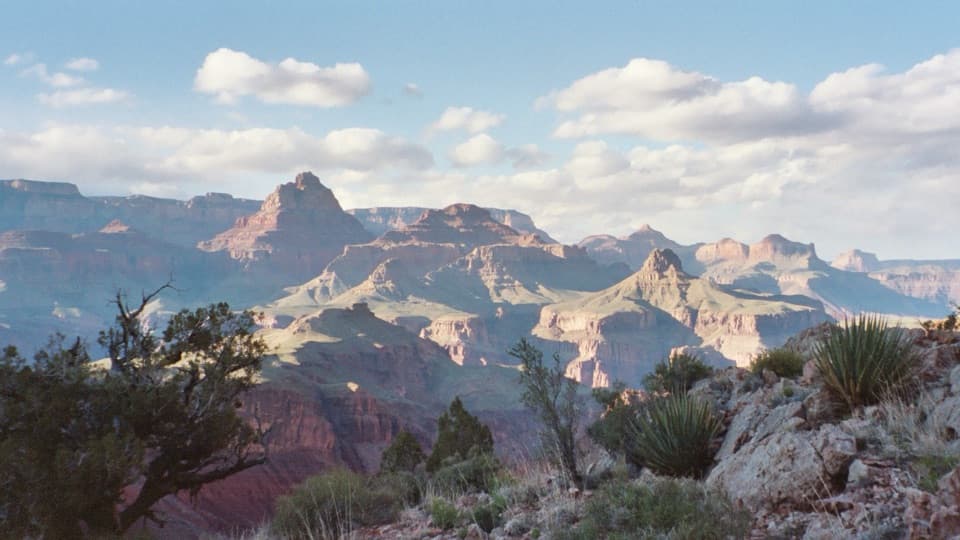 ChallengingNew Hance Trail6.5 mi · 8 hr · 3 mi awayA steep, rough descent through Red Canyon to Hance Rapids.
 ChallengingTonto Trail95 mi · 3.7 days · 4.9 mi awayA 95-mile traverse along the canyon’s dry middle bench.
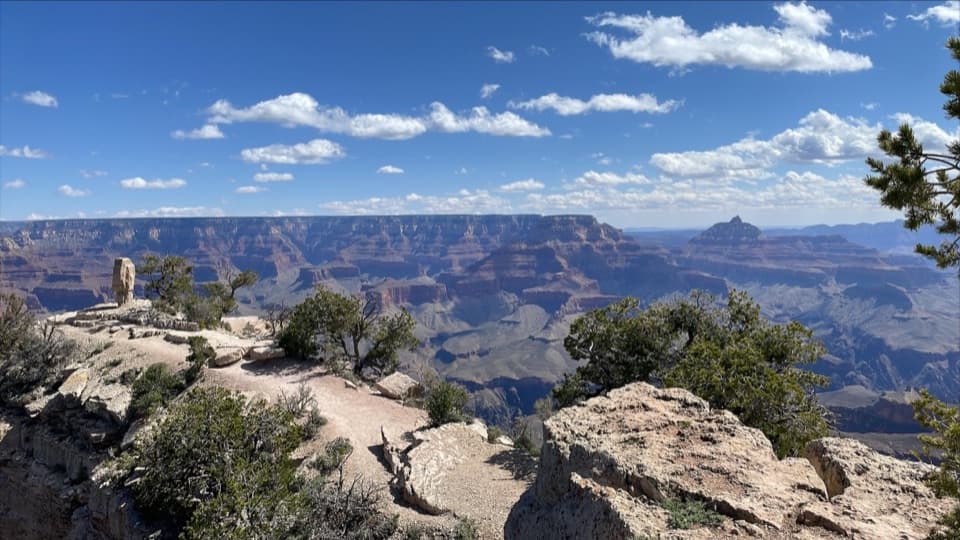 EasyShoshone Point Trail2 mi · 1.5 hr · 5.2 mi awayPines open to a rugged rim point with a North Rim view.
 ModerateClear Creek (from the Colorado River)1.4 mi · 2 hr · 6.4 mi awayA river beach, schist scramble and a waterfall that throws water sideways.
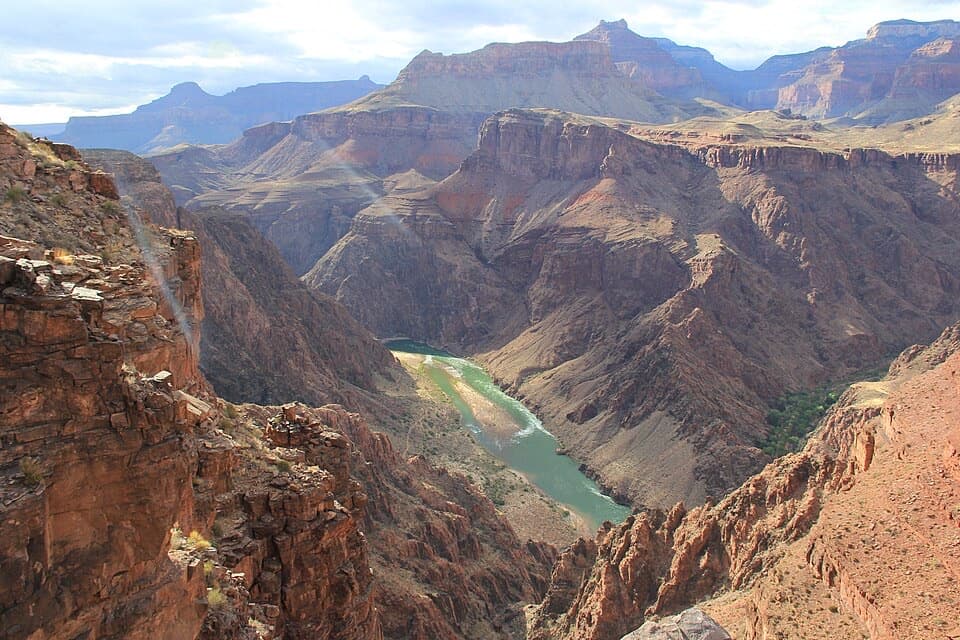 ChallengingSouth Kaibab Trail6.3 mi · 5 hr · 6.6 mi awayA steep ridge descent with a first river view at Skeleton Point.
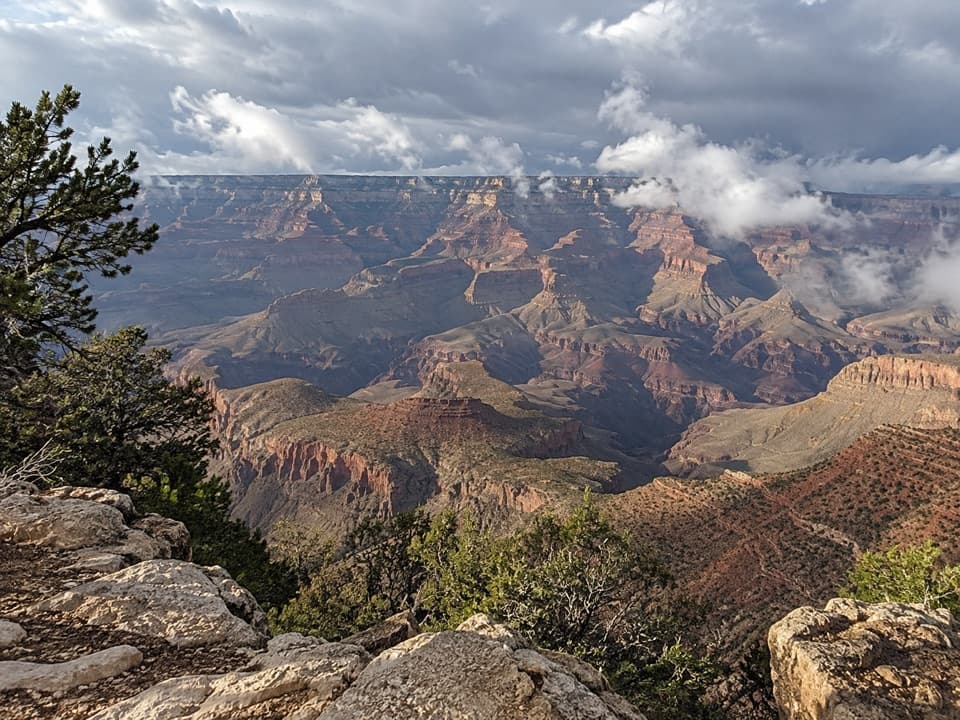 Sight · At the trailheadGrandview PointA broad river view above a steep trail into canyon history.
 Picnic area · 2.2 mi awayBuggeln Picnic AreaA shaded lunch break with a ranching past.
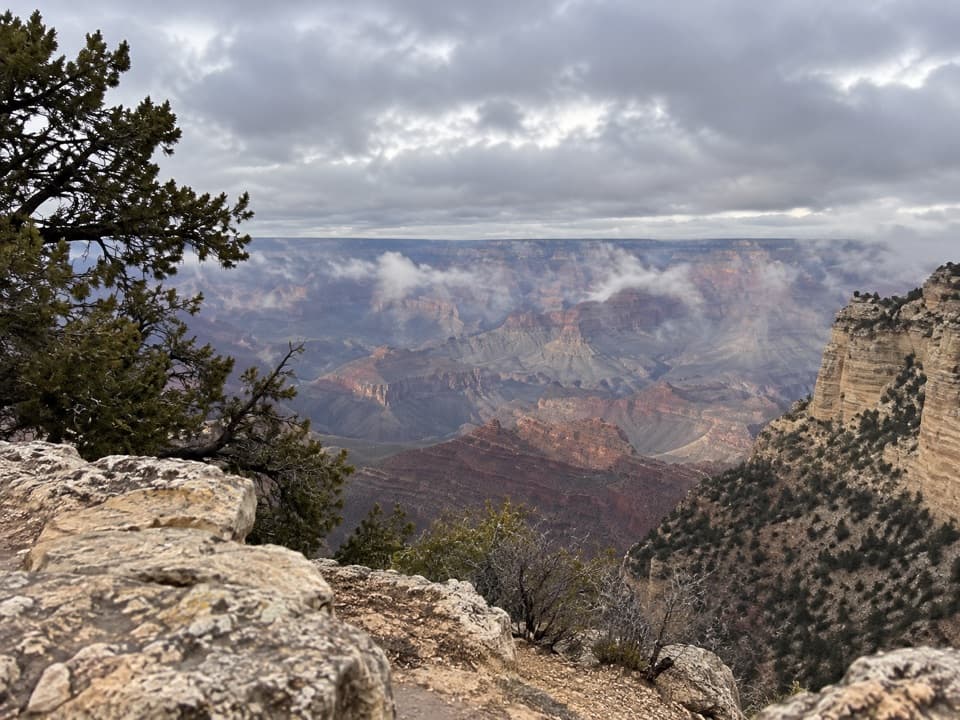 Scenic pullout · 2.2 mi awayThor’s OverlookA quick canyon break along Desert View Drive.
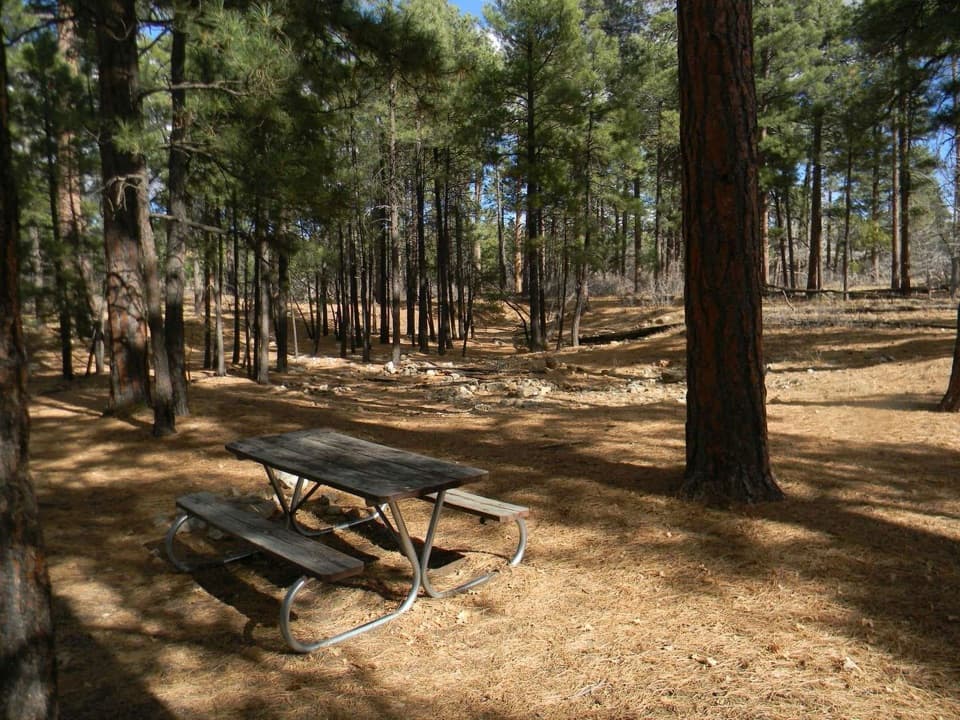 Picnic area · 2.7 mi awayLong Jim Road Picnic AreaPine-shaded picnic tables just off Desert View Drive.
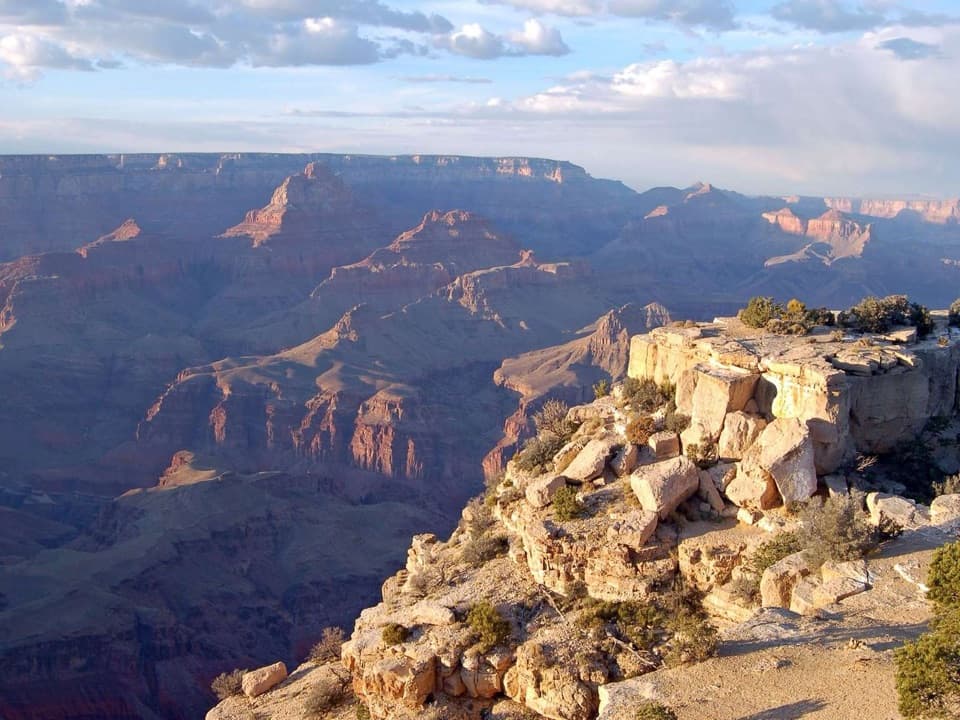 Sight · 3.6 mi awayMoran PointRead the canyon's tilted rock layers with the Colorado River below.
 Scenic pullout · 3.7 mi awayTwin OverlooksTwo quick pullouts for a big canyon view from the road.
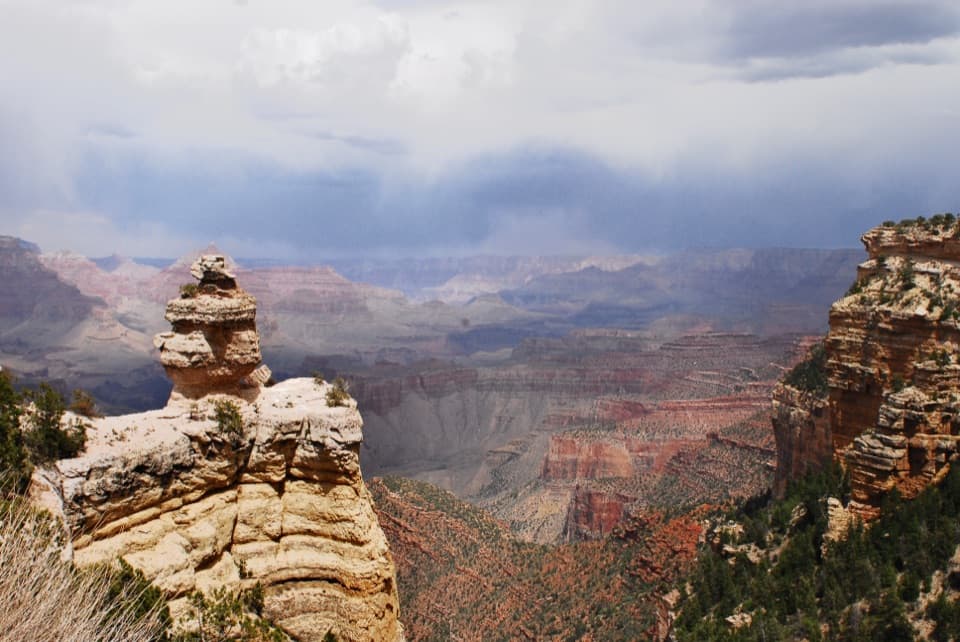 Scenic pullout · 4.5 mi awayDuck on a RockA named rock profile makes this quick canyon pullout memorable.Sight · 5.2 mi awayShoshone PointA two-mile forest walk leads to a quieter canyon-rim view.
Parkwolf’s Grand Canyon ranking
The audio tour guide for the drive, plus offline maps, trails, and wildlife heatmaps for when the signal drops.


