
Place · 7.2 mi away
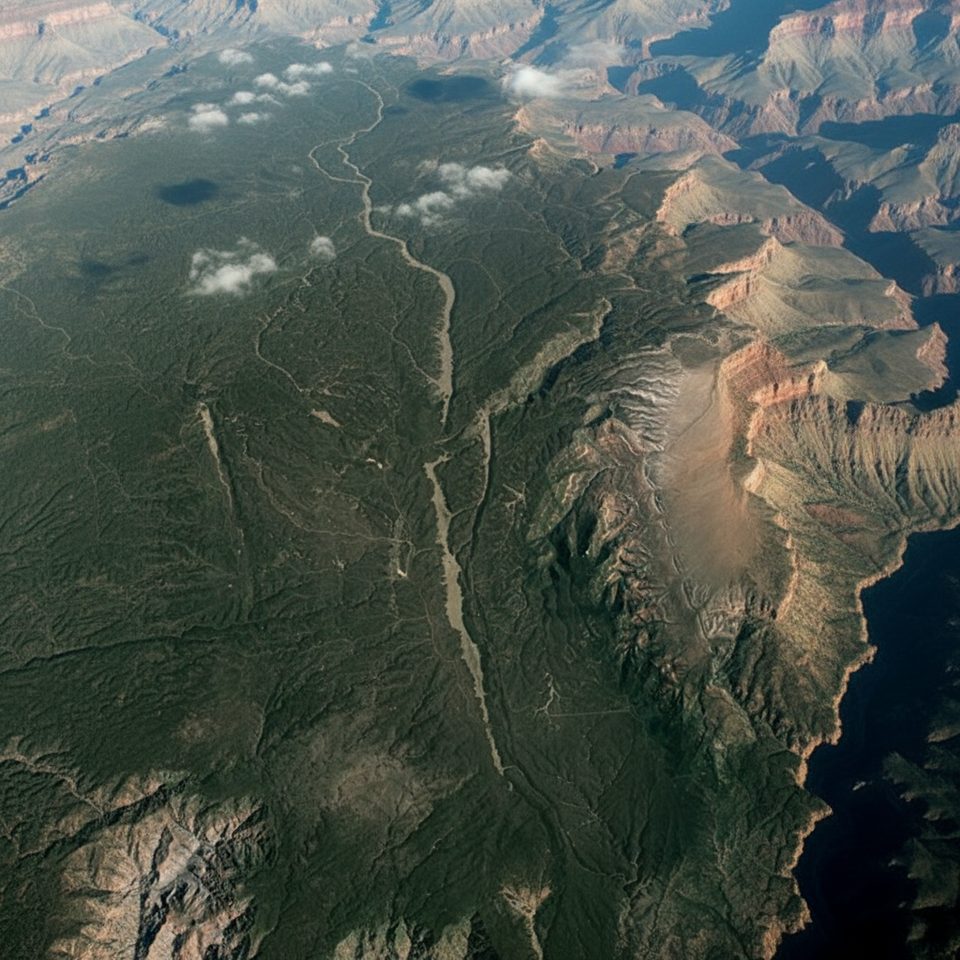
Tipover Canyon is a remote North Rim ravine at roughly 8,800–9,000 feet, defined more by quiet forest and wilderness feel than big, rim-top views. If you’re craving silence, cool air, and a wilder slice of the park, this is your niche.
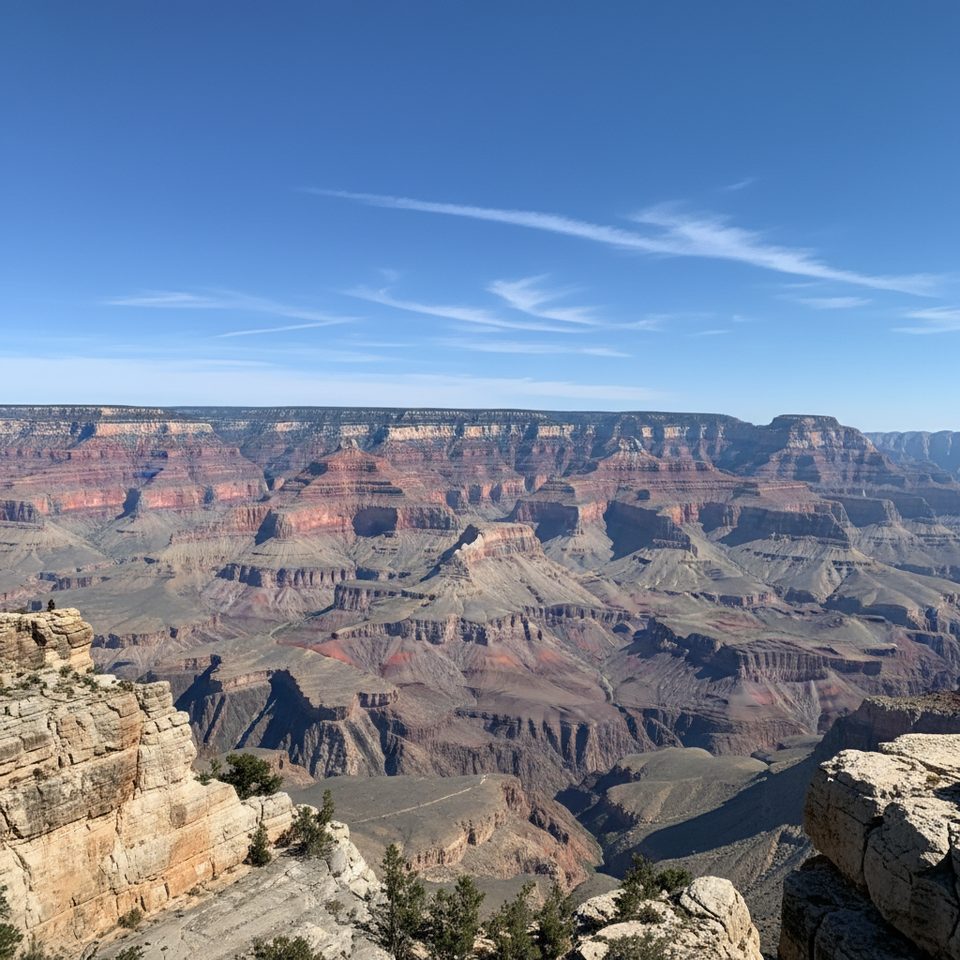
Expect mixed conifer forest, small meadows, and seasonal drainages. Scenery is intimate rather than dramatic—occasional peeks into side canyons, filtered light through the trees, and the kind of stillness that’s rare near the main viewpoints.
High-elevation forest means different company than the inner canyon: mule deer and elk are possible, along with squirrels and forest birds like woodpeckers and jays. Black bears may roam this habitat—treat food and scented items with care and follow best practices for storage.
This is true backcountry: no developed trails, no restrooms, no water taps, and no nearby services. Roads can be rough and may require high-clearance or 4WD, especially after rain or snow. Navigation is on you—carry maps/GPS and don’t count on cell service. If you plan to camp, you’ll need a backcountry permit and should follow Leave No Trace.
Weather flips fast at this elevation. Expect cool temperatures even in summer and be ready for sudden storms. After wet weather or snow, access can deteriorate quickly. Bring sufficient water, layers, rain gear, and an emergency kit.
For casual parkgoers chasing classic vistas, no—there are easier wins elsewhere. For experienced, self-sufficient hikers who value solitude and a North Rim forest vibe, Tipover Canyon is a rewarding, off-the-radar pocket of wilderness.
Place · 7.2 mi away
Place · 7.6 mi away
Place · 10.2 mi away
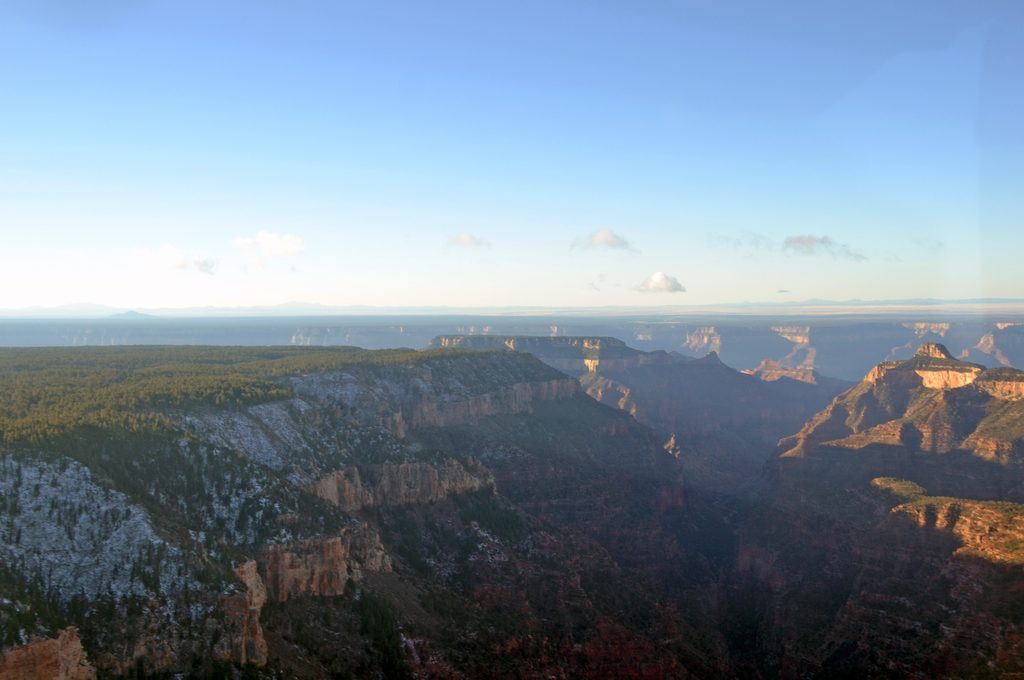
Place · 10.5 mi away
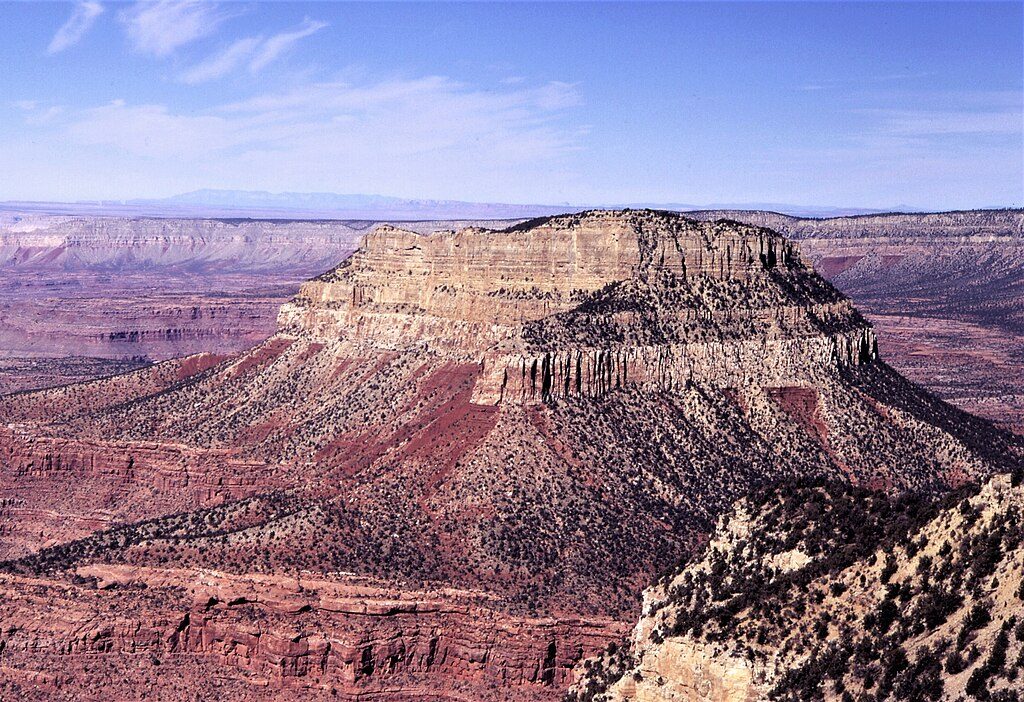
Challenging · 6.9 mi away
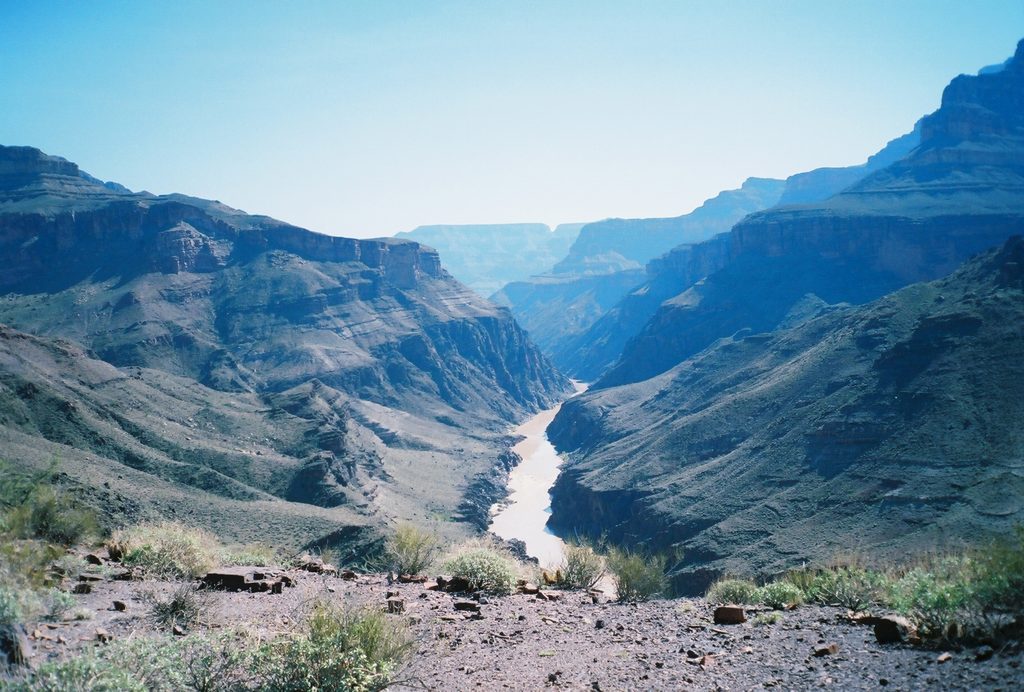
Challenging · 7.2 mi away
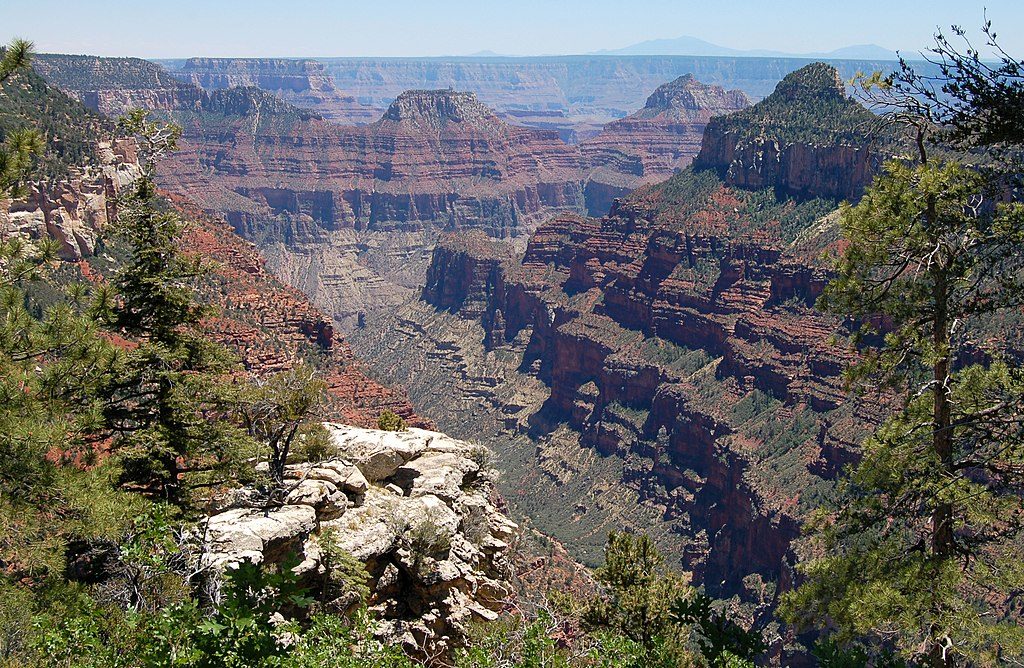
Moderate · 12.2 mi away
Moderate · 12.2 mi away

Parkwolf Tour Guide
