Place · 2.3 mi away

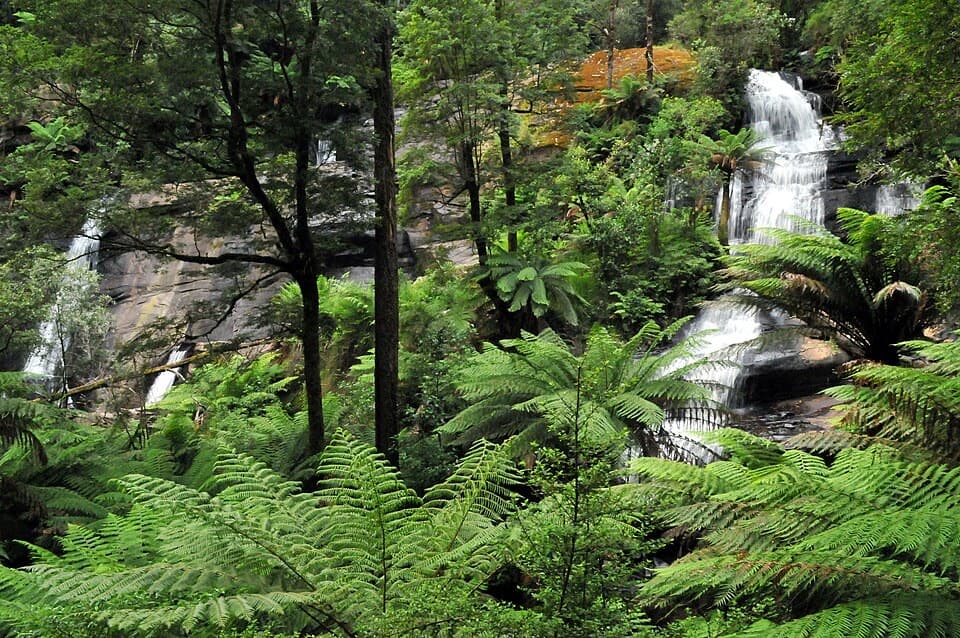
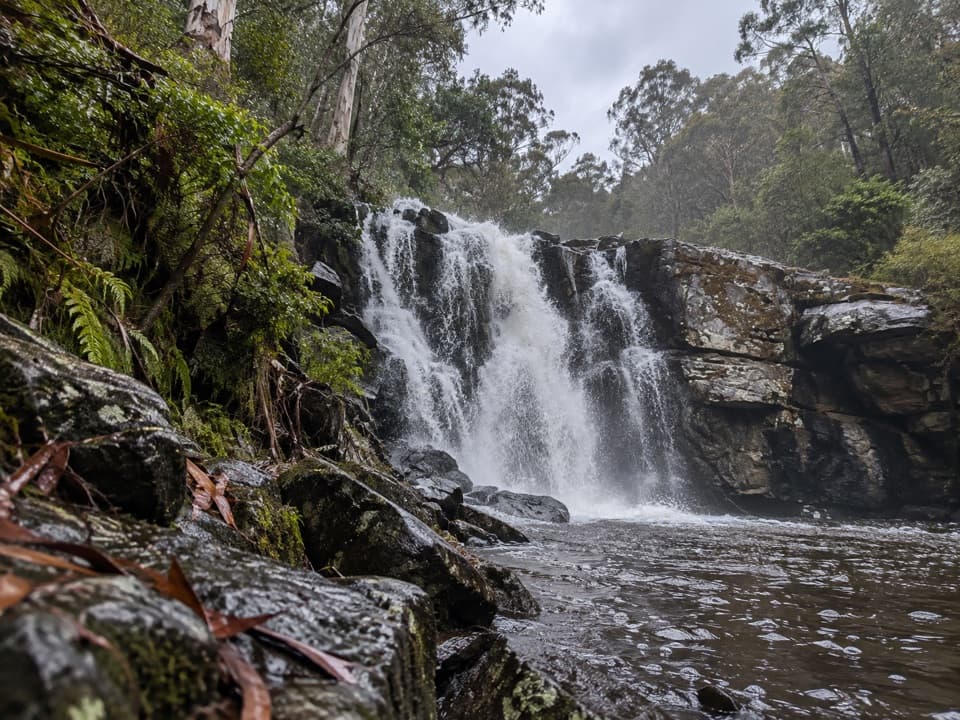
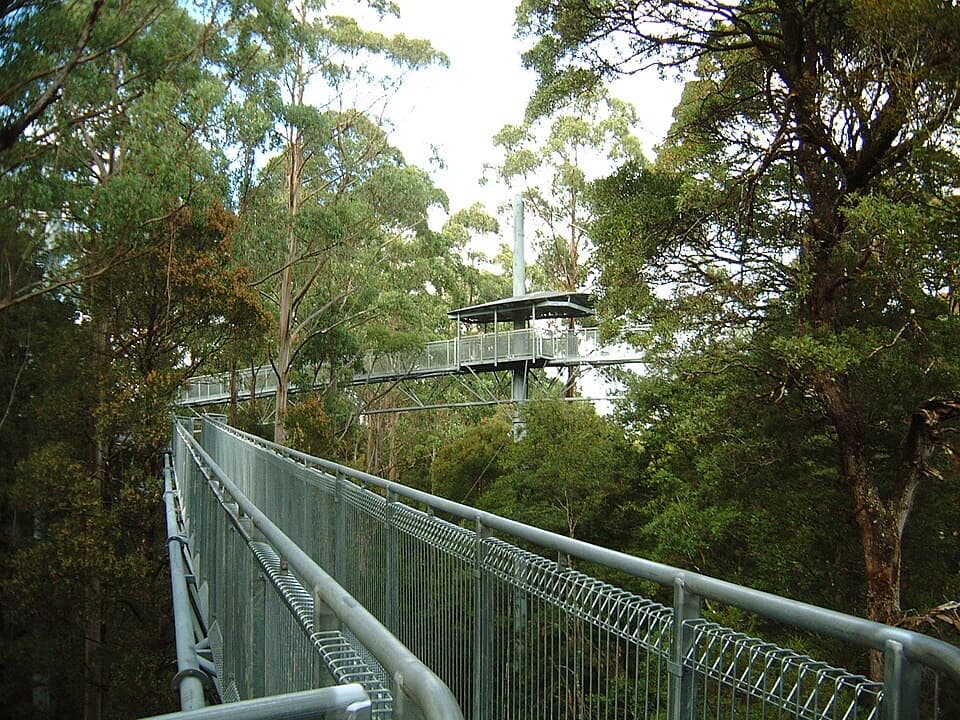
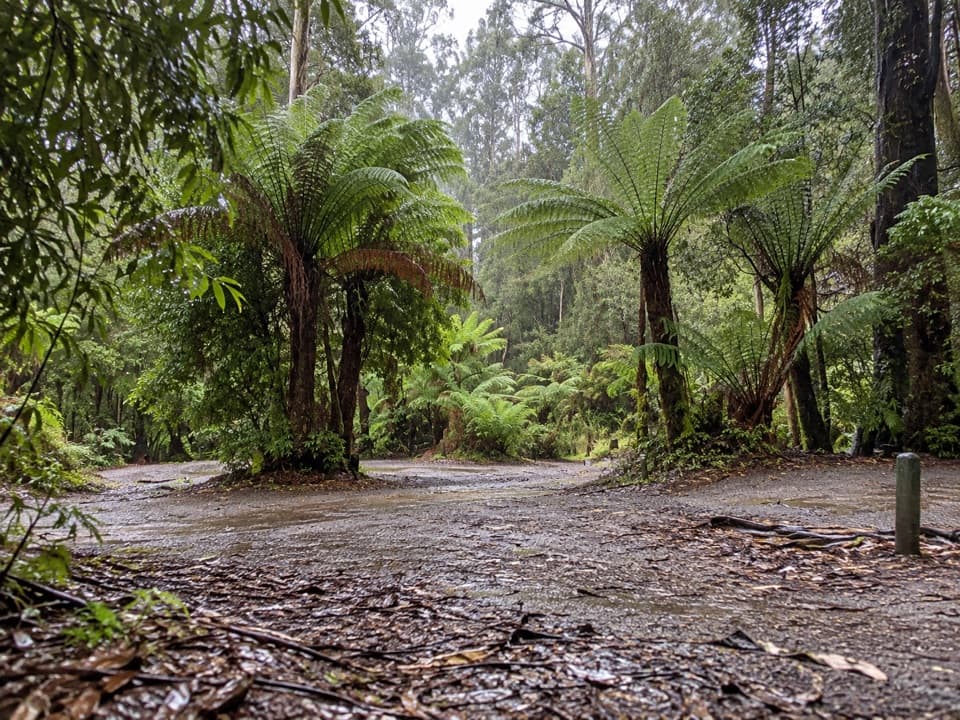
Tucked deep in the Otways’ cool‑temperate rainforest, Aire Crossing Campground is a tiny, quiet bush camp right beside the Aire River. With just five non‑bookable sites, it feels remote and serene when uncrowded. Expect towering mountain ash and blackwood, ferny gullies, and regular wildlife sightings—from koalas by day to birdsong and frog chorus after dark.
No fires at any time. No generators, dogs, horses, motorbikes/trailbikes, or drones without a permit. Speed limits apply. Camping is not permitted in the car park or along the river.
Reach the campground from the Great Ocean Road via Aire Settlement Road, then a narrow forest track. Parks Victoria recommends 4WD; careful 2WD access is sometimes possible in dry conditions, but the track becomes rough, steep, and slippery when wet. There’s little to no mobile reception, so plan offline maps and an emergency plan.
Expect uneven and slippery tracks, slick river rocks, and changing water levels with strong currents or flash flooding after rain. Snakes are active in warmer months, and tree limbs can fall in wind or after heavy rain—choose your site with care.
Koalas and diverse birdlife are commonly spotted around camp. Echidnas and long‑nosed bandicoots leave fresh diggings on nearby tracks, creating trip hazards at dawn/dusk—carry a torch. Glow‑worms have been reported along the short path to the river crossing after dark; keep lights low and tread carefully.
The campground may close on Extreme fire danger forecasts and will close on Catastrophic days. Conditions in the Otways change quickly after heavy weather. Nearby Aire River campgrounds (not Aire Crossing) have rolling wet‑weather closures; as of November 27, 2025, Aire East is closed and Aire West is partially closed through December 8, 2025—don’t rely on them as overflow.
Midweek or outside holiday periods for the quiet vibe this spot is known for. Arrive before mid‑afternoon to secure a site. Access is easier in dry weather; after rain, expect slick tracks but beautiful mist among the treetops. Dawn and dusk are best for wildlife; after dark, look quietly for glow‑worms near the crossing.