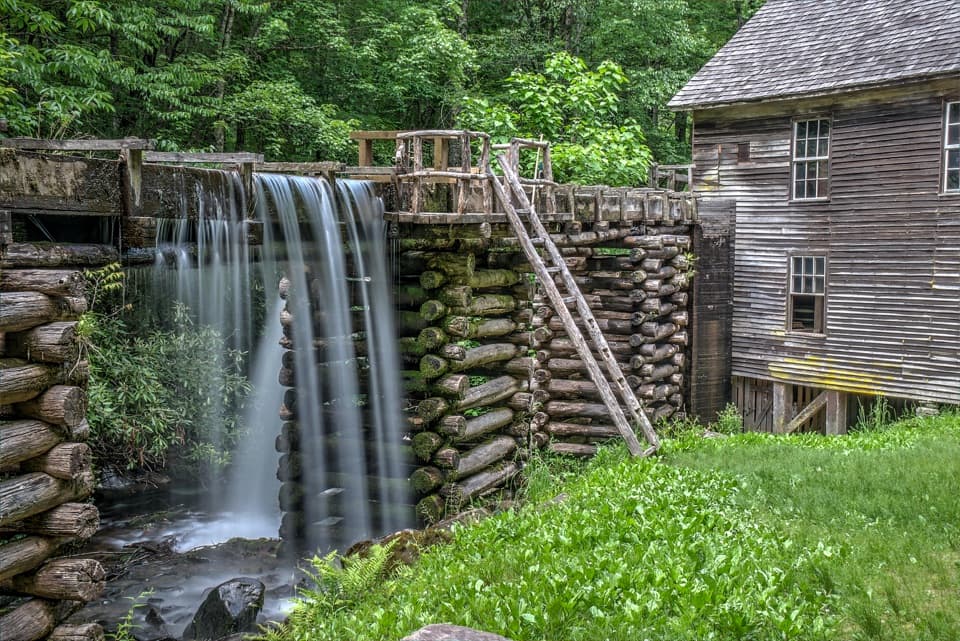
Tipton Place

Historic homestead with a striking cantilever barn and wildlife nearby
Tipton Place, Great Smoky Mountains National Park
InsideGreat Smoky Mountains National Park

Overview

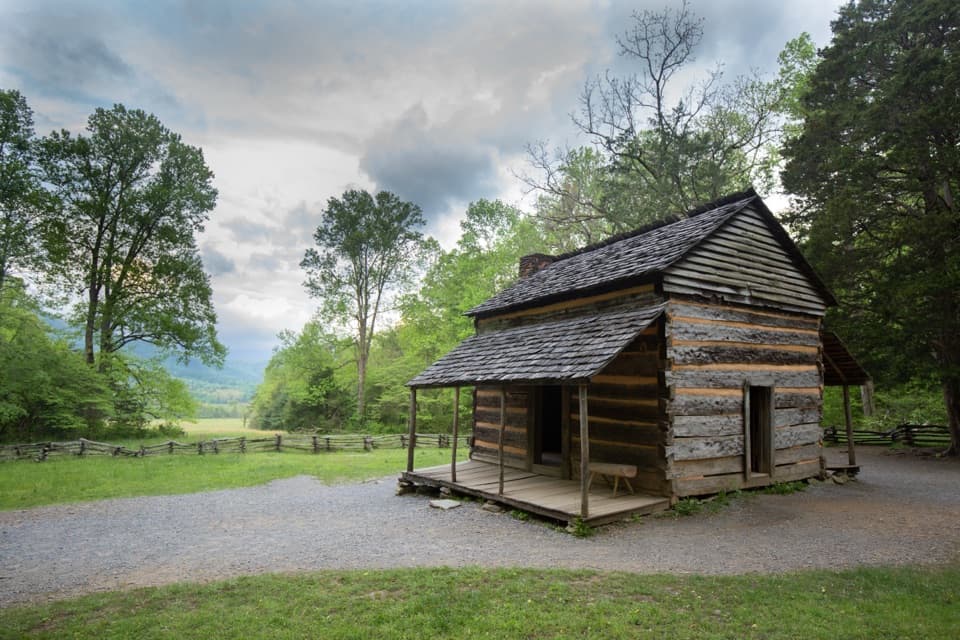
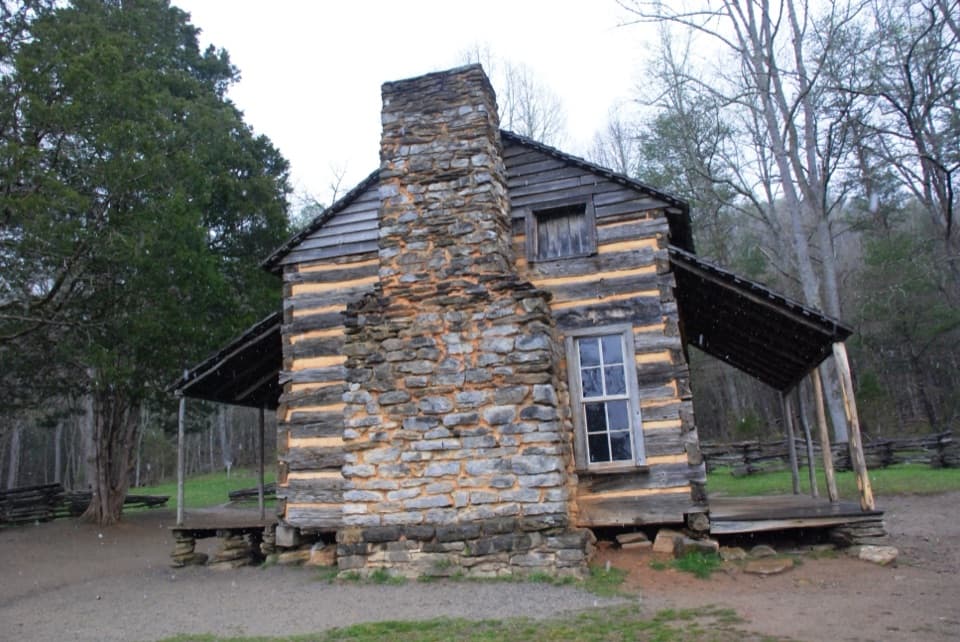
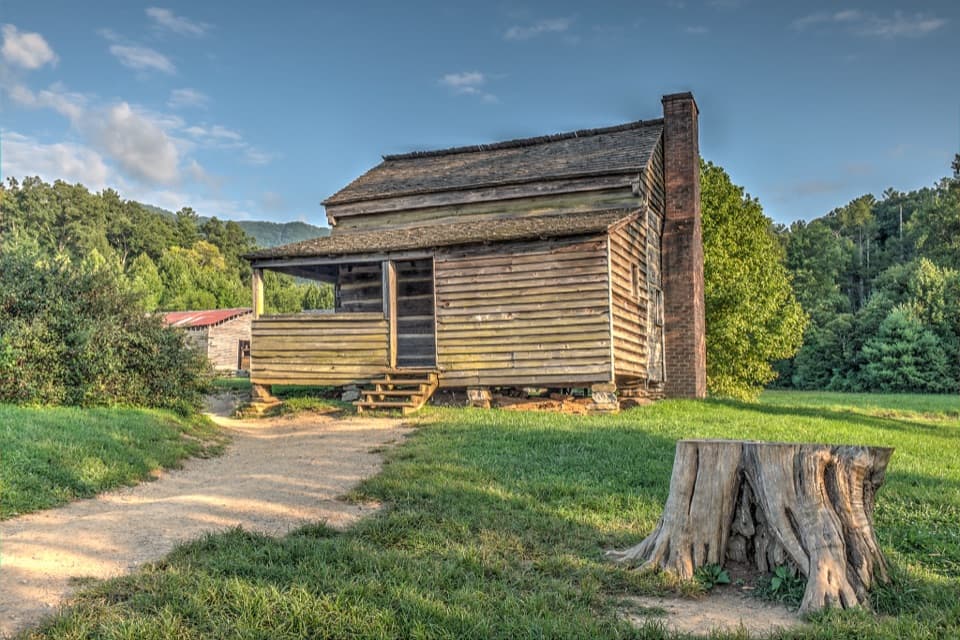
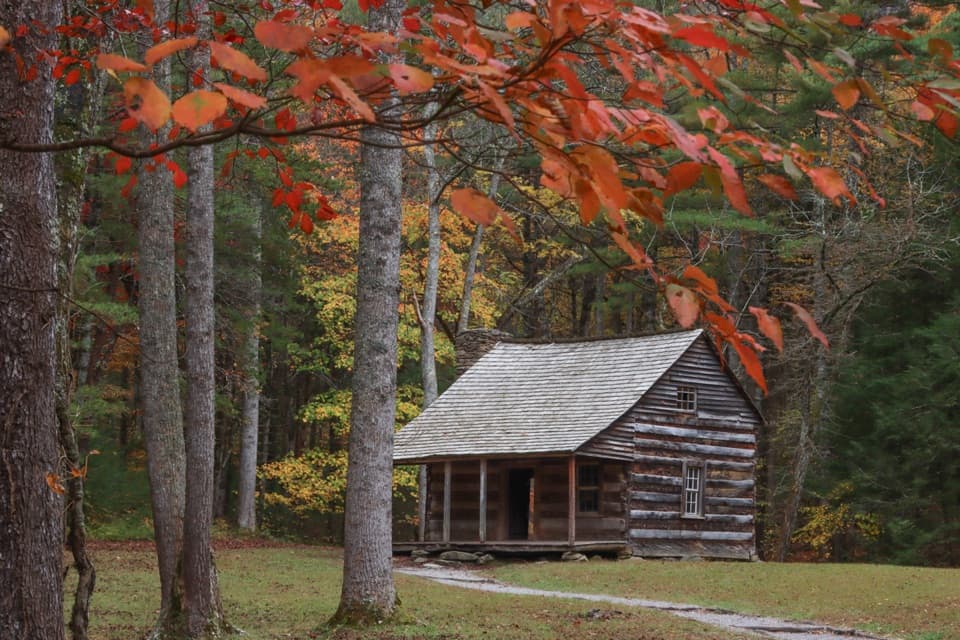
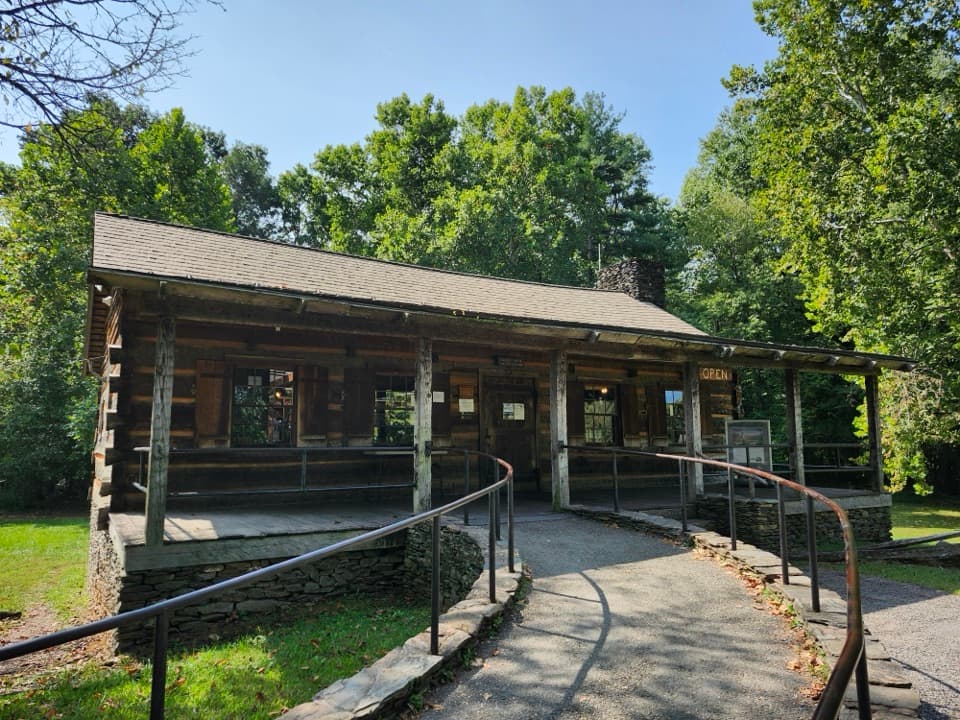
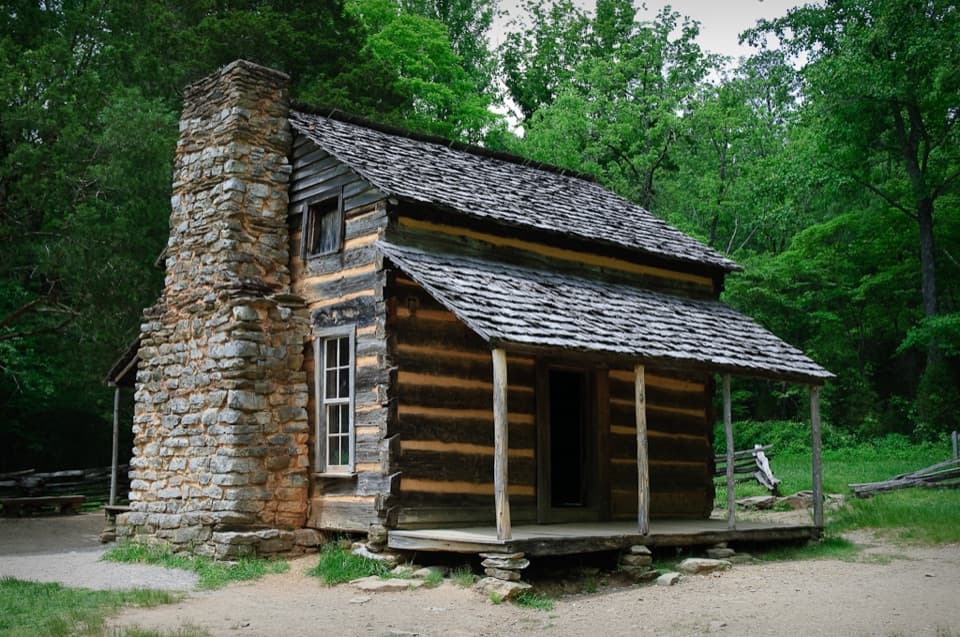
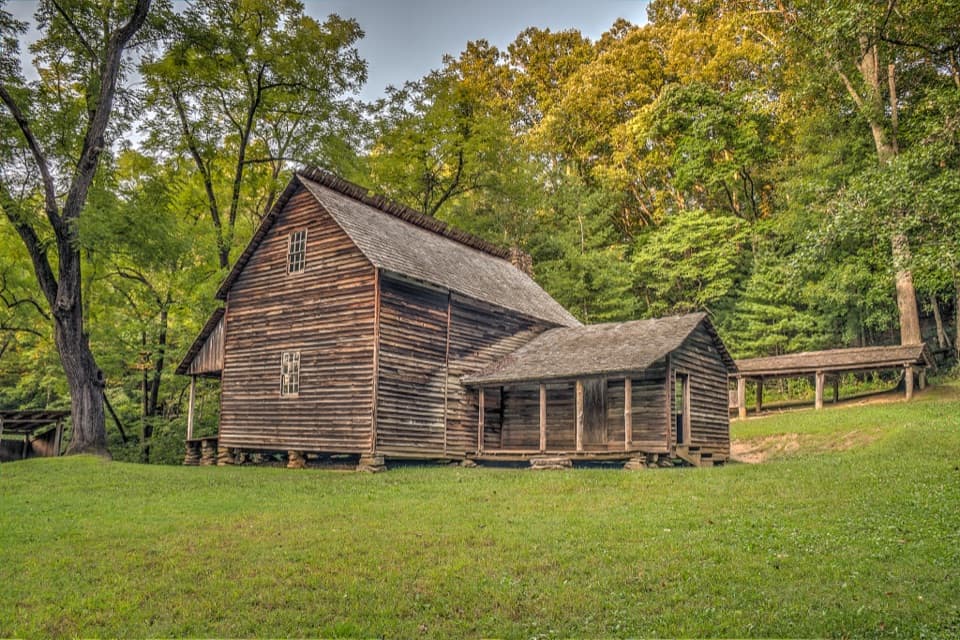
Tipton Place is one of Cades Cove’s standout homesteads—a quick pull‑off where you can step straight into 19th‑century mountain life. The star is a handsome two‑story cabin from the early 1870s built by Col. Hamp Tipton, set among open fields that are great for wildlife spotting. It’s also known as the Tipton‑Oliver homestead.

What You’ll See

  • The 1870s two‑story cabin that anchors the property.
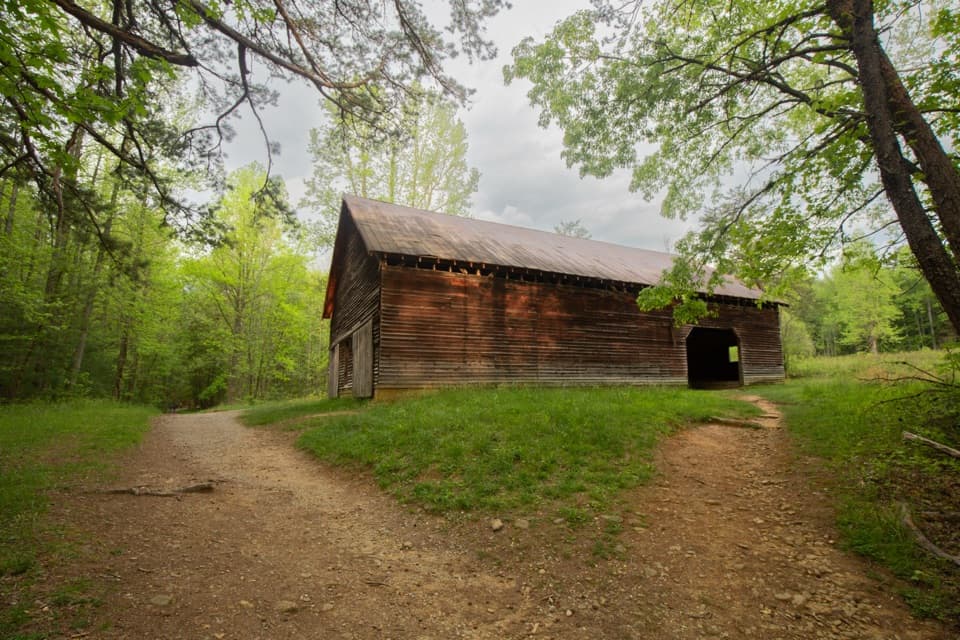
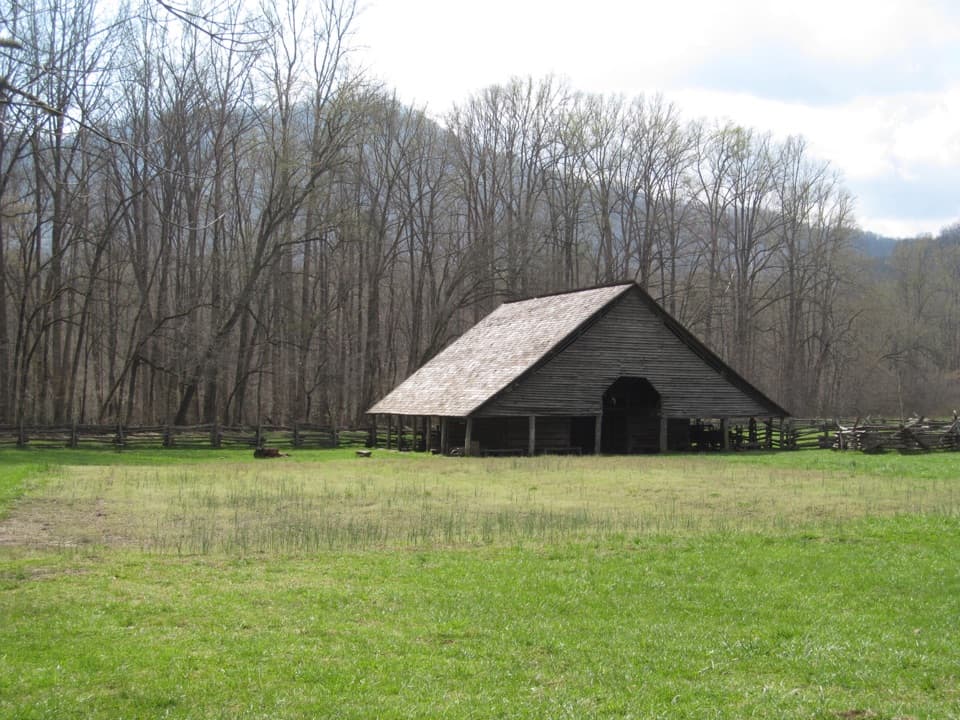
  • A distinctive cantilever barn—reconstructed in 1968 in the classic local style—plus a double‑pen corn crib, old‑fashioned bee gums, and a blacksmith shop. That sweeping barn overhang isn’t just for looks; it sheltered wagons, gear, and animals while keeping the central drive‑through workable in all weather.

A Little History

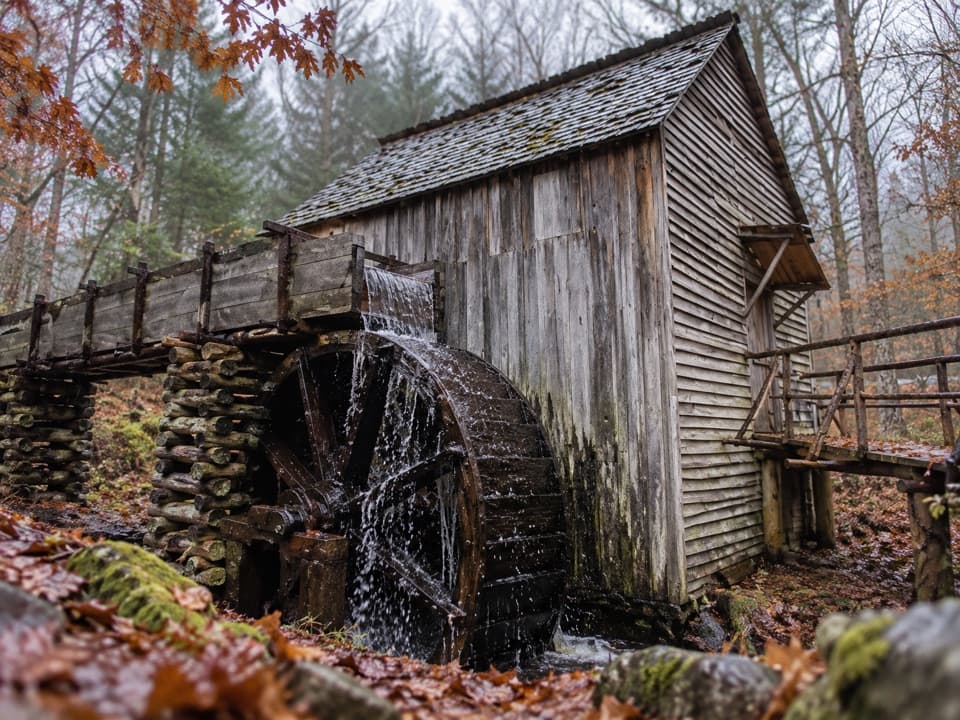
William “Fighting Billy” Tipton, a Revolutionary War veteran, acquired the land here via Tennessee Land Grant in the 1820s. His relative, Col. Hamp Tipton (a Civil War veteran), later built the cabin that still stands. The property reflects the self‑sufficiency of Cove families, and the barn highlights a regional design—Sevier and Blount counties boast one of the world’s highest concentrations of cantilever barns.

Wildlife

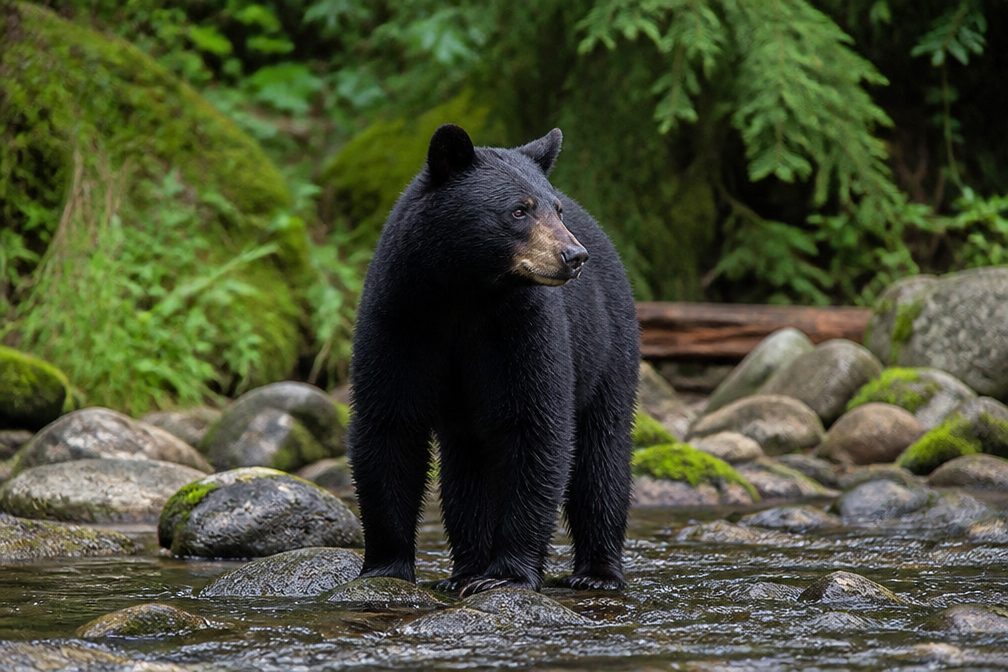
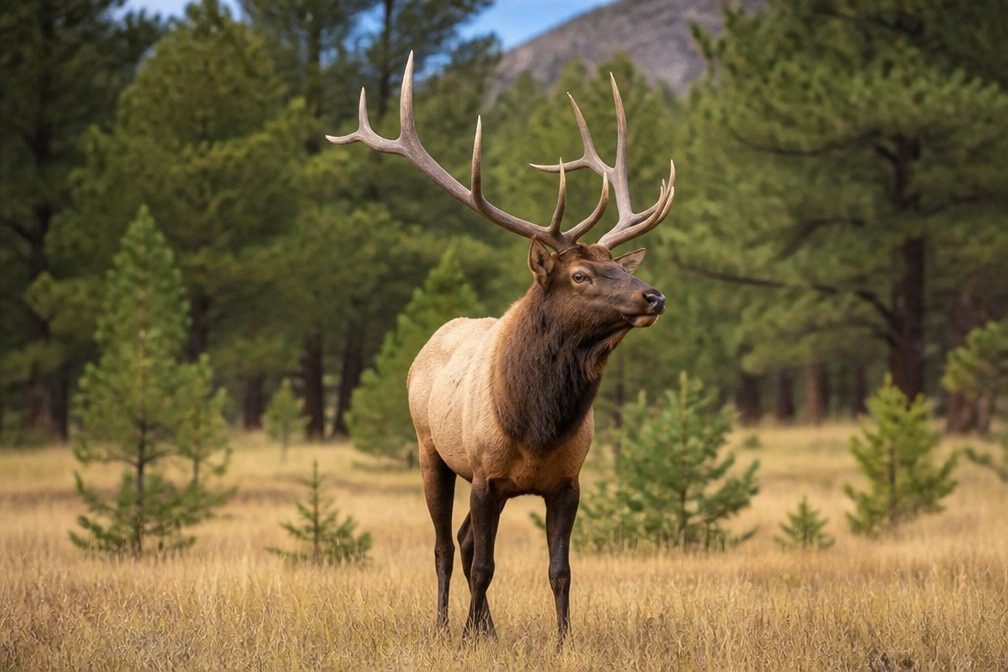
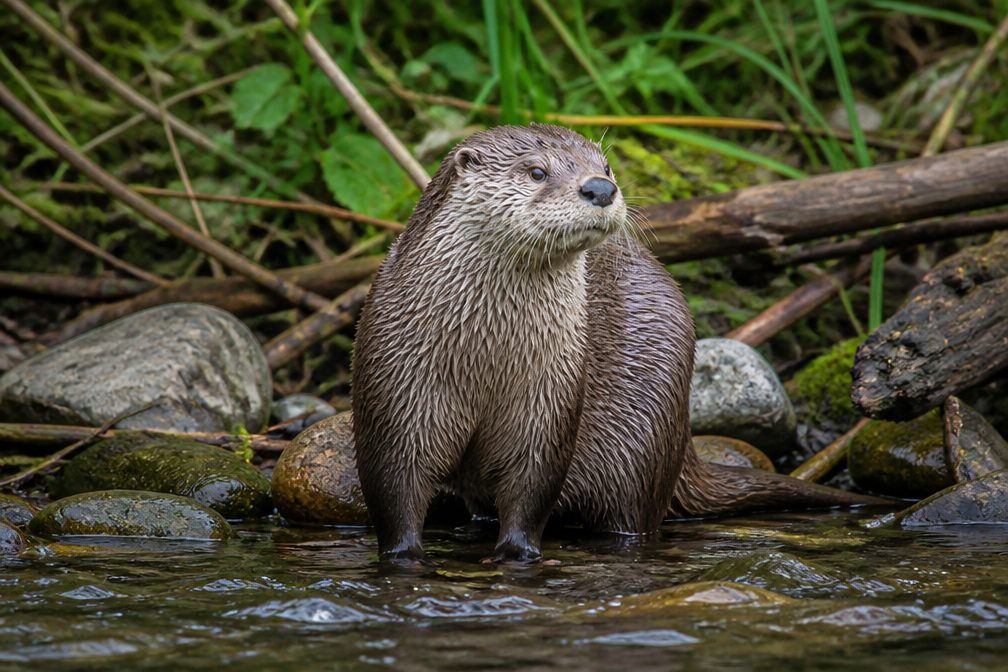
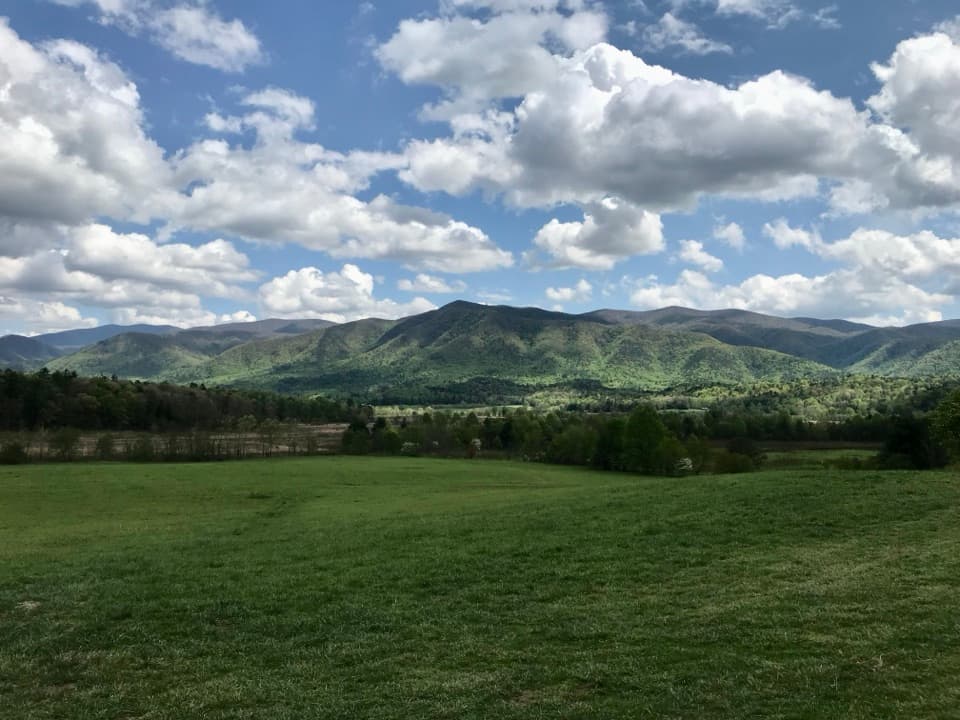
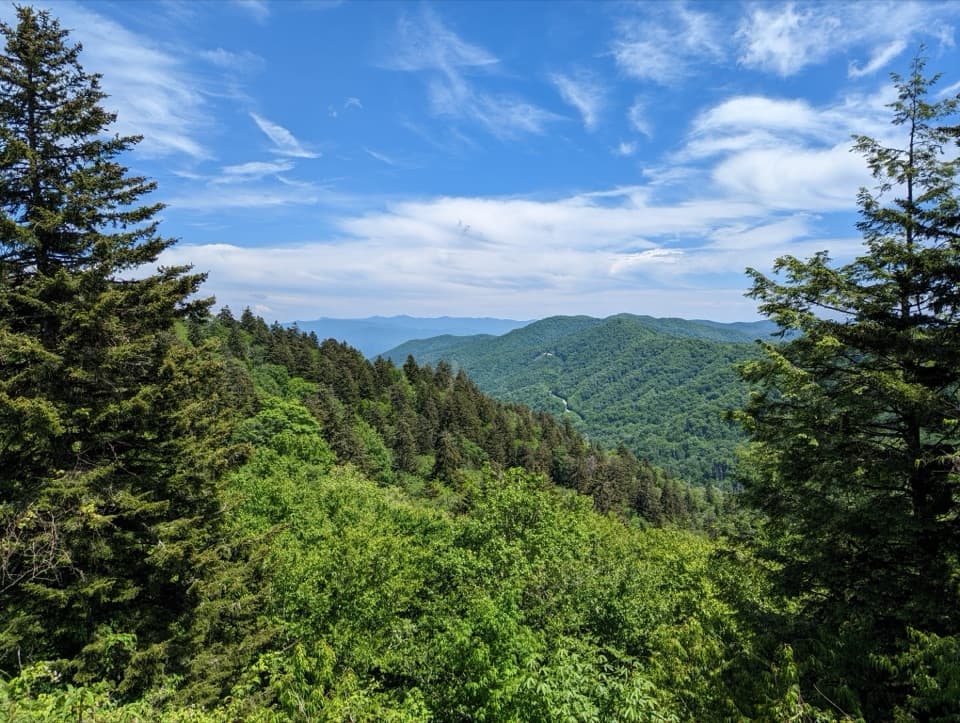
Cades Cove’s meadows are a magnet for wildlife. Around Tipton Place, visitors frequently report deer and wild turkey in the fields; bears and the occasional fox are possible along the edges. Watch from a distance and never feed animals.

Getting There & Logistics

You’ll find Tipton Place on the exit side of the 11‑mile, one‑way Cades Cove Loop Road, between Dan Lawson Place and the Carter Shields cabin. There’s on‑site parking at the pull‑off and room to wander the buildings. If you plan to stop anywhere in the park, you’ll need a parking pass (daily around $5). Expect congestion on busy days—give yourself time and patience.

Best Time to Visit

  • Early morning on weekdays is your sweet spot: softer light for photos, cooler temps, easier parking, and better odds for wildlife.
  • Shoulder seasons (spring and late fall) are generally lighter than peak summer.
  • On vehicle‑free mornings in summer, biking the loop makes the stop even more enjoyable.

Tips for Your Stop

Give yourself 20–30 minutes to walk the grounds and photograph the barn angles. Scan the meadow edges for movement—deer often graze close to the cabin. Bring water and sun/rain layers; there are no amenities at the homestead itself. Always check current park alerts before you go, as regional closures can affect how you reach Cades Cove.

Pros

  • Photogenic 1870s two‑story cabin and 1968 cantilever barn replica
  • Cluster of historic outbuildings (corn crib, bee gums, blacksmith shop)

Cons

  • Cades Cove Loop traffic can make stops crowded and slow
  • No restrooms indicated at the homestead

Tips

  • Arrive early on a weekday for easier parking and softer photo light.
  • Plan 20–30 minutes to walk the buildings and barn area.
  • Scan meadow edges for deer and turkeys; keep your distance from wildlife.
  • You’ll need a park parking pass if you plan to stop anywhere on the loop.
  • Vehicle‑free mornings are great for biking the loop and visiting in peace.
The Parkwolf tour guide sitting on a phone mounted in a car

Parkwolf Tour Guide

Like a tour guide in your car.

Save the places you found around Great Smoky Mountains, then let Parkwolf guide the drive between them.Download Parkwolf on the App Store