Walker Sisters Place

A preserved homestead telling the Walker Sisters’ story
Walker Sisters Place, Great Smoky Mountains National Park
InsideGreat Smoky Mountains National Park

Overview

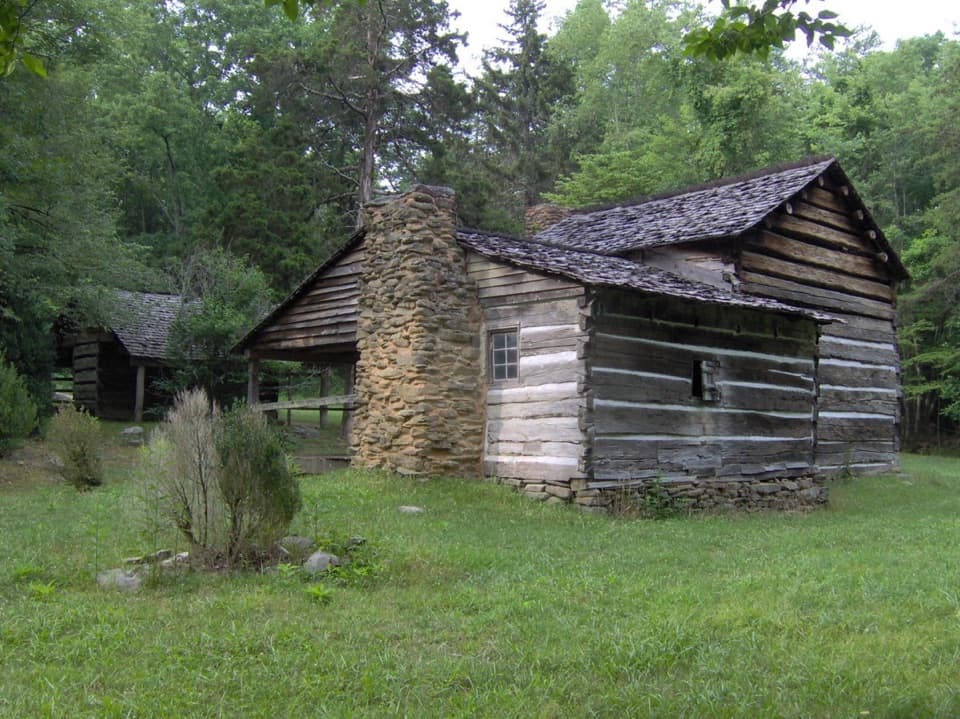
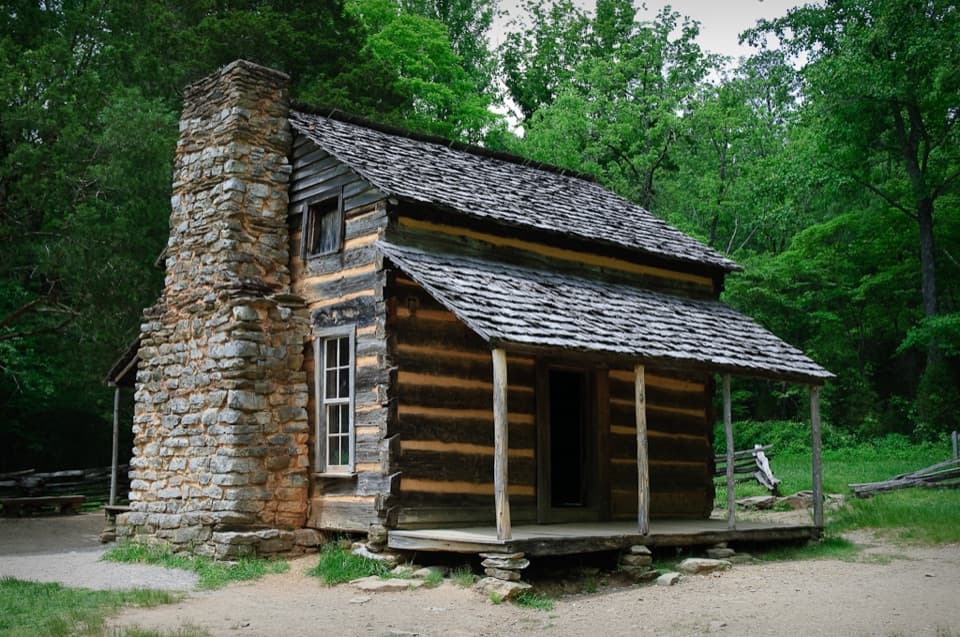
This is one of the park’s most evocative cultural stops: a secluded mountain homestead where the Walker sisters lived a self‑reliant life well into the 20th century. The setting is quiet and woodsy, and the payoff is a cluster of preserved structures that make the Smokies’ human history feel close and real.

Why it matters

The homestead’s earliest section dates to the 1840s. Wiley King enlarged it in the 1850s; his daughter Margaret and her husband, Civil War veteran John Walker, moved in by 1870 and expanded it again. Of their 11 children, several daughters chose to stay, running the farm and later securing a lifetime lease when the national park was created in 1940. They adapted to new rules by welcoming visitors and selling handmade goods. The last resident sister died in 1964, and the cabin, springhouse, and corn crib were listed on the National Register of Historic Places in 1976. The cabin has since seen preservation work, with renovations completed in 2023.

What you’ll see

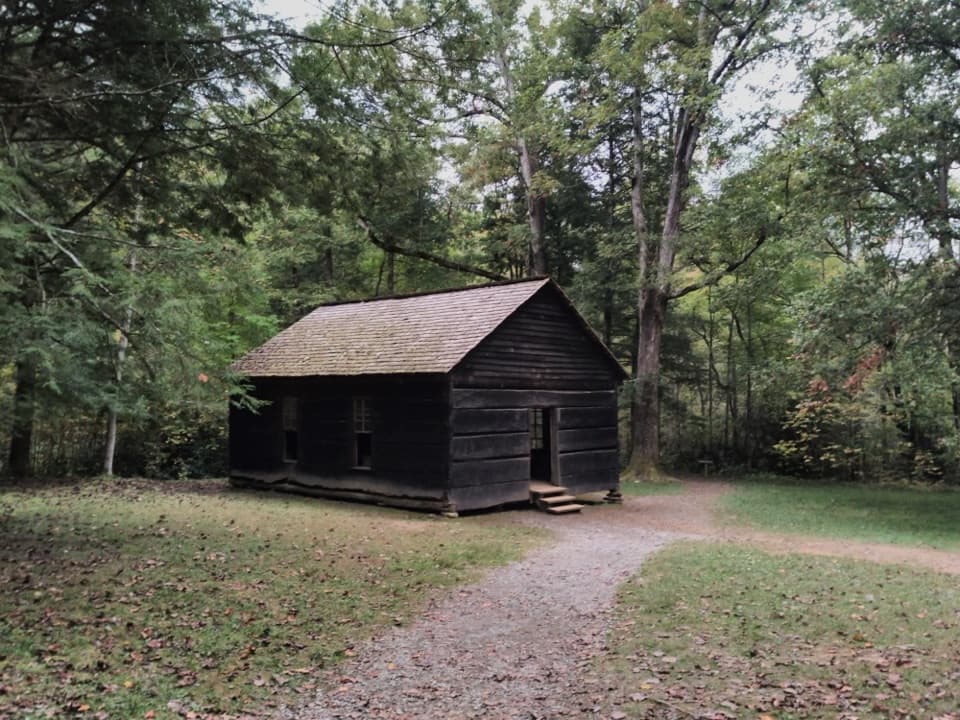
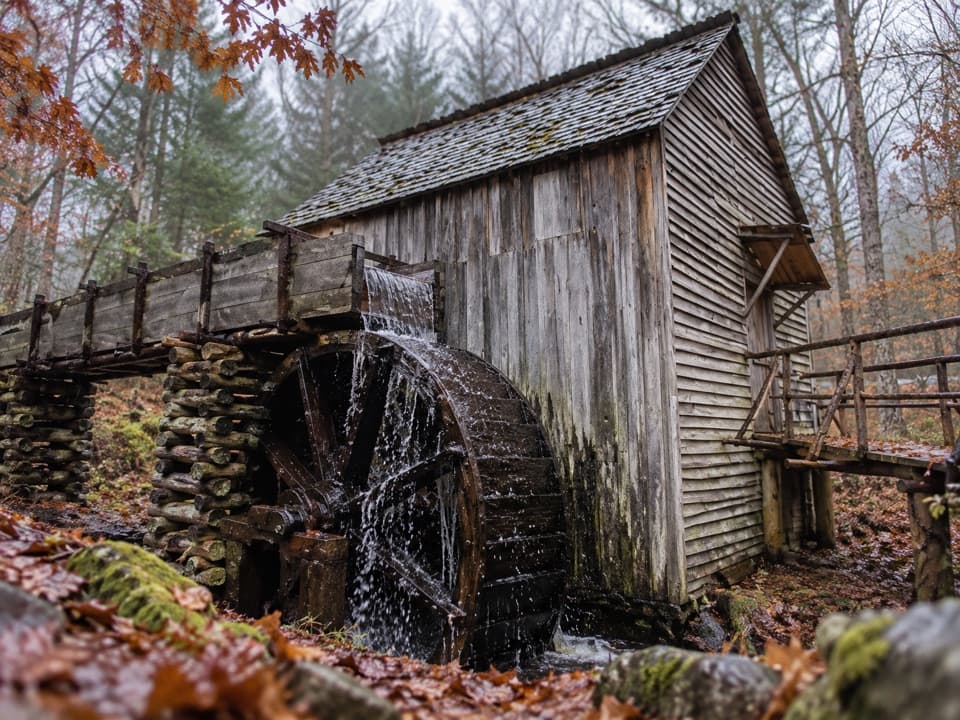
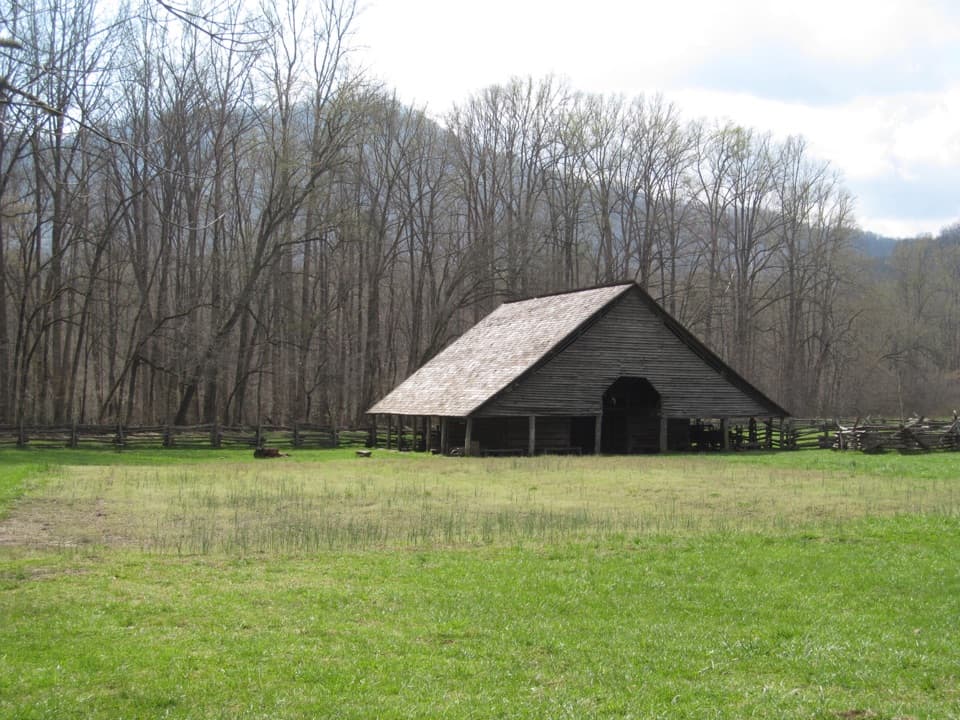
  • The log cabin plus outbuildings: a springhouse and a corn crib.
  • A tangible glimpse of traditional Smoky Mountain farm life—simple rooms, stacked stone chimneys, and the kind of craftsmanship that lasted generations.
  • Nearby, the 1880s Little Greenbrier School, often paired with this walk.

Interior access can vary depending on preservation work; expect to look in and around and check current conditions before you go.

How to visit

There are two straightforward approaches:

  • From Little Greenbrier School: About 1.1 miles each way on the Little Brier Gap Trail (roughly 2.2 miles round trip). The access road to the school is narrow and one‑lane in spots.
  • From Metcalf Bottoms Picnic Area: Walk the Metcalf Bottoms Trail to the school (about 0.6–0.7 miles), then continue 1.1 miles to the homestead. Plan on roughly 3.4–3.8 miles round trip. This is the easiest parking option, with facilities at the picnic area.

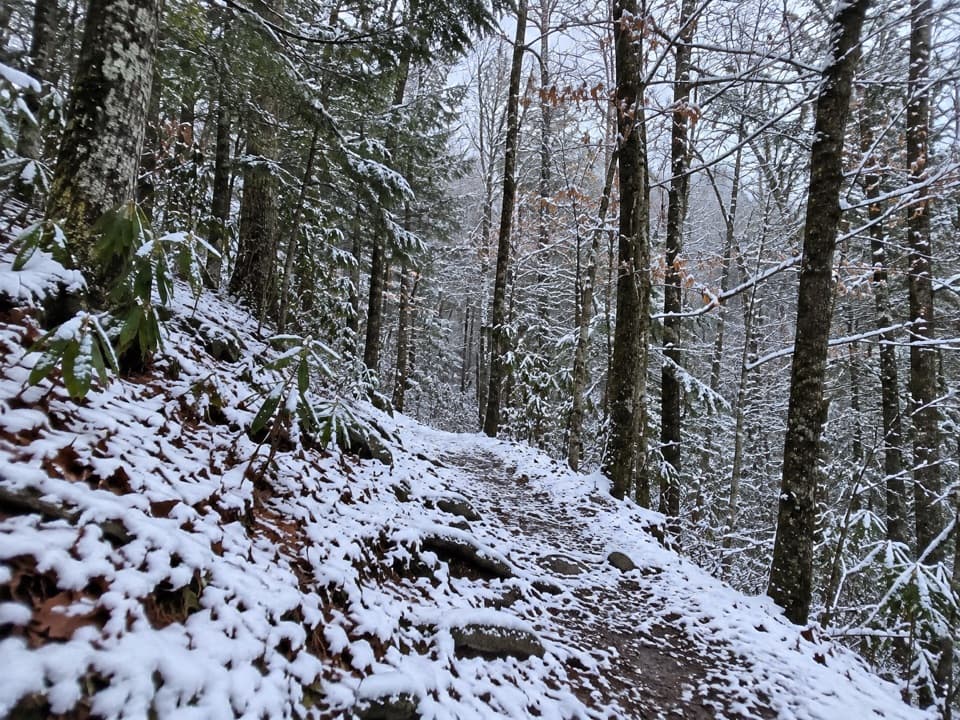
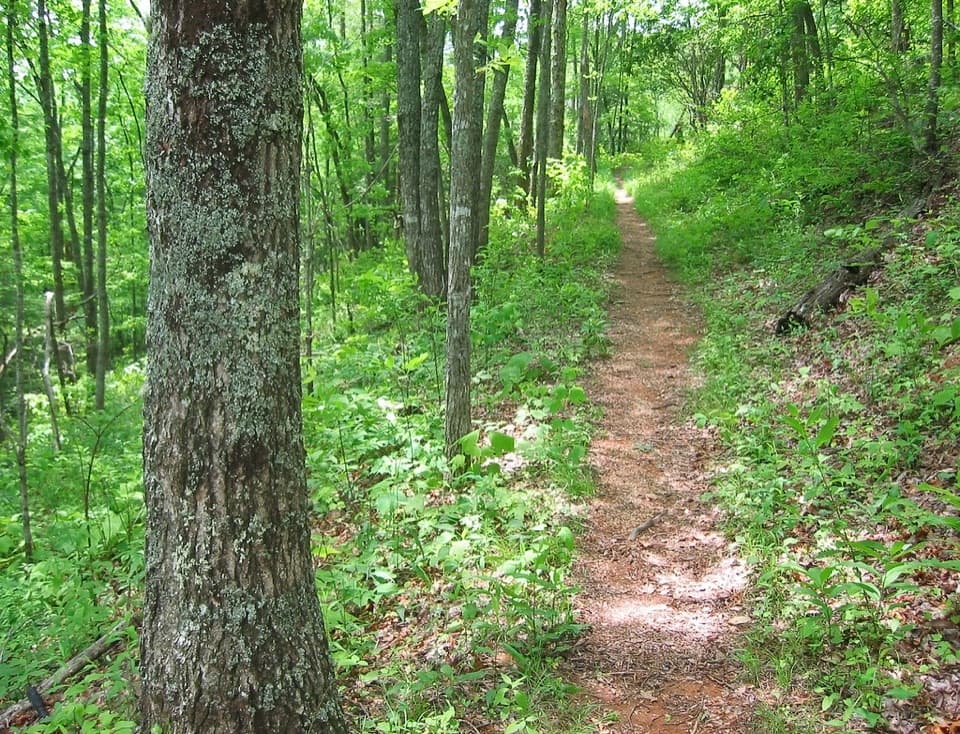
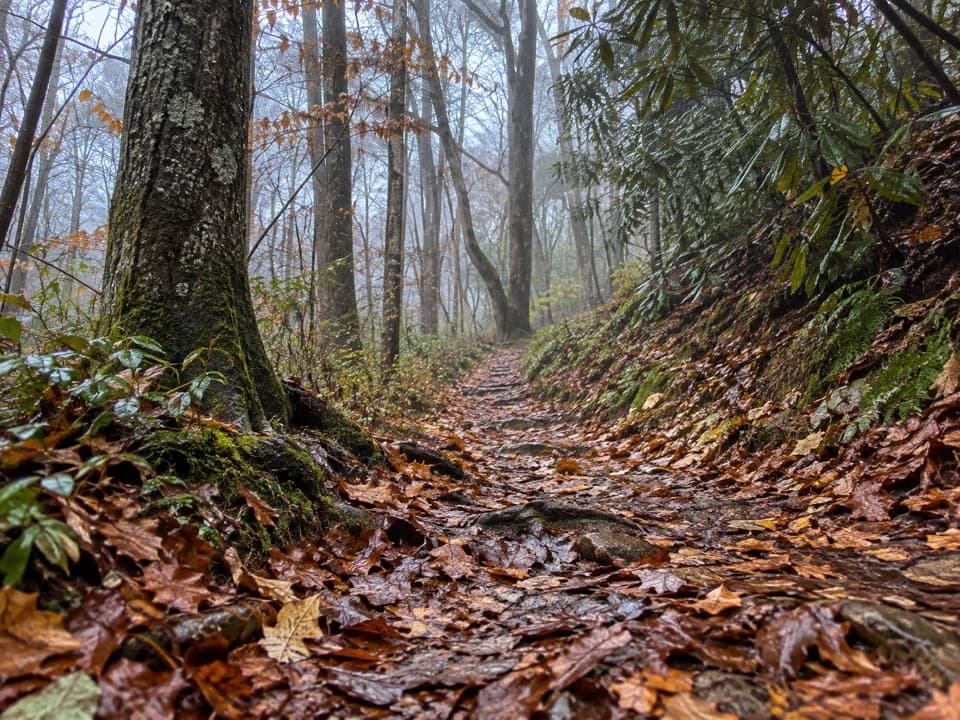
Trails follow old roadbeds with gentle elevation—easy to moderate and suitable for most families. Pets aren’t permitted on this hike.

Wildlife and etiquette

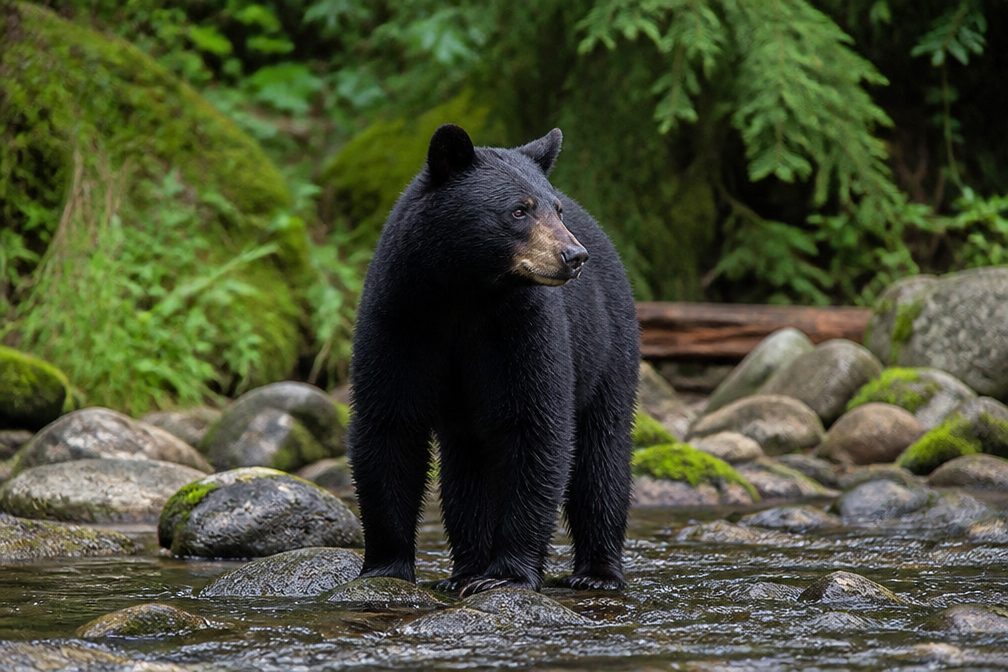
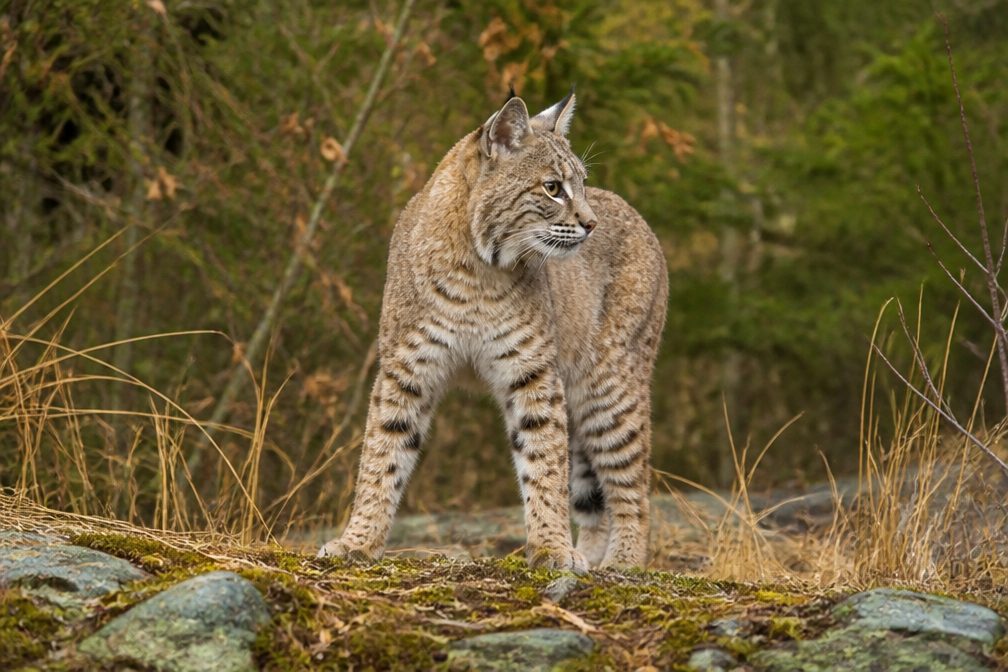
Bears are occasionally seen near the homestead. Keep your distance, secure food, and never feed wildlife. Snakes and stinging insects are possible—watch your step and give all animals space. Please don’t climb on or carve into historic structures; leave everything as you found it.

Practical notes

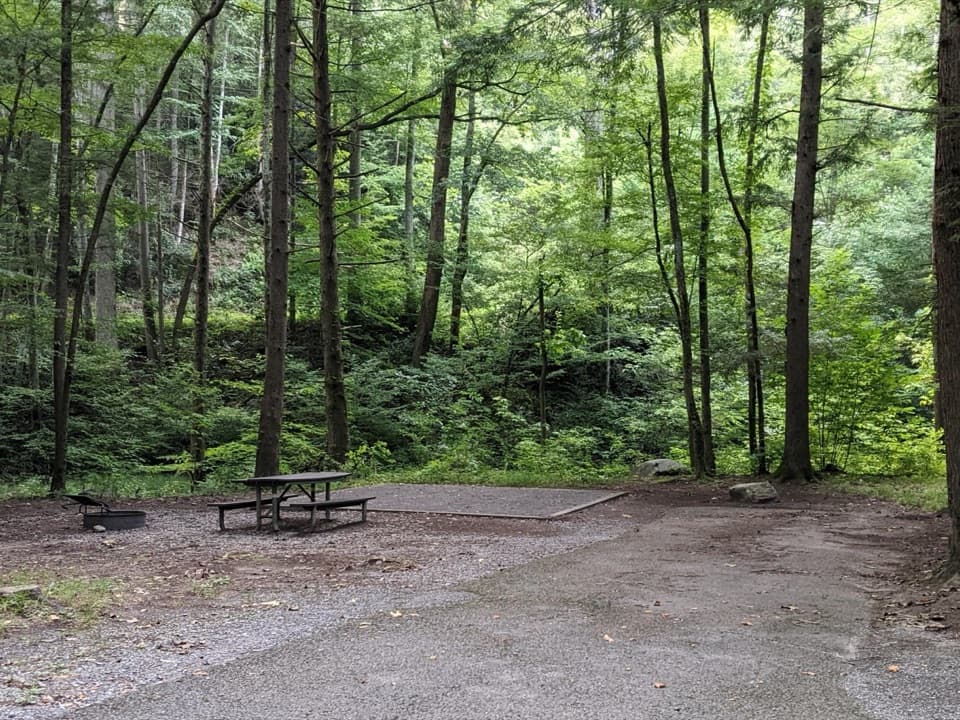
  • No restrooms or water at the homestead; use Metcalf Bottoms Picnic Area before/after.
  • Little Greenbrier Road can be closed in winter, making Metcalf Bottoms the reliable starting point.
  • Wayfinding is straightforward but modest—follow signs from Metcalf Bottoms across the bridge to the school and onward.

Best time to visit

Go early or on weekdays for a quieter experience and easier parking. If you’re visiting in winter, expect the schoolhouse road to be closed at times and plan to start from Metcalf Bottoms.

Pros

  • Authentic homestead with cabin, springhouse, and corn crib
  • Pleasant, family-friendly hike with Little Greenbrier School en route
  • Recent preservation work improves the viewing experience

Cons

  • No restrooms or water at the site
  • Parking at Little Greenbrier School is via a narrow one‑lane road

Tips

  • Park at Metcalf Bottoms for easier parking, restrooms, and water.
  • If you drive to Little Greenbrier School, expect a narrow one‑lane road.
  • Bring your own water and snacks; there are no facilities at the homestead.
  • Go early or on weekdays to avoid crowding along the trail and at the cabin.
  • Check current conditions for any preservation work affecting interior access.
The Parkwolf tour guide sitting on a phone mounted in a car

Parkwolf Tour Guide

Like a tour guide in your car.

Save the places you found around Great Smoky Mountains, then let Parkwolf guide the drive between them.Download Parkwolf on the App Store