ʻĀpua Point

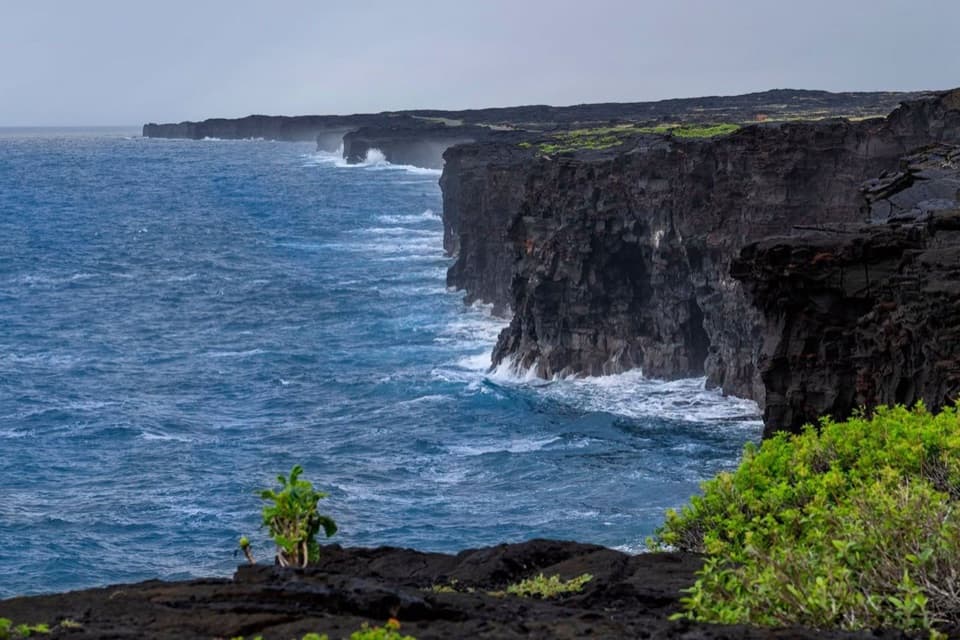
Remote lava coast campsite with black sand, surf, and solitude

ʻĀpua Point, Hawaiʻi Volcanoes National Park
Image credit: National Park Service

Pros & cons

PROS

  • Remote coastal campsite with sweeping lava-coast views
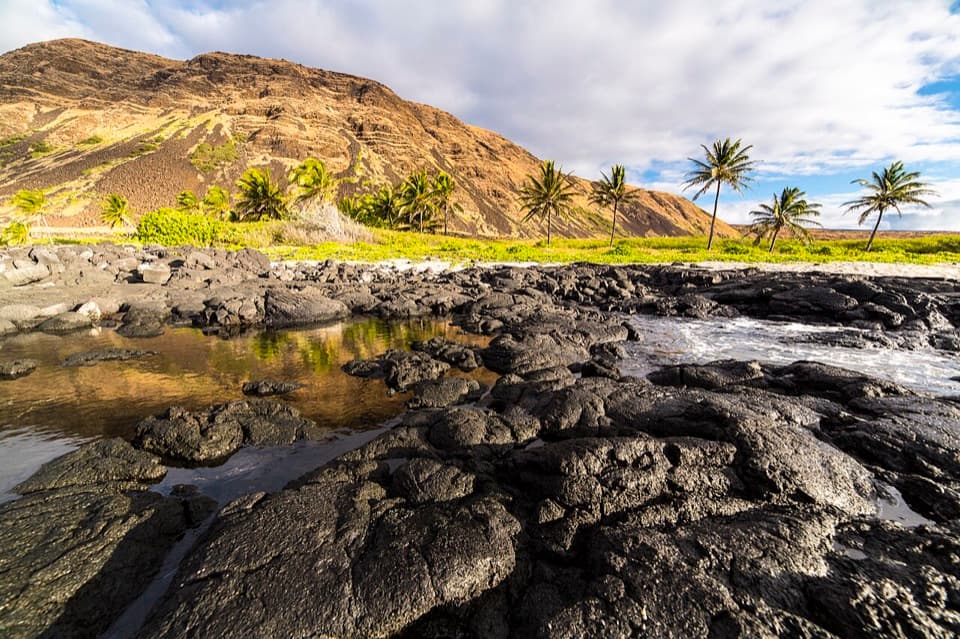
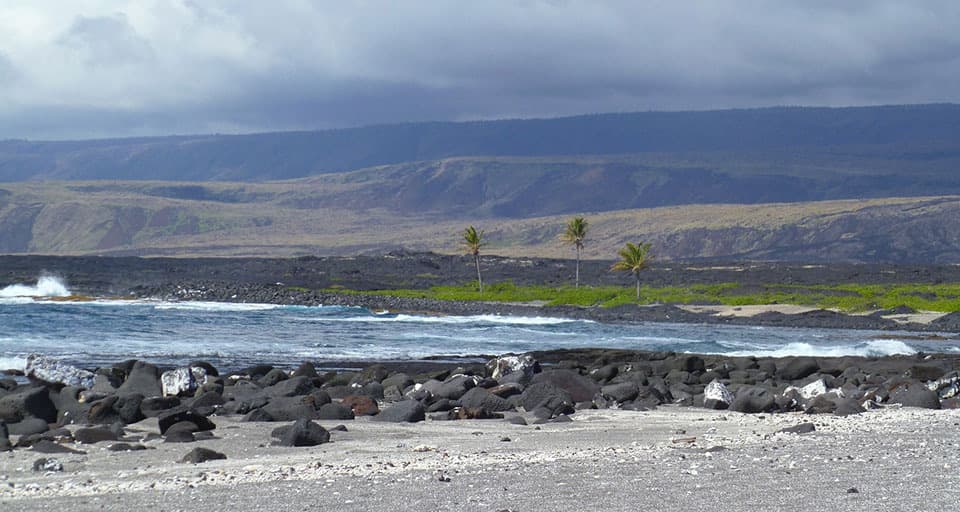
  • Black sand pocket beach and an oasis feel after miles of lava

CONS

  • Long, hot, fully exposed hike over rough lava
  • No water or services; everything must be packed in
  • Hazardous surf; not a swimming spot

Overview

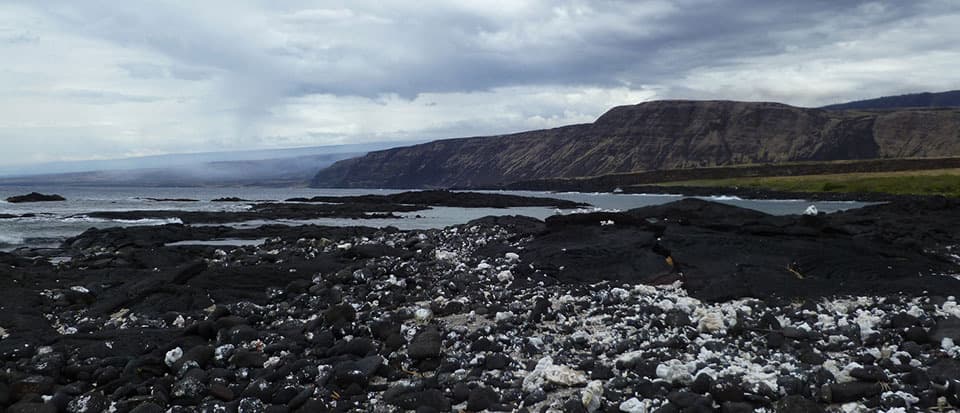
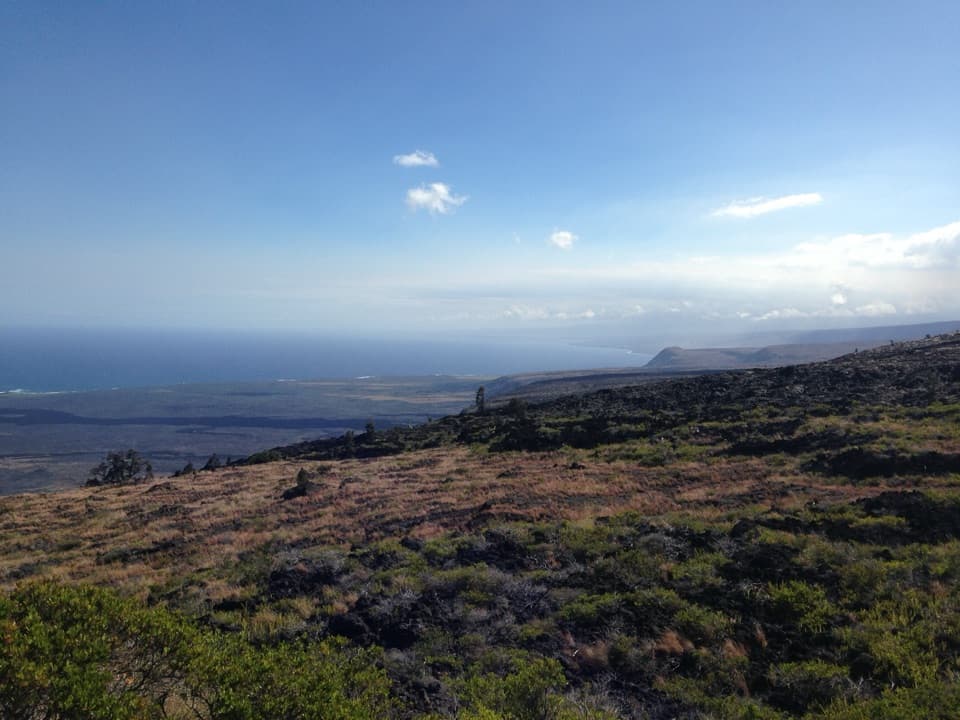
ʻĀpua Point is a wild, windswept corner of the park on the Puna Coast—best suited to experienced hikers and backpackers who crave solitude. It’s reached via the Puna Coast Trail and feels like a small oasis after miles of stark pāhoehoe. Expect big ocean energy, black sand pockets, and a raw volcanic coastline.

Getting There

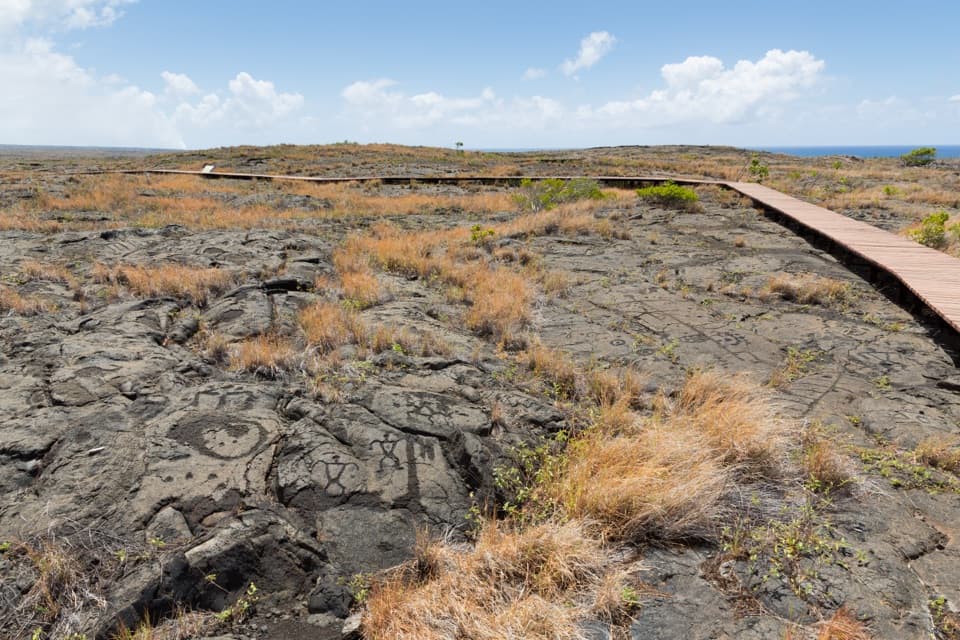
  • Distance: 6.6 miles one way from the Puna Coast trailhead at Puʻuloa Petroglyphs.
  • Trail character: Mostly smooth pāhoehoe with a final stretch of rough, jagged ʻāʻā just before the point.
  • Elevation: Virtually flat, but the lava surface and exposure make it tiring.

What Makes It Special

  • The approach tells a geologic story: smooth pāhoehoe gives way to a short but slower ʻāʻā section from the 1969 Mauna Ulu flow.
  • The point itself sits by a pocket of black sand and palms, with endless Pacific views and pounding surf—dramatic, minimalist, and serenely empty.

Camping & Logistics

  • Designated wilderness camping is available here by backcountry permit from the NPS.
  • There are no facilities: no water, no tables, and no services. Pack in all water, food, and a wind-stable shelter.
  • Navigation can be subtle across lava—bring a reliable map/GPS and know how to use it.

Safety Notes

  • Ocean conditions are dangerous; do not plan on swimming. Strong currents and heavy surf are the norm.
  • Sun and wind exposure are constant. Cover up, carry ample water, and secure your tent well.
  • The ʻāʻā near the end is sharp and slower going—sturdy footwear is essential.

Wildlife

  • This coast can feel empty, but you may spot shorebirds, and occasionally sea turtles offshore. Treat any wildlife with distance and respect.

Best Time to Visit

  • Start early to beat the heat and use morning tradewinds; afternoons are hotter and more exposed.
  • Weekdays see very light traffic—crowds are rarely an issue here.
  • Photographers: sunrise and late afternoon bring softer light on the lava textures and surf.

Is It Worth It?

If you’re after backcountry solitude and moody lava-coast scenery, absolutely. If you want easy beach time or amenities, this isn’t your spot.

Where it is

19.2592, -155.1958
ʻĀpua Point

Tips for ʻĀpua Point

  1. 01It’s 6.6 miles one way from the Puʻuloa trailhead—plan daylight accordingly.
  2. 02Carry all your water; 4+ liters per person per day is a good target.
  3. 03Secure a backcountry permit before committing to an overnight.
  4. 04Expect a short, sharp ʻāʻā section just before the point; wear sturdy shoes.
  5. 05Do not swim here—the surf and currents are hazardous year-round.

Amenities

More about ʻĀpua Point

PARKWOLF TOUR GUIDE

Like a tour guide in your car.

Save the places you found around Hawaiʻi Volcanoes, then let Parkwolf guide the drive between them.
Download Parkwolf on the App StoreGet Parkwolf on Google Play
The Parkwolf tour guide sitting on a phone mounted in a car
Get the Audio Tour Guide for your drive through Hawaiʻi VolcanoesOpen Parkwolf