Overview
About Hocking Hills State Park Visitor Center
Why stop
- Interactive regional exhibits and resident hawks and owls.
Map
Where it is
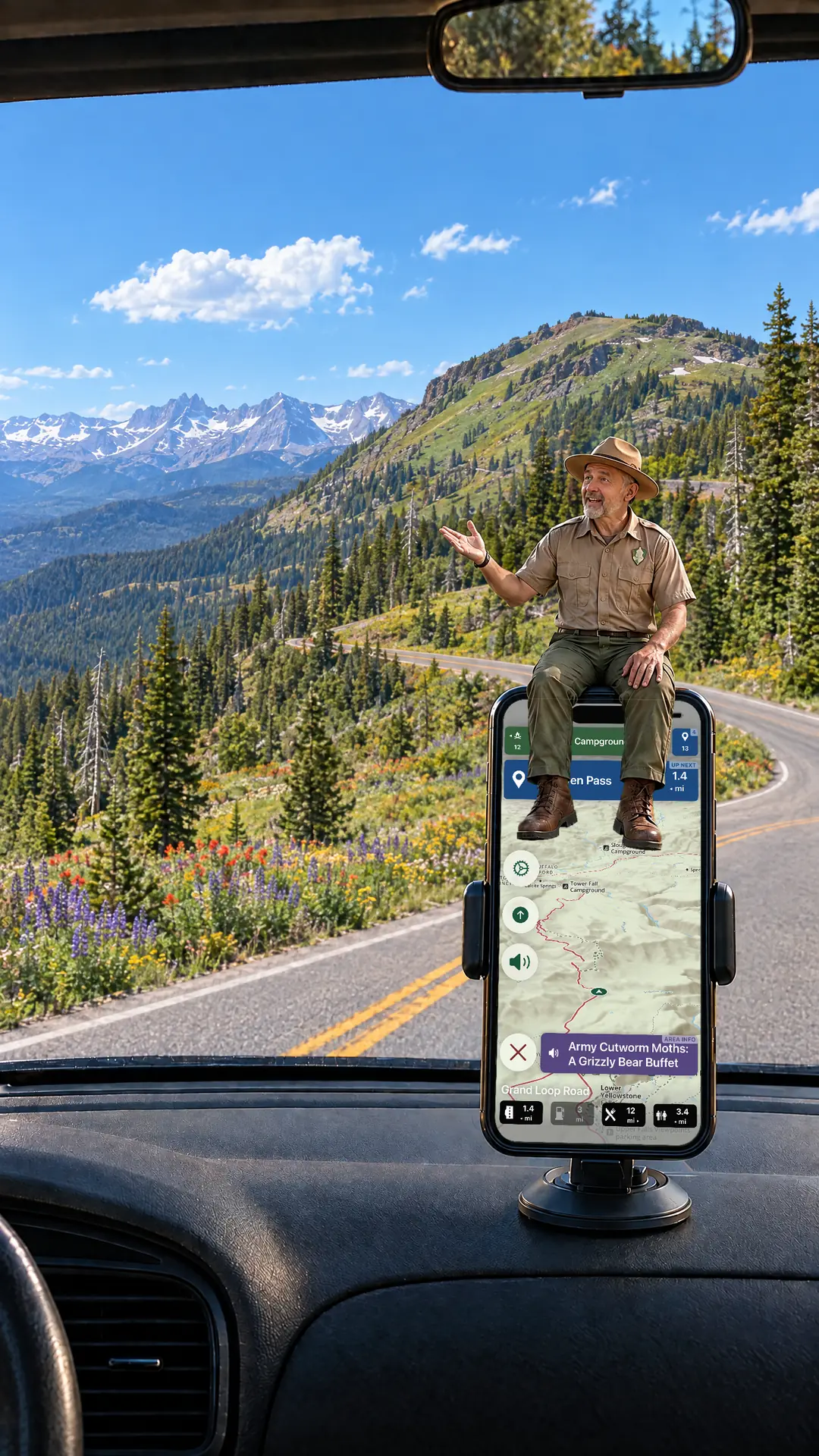
The highest, rockiest slopes around here are a summer buffet for grizzly bears.
Hocking Hills Tour Guide
Your drive to Hocking Hills State Park Visitor Center, narrated.
Parkwolf is a GPS audio tour guide for Hocking Hills State Park. As you drive, it chimes in with what’s ahead: hidden gems, upcoming stops, history, geology, and wildlife, right through your car’s speakers.
Recorded for this place
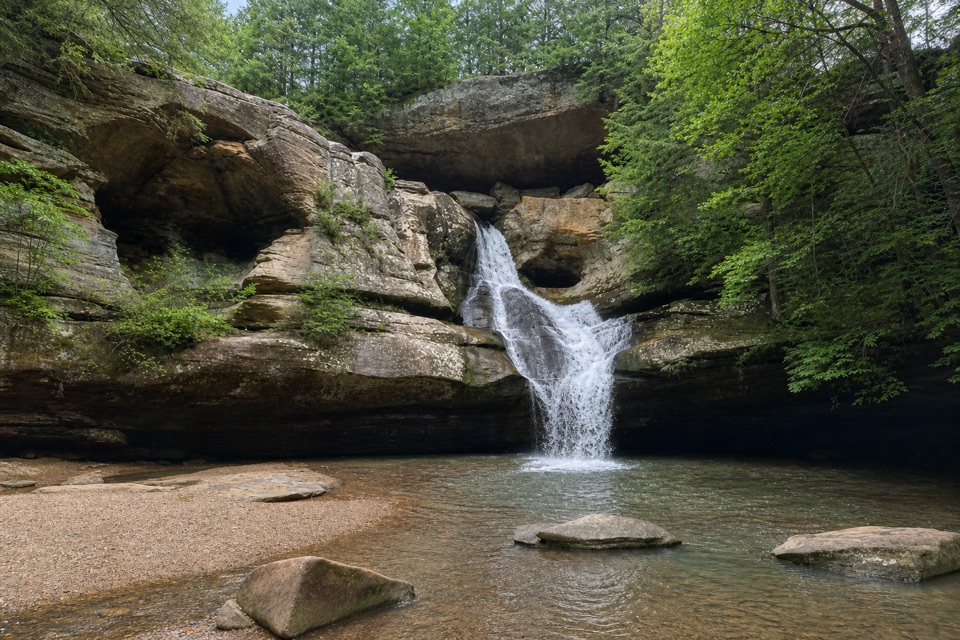
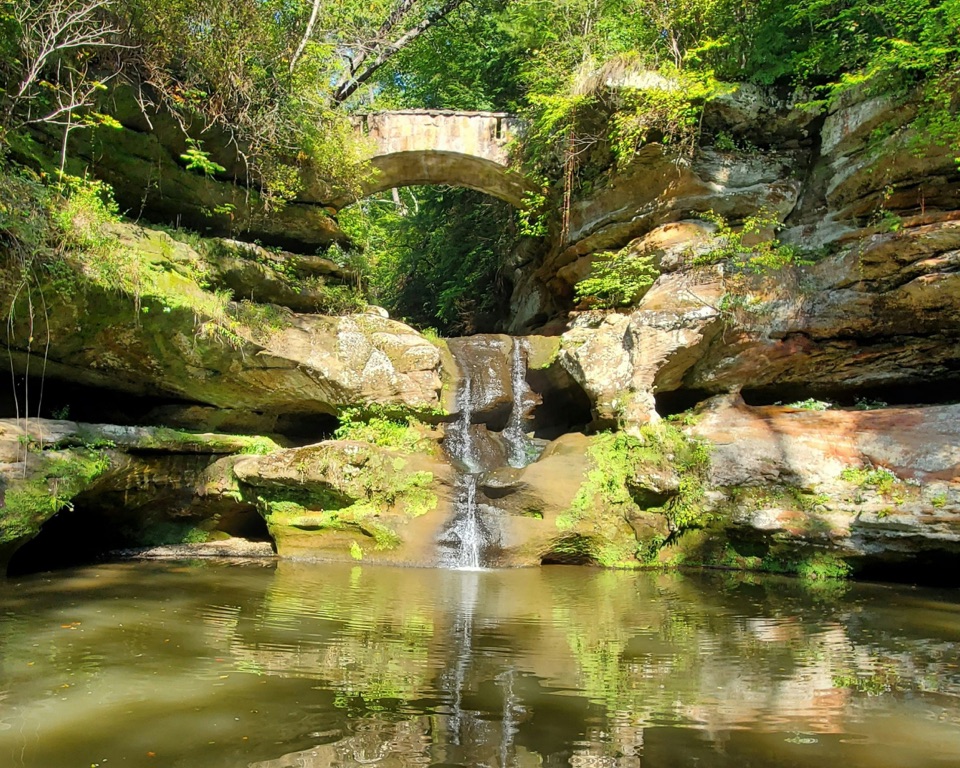
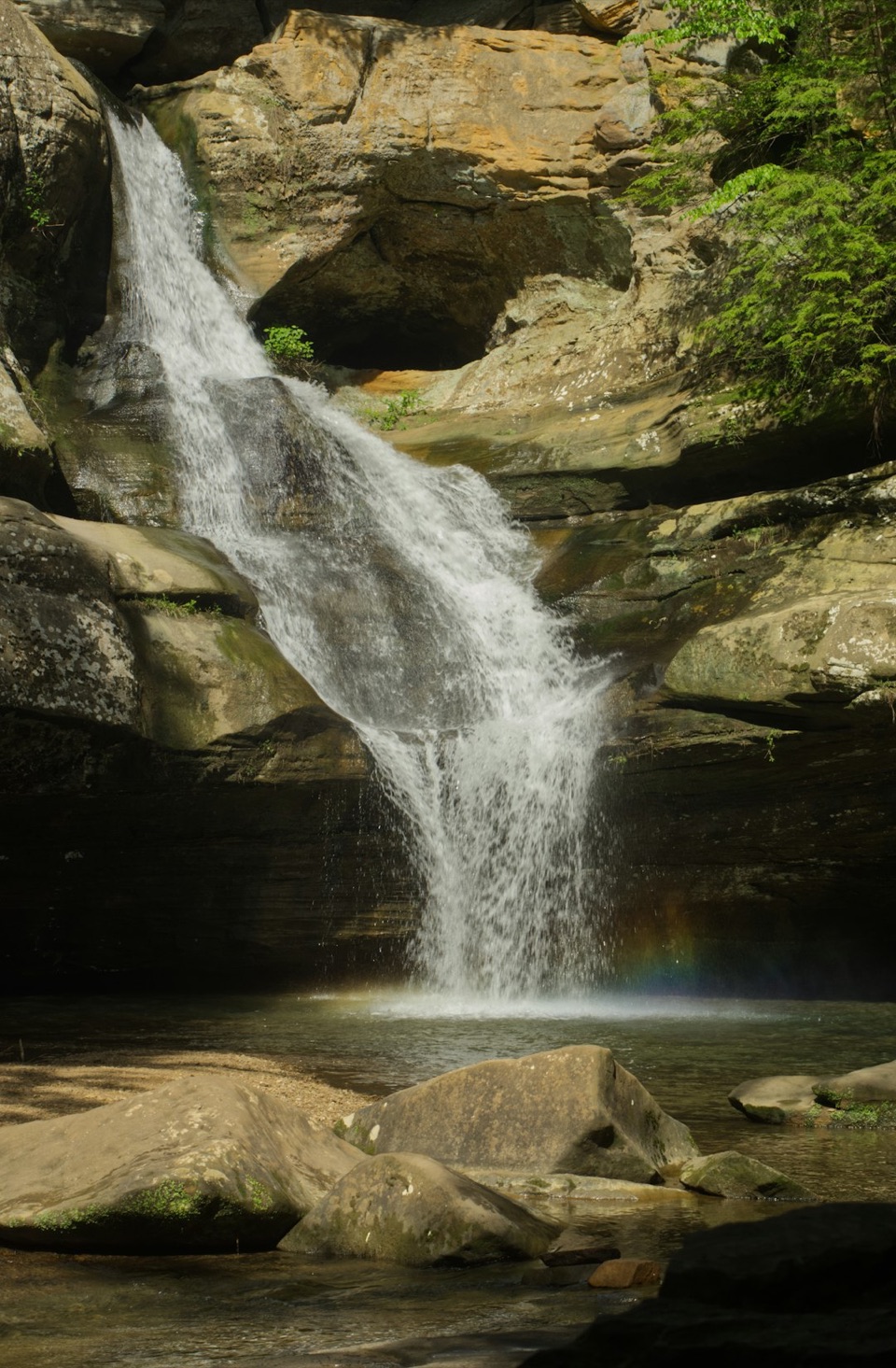
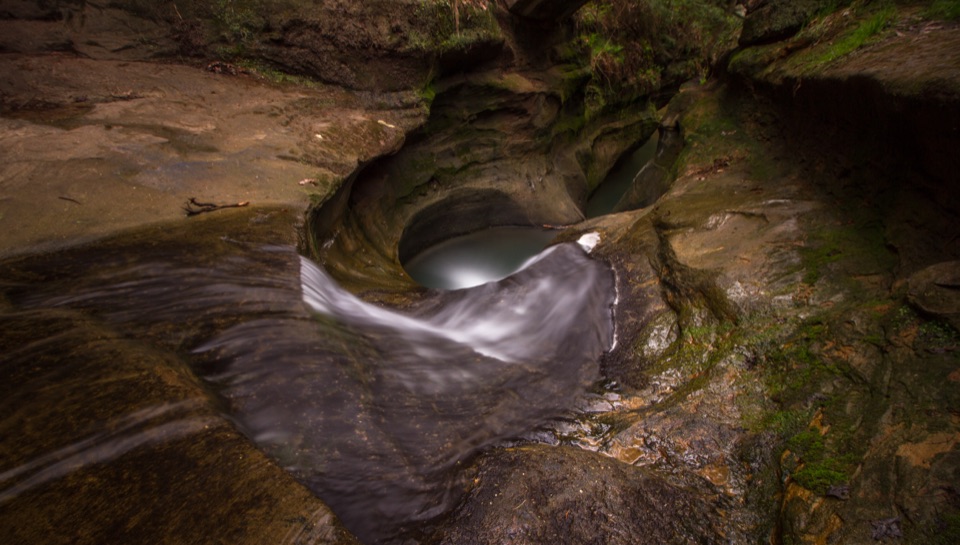
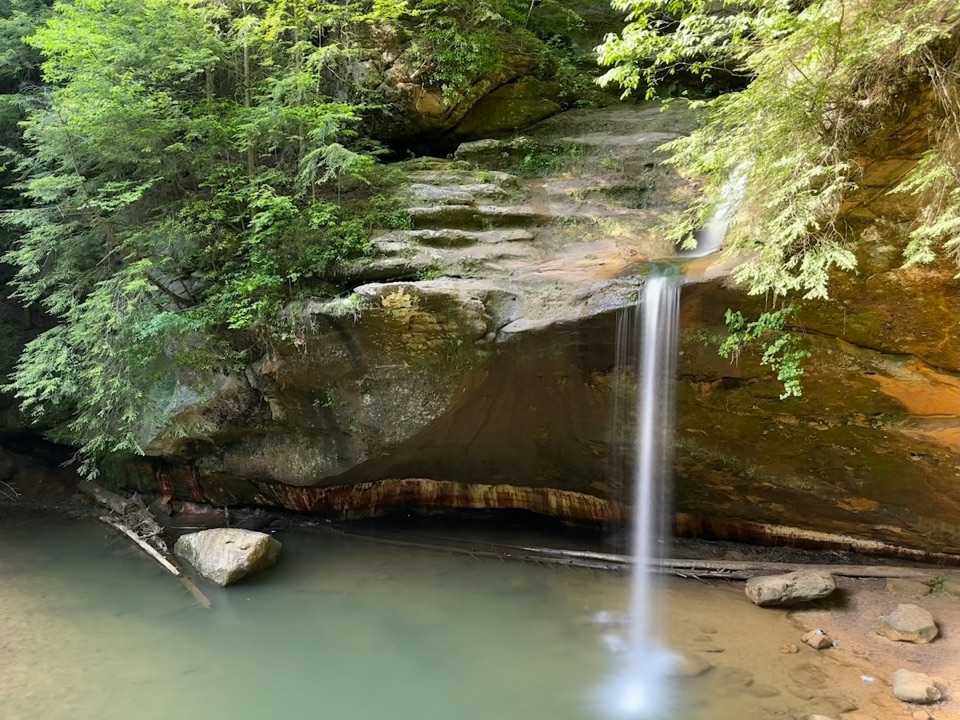
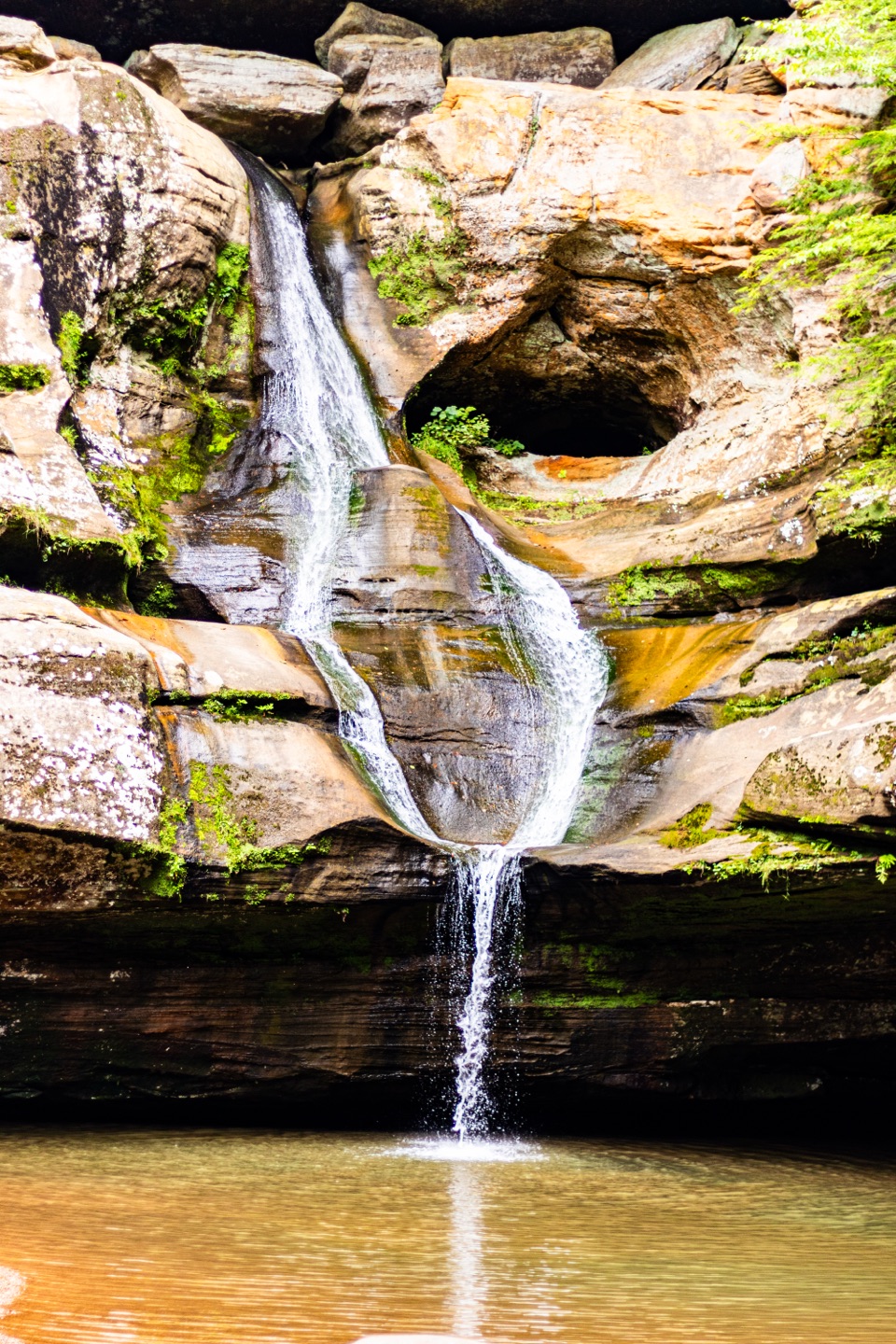
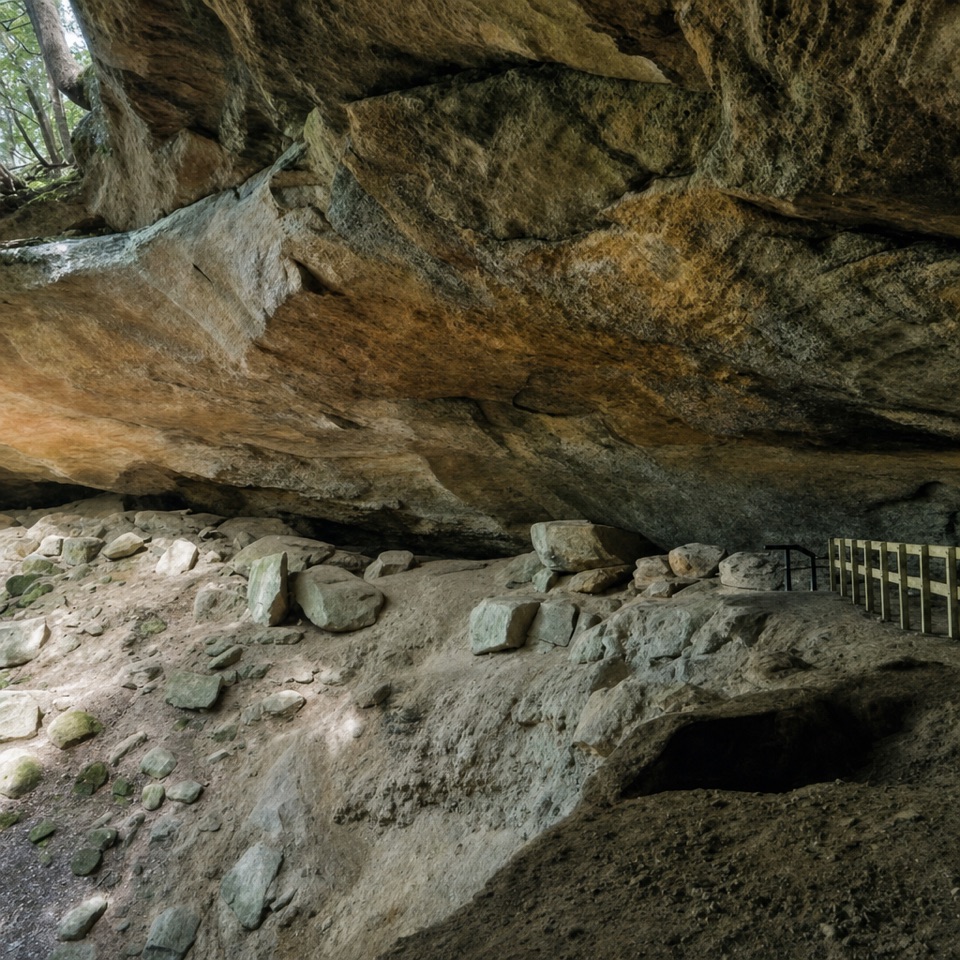
Old Man's Cave“You're approaching Old Man's Cave, where the creek winds past waterfalls, stone tunnels and a huge sandstone shelter.”
Plays as you drive up to Hocking Hills State Park Visitor Center in the Parkwolf Hocking Hills Tour Guide.
More stories near here in the app
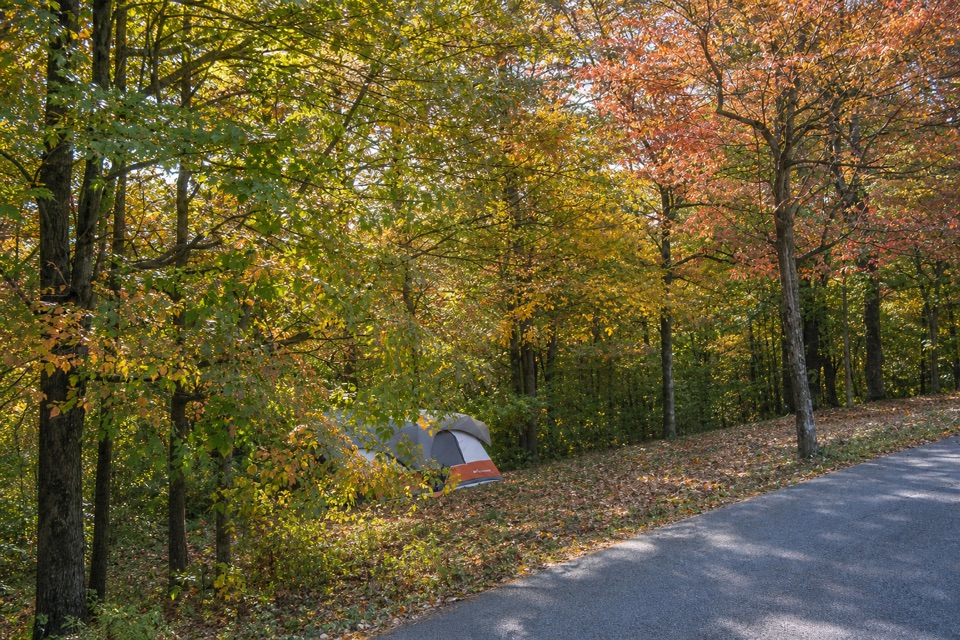
- Hocking Hills State Park Campground
- John Glenn Astronomy Park
- Whispering Cave and the Lodge
- Rose Lake Walking Access
- 22 audio storiesacross Hocking Hills’s roads, triggered by GPS as you drive
- Wildlife heatmapsfor White-tailed Deer, Snapping Turtle, Chipmunk, and 9 more
- Works offlinemaps, 18 trails, 29 places, and audio download before you lose signal
- CarPlay readysimple controls built for the drive
“Fantastic app with many points of information… It’s great to just turn on while you’re driving and it gives you an audio tour of the national Park. We love it!!!!”


Guide
More about Hocking Hills State Park Visitor Center
Start at Old Man’s CaveHocking Hills State Park Visitor Center is a two-story orientation and exhibit building at the…
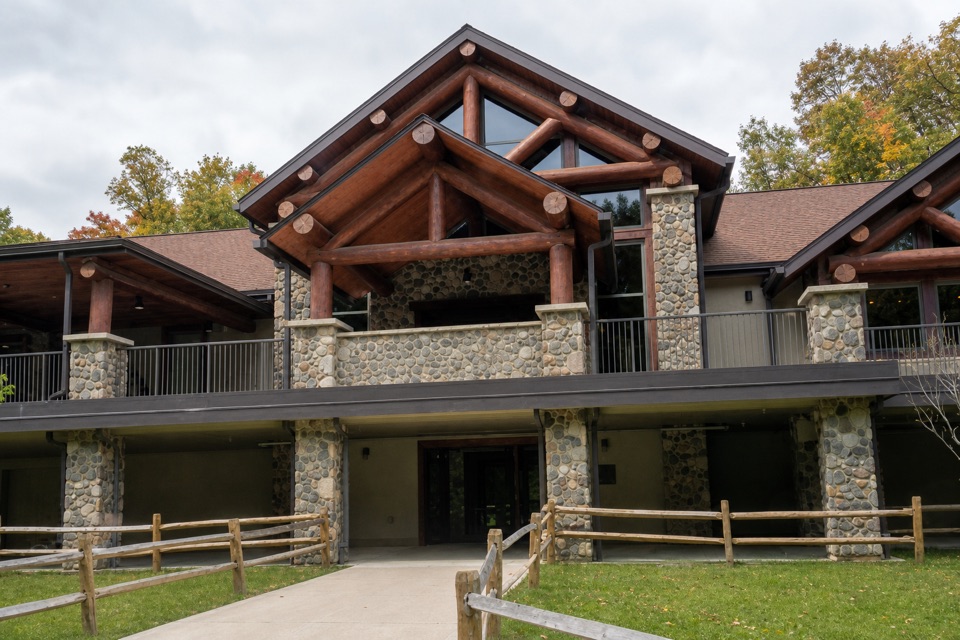
Hocking Hills State Park Visitor Center is a two-story orientation and exhibit building at the Old Man’s Cave parking area off OH-664. It introduces the wider region with interactive displays and wildlife showcases, with resident hawks and owls in an enclosure behind it. If Old Man’s Cave is on your plan, stop here for context before walking into the gorge; the center and the trail are separate visits from the same lot. The center also has restrooms and a gift shop.
Meet the resident raptorsThe Raptor Enclosure sits behind the building and is home to resident hawks and owls.
The Raptor Enclosure sits behind the building and is home to resident hawks and owls. It gives visitors a close look at some of the wildlife cared for at the park, alongside the region-focused exhibits indoors.
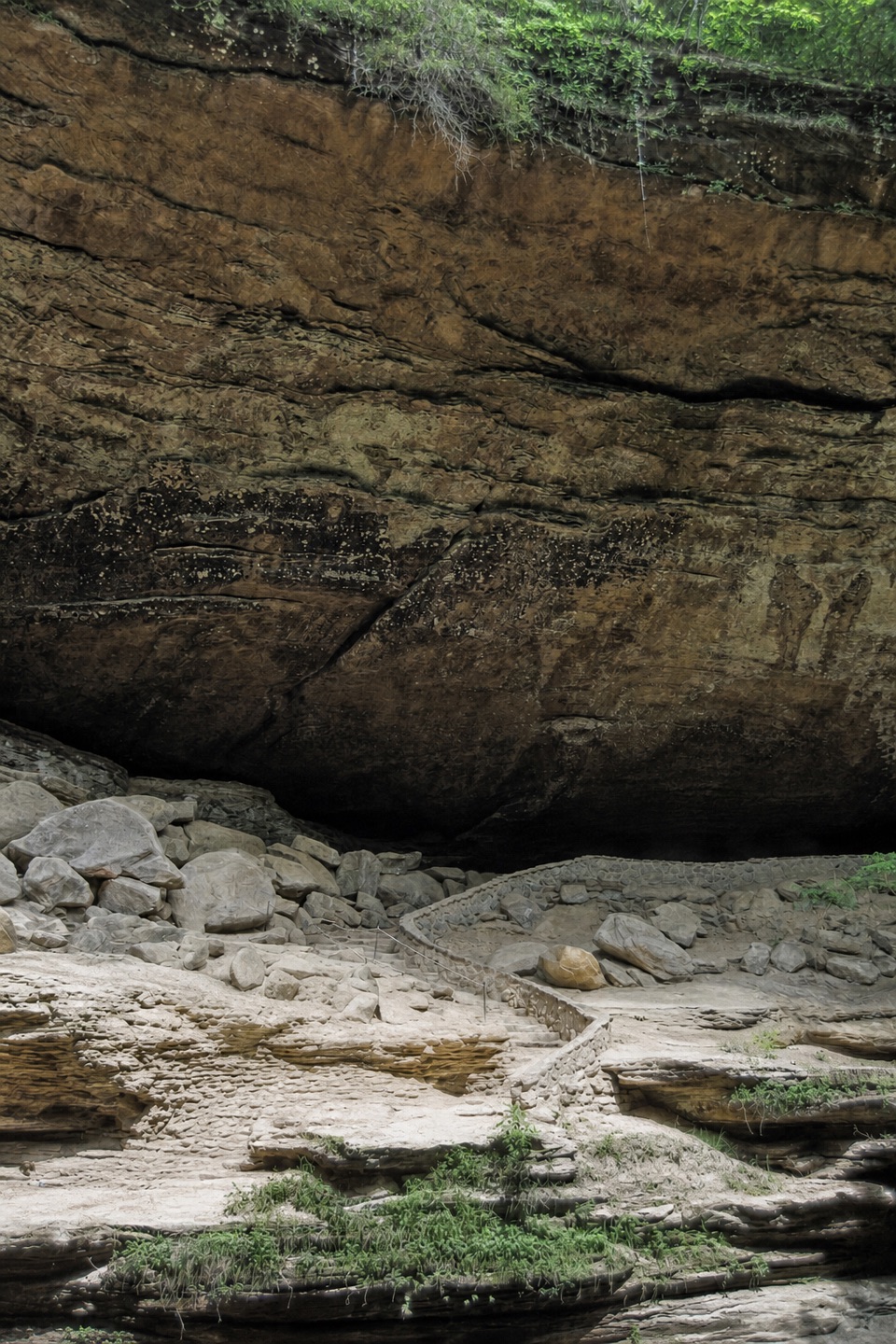
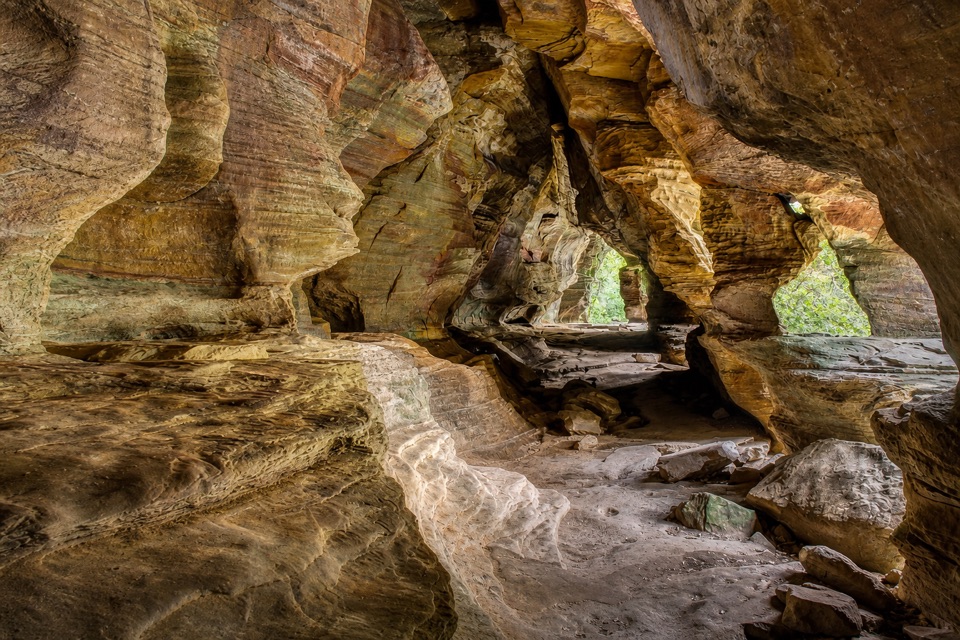
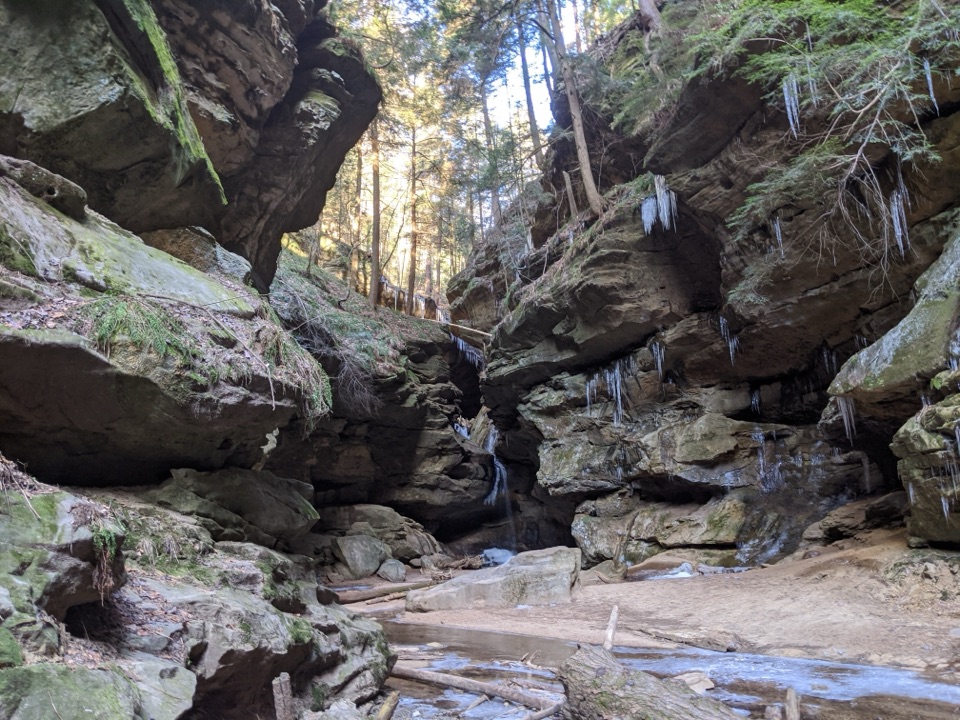
How the gorges formedThe cliffs and recess caves around Hocking Hills are cut into Black Hand Sandstone, deposited…
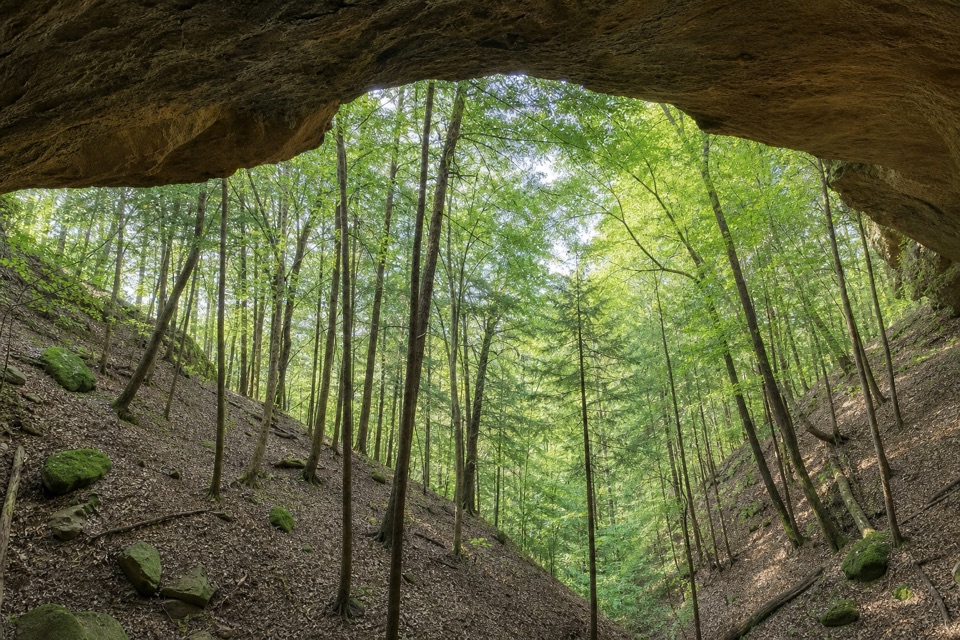
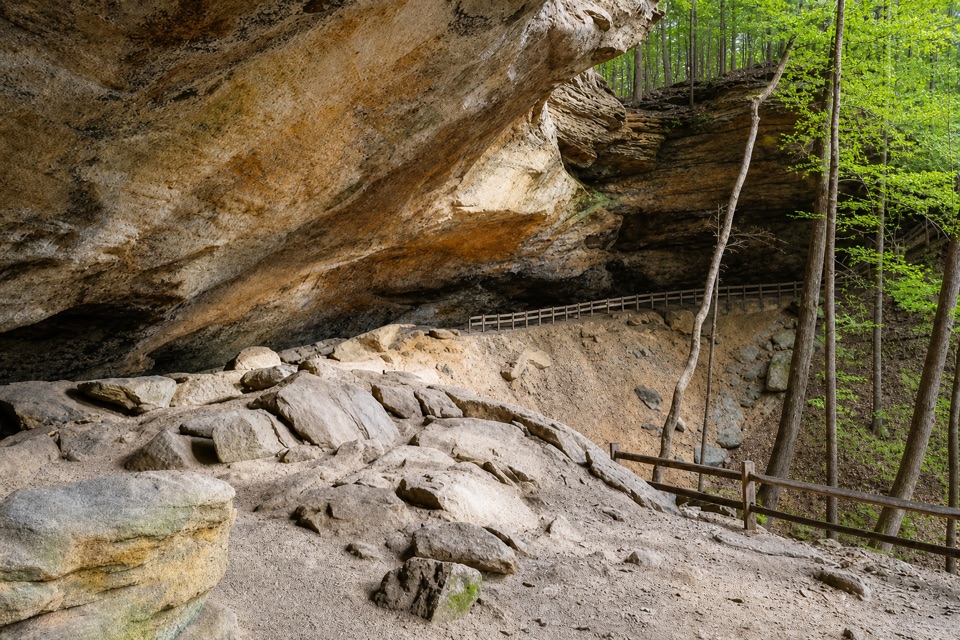
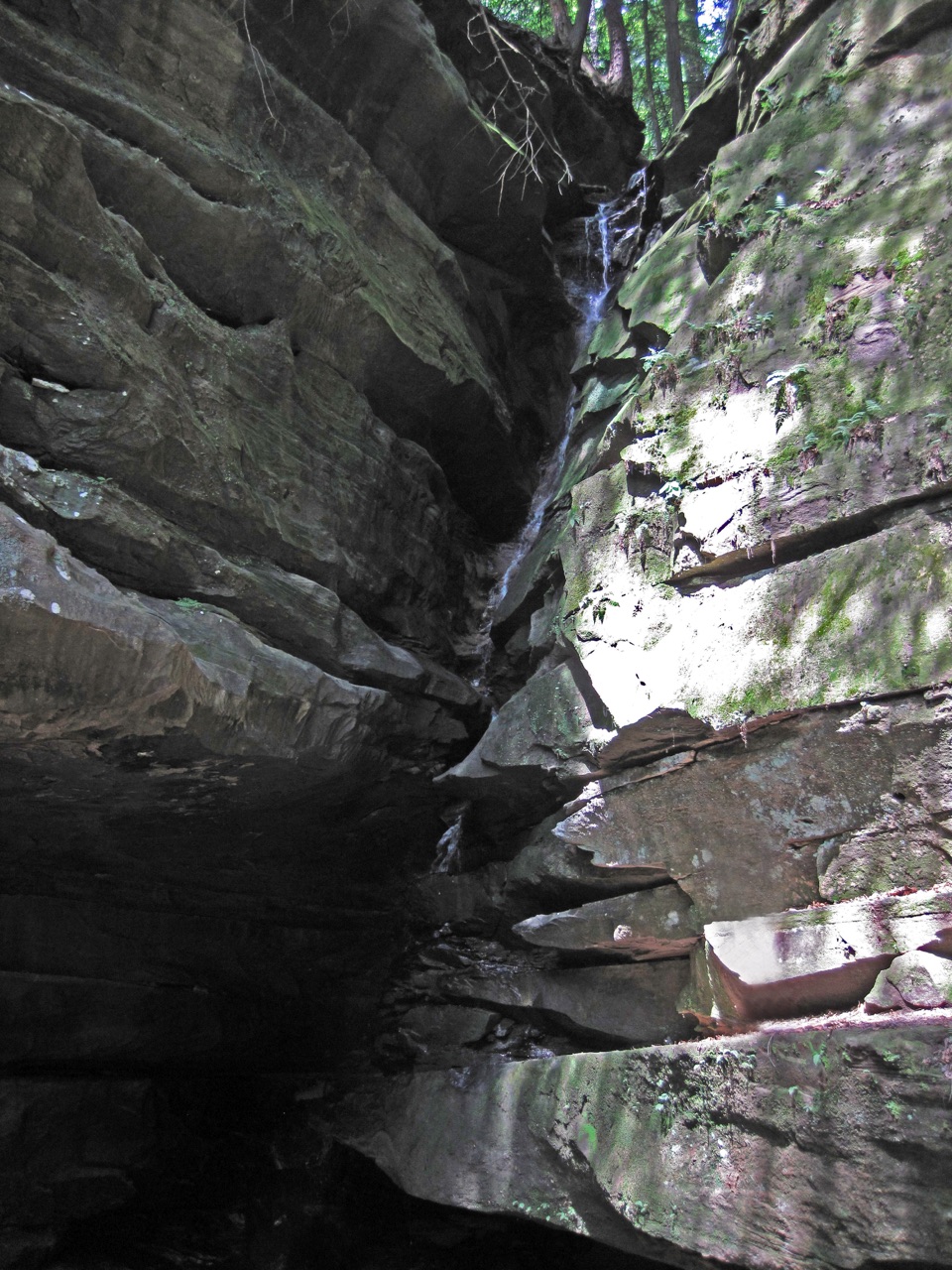
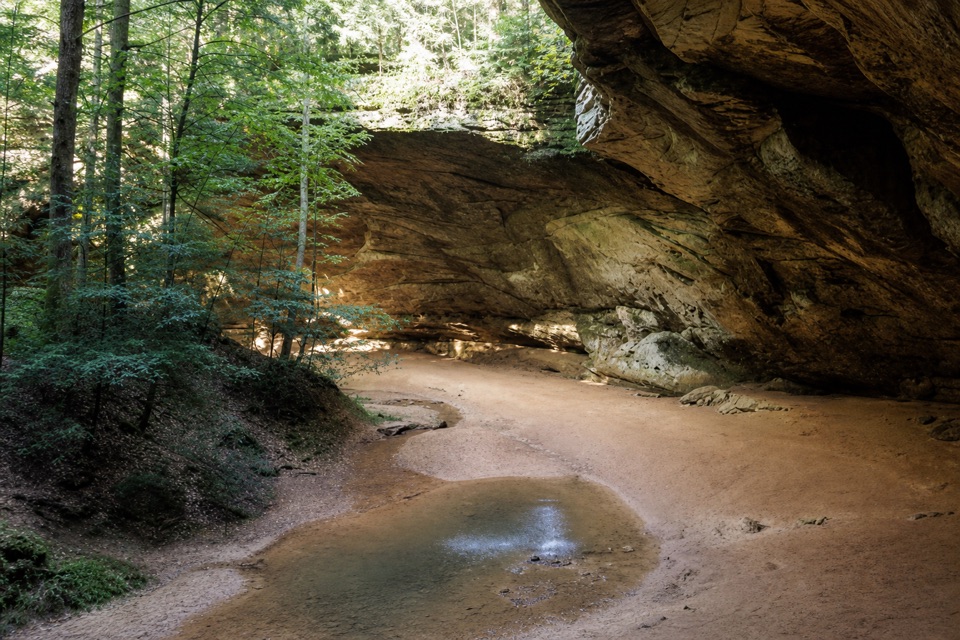
The cliffs and recess caves around Hocking Hills are cut into Black Hand Sandstone, deposited more than 350 million years ago. Uplift and stream erosion shaped the gorges; the softer middle layer wears into recess caves while harder layers above and below resist erosion. That structure is part of what makes the area’s narrow, overhung ravines distinctive.
The river behind the nameThe region takes its name from the Hocking River.
The region takes its name from the Hocking River. ODNR traces “Hocking” to the Delaware name “Hockhockin,” meaning “bottleneck,” a reference to water entering a narrow, gourd-shaped gorge.
A much longer human historyPeople have lived in the Hocking Hills area for thousands of years: the earliest local evidence…
People have lived in the Hocking Hills area for thousands of years: the earliest local evidence dates to about 7,000 years ago, and Adena people lived in the region roughly 500 BCE to 100 CE. Delaware, Shawnee and Wyandot communities lived and hunted here from about 1600 to 1800.
The current buildingThe present visitor center was built in 2019, replacing an earlier park center that had served…
The present visitor center was built in 2019, replacing an earlier park center that had served since 1989. It is a practical orientation stop beside one of the park’s best-known trail destinations.
Wildlife
Wildlife in Hocking Hills
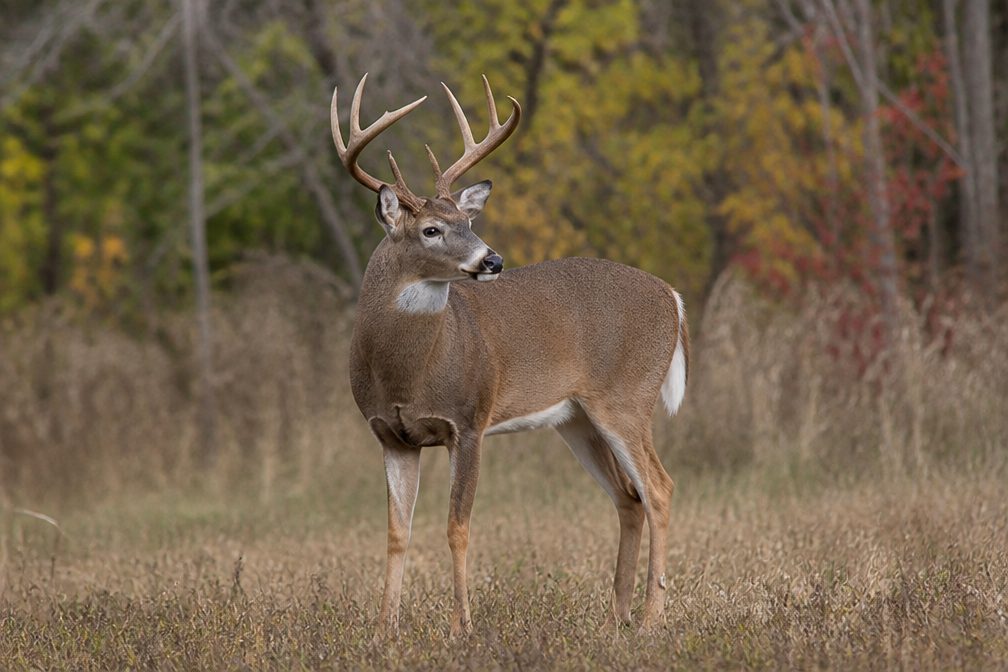 15 sightingsWhite-tailed DeerMost seen around 7 AMSighting map
 83 sightingsSnapping TurtleMost seen around 5 PMSighting map
 13 sightingsChipmunkMost seen around 8 AMSighting map
 19 sightingsGray RatsnakeMost seen around 6 PMSighting map
 47 sightingsWatersnakeMost seen around 10 AMSighting map
 11 sightingsRing-necked SnakeMost seen around 7 PMSighting map
Sighting maps show where each species has been reported across Hocking Hills. Wildlife moves, so no sighting is guaranteed.