Celestine Lake

Quiet, aqua-blue backcountry lake reached by a timed one-way road
Celestine Lake, Jasper National Park
InsideJasper National Park

Overview

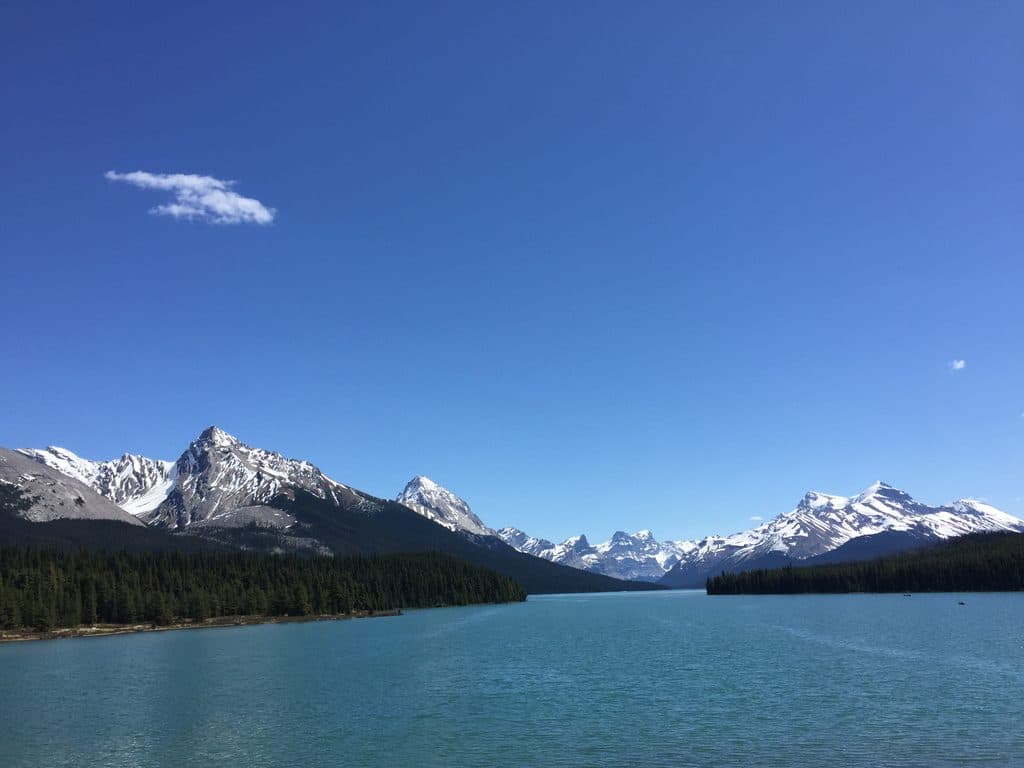
Tucked in Jasper’s quieter northern backcountry, Celestine Lake is a tranquil, aqua‑blue lake ringed by forest and framed by glacially carved valleys. You get real solitude here—golden aspen in fall, calm reflections on clear mornings, and an easy-to-like sense of remoteness without committing to a major expedition.

Getting There

Access is via the Celestine (Snaring) Road, an unpaved, one‑way road with set inbound windows: 8–9am, 11am–12pm, 2–3pm, and 5–6pm. Plan your arrival to hit one of these slots, and expect rough surfaces and service vehicles at any time. The road is generally open to motorists mid‑May to mid‑October; always check current conditions and possible wildlife-related closures with Parks Canada before you go.

The Route

From the end of the road, the trail follows an old fire road past a bridge over the Snake Indian River, then rolls through forest toward Princess Lake and finally Celestine Lake. It’s typically described as a moderate out‑and‑back of roughly 13–14 km, with steady but manageable grades. Expect some muddy/boggy stretches if you continue beyond the lake. The wide track also makes this a friendly ride for mountain bikes (bike trailers are even common on the approach).

What You’ll See

  • Forested river valleys and the Snake Indian River canyon
  • Princess Lake en route, then the peaceful shores of Celestine Lake
  • Aspen stands that turn brilliant gold in autumn

If you’re feeling ambitious, nearby routes link to Devona Lookout or continue deeper toward Snake Indian Falls for a bigger backcountry day.

Camping & Amenities

A small, rustic backcountry campground sits by the lake with 6–8 sites, a basic pit toilet ("green throne"), bear poles, and a hand pump—boil or treat all water. Backcountry permits are required; book through Parks Canada. Pets are allowed but must stay leashed.

Wildlife

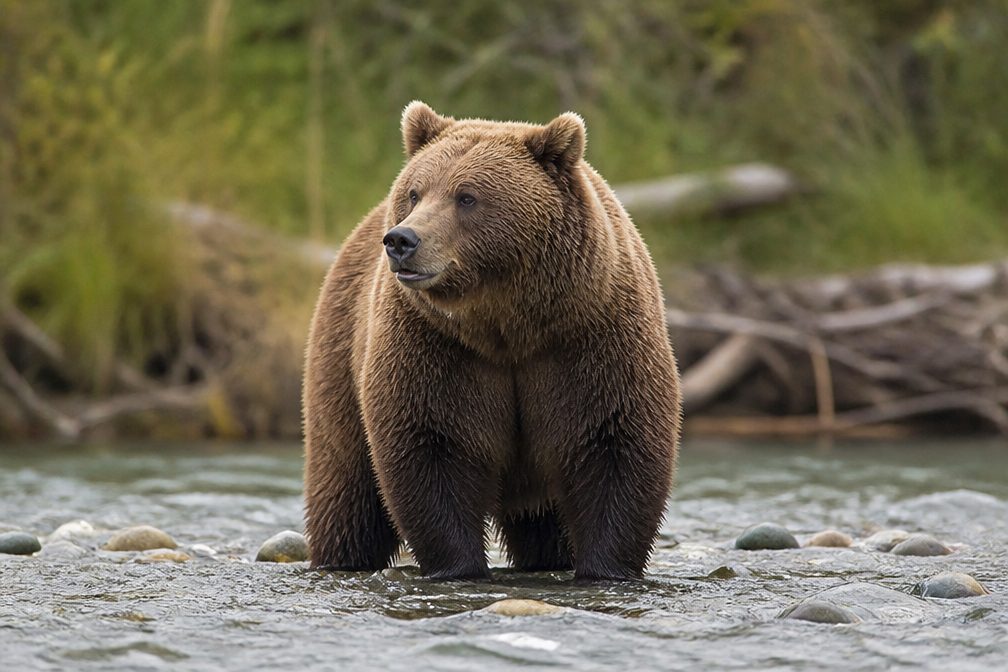
This is classic Jasper backcountry—expect birds along the trail and the possibility of elk, deer, and both black and grizzly bears. Carry bear spray, make noise on the trail, and store all food properly at camp.

Best Time to Visit

June–September offers the best footing and open road access. For fewer people, start early within the first inbound window or aim for late afternoon. Summer’s clear, midday light brings out the lake’s color; calm mornings are best for glassy reflections. Fall brings quieter trails and glowing aspen.


Know Before You Go

  • Time your drive to the inbound windows or you’ll be waiting at the gate.
  • Expect bugs in summer—bring strong repellent.
  • The area feels remote; signage is only so-so, so bring a map/GPS and know your route.
  • Treat all water before drinking.

Pros

  • Quiet backcountry lake with a serene, forest-fringed setting
  • Moderate hike or bike on an old fire road
  • Rustic lakeside campground that’s great for first-time backpackers

Cons

  • One-way, timed dirt road access requires careful planning
  • Mosquitoes can be intense in mid-summer
  • Sections of trail can be muddy or boggy

Tips

  • Plan your arrival around the inbound road windows (8–9am, 11–12, 2–3, 5–6).
  • Check Parks Canada for road status and seasonal closures before you go.
  • Bring strong bug spray; mosquitoes can be fierce in mid‑summer.
  • Carry bear spray and use bear poles for all food and scented items.
  • Treat or boil all water from the hand pump and lake.
The Parkwolf tour guide sitting on a phone mounted in a car

Parkwolf Tour Guide

Like a tour guide in your car.

Save the places you found around Jasper, then let Parkwolf guide the drive between them.Download Parkwolf on the App Store