
Place · 6.5 mi away
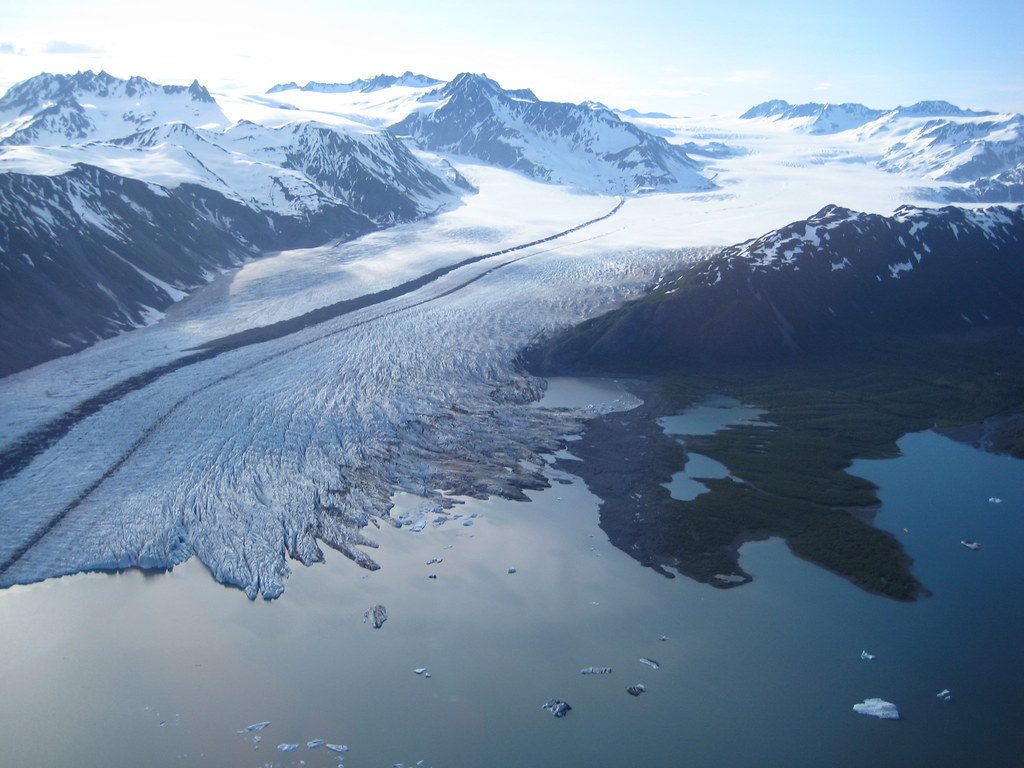
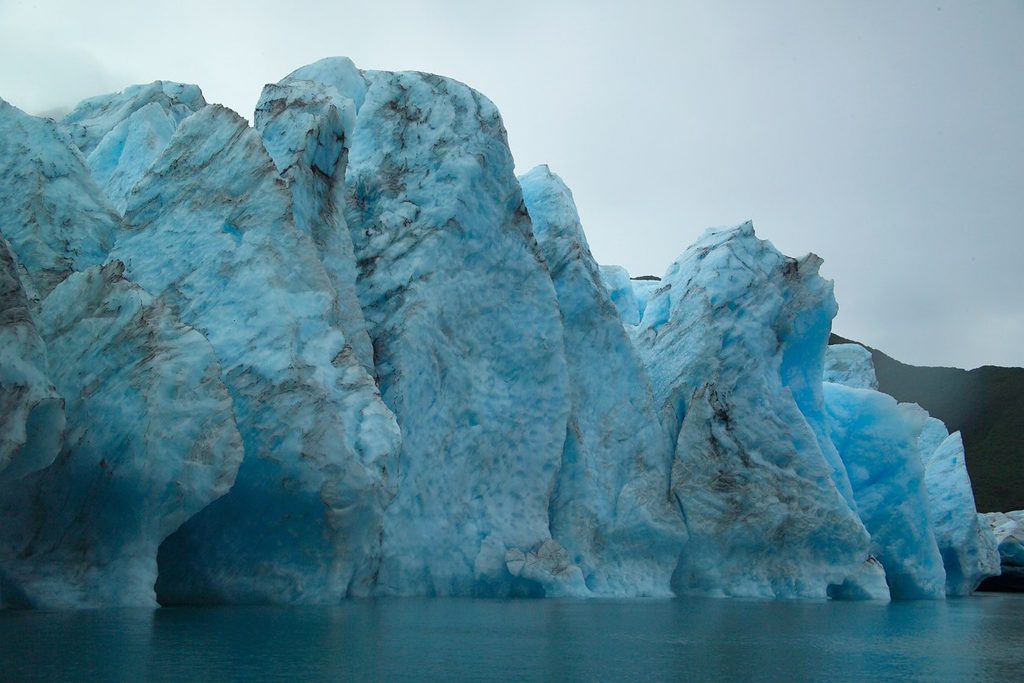
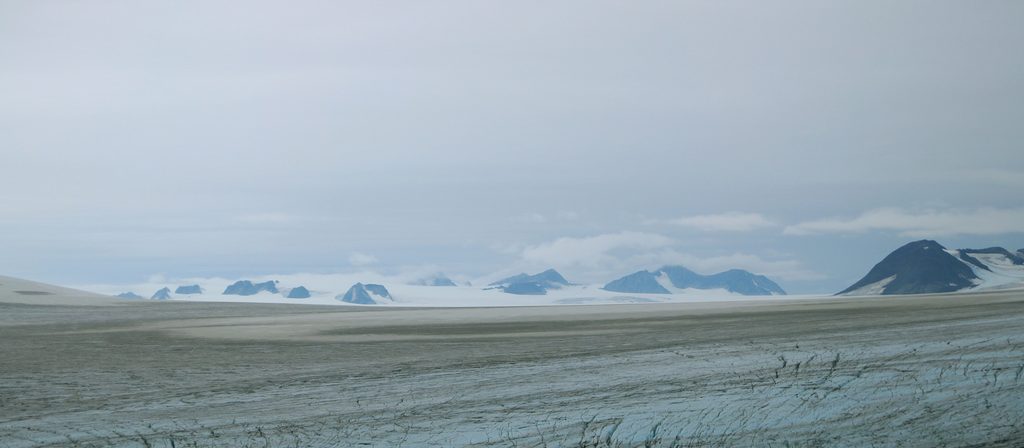
Bear Glacier pours off the Harding Icefield and finishes not in the ocean but in a long, narrow lagoon sealed off by a terminal moraine. That proglacial lake is crammed with sculptural, often massive icebergs—an otherworldly setting that feels wilder and quieter than the park’s busier roadside areas.
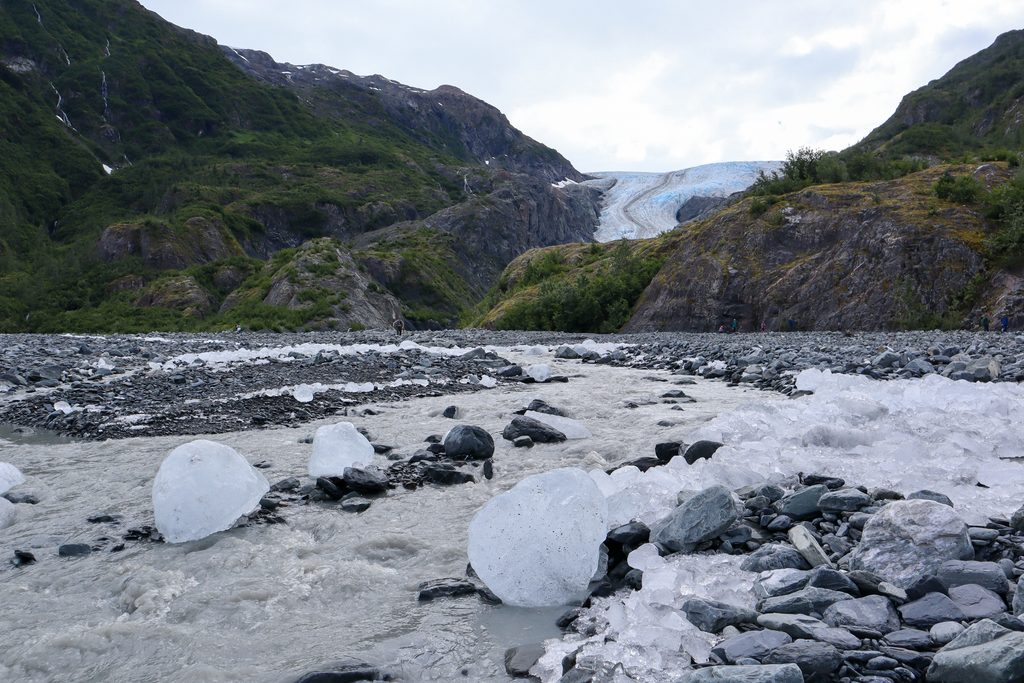
Expect a panorama of glittering bergs drifting and grounding in milky-blue water, with the glacier’s face looming at the head of the lagoon. Look for dark debris bands—medial moraines—running down the ice, a visual reminder that this is a living conveyor belt of rock and snow. Calving happens in pulses: sometimes it’s still, sometimes the glacier sheds big slabs that send waves marching across the lagoon.
Most Kenai Fjords glaciers you’ll visit by boat are tidewater; Bear is the outlier with a protected, iceberg-studded lake. That calmer water makes it a standout paddling venue, letting you thread safely among grounded bergs from a respectful distance rather than bobbing in ocean swell.
There’s no road or trailhead here. Visitors typically reach the lagoon by water taxi, guided kayak trip, or helicopter from Seward. Outfitters commonly run “iceberg kayaking” day trips and overnights; independent paddlers plan their own pickups and bring full cold-water gear.
Seals often surface between the ice floes, and sharp eyes on the surrounding slopes may spot mountain goats. Bird activity can be good around the lagoon, but the headliner here is the ice itself.
Ice is unstable—bergs can flip without warning and calving can generate sudden, far-traveling waves. Give all ice—and steep shoreline near the moraine—a generous buffer. Weather shifts fast; wind, rain, and chill are common even in summer. Outburst floods (jökulhlaups) and ongoing retreat underscore that this landscape is constantly reshaping.
This is backcountry. There are no developed facilities: no restrooms, potable water, picnic tables, or campground. Some guided trips set up private camps and provide gear, but nothing is permanent or public. Come fully self-sufficient if you’re not with an operator.
Bear Glacier is the park’s largest, and the lagoon owes its existence to retreat: meltwater collects behind the terminal moraine while the glacier calves into it. Recent years have seen notable calving events and continued change—part of the reason every visit feels a little different.
Place · 6.5 mi away
Place · 8.5 mi away
Place · 8.5 mi away
Place · 8.9 mi away
Challenging · 13.4 mi away
Easy · 13.4 mi away
Easy · 13.4 mi away
Easy · 13.4 mi away

Parkwolf Tour Guide
