
Place · 5.6 mi away
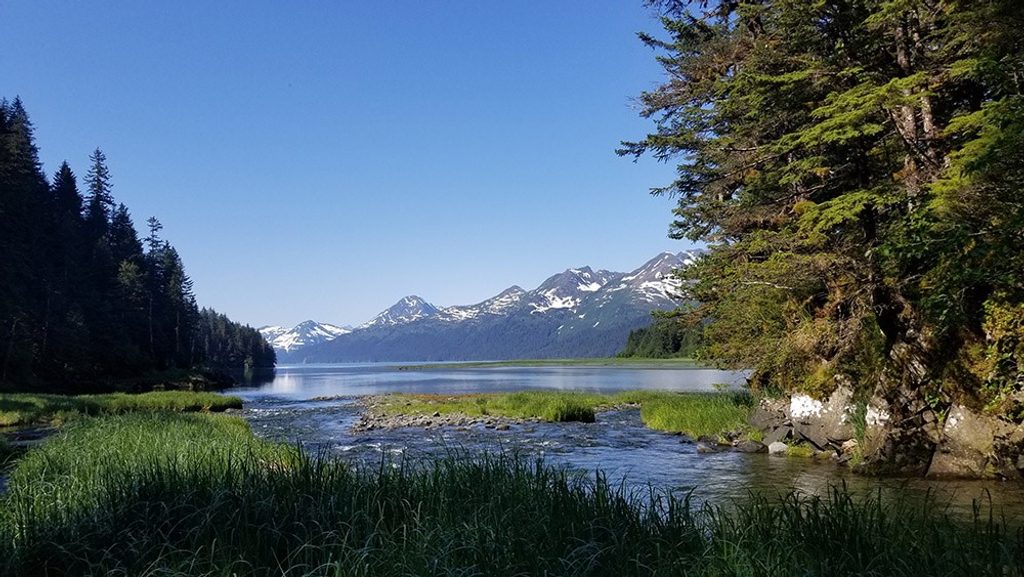
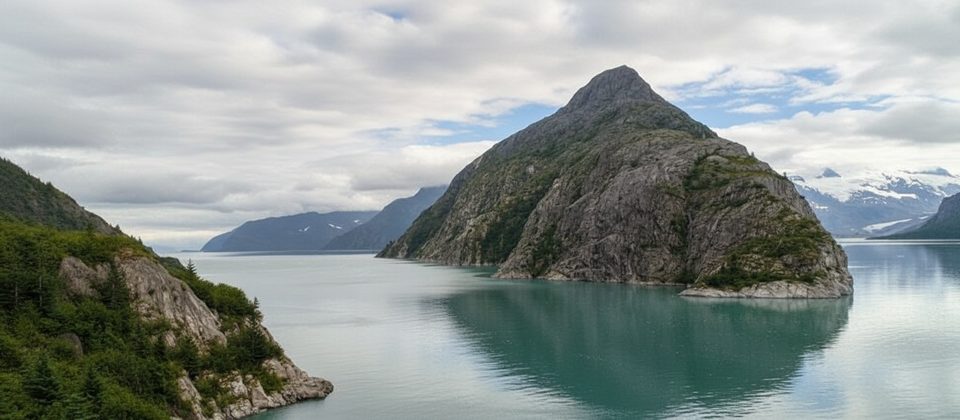
Nuka Bay is a large, glacially carved fjord in the park’s southwest, defined by deep waters, towering cliffs, and a profound sense of remoteness. There are no roads, docks, or developed sites here—getting in requires a boat, kayak, or floatplane—and that effort pays off with quiet, untrammeled wilderness.
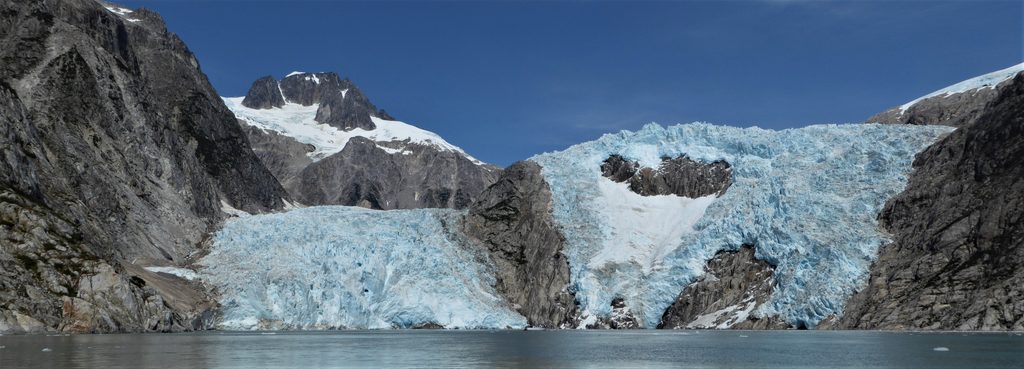
Expect dramatic fjord scenery: steep rock walls, hanging glaciers, alpine passes, and secluded coves. Peaks rise sharply above the water, often topping 1,000 meters, while at the head of the bay the Nuka River fans into Beauty Bay. The fjord itself is deep (estimated 180–300 meters), adding to its imposing feel.
The waters commonly host sea otters, harbor seals, and both humpback and killer whales. Seabirds frequent the coastline, and inland the Nuka River pass serves as an important ice-free corridor for terrestrial wildlife, including moose and bears. Botanically, the area supports rich coastal meadows alongside alpine and glacial habitats.
Nuka Bay’s rugged shape comes from a long interplay of tectonics and ice. Subduction of the Pacific Plate beneath the North American Plate uplifted and lowered the Kenai Mountains over time, allowing glaciers to gouge out deep fjords. Rock types here include chert, greenstone, shale, graywacke, and tuff, with metasedimentary rocks of the Valdez Group prominent in Beauty Bay. Eocene–Paleogene intrusions led to limited mineralization (gold, silver, copper, lead, zinc).
There are no facilities, ranger stations, or established infrastructure in Nuka Bay. Access is by water or air only, and you must bring everything you need—food, water, shelter, and safety gear. Navigation tools (charts, maps, GPS) and reliable emergency communication are strongly recommended. Plan for cold, wet maritime conditions and rapidly changing weather. Bear spray and bear-resistant food storage are essential.
Nuka Bay sees far fewer visitors than more accessible corners of the park. That solitude is its draw—but it comes with higher costs, complex logistics, and zero backup if conditions turn. It’s best suited to self-sufficient, experienced backcountry travelers comfortable in remote marine environments.
The name is derived from the Alutiiq word “nukaq,” meaning a young bull caribou. The Nuka River and its pass have long served as a natural route through the mountains, and Russian explorers mapped the area in the early 1800s. More recently, retreating glaciers have opened new corridors for wildlife and plant communities.
This is a sensitive, undeveloped ecosystem. Practice strict leave-no-trace travel and minimize disturbance to wildlife, especially in estuary and haul-out areas. Your best souvenir from Nuka Bay is to leave it exactly as you found it.
Place · 5.6 mi away
Place · 27.9 mi away
Place · 31.8 mi away
Place · 33.8 mi away
Challenging · 62.8 mi away
Easy · 62.8 mi away
Easy · 62.8 mi away
Easy · 62.8 mi away

Parkwolf Tour Guide
