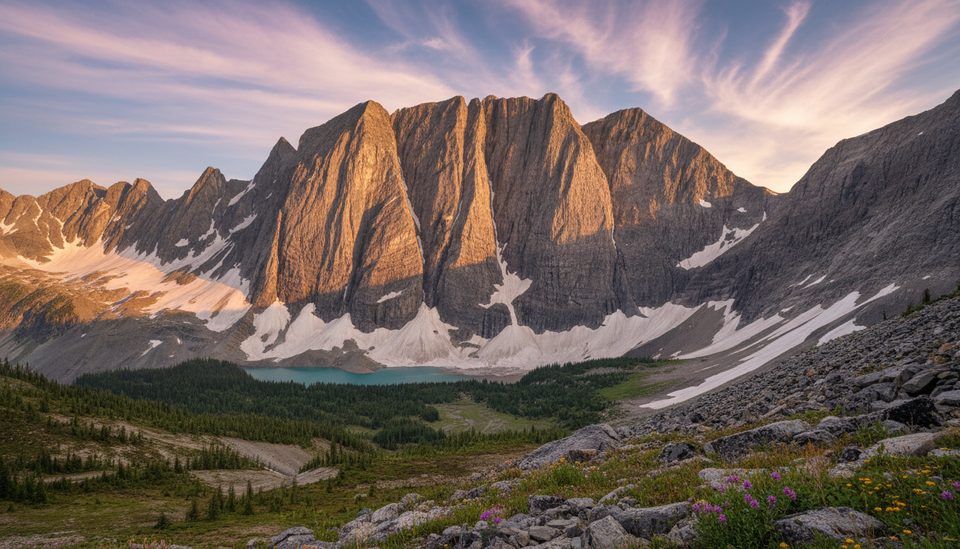
Floe Lake Backcountry Campground

Popular Rockwall campground with lockers, tent pads, and big views
Floe Lake Backcountry Campground, Kootenay National Park
InsideKootenay National Park

Overview

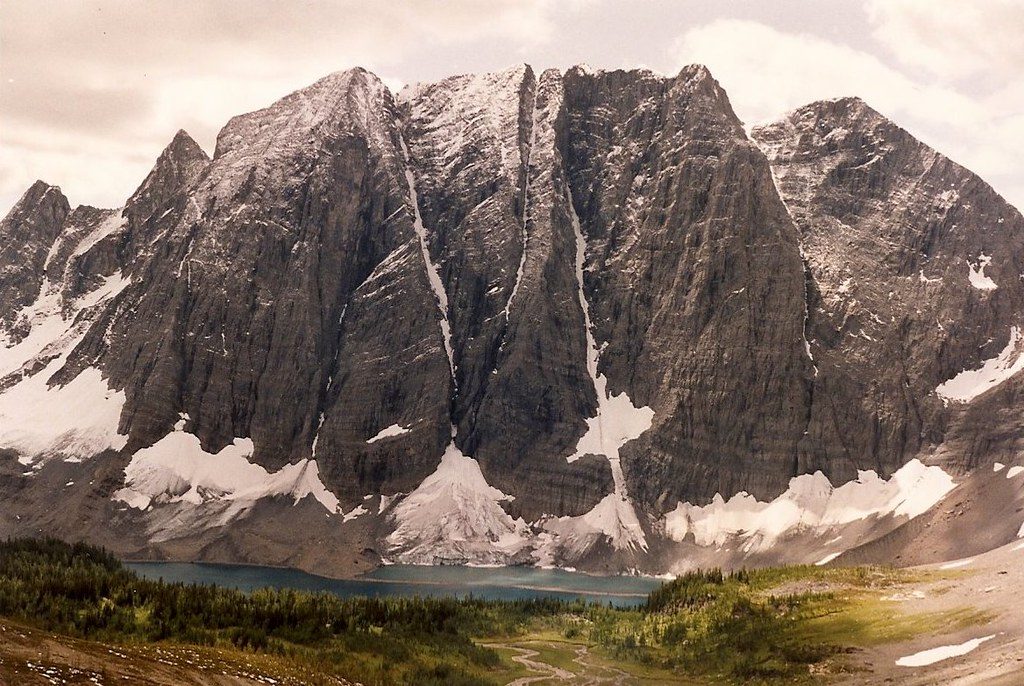
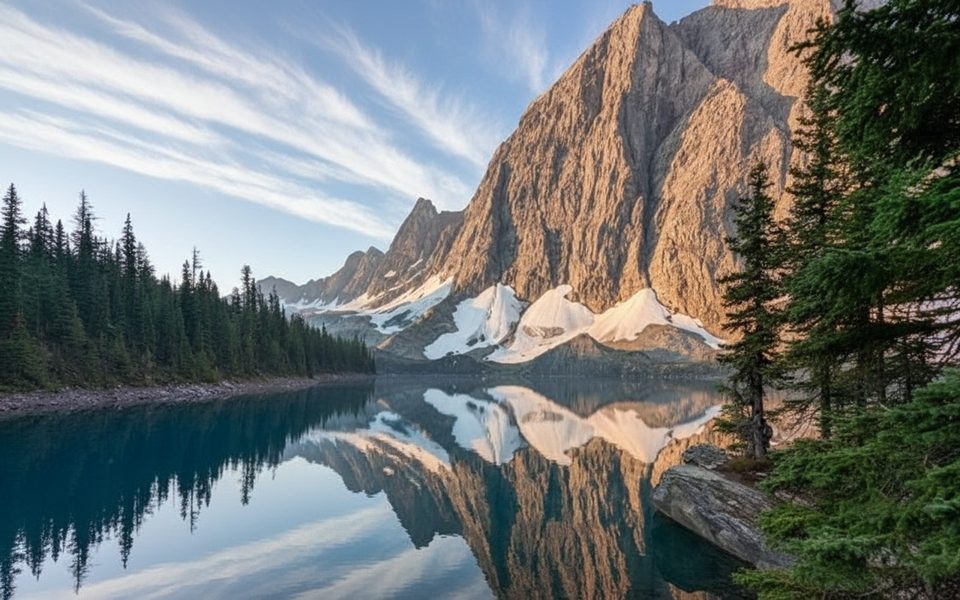
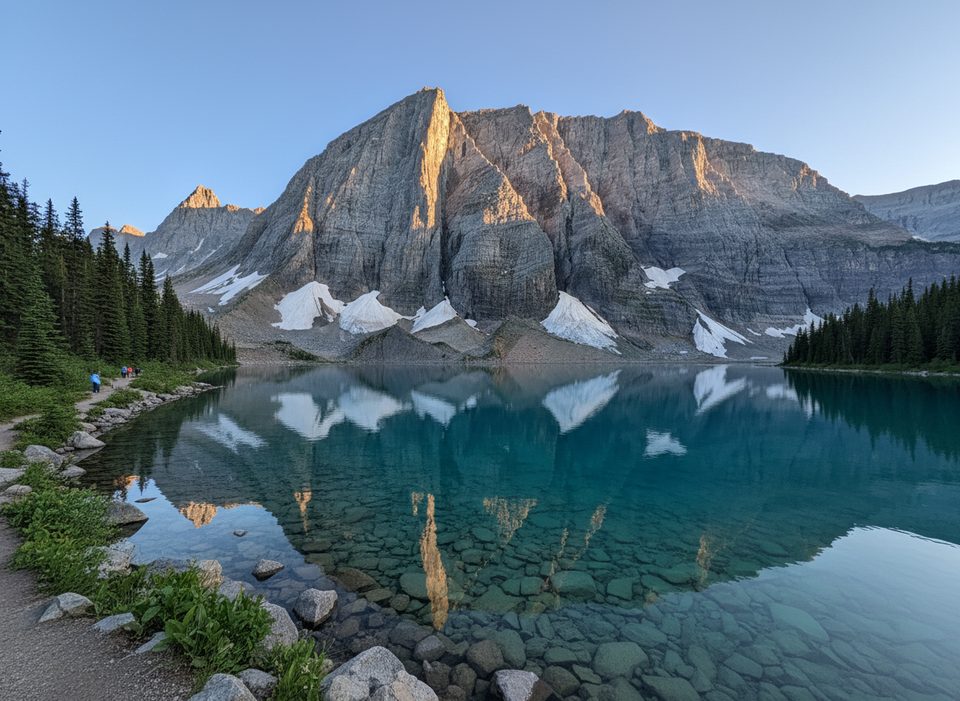
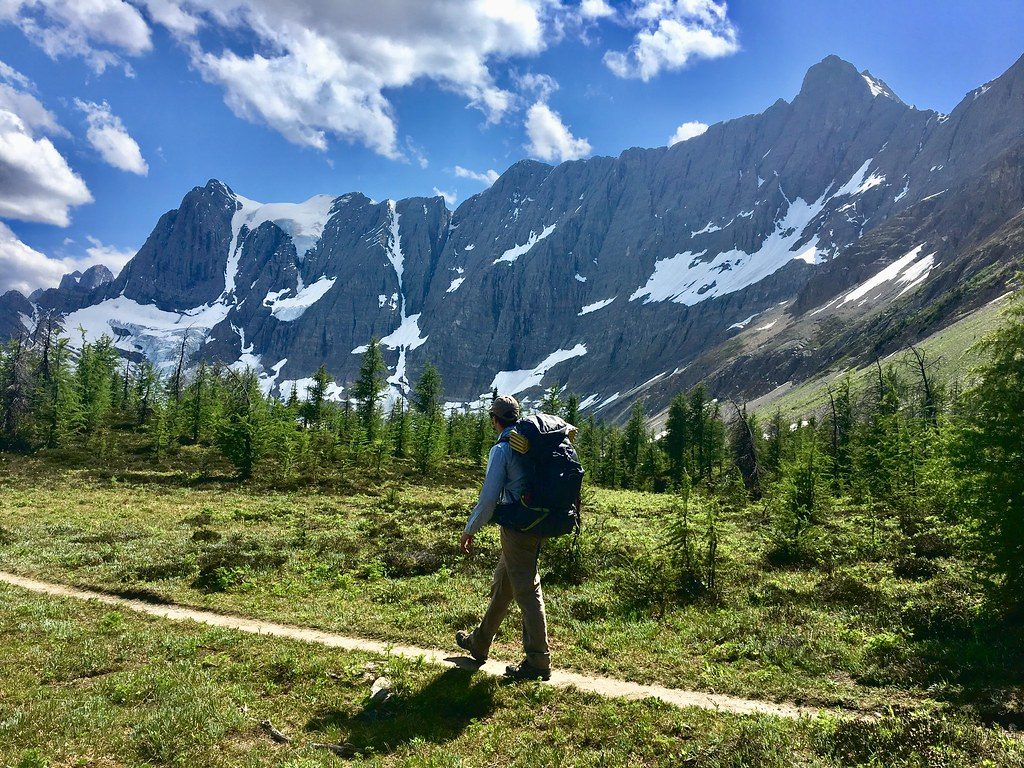
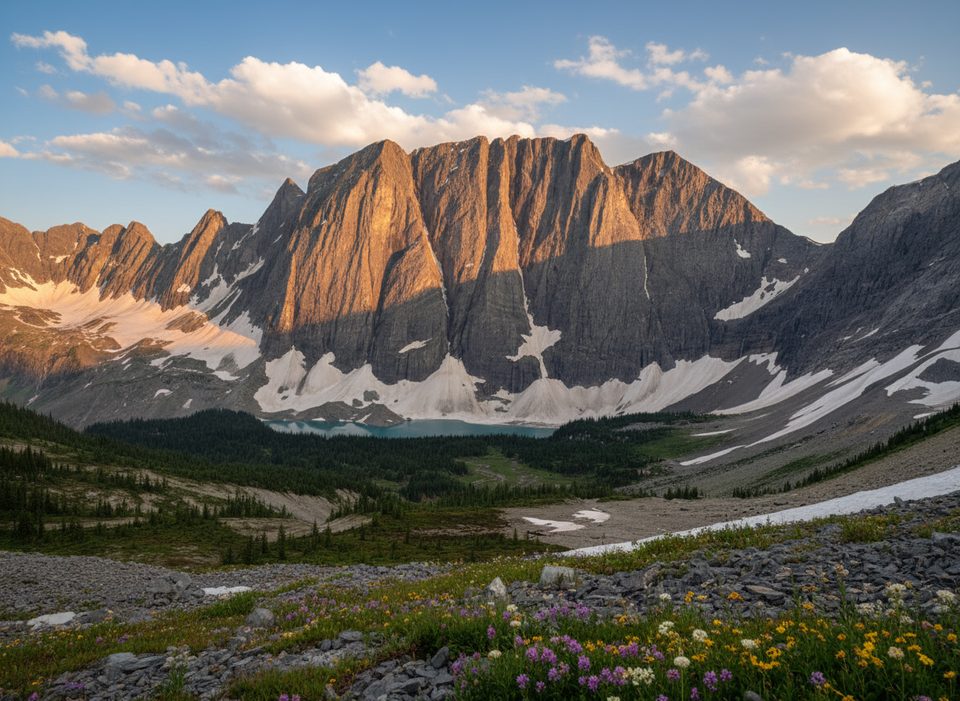
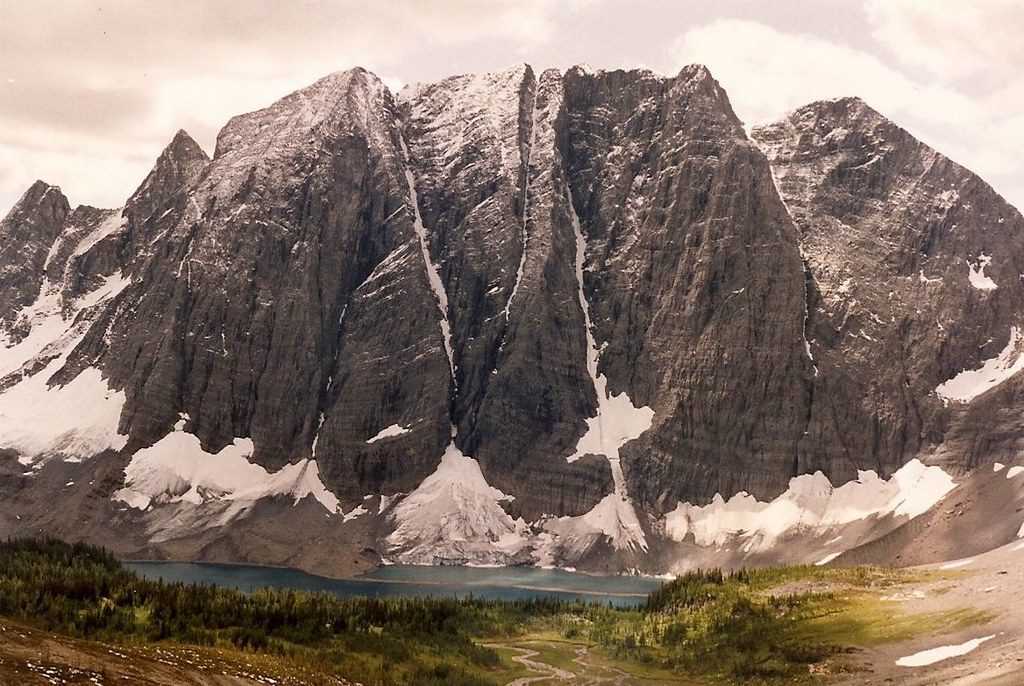
If you’re tackling the Rockwall, Floe Lake Backcountry Campground is the prize at day’s end—turquoise water tucked under sheer limestone cliffs. It’s popular for a reason: simple, well-laid-out sites in a knockout setting that feels remote without being complicated to find on a maintained route.

Facilities & What to Expect

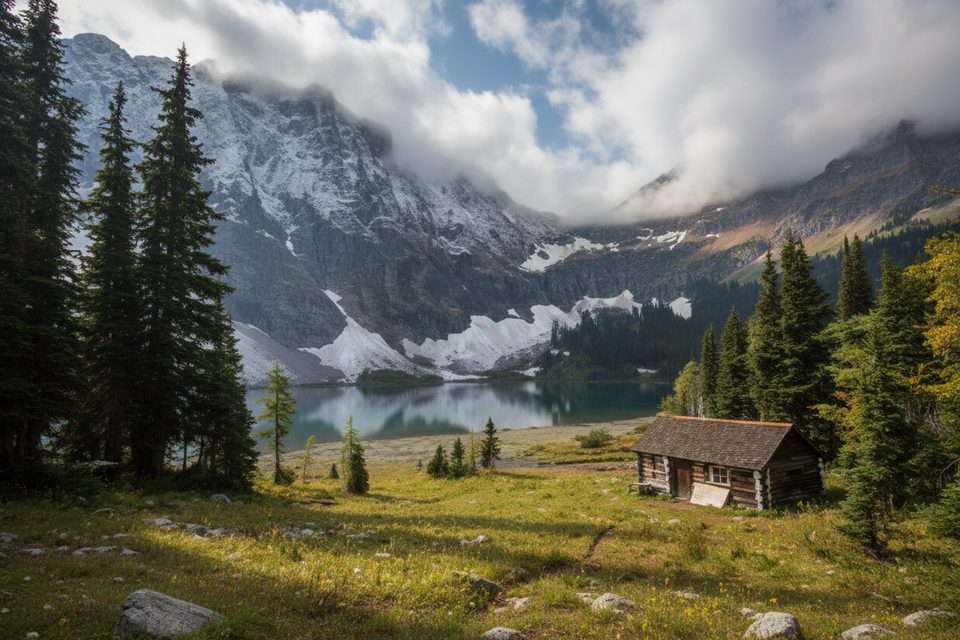
  • Designated tent pads (one tent, up to four people per pad) and a marked cooking/eating area with picnic tables.
  • Outhouses in the campground zone.
  • Wildlife-proof food storage provided (lockers or suspension cables)—store all food, garbage, toiletries, and cookware here.
  • No potable water taps; treat, filter, or boil lake/stream water.
  • No campfires anywhere in the backcountry—stoves only.

Permits, Reservations, and Rules

  • Backcountry camping permit/reservation required; carry a copy.
  • Camp only on your reserved pad in this designated campground; random camping isn’t allowed.
  • Max three consecutive nights per campground; one tent and up to four people per pad. Larger groups must follow reservation limits (up to 10 people and 5 tents per booking).
  • Pack out all garbage; use the outhouses (if one is unavailable nearby, follow cathole guidelines and pack out toilet paper).
  • Pets must be leashed at all times. Drones and firearms are prohibited. Fishing in these parks requires a National Park Fishing Permit, and the possession limit is zero.

Safety & Conditions

Mountain weather flips fast. Snow can linger into summer at higher elevations, and it can snow any month. The main season runs June–October; July–August are prime, September is often drier but colder. In snowy seasons (early winter through early summer), avalanche hazards exist near and above treeline—choose terrain accordingly. Cell coverage is unreliable; carry bear spray, a first-aid kit, and ideally a satellite communicator.

Wildlife

You’re in prime habitat for grizzly and black bears, plus elk, wolves, and cougars. Make noise on the trail, keep pets leashed, and give wildlife space—30 m from elk/deer/moose and 100 m from bears and other carnivores. Store every scented item in the lockers/cables.

Best Time to Visit

Aim for July–August for the highest odds of dry trail and clear lake views. September can be lovely but chilly. Dawn and early evening bring calm water for reflections and softer light on the cliffs. Outside June–October, expect winter conditions and, in late fall/winter, unmaintained trails.

Is It Worth It?

Yes—if you’re prepared. The scenery delivers, and the campground’s simple infrastructure (pads, lockers/cables, privy, tables) makes backcountry life easier without dulling the wild setting. It books quickly, so plan ahead.

Pros

  • Designated tent pads with a defined cooking area and picnic tables
  • Wildlife-proof food storage (lockers or cables) on-site
  • Part of the classic Rockwall route with big lake-and-cliff scenery

Cons

  • No campfires allowed; bring a stove
  • No potable water—treat or filter all sources
  • Peak-season reservations book up early and sites are limited

Tips

  • Reserve early for July–August; sites along the Rockwall sell out fast.
  • Pack a stove and fuel—campfires are not permitted anywhere in the backcountry.
  • Treat or filter all water from the lake or streams before drinking.
  • Carry bear spray where you can reach it and store all scented items in the lockers or on cables.
  • In shoulder seasons, check conditions and avalanche advisories and bring a satellite communicator.
The Parkwolf tour guide sitting on a phone mounted in a car

Parkwolf Tour Guide

Like a tour guide in your car.

Save the places you found around Kootenay, then let Parkwolf guide the drive between them.Download Parkwolf on the App Store