Overview
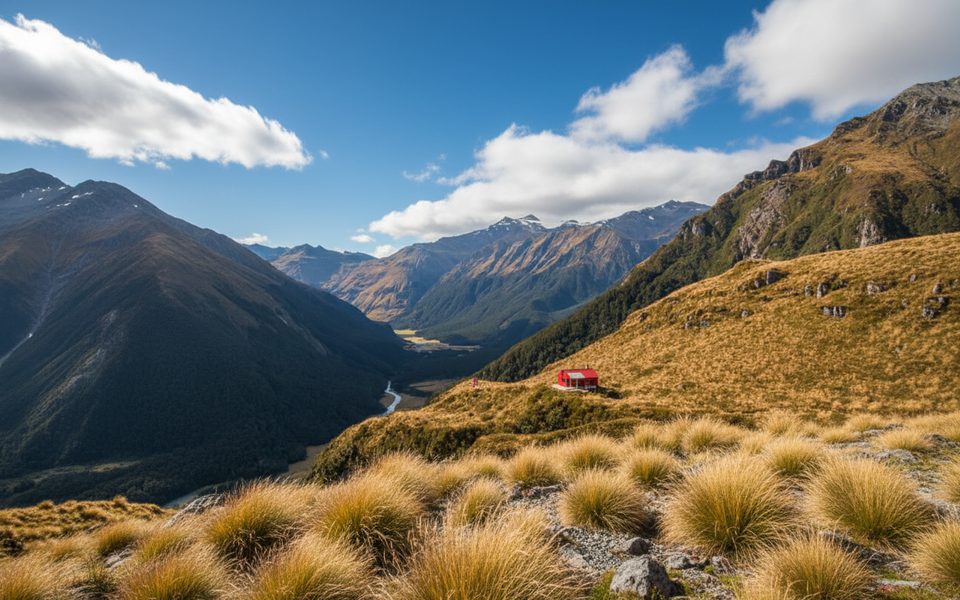
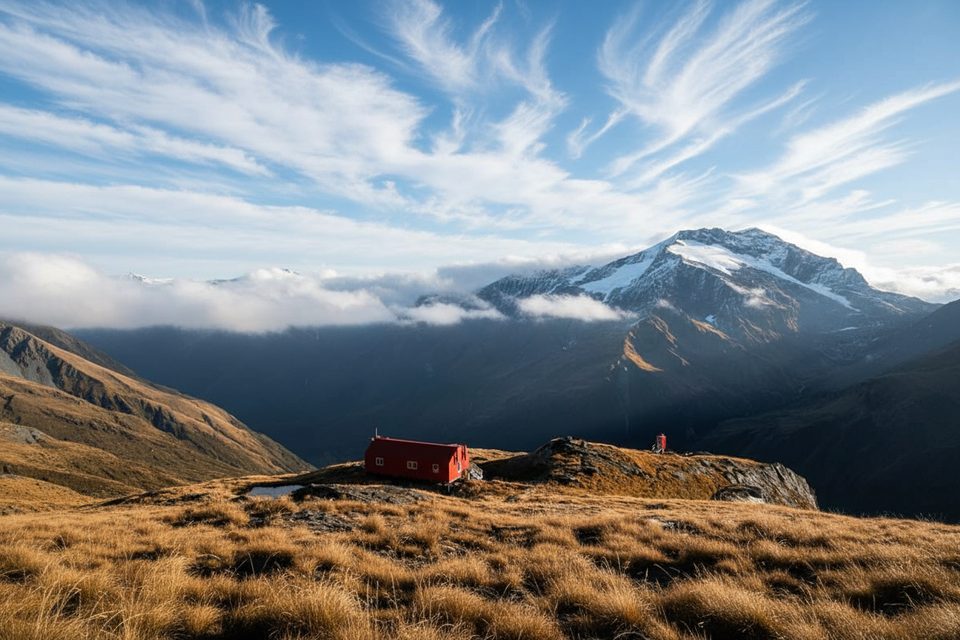
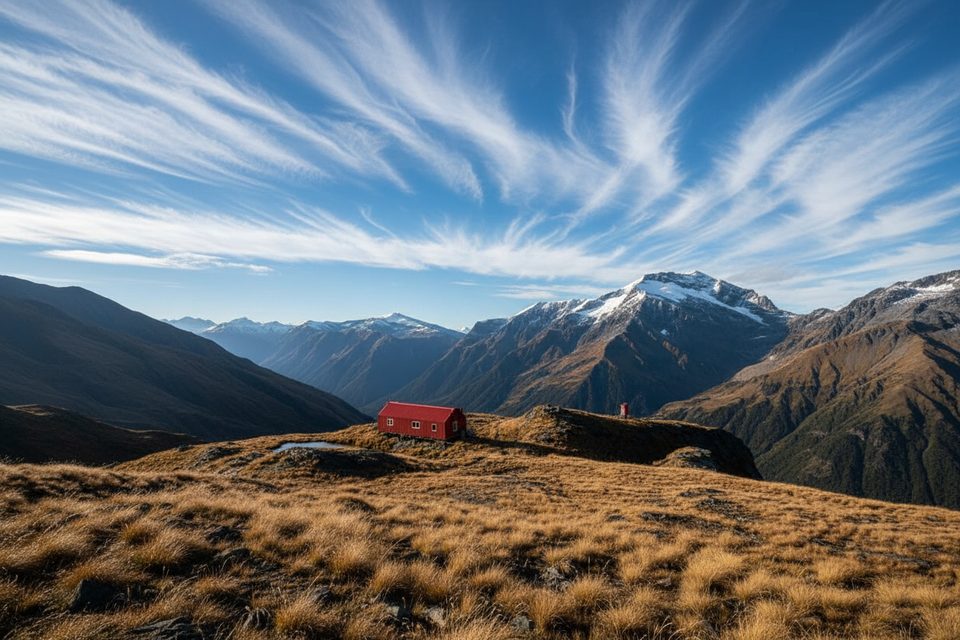
At 2,252 m above the West Matukituki Valley, Mount Barff is a real alpine objective—rewarding, committing, and best tackled by parties comfortable with snow and mixed ground. Liverpool Hut (your base) sits perfectly to stage a pre‑dawn start. First climbed solo by Gordon Speden on December 25, 1929, it’s now a classic for both summer ascents and shoulder‑season ski missions.
Routes at a Glance (from Liverpool Hut)
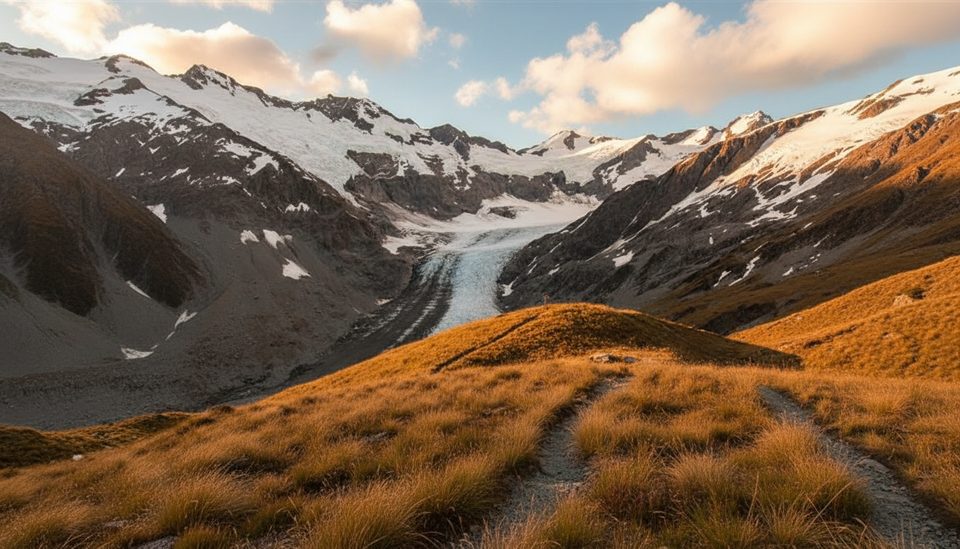
- SE Ridge (most popular; alpine Grade 2 / “III,2”): Don’t head straight up the ridge from the hut—sidle west toward Arawhata Saddle, cross a gully to reach slabs/glacier, then gain the upper SE ridge. Expect a steep crux below the N ridge and a short sidle on the S face. Typical time: about 3.5–5 hours hut to summit.
- South Face to summit cones (III,2): Broad crevassed snowface reached by traversing toward Arawhata Saddle; often the quickest line in good conditions (roughly 3–4 hours from the hut). Late‑season bergschrunds can shut the route down.
- SW Ridge via Arawhata Saddle (III,2): Straightforward mixed ground over the prominent step above the saddle; plan on 5–6 hours from the hut.
Getting There & Your Base
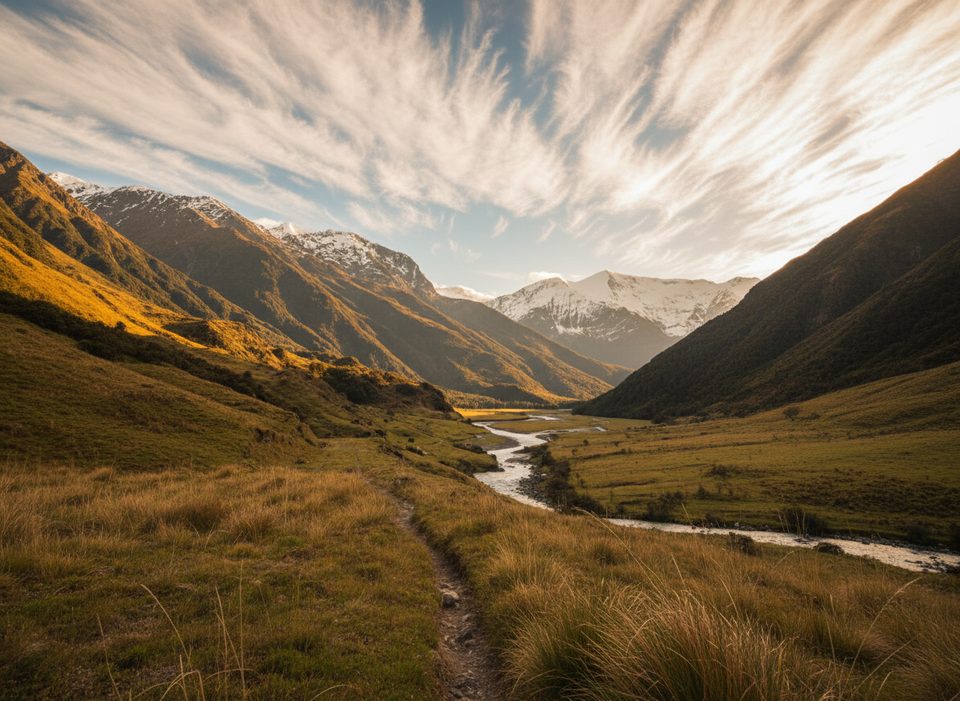
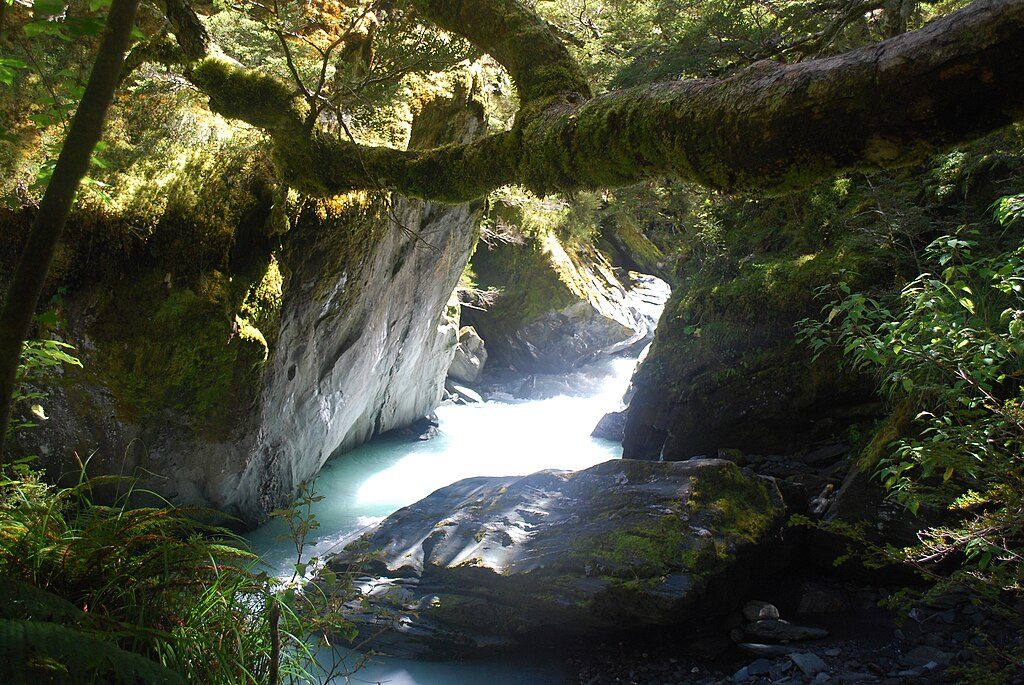
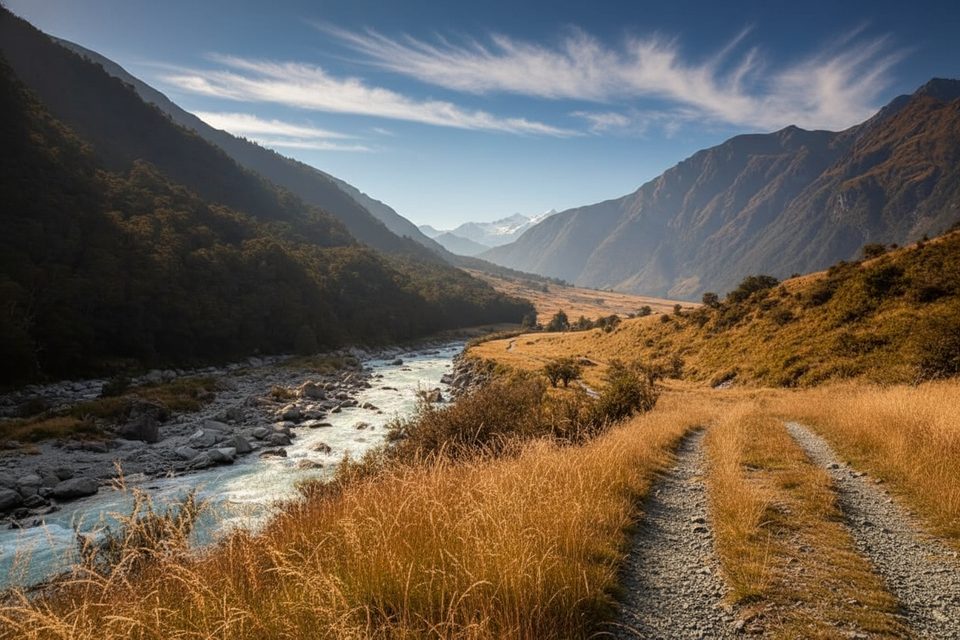
- Approach: Raspberry Creek car park → West Matukituki Track → Pearl Flat → Liverpool Track (steep, root‑ladder/rock‑scramble) to Liverpool Hut. It’s roughly 16 km to the hut and commonly 5–6.5 hours from the road end (about 3–4 hours if you break the approach by staying at Aspiring Hut first).
- Liverpool Hut: 10 bunks; built in 2009. Between Labour Weekend (late October) and 30 April, bookings are required and the Backcountry Hut Pass doesn’t apply; outside that window it’s first‑come‑first‑served with tickets/passes.
- Alternative access note: Some trip reports mention reaching near Aspiring Hut by high‑clearance 4WD via Mount Aspiring Station with permission, a key, and a road‑maintenance fee—most parties simply walk from Raspberry Creek.
Season, Conditions, and Gear
Best attempted in summer and the alpine shoulder season (roughly November–April). Expect snow/ice on upper slopes, potential avalanche terrain, and seasonal crevasses/bergschrunds—ice axe and crampons are commonly required. An alpine start in the dark is standard to hit firm morning snow and better weather windows.
Hazards & Reality Check
Above the hut the ground steepens quickly into exposed ridges and gullies. Parties report “battles with gravity,” loose pebbly slabs, and the real possibility of an unplanned bivy if you drift off line. Cornices can rim the summit area; weather on the Main Divide turns fast. Set a hard turnaround time and carry a PLB/inReach.
Wildlife
Kea are active around the huts—secure anything salty or shiny. In the valleys you may encounter whio/blue duck and, higher up, rock wren; treat all wildlife with space and respect.
Best Time to Visit
- Calendar: November–April offers the most reliable access; if you’re here between late October and 30 April, book Liverpool Hut in advance.
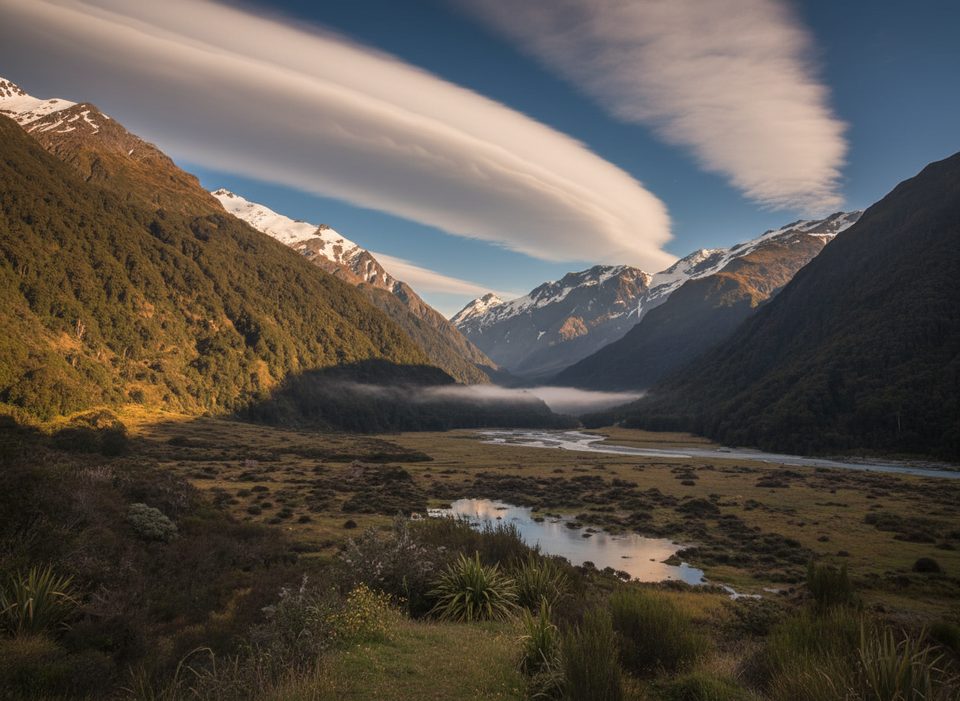
- Daily timing: Start pre‑dawn from Liverpool Hut for firmer snow and gorgeous sunrise light on the upper ridges; afternoon softening and deteriorating visibility are common.
- Photography: The SE ridge and summit cones light up at sunrise; carry a safe system for stashing a camera on exposed sections.