Overview
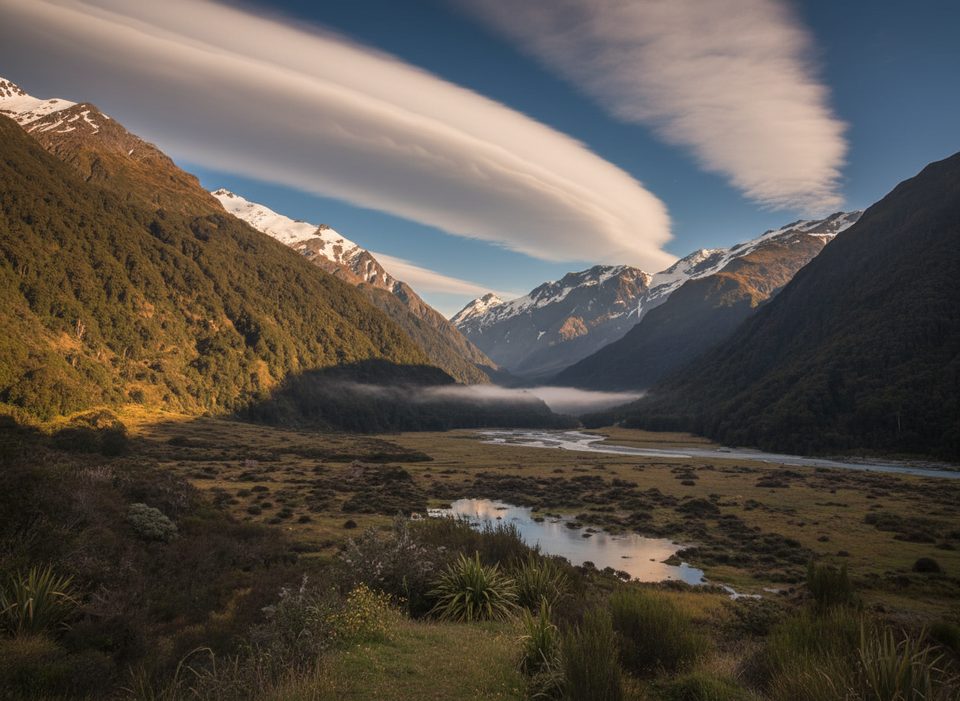
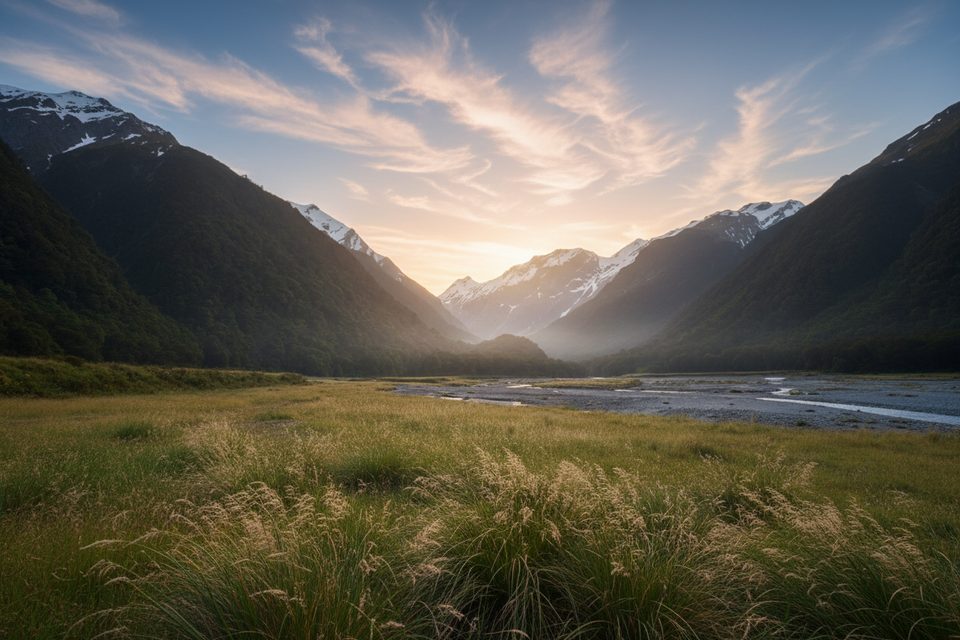
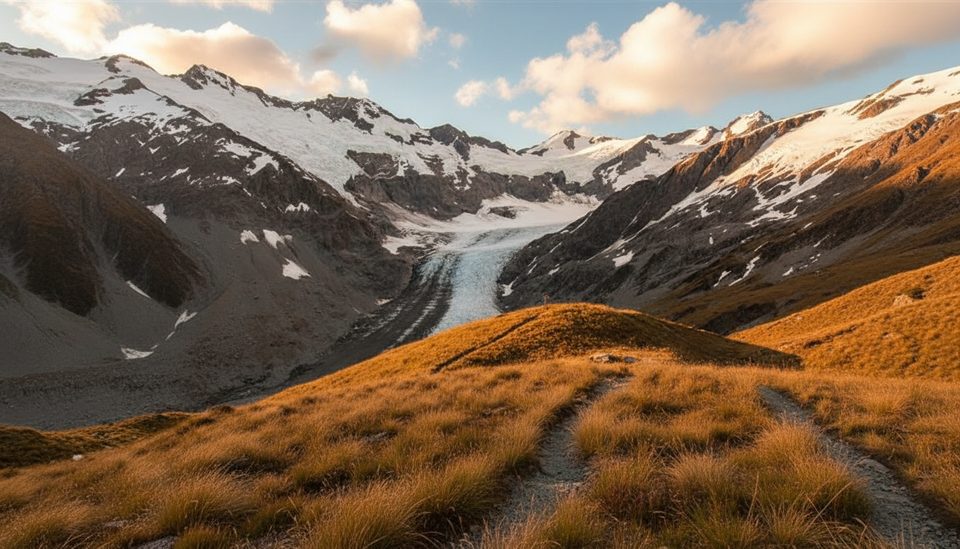
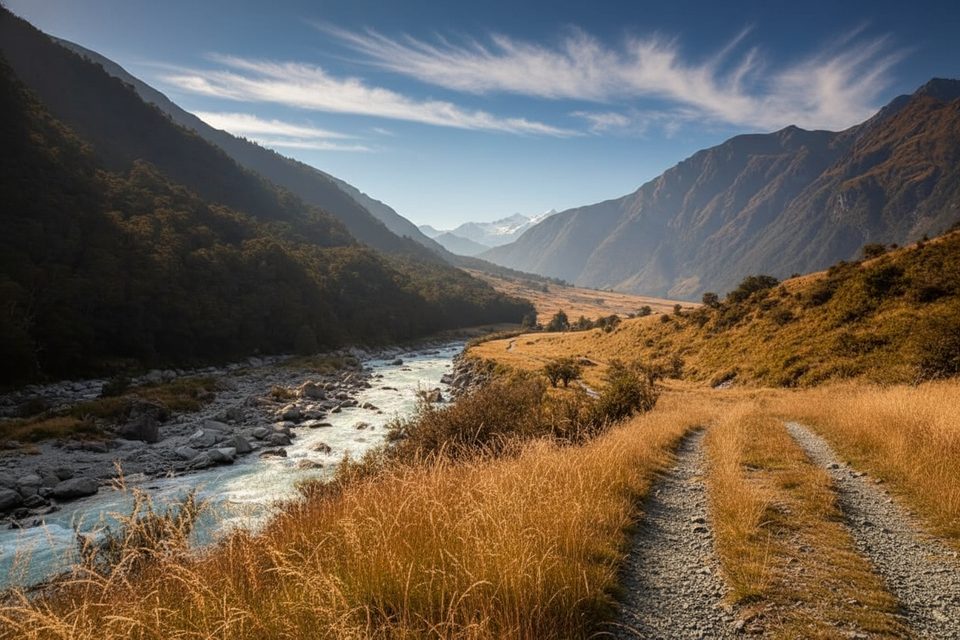
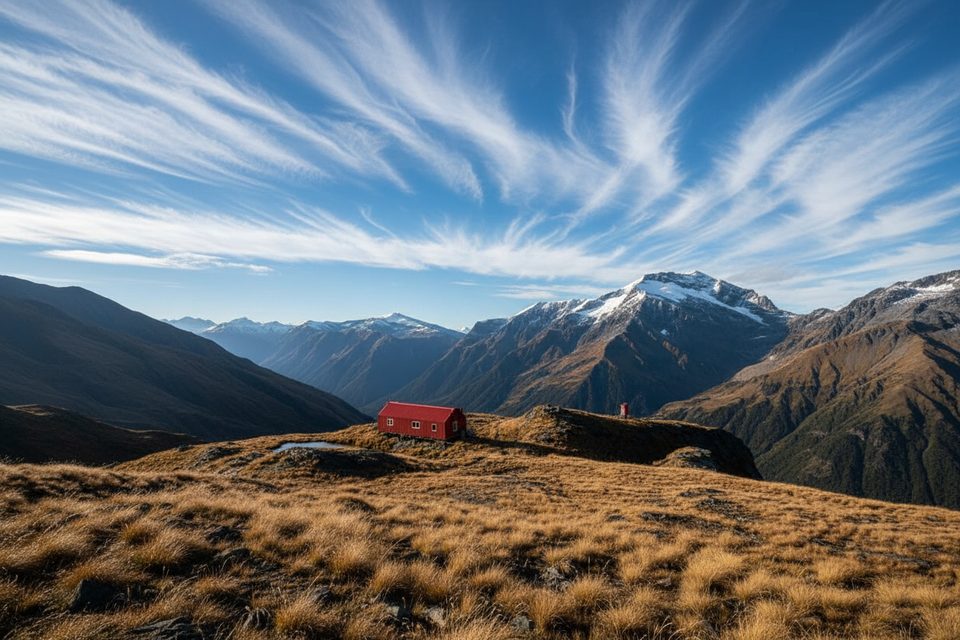
If you want the Mount Aspiring experience without committing to a gnarly alpine climb, the West Matukituki Valley is the sweet spot. The main track follows the river through farm flats, pockets of beech forest, and wide grassy terraces, with big views to hanging glaciers. It’s a crowd‑pleaser: a comfortable first overnight to Aspiring Hut for families and newer trampers, with tempting side routes for those eyeing steeper ground.
Route at a glance
- Raspberry Creek car park → Aspiring Hut: 9 km, 2–2.5 hr, mostly across grassed farm flats with a couple of small bluffs. You’ll pass the locked historic Cascade Hut shortly before reaching Aspiring Hut.
- Aspiring Hut → Pearl Flat: 5 km, ~1.5 hr. Short bush section, bridge over Cascade Creek, then open terraces via Shovel Flat to Pearl Flat.
- Pearl Flat → head of the valley: 3.2 km, ~2 hr. The track shifts to the true right, passes the French Ridge swing bridge, then sidles through beech to open scrub. Scotts Rock Biv (a small, not fully waterproof rock shelter) sits ~500 m upstream from the river; easy open travel continues to the valley head. Beyond to Bevan Col is for experienced parties only.
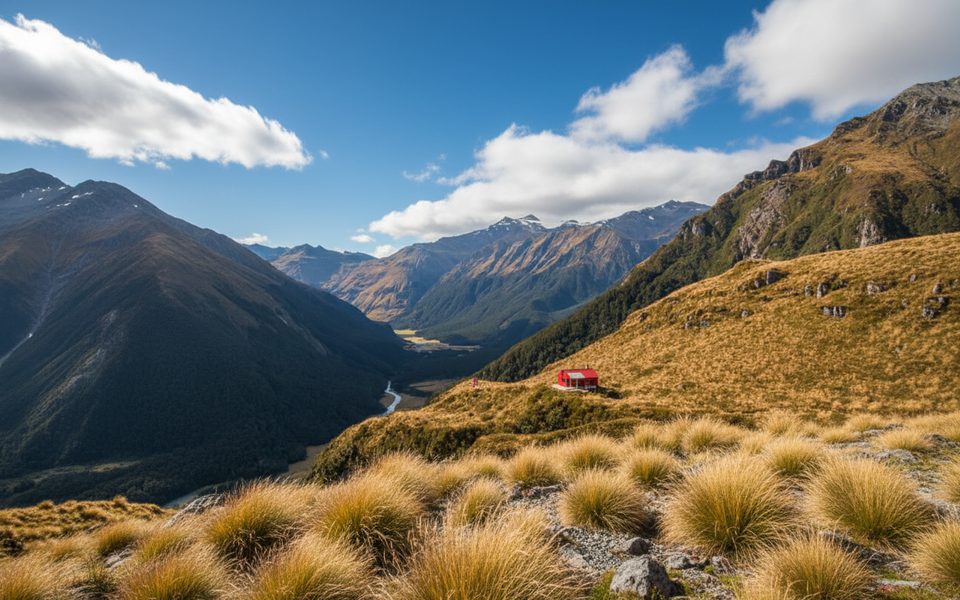
- Add‑ons at Pearl Flat: steep alpine access via the French Ridge Track and Liverpool Track start here.
Getting there
From Wānaka, it’s 54 km (about 1 hr 20 min) to Raspberry Creek. The last 30 km are gravel, and the final 10 km include fords that rise fast after heavy rain—sometimes impassable to 2WD and even 4WD. If in doubt, park before the final two fords and walk the last few hundred metres. Expect no mobile reception for roughly the last 30 km.
Huts, campsite and basics
- Aspiring Hut (32 bunks): bookings required year‑round. In the main season there’s a hut ranger on site, heating and lighting, and gas cookers; water is available but untreated. Toilets are flush in the main season and non‑flush outside it. Bring your own toilet paper and pack out all rubbish.
- Aspiring Campsite (beside the hut): first‑come, first‑served; basic toilets and an open‑sided shelter. Campers can’t use hut facilities.
- Trailhead (Raspberry Creek): toilet block, shelter with picnic tables, untreated water, and info boards.
- Mapping: carry NZTopo50 CA10 and CA11.
- Bikes: mountain bikes are permitted up to Aspiring Hut.
Hazards and etiquette
- Avalanches: challenging terrain from just beyond Aspiring Hut (Rough Creek) to the Liverpool Track junction, and complex terrain from the Liverpool bridge to the valley head. Debris can reach the valley floor at Shovel Flat—don’t camp there. Most common May–November, and can linger into early summer.
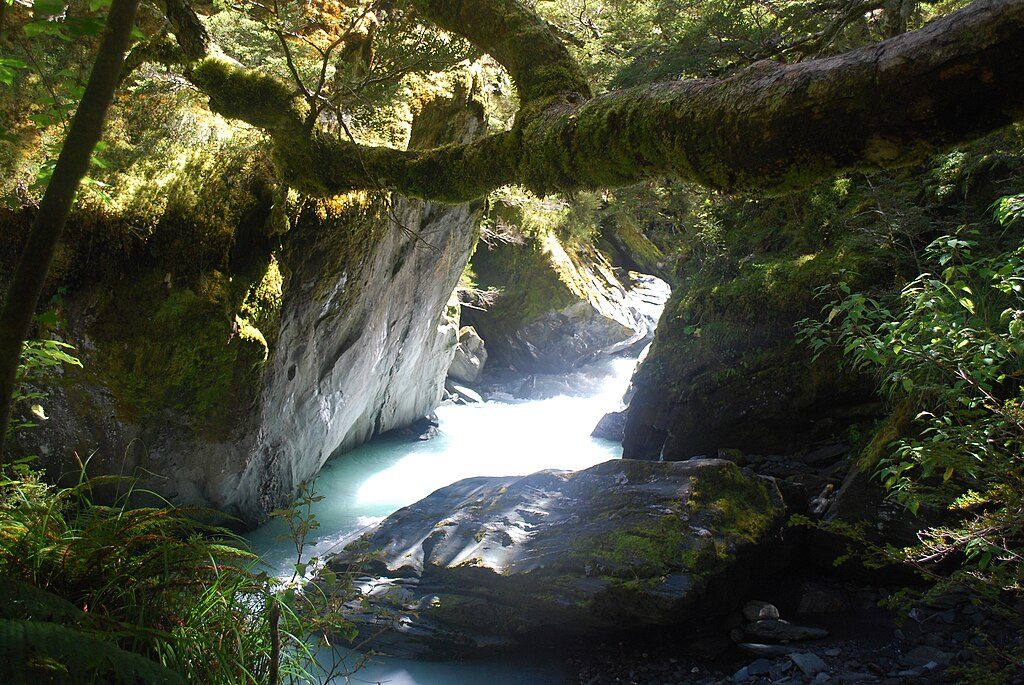
- Landslides and closures: Aspiring Hut sits in a known landslide debris path; it may close during heavy‑rain forecasts. Rockfall has also occurred near Wishbone Falls—pass with care.
- Bridges: swing bridges have user limits—be ready to wait and cross in small groups.
- Private land: the lower valley crosses farmland. Stay on marked tracks, leave gates as found, use stiles, and give livestock space. No camping until you reach conservation land.
- Weather: rapid changes are normal. Even in summer, carry warm, waterproof, windproof layers; whiteout/low cloud is possible.
Best time to visit
Aim for the main tramping season when hut services (ranger, heating/lighting, gas, and flush toilets) are operating and avalanche risk is typically lower. Go early in the day for gentler light on the valley walls and to reach your destination before any afternoon winds or showers roll in. Weekends are busier to Aspiring Hut; start early to stay ahead of the crowd.
Who it’s for
First overnighters will love the friendly grades to Aspiring Hut. Strong parties can push on to Pearl Flat or explore the steep Liverpool and French Ridge approaches. Beyond the valley head toward Bevan Col is strictly for experienced, well‑equipped trampers and climbers.